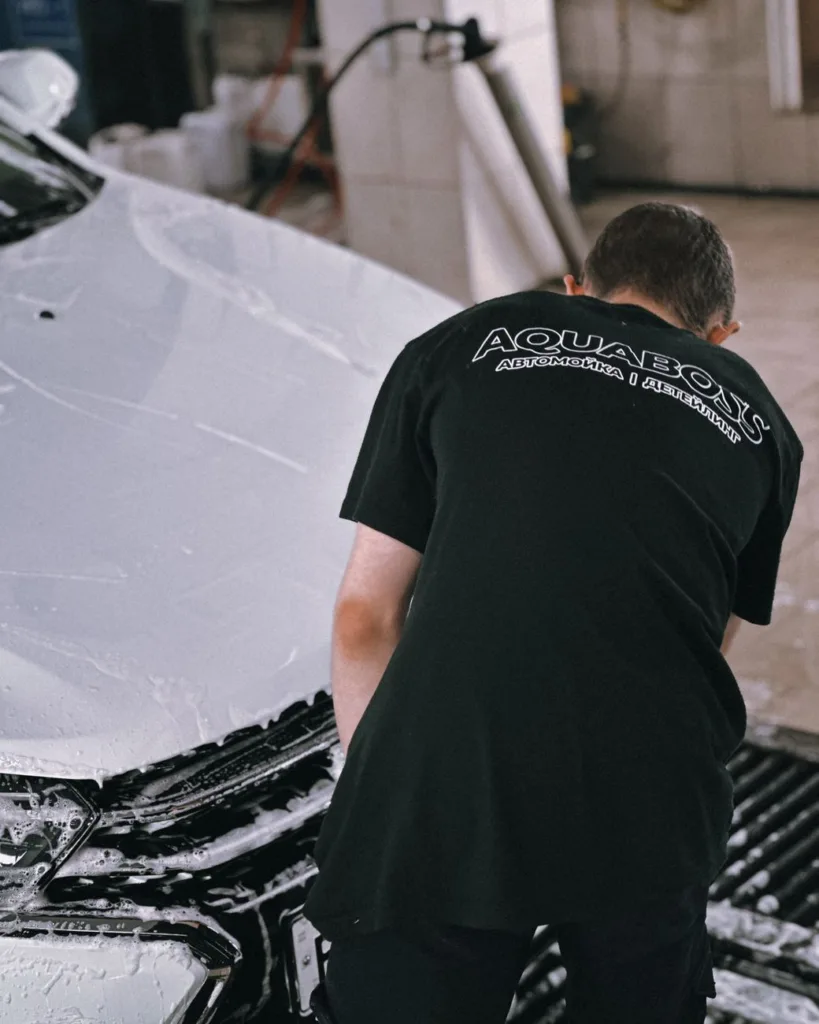
How often you should wash your car depends on where you drive, how you store it, and what your car is exposed to. For most drivers, a wash every 1 to 2 weeks is a practical rule of thumb. If your car sees winter road salt, coastal air, heavy pollen, construction dust, bird droppings, tree sap, or frequent rain, you may need to wash it more often. If it is garage-kept and driven mainly in clean conditions, you may be able to stretch the interval a bit longer.
The main reason to wash a car regularly is not just appearance. Dirt, road film, salt, bird droppings, bug residue, and industrial fallout can damage paint over time if they are left in place. A regular wash helps protect the clear coat, reduces the risk of staining, and makes it easier to spot developing issues such as chips, rust, or leaks.
How Often Should You Wash Your Car?
A good baseline for most vehicles is to wash them every 1 to 2 weeks. That interval works for average daily drivers in normal weather and road conditions. It is frequent enough to remove damaging contaminants before they have time to bond strongly to the paint.
That said, there is no single schedule that fits every car. A vehicle parked outside near the ocean, driven through winter slush, or used on dusty rural roads will need more frequent cleaning than a weekend car stored in a garage. The right answer is really based on exposure, not just time.
As a simple guide, think of washing as a maintenance task, not only a cosmetic one. If the car is visibly dirty, feels gritty to the touch, or has fresh contaminants on the paint, it is probably time to wash it.
Quick Answer by Driving Conditions
| Driving Condition | Suggested Wash Frequency | Why It Matters |
|---|---|---|
| Typical city or suburban driving | Every 1 to 2 weeks | Removes normal dirt, brake dust, and road film |
| Winter driving with road salt | Weekly or more often | Helps reduce corrosion risk from salt and slush |
| Coastal or salty air environment | Every 1 to 2 weeks | Salt can accumulate even if the car looks clean |
| Dusty or rural roads | Weekly or as needed | Dust and grit can scratch paint if left in place |
| Heavy pollen season | Every 1 to 2 weeks, sometimes sooner | Pollen can cling to paint and trim and become difficult to remove |
| Garage-kept weekend vehicle | Every 3 to 4 weeks, or after exposure | Lower exposure means less frequent washing may be acceptable |
| Show car or highly maintained finish | As needed after use | Frequent cleaning protects appearance and finish quality |
Why Regular Washing Matters
Washing a car does more than make it look good. The paint on modern vehicles is protected by a clear coat, but that layer can still be affected by dirt, chemicals, and contaminants sitting on the surface for too long. When grime builds up, it can become harder to remove and more likely to leave marks.
Paint Protection
Contaminants such as bird droppings and bug splatter are especially important to remove quickly. They can etch into the clear coat if left on the surface, especially in hot weather. Road salt is another concern because it can accelerate corrosion on exposed metal, underbody parts, and brake components.
Visibility and Safety
A clean car also supports safety. Dirty windows, mirrors, camera lenses, headlights, and taillights reduce visibility. Even a clean-looking car can have a grimy windshield that becomes obvious when sunlight or oncoming headlights hit it at the wrong angle.
Inspection and Maintenance
Regular washing makes it easier to notice problems early. During a wash, you might spot a chipped edge on the hood, a leaking seal, uneven tire wear, or a loose trim piece. These issues are often easier to handle when caught early.
What Changes the Wash Interval?
The best wash schedule depends on your environment and driving habits. Two cars of the same model may need very different care if one lives in a garage and the other sits outside near the ocean.
Weather and Season
Winter is usually the harshest time for a vehicle. Snow, slush, magnesium or calcium-based de-icers, and road salt all cling to the car and can settle into wheel wells, rocker panels, and undercarriage components. In winter, washing once a week is often a sensible minimum in salted-road regions.
Spring and fall can bring pollen, tree debris, and rain. Summer often means bugs, tar, and UV exposure. Each season creates different cleaning needs, so your schedule may shift throughout the year.
Parking Conditions
Cars parked outdoors accumulate more contaminants than cars parked in garages or covered spaces. Tree sap, bird droppings, dust, and airborne pollution can all settle on a parked vehicle. If your car is under trees or near active bird traffic, the wash interval may need to be shorter.
Road Type
City driving usually exposes the car to brake dust, grime, and traffic film. Highway driving adds bug impacts and road spray. Rural or gravel-road driving can coat the car in dust and fine grit, which can scratch paint if wiped off dry or left to bake on the surface.
Local Environment
Coastal areas are a special case because salt can be present in the air even if you do not drive directly through saltwater or winter road treatments. Industrial areas can also leave fallout on the paint that bonds over time. If you live in either environment, a slightly more frequent wash routine is often worthwhile.
How Often Should You Wash in Different Situations?
Daily Driver
For a normal daily driver, washing every 1 to 2 weeks is usually enough. If the car gets only light dirt and is stored in a garage, you may lean toward the longer end of that range. If it is exposed to heavy traffic, rain, or outdoor parking, the shorter end makes more sense.
Winter Car
In winter, weekly washing is often the minimum if the roads are salted. If the weather allows and the car is heavily coated in slush or salt, washing more often can help. Pay attention to wheel wells, lower body panels, and the undercarriage, where salt tends to collect.
Garage-Kept Weekend Car
A garage-kept vehicle used only on weekends may not need the same schedule as a commuter car. In many cases, washing every 3 to 4 weeks is reasonable, assuming it is not exposed to harsh conditions. If the car gets caught in rain, bird droppings, or bugs, wash it sooner rather than waiting for the calendar.
Classic or Collector Car
Collector cars often need gentle, careful washing after use or after any contamination event. Because these vehicles may have older paint, delicate trim, or show-quality finishes, the quality of the wash matters as much as the frequency. Avoid letting contaminants sit for long periods, especially bird droppings and sap.
Work Truck or Fleet Vehicle
Trucks used for work may get dirtier than commuter cars, especially if they haul materials or travel on job sites. A weekly wash can be useful not only for appearance, but also for preserving decals, paint, and visible inspections of the body and undercarriage.
Is Washing Too Often Bad for Your Car?
Frequent washing is not inherently bad. In fact, washing regularly can help protect the vehicle. The risk comes from how the car is washed, not just how often.
Problems usually happen when someone uses dirty wash mitts, abrasive towels, harsh brushes, or dry wipes that drag grit across the paint. These mistakes can create swirl marks and fine scratches. Automatic car washes with aggressive brushes can also be hard on delicate paint, trim, or older finishes.
If you wash carefully, using clean tools and proper technique, frequent washing is generally better than allowing contaminants to build up. The key is to avoid scrubbing dirt into the paint.
Hand Wash, Touchless Wash, or Automatic Wash?
Different wash methods affect both results and paint safety. The right choice depends on your priorities, available time, and the condition of the car.
| Wash Method | Advantages | Potential Drawbacks | Best Use Case |
|---|---|---|---|
| Hand wash | Best control, detailed cleaning, gentler when done properly | Takes time, needs equipment and technique | Most careful maintenance washes |
| Touchless wash | Fast, no brushes contacting paint | May not remove heavy grime as well, strong chemicals may be used | Quick maintenance between deeper washes |
| Automatic brush wash | Convenient, often inexpensive, removes heavy dirt | Higher chance of swirl marks or micro-scratches | When convenience matters more than finish preservation |
For a well-maintained finish, a careful hand wash is often the safest option. Touchless washes are useful when you need speed and want to avoid direct contact with the paint. Automatic brush washes can be practical, but they are not ideal for every car, especially darker finishes that show swirls more easily.
How to Tell Your Car Needs a Wash
You do not always need to wait for a set number of days. Several signs tell you it is time to wash the car sooner.
- The paint feels rough or gritty when gently touched.
- There are visible bird droppings, bug residue, tar, or sap.
- Windows look hazy or streaked even after the last rain.
- Wheel faces are coated in brake dust.
- Lower panels and rocker areas are visibly dirty.
- The car has been exposed to salt, slush, or dusty roads.
One useful habit is to check the car in good light. Dirt is easier to see in sunlight or under bright garage lighting. If you can see contamination clearly, it is probably already affecting the surface.
What Happens If You Wait Too Long?
Waiting too long between washes can make cleaning harder and less effective. Dirt can bond to the paint, making it more likely that you will need a stronger wash process to remove it. Some contaminants can also stain trim, dull paint, or damage protective coatings.
In winter, the risk is more serious because salt and slush can collect in hidden areas. If left alone, they can speed up corrosion on metal parts and fasteners. Even if the body panels look fine, the underside of the car can take a beating in salted-road conditions.
Letting things sit too long also makes it harder to inspect the vehicle. A dirty car can hide small cracks, chips, leaks, or damage that might otherwise be obvious.
Should You Wash More Often If You Have Wax or Ceramic Coating?
Yes, but for a slightly different reason. A wax or ceramic coating can make washing easier and can help reduce how strongly dirt sticks to the surface, but neither one means you can ignore the car for long periods. Coatings help with maintenance. They do not eliminate it.
In fact, regular washing is still important because contamination can sit on top of the protection layer and weaken its performance. A coated vehicle may stay cleaner-looking for longer, but it still benefits from routine washing. The schedule may not need to be as aggressive as with an unprotected car, but regular cleaning remains important.
How Washing Frequency Affects Different Parts of the Car
Paint
Paint benefits from regular removal of dirt, bird droppings, and road film. This is where most people focus, but it is only part of the story. A clean paint surface also helps preserve gloss and makes future detailing easier.
Wheels
Wheels collect brake dust and road grime quickly. If left too long, brake dust can become stubborn and may be harder to remove. Frequent washing helps keep wheels cleaner and reduces buildup that can become difficult to handle later.
Glass
Glass gathers traffic film, water spots, bug residue, and dust. Dirty glass can create glare and reduce visibility at night or in rain. Keeping the windows and windshield clean is just as important as keeping the body clean.
Undercarriage
The undercarriage is especially important in winter or on gravel roads. It is often overlooked because it is harder to see, but it is one of the first places salt and debris collect. If you live in a harsh climate, occasional undercarriage rinses can be a smart part of your routine.
Common Mistakes People Make When Washing Too Infrequently
- Waiting for the car to look extremely dirty. By then, contaminants may already have bonded to the surface.
- Ignoring bird droppings. These can stain or etch paint quickly, especially in heat.
- Skipping the lower body and wheel wells. These areas often trap the most damaging grime.
- Wiping dust off dry. Dry wiping can grind grit into the clear coat.
- Assuming rain counts as a wash. Rain often leaves mineral deposits and road film behind.
- Forgetting the undercarriage in winter. Salt buildup there can matter as much as visible dirt.
Common Mistakes People Make When Washing Too Often
- Using dirty towels or mitts. This is one of the fastest ways to scratch paint.
- Scrubbing aggressively. More pressure does not mean better cleaning.
- Using household detergents. These can strip protection and are not designed for automotive finishes.
- Washing in direct sun when possible. Water spots and streaks can form quickly.
- Letting soap or rinse water dry on the surface. This can leave residue and spotting.
A Practical Wash Schedule by Scenario
| Scenario | Suggested Schedule | Notes |
|---|---|---|
| Average commuter in moderate weather | Every 1 to 2 weeks | Good balance of protection and convenience |
| Winter commuter in salted roads | Weekly | Focus on lower panels, wheels, and undercarriage |
| Vehicle parked outside under trees | As soon as contaminants appear, usually weekly to biweekly | Bird droppings and sap should not sit long |
| Garage-kept weekend car | Every 3 to 4 weeks, or after exposure | Wash sooner after rain, bugs, or road trips |
| Dusty work vehicle | Weekly or more often as needed | Helps reduce buildup on paint and trim |
How Weather Impacts Wash Timing
After Rain
Rain does not truly clean a car. It can rinse away loose dust, but it often leaves behind road film, minerals, and streaks. If the car was dirty before the rain, it will probably still need a proper wash afterward.
After Snow or Ice
Snow and ice usually bring road salt and slush with them. This is one of the clearest signs that the car needs attention soon. A rinse soon after exposure can help prevent buildup, especially in wheel arches and lower panels.
During Hot Weather
Hot weather can bake contaminants onto the paint. Bug splatter, sap, and bird droppings are especially troublesome in heat. If the car sits in the sun, washing sooner is better than waiting for the residue to harden.
Does Climate Change the Answer?
Yes. The climate where you live has a major impact on how often you should wash your car. In dry climates, dust may be the main issue. In humid or coastal regions, salt and moisture can increase corrosion risk. In cold climates, winter road treatment is usually the biggest concern.
If your area has frequent storms, heavy pollen, or seasonal mud, your schedule should adapt accordingly. Think of the “every 1 to 2 weeks” rule as a starting point, not a strict command.
How to Build a Reasonable Wash Routine
A simple routine is easier to maintain than an overly complicated one. Many car owners do well by setting a baseline schedule, then adjusting based on conditions.
- Start with a 1 to 2 week wash interval.
- Inspect the car after long trips, storms, or winter driving.
- Wash sooner if you notice contaminants like sap or bird droppings.
- Check wheels, glass, and the lower body along with the paint.
- In winter, add undercarriage rinsing when road salt is a factor.
This approach keeps the car protected without turning maintenance into a burden. It also helps you respond to real conditions instead of relying only on the calendar.
FAQ: How Often Should You Wash Your Car?
Is once a month enough to wash a car?
For some garage-kept, lightly used cars, once a month may be acceptable. For most daily drivers, especially in winter or dirty environments, once a month is usually not enough.
Should I wash my car every week?
Weekly washing is a good choice if you drive in winter salt, dusty conditions, or coastal areas. For cleaner conditions, weekly may be more often than necessary, but it is not harmful if done correctly.
Does rain wash my car for me?
No. Rain may rinse away loose dust, but it usually leaves behind grime, minerals, and road film. A car can look wet and still be dirty.
How soon should I remove bird droppings from my car?
As soon as possible. Bird droppings can damage paint quickly, especially in warm weather. If you cannot wash the car right away, remove the spot carefully as soon as you can.
Is a touchless wash safe for paint?
Touchless washes avoid direct brush contact, which reduces the chance of scratches. They can be a good option for quick cleaning, but they may not remove heavy grime as effectively as a careful hand wash.
Do ceramic coatings mean I can wash less often?
They can make washing easier and help dirt release more readily, but they do not eliminate the need for regular cleaning. Coated cars still need maintenance.
Should I wash the undercarriage in winter?
Yes, if your roads are salted. The undercarriage collects salt and slush, and rinsing it can help reduce corrosion risk.
Can washing too often damage my car?
Not by itself. Damage usually comes from poor washing technique, dirty tools, or abrasive methods. Gentle, proper washing is usually beneficial.
Conclusion
For most cars, washing every 1 to 2 weeks is a solid starting point. From there, adjust based on weather, road conditions, parking habits, and how quickly contaminants build up. Winter salt, bird droppings, bug residue, sap, and coastal exposure all justify more frequent washing.
The goal is not to keep a car spotless at all times. The goal is to remove harmful contaminants before they can damage paint, trim, glass, and underbody components. If you build a routine around your real driving conditions, your car will be easier to maintain and better protected over time.