Paint correction can last anywhere from a few months to several years, depending on how the car is washed, stored, driven, and protected after the work is done. The correction itself removes or reduces defects such as swirl marks, light scratches, and oxidation from the clear coat, but the results are not permanent because new defects can be added over time through normal use.
In practical terms, a properly corrected and well-maintained car can stay looking sharp for a long time. A daily driver that is washed with dirty mitts, run through abrasive automatic washes, and parked outdoors may lose that finish much sooner. A garage-kept car that is hand washed carefully and protected with wax, sealant, or ceramic coating can hold its appearance much longer.
What Paint Correction Actually Does
Paint correction is the process of refining the vehicle’s clear coat to reduce visible imperfections. It typically addresses swirl marks, towel scratches, wash marring, light oxidation, water spotting, and some haze or sanding marks. The goal is to restore clarity, gloss, and depth in the paint rather than simply covering defects.
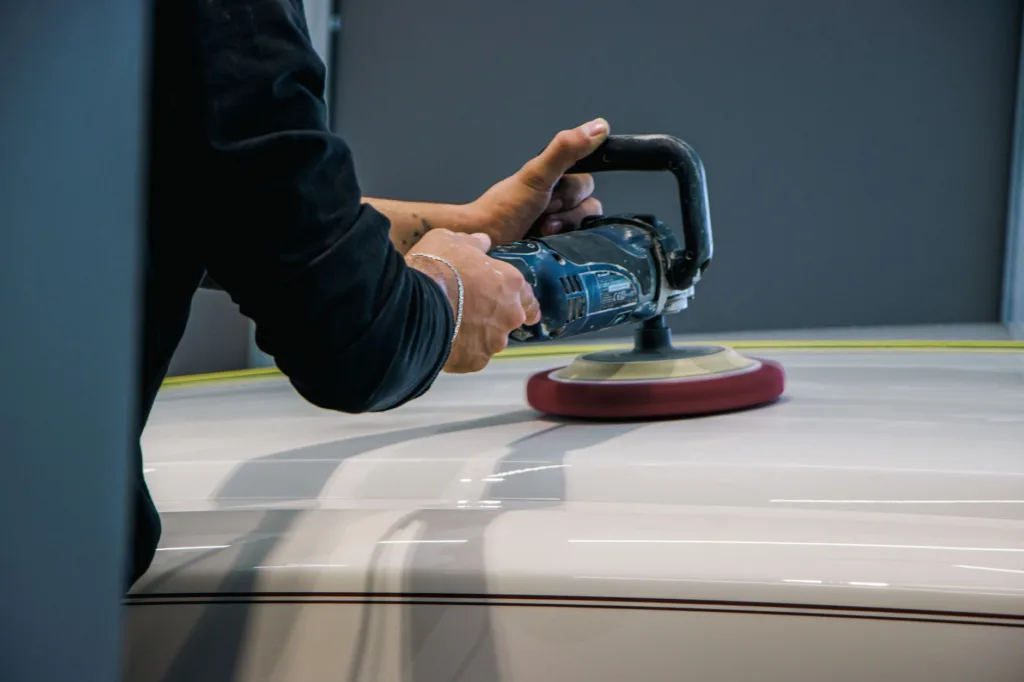
Most modern automotive paint systems have a base coat and a clear coat. Paint correction works mainly on the clear coat layer. A detailer uses a machine polisher, pads, and compounds or polishes to level the clear coat just enough to remove or minimize defects. Because the process removes a very small amount of clear coat, it should be done carefully and only as needed.
This is why the question of how long paint correction lasts does not have a single answer. The corrected finish can remain visible until the surface gets marred again, but the amount of time that takes depends heavily on the owner’s habits and the environment.
How Long Does Paint Correction Last in Real-World Use?
For many vehicles, paint correction can look good for 6 months to several years. That wide range is normal because there is no fixed expiration date for corrected paint. The correction lasts as long as the clear coat remains free of new visible damage or until that damage becomes noticeable again.
Here is a simple way to think about it:
- Short-term results: A vehicle exposed to harsh washing, road salt, tree sap, or frequent parking outdoors may show new defects within months.
- Moderate-term results: A well-maintained daily driver often keeps a good-looking finish for 1 to 2 years.
- Long-term results: A garage-kept vehicle with careful washing and added protection may maintain a corrected look for 2 years or more, sometimes longer on light-use vehicles.
It helps to separate the correction from the protection. Correction improves the paint’s condition at the time of service. Protection helps preserve that result. Without proper protection and maintenance, the corrected finish can degrade faster even if the correction work itself was done well.
What Affects How Long Paint Correction Lasts?
Several factors determine how long the results will stay visible. Some are related to the detailing process, while others depend on how the car is used afterward.
1. Daily Washing Habits
Washing is one of the biggest factors. Improper washing can create new swirl marks very quickly. Using a dirty sponge, one bucket, automatic brush washes, or old towels can scratch the clear coat and undo the visual benefit of paint correction.
Gentle hand washing with clean mitts, quality drying towels, and the two-bucket method can help preserve the finish much longer. Even the best correction will not last if the paint is repeatedly dragged across dirty surfaces.
2. Storage Conditions
Vehicles parked outdoors are exposed to UV rays, dust, pollen, bird droppings, tree sap, rain, and airborne contaminants. These things do not just affect shine. They can also create spotting, staining, and light surface damage that makes the paint look less refined.
Garage storage generally helps preserve correction results. Covered parking is also helpful, although not as protective as a fully enclosed garage. A car that lives outside year-round usually needs more frequent maintenance to keep its finish looking freshly corrected.
3. Type of Protection Applied After Correction
Protection plays a major role in how long the finish looks good. A bare corrected surface has no added barrier against contamination, UV exposure, or washing abrasion. Wax, paint sealants, and ceramic coatings all help extend the visual life of the work.
These products do not stop all damage, but they can reduce how quickly the finish degrades. They also make washing easier, which lowers the chance of creating new swirl marks.
4. Driving Environment
Highway driving, winter road salt, construction dust, gravel roads, and heavy traffic all increase the chances of contamination and surface wear. A vehicle that spends time behind trucks or on rural roads may accumulate more embedded debris and light damage than one used mostly for short local drives.
Even simple commutes can affect longevity if the car is regularly exposed to bird droppings, industrial fallout, or tree pollen. Environmental exposure matters just as much as mileage in many cases.
5. Paint Hardness and Vehicle Color
Not all paint behaves the same way. Some paint systems are softer and show swirls more easily. Others are harder and resist marring better, but may still develop defects if washed poorly.
Dark colors, especially black and deep blue, tend to show imperfections more clearly than silver, white, or light gray. That does not mean the paint is more damaged. It often means the defects are simply easier to see.
6. The Level of Correction Performed
A light one-step correction removes or reduces mild defects and improves gloss, but it may not achieve the same level of refinement as a multi-step correction. A more intensive correction can produce a more dramatic initial result, but that does not automatically mean it will last longer.
What matters most is how much clear coat was refined and whether the finish is protected afterward. A carefully done one-step correction with proper maintenance may look better over time than a heavily corrected finish that was not protected or was washed badly.
Paint Correction Longevity by Protection Type
Different protection methods affect how long the corrected appearance holds up. The table below gives a general comparison.
| Aftercare Type | Typical Visual Longevity | What It Helps With | Limitations |
|---|---|---|---|
| None | Weeks to months | Temporary gloss only | Little resistance to new swirls, contamination, or UV exposure |
| Wax | About 1 to 3 months, sometimes longer | Water beading, gloss, light protection | Shorter durability, frequent reapplication needed |
| Paint sealant | About 4 to 6 months, sometimes more | Improved durability and ease of washing | Still vulnerable to poor washing and heavy environmental exposure |
| Ceramic coating | Often 1 to 5 years depending on product and care | Longer-lasting protection, chemical resistance, easier cleaning | Does not make the car scratch-proof or maintenance-free |
These timeframes are approximate. Real-world results depend on product quality, application quality, climate, and maintenance. A neglected ceramic-coated car can still lose gloss and develop swirls, even if the coating is still technically present.
Can Paint Correction Be Permanent?
No, paint correction is not permanent. The clear coat has been refined, but the surface can still collect new scratches, swirls, water spots, and oxidation over time. Every wash, every dust removal step, and every exposure to the environment introduces some level of risk.
What can be permanent is the amount of clear coat removed during the correction process. That is why paint correction should be done conservatively. Since clear coat is limited, repeated heavy correction can eventually thin the paint too much for safe future polishing.
In other words, the result is temporary, but the surface change from polishing is permanent in the sense that clear coat has been removed. That is why proper technique matters.
How to Make Paint Correction Last Longer
The best way to extend paint correction is to reduce the creation of new defects. That means changing how the car is washed, stored, and maintained.
Use Safe Washing Methods
A careful hand wash is one of the most effective ways to preserve corrected paint. Use clean wash mitts, separate rinse and wash buckets if possible, and microfiber drying towels. Avoid reusing dirty towels on the paint surface.
If a car is very dusty, rinsing thoroughly first can help remove loose grit before contact washing. This reduces the chance of dragging abrasive particles across the clear coat.
Avoid Abrasive Automatic Washes
Automatic brush washes can quickly introduce new swirl marks. Even some touchless washes can cause issues if the chemicals are harsh or if the drying process leaves spotting behind. A single harsh wash may not destroy the corrected finish, but repeated use can shorten its visual lifespan significantly.
If automatic washing is the only practical option, touchless is usually gentler than brush systems, but it still does not replace careful hand washing for preserving a corrected finish.
Apply Some Form of Protection
Wax, sealant, or ceramic coating can help preserve the look of corrected paint. The main benefit is not just shine. Protection reduces bonding of contaminants and can make washing safer and easier.
Even a basic protection layer can help the surface shed dirt more readily, which means less scrubbing is needed during future washes.
Dry the Car Properly
Drying is another common source of marring. Dragging a rough towel across a dusty panel can create new swirls. Use a clean, soft drying towel and light pressure. Some owners also use forced-air drying for hard-to-reach areas or to reduce towel contact.
Drying should be gentle and deliberate. Rushed drying is a common reason corrected paint starts to look tired sooner than expected.
Remove Contaminants Quickly
Bird droppings, bug splatter, tree sap, and road tar should be removed as soon as practical. These contaminants can stain or etch the clear coat if left too long, especially in warm weather or direct sun.
Quick cleanup helps preserve the polished look and reduces the chance of needing another correction sooner than necessary.
Keep the Car Covered When Possible
Parking in a garage or shaded area reduces UV exposure and contamination buildup. A car cover can help in some situations, but it must be clean and properly fitted. A dirty or poorly used cover can trap grit and create scratches.
For most owners, simple covered parking or garage storage is more helpful than using a cover every day unless the cover is managed carefully.
How Often Does Paint Correction Need to Be Repeated?
There is no universal schedule. Some vehicles need another correction after a year or two because new defects become visible. Others may go much longer between corrections if the paint is well protected and maintained.
Many owners do not need full paint correction every year. In some cases, a light polish or maintenance polish may be enough to restore gloss without removing more clear coat than necessary. The right timing depends on how the paint looks, not on a calendar alone.
Here is a useful rule of thumb:
- Correct again only when needed. If the paint still looks good under normal lighting, another full correction may not be necessary.
- Use lighter maintenance first. Sometimes the issue is light oxidation or minor haze, which may be addressed with a less aggressive polish.
- Inspect under proper lighting. Sunlight, LED inspection lights, and shaded conditions can reveal different defects.
Repolishing too often is not ideal because every polishing cycle removes a little clear coat. The goal is to preserve appearance while minimizing unnecessary paint removal.
Signs That Paint Correction Is Wearing Off
Paint correction does not usually fail all at once. The surface slowly becomes less crisp and glossy as new defects accumulate.
Common Signs
- Swirl marks become visible again in sunlight or under bright lights
- The paint looks less sharp and reflective
- Water spots are more noticeable
- The surface feels rough from contamination
- Fine scratches appear after washing or drying
- Oxidation or dullness starts to return on older paint
Some of these signs may indicate new surface damage rather than the old defects returning. For example, if swirls are visible again, they may be brand-new marring from recent washing, not leftovers from before the correction.
Paint Correction vs Paint Protection
People often mix up correction and protection, but they do different jobs. Paint correction fixes visible defects in the surface. Paint protection helps the finish stay cleaner and easier to maintain afterward.
| Category | Paint Correction | Paint Protection |
|---|---|---|
| Main purpose | Remove or reduce defects | Help preserve the corrected finish |
| Effect on appearance | Immediate improvement in gloss and clarity | May improve gloss, but mainly supports durability |
| Longevity role | Creates the base result | Helps extend how long that result stays visible |
| Maintenance impact | Done occasionally | Needs ongoing care and periodic reapplication depending on type |
A common mistake is assuming correction alone will keep the car looking perfect. Without good protection and maintenance, the corrected finish can fade much faster. On the other hand, protection without correction will not remove swirl marks that are already there.
How Different Use Cases Affect Longevity
The way a vehicle is used often explains why paint correction lasts longer on some cars than others.
Weekend Car or Garage Queen
A car that is driven infrequently, stored indoors, and washed gently can hold its corrected finish for a long time. There is simply less environmental exposure and less washing-related abrasion.
Daily Driver
A daily driver usually sees more contamination, more weather exposure, and more frequent washing. Even with good care, the paint will likely pick up new wear sooner than a show car. This does not mean correction was ineffective. It just means the car is living a harder life.
Work Vehicle or Long Commute Car
Vehicles that travel long distances, sit in harsh sun, or are exposed to job-site dust and debris may need maintenance sooner. A corrected finish can still be worthwhile, but owners should expect a shorter period before some imperfections return.
Family Vehicle
Family vehicles often suffer from quick washes, limited time, and heavy use. Kids, shopping carts, parking lots, and rushed cleaning can all contribute to faster wear. The key is not perfection. It is preserving the finish as well as practical.
Common Mistakes That Shorten Paint Correction Results
Some mistakes can undo the visual benefit of correction quickly. Avoiding them can make a major difference in how long the finish looks refined.
- Using dirty wash tools: Contaminated mitts and towels grind grit into the paint.
- Washing in direct sun on a hot panel: This can cause spotting and make drying more difficult.
- Skipping protection after correction: The surface is more vulnerable without a barrier layer.
- Using one towel for the whole car: A loaded towel can start scratching as it picks up dirt.
- Drying with heavy pressure: Aggressive drying creates marring.
- Letting contaminants sit too long: Bird droppings and sap can etch the clear coat.
- Polishing too often: Repeated heavy correction can reduce clear coat life.
Most of these problems are avoidable with simple habits. Good maintenance often matters more than the original correction level.
Typical Cost Considerations and Value
Paint correction can range widely in cost depending on vehicle size, paint condition, and whether it is a one-step enhancement or a more involved multi-step process. Because prices vary so much by region and shop, it is better to think in terms of value and expectations rather than a fixed number.
A more involved correction may produce a better immediate result, but it does not automatically guarantee longer-lasting gloss. If the vehicle is washed poorly afterward, even a high-quality correction can lose its appearance quickly. On the other hand, a modest correction paired with careful upkeep may deliver more lasting satisfaction for a typical daily driver.
The best value often comes from matching the level of correction to the car’s actual condition and the owner’s maintenance habits. If the vehicle is not going to be stored or washed carefully, a less aggressive approach may make more sense.
How to Tell If Your Car Needs Paint Correction Again
If you are unsure whether the finish needs another round of correction, look at the paint in strong sunlight or under inspection lighting. If the defects are noticeable from normal viewing distance, the finish may benefit from another polishing cycle. If the flaws are only visible at very close range under direct light, maintenance protection and careful washing may be enough for now.
Ask these questions:
- Does the paint still look glossy from a few feet away?
- Are swirls obvious in sunlight?
- Has the finish become dull or hazy?
- Are water spots or oxidation affecting the look?
- Have washing marks become more visible than before?
If the answer to several of these is yes, it may be time to evaluate the paint again. If not, preserve the current finish with careful maintenance instead of correcting too soon.
Frequently Asked Questions
How long does paint correction last on a daily driver?
Often about 6 months to 2 years, depending on wash habits, storage, weather exposure, and whether the paint is protected afterward.
Does ceramic coating make paint correction last longer?
It can help the finish stay cleaner and reduce maintenance-related marring, but it does not make the car scratch-proof or permanently corrected.
Can paint correction be washed off?
No. Paint correction changes the clear coat by polishing it. What can happen is that new swirls, scratches, or contamination make the finish look less refined over time.
How often should you do paint correction?
Only when needed. Many cars do not need a full correction every year. The right timing depends on how the paint looks and how much clear coat remains safe to work with.
Will paint correction remove all scratches?
Not always. It can reduce many light scratches and swirl marks, but deep scratches that go through the clear coat often cannot be fully removed safely by polishing alone.
Is paint correction worth it if I park outside?
Yes, it can still be worthwhile. You may just need to maintain the finish more carefully and expect shorter longevity than a garage-kept vehicle.
Does wax help paint correction last?
Yes, wax adds a temporary protective layer that can help slow contamination and make washing easier. It will not last as long as some other protection options, but it can still be helpful.
Conclusion
Paint correction does not have a fixed lifespan. It can last from a few months to several years depending on how the car is cared for after the work is done. The biggest factors are washing technique, storage conditions, environmental exposure, and whether the paint is protected.
In simple terms, paint correction creates the improved look, but maintenance determines how long that look stays visible. Safe washing, prompt contaminant removal, and regular protection go a long way toward preserving the finish. If the car is treated gently, the results can stay attractive for a long time. If it is washed aggressively and exposed to harsh conditions, new defects will appear much sooner.