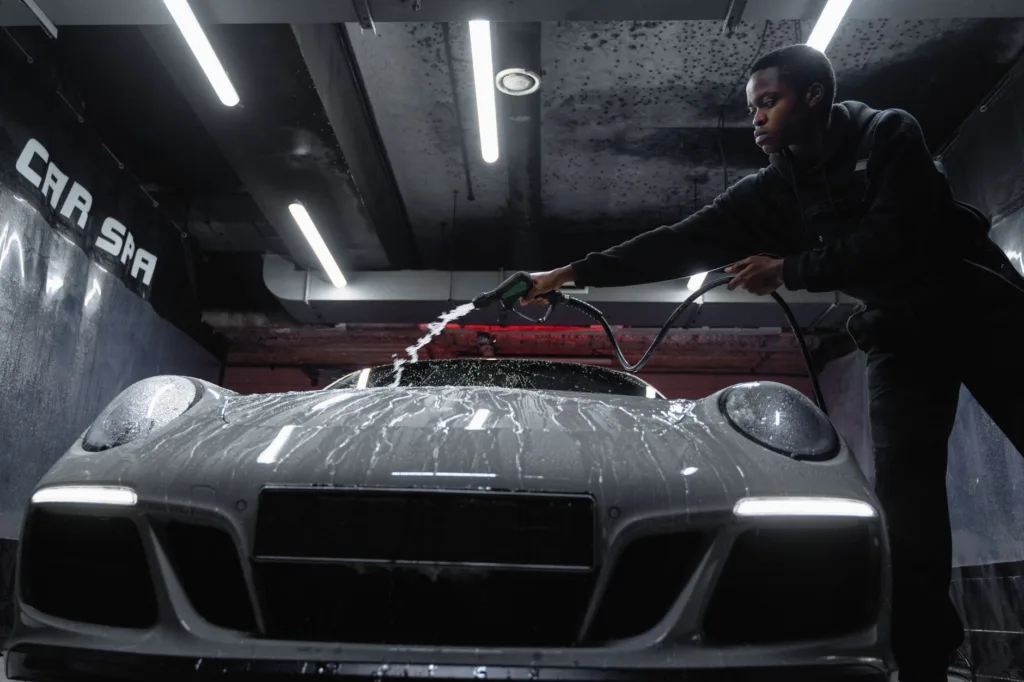
Auto detailing is worth it when you want your car to look cleaner, feel better to drive, and stay in better condition over time. For many owners, detailing is not a luxury, it is a practical form of maintenance that goes beyond a basic wash. That said, it is not always necessary at the same frequency for every vehicle, and the value depends on your car’s age, how you use it, your budget, and how much appearance matters to you.
In simple terms, auto detailing is worth it if you care about preserving the interior and exterior, removing buildup that regular washing misses, and protecting surfaces from wear. It may be less worthwhile if you drive an older work vehicle, rarely care about appearance, or need to keep costs as low as possible. The real question is not just whether detailing is “good,” but whether it offers enough benefit for your situation.
What Auto Detailing Actually Includes
Auto detailing is more thorough than a standard car wash. A basic wash removes loose dirt from the body, while detailing focuses on cleaning, restoring, and protecting both visible and hidden surfaces. Depending on the service or how much you do yourself, it can include exterior paint correction, wheel and tire cleaning, interior vacuuming, upholstery treatment, carpet extraction, glass cleaning, trim care, and protective products such as wax or sealant.
Some detailing jobs are simple maintenance cleanups. Others are deep restorative services for heavily used or neglected vehicles. Because the term can mean different things to different shops, it helps to understand the scope before deciding whether it is worth paying for.
Common Detailing Services
- Exterior wash and decontamination to remove road film, tar, brake dust, and bonded contaminants.
- Paint polishing to reduce swirl marks, light scratches, and oxidation.
- Waxing or sealing to add protection and improve water beading.
- Wheel and tire cleaning to remove brake dust and grime.
- Interior vacuuming for carpets, seats, mats, and crevices.
- Shampooing or extraction for fabric seats and carpets.
- Leather cleaning and conditioning to reduce drying and cracking.
- Glass and trim cleaning for better visibility and a cleaner finish.
So, Is Auto Detailing Worth It?
Yes, auto detailing is often worth it if you want your vehicle to look better, age more slowly, and retain more appeal over time. It can improve comfort, remove odors, and address buildup that regular washing leaves behind. For daily drivers, detailing can also make routine use more pleasant by keeping the cabin cleaner and easier to maintain.
It is especially worthwhile when the car is relatively new, financed, leased, or something you plan to keep for years. Keeping the interior and paint in good condition can help reduce visible wear and make the car easier to sell later. However, if you drive a low-value vehicle with little concern for resale or cosmetics, the return may be more limited.
Where Detailing Delivers the Most Value
- Newer cars where you want to preserve condition from the start.
- Lease vehicles where damage, stains, and wear may affect end-of-lease charges.
- Daily drivers exposed to dirt, salt, pollen, road grime, and heavy interior use.
- Family vehicles that collect spills, crumbs, pet hair, and odor.
- Collector or enthusiast cars where appearance and preservation matter more.
- Resale preparation when presentation can improve buyer interest.
What Detailing Can Improve
Detailing is not magic, but it can make a noticeable difference in several areas. The biggest improvements usually show up in appearance, cleanliness, comfort, and long-term maintenance.
1. Appearance
A detailed vehicle usually looks more polished and cared for than one that has only been washed. Paint can appear glossier, wheels cleaner, and trim more uniform. Interior surfaces tend to look fresher and less worn when dust, stains, and film are removed.
For many owners, this is the main reason detailing feels worthwhile. Even if the car is not “perfect,” it often looks significantly better than it did before.
2. Interior Comfort
A clean cabin is easier to enjoy every day. Removing crumbs, dust, pet hair, and odor can make a vehicle feel newer and more pleasant. This matters more than people often expect, especially if you spend a lot of time commuting or driving family members.
3. Protection Against Wear
Detailing can help slow visible wear on surfaces. For example, regular cleaning and conditioning can reduce the chance of leather drying out, and exterior protection can help paint stay cleaner for longer. While detailing does not prevent all damage, it can reduce buildup and make future cleaning easier.
4. Resale Presentation
Buyers notice cleanliness quickly. A car with a clean interior, fresh-looking trim, and glossy paint often creates a better first impression than a neglected one. That does not guarantee a higher sale price, but it can improve perceived value and may make the car easier to sell.
When Auto Detailing May Not Be Worth It
Detailing is not always the best use of money. If the car has very low value, significant body damage, or mechanical issues that matter more than appearance, a full detail may not change much about its practical usefulness.
It may also be hard to justify frequent professional detailing if you are trying to minimize ownership costs. In that case, a basic wash routine and some simple interior upkeep may give you most of the benefit at much lower cost.
Situations Where Detailing Offers Less Return
- Older high-mileage cars with limited resale value.
- Work vehicles that are expected to get dirty again quickly.
- Cars with severe paint damage that would need major correction.
- Vehicles with mechanical problems where repair money matters more.
- Owners who do not care about appearance and mainly need basic functionality.
Detailing vs Regular Car Washing
A car wash and a detail serve different purposes. A wash is for routine dirt removal. Detailing is for deeper cleaning, restoration, and protection. Many people assume detailing is just an expensive wash, but the service often targets areas and contaminants that a normal wash does not address.
| Category | Regular Car Wash | Auto Detailing |
|---|---|---|
| Purpose | Remove surface dirt and grime | Deep clean, restore, and protect surfaces |
| Time | Usually quick | Can take hours |
| Exterior focus | Yes, mostly surface cleaning | Yes, plus decontamination and sometimes polishing |
| Interior focus | Minimal or none | Often extensive |
| Protection | Limited | Often includes wax, sealant, or interior protection |
| Cost | Low | Moderate to high |
If your car only needs routine upkeep, a wash may be enough. If you want to correct buildup, improve presentation, or maintain surfaces more thoroughly, detailing offers more value.
How Much Does Auto Detailing Cost?
Pricing varies widely by location, vehicle size, and service level. A basic interior and exterior detail may be relatively affordable, while more advanced work such as paint correction or deep stain removal can cost much more. Larger vehicles usually cost more because they take longer to clean.
Rather than focusing on a single number, it helps to think about cost in terms of scope. A quick maintenance detail and a full restorative detail are not the same service, so their prices should not be compared as if they are.
| Detailing Type | Typical Scope | General Cost Expectation |
|---|---|---|
| Basic detail | Wash, vacuum, wipe-down, light interior cleaning | Lower cost |
| Full detail | Thorough interior cleaning, exterior cleaning, trim care, protection | Moderate cost |
| Paint correction detail | Polishing to remove swirls and minor defects | Higher cost |
| Deep interior restoration | Stain removal, odor treatment, extraction, heavy cleaning | Higher cost |
The more neglected the car, the more labor is usually required. A lightly used garage-kept sedan and a muddy family SUV will not cost the same to detail.
Is Professional Detailing Better Than Doing It Yourself?
Not always. Professional detailing can save time, provide more consistent results, and handle correction work that requires skill or special tools. But do-it-yourself detailing can be highly worthwhile if you want to save money and are willing to learn proper techniques.
The best choice depends on your goals. If you mainly want routine cleanliness, a careful DIY approach may be enough. If you want paint refinement, stain extraction, or a deeper restoration, a professional may be the better option.
Professional Detailing Pros and Cons
| Pros | Cons |
|---|---|
| More thorough results | Higher cost |
| Saves time | Quality varies by shop |
| Can address paint defects and deep stains | Scheduling may be inconvenient |
| Useful for restoration or resale prep | Not always necessary for routine upkeep |
DIY Detailing Pros and Cons
| Pros | Cons |
|---|---|
| Lower cost over time | More time and effort required |
| Good for routine maintenance | Learning curve for proper technique |
| Lets you clean on your own schedule | Higher chance of mistakes if rushed |
| Useful for owners who enjoy car care | May not match professional paint correction |
What Makes Detailing Worth the Money?
Detailing becomes more worthwhile when the results match your goals. If you are paying for a service but only getting a superficial clean, the value may be limited. If the service materially improves the car’s condition or helps prevent future wear, it is easier to justify.
Good Signs That Detailing Is Worth It
- Your car has visible buildup, stains, or odors that regular washing does not fix.
- You want to preserve a newer car for the long term.
- You are preparing the car for sale or return from a lease.
- You spend a lot of time in the vehicle and want a cleaner cabin.
- You care about finish quality and presentation.
- You have neglected the car and want to reset its condition.
Signs That It May Not Be Worth It
- The car is already worn out and has little market value.
- You only need routine dirt removal.
- You are expecting detailing to fix paint damage or mechanical issues.
- The service quote is high, but the results would be cosmetic only.
- You do not plan to keep the car long enough to benefit from preservation.
Common Mistakes People Make When Deciding About Detailing
One common mistake is assuming all detailing is the same. A basic wash and vacuum is not the same as a full interior restoration or paint correction, and comparing prices without comparing scope can lead to disappointment.
Another mistake is expecting detailing to solve problems it cannot solve. It can improve appearance, but it will not repair sun-faded paint, fix torn upholstery, or remove damage that has permanently altered a surface.
Other Frequent Mistakes
- Ignoring maintenance after the detail. A clean car will not stay clean forever without upkeep.
- Choosing only by price. The cheapest option may skip important steps.
- Overdoing aggressive correction. Too much polishing can remove clear coat unnecessarily.
- Using harsh interior cleaners incorrectly. Some products can leave residue or damage sensitive surfaces.
- Detailing too rarely. Waiting until buildup is severe makes each service harder and more expensive.
How Often Should You Detail Your Car?
There is no single correct schedule. The right frequency depends on usage, weather, parking conditions, and how clean you want the vehicle to be. A car that lives outdoors and sees heavy commuting may need attention far more often than a weekend car stored in a garage.
For many drivers, a light maintenance detail a few times per year, plus regular washing and interior care, is enough. Full restorative detailing is usually needed less often than maintenance cleaning.
| Use Pattern | Suggested Detailing Approach |
|---|---|
| Garage-kept, lightly used vehicle | Periodic maintenance detail and routine washing |
| Daily driver in harsh weather | More frequent wash cycles and occasional full detail |
| Family vehicle with heavy interior use | Interior-focused cleaning more often |
| Car for resale or lease return | Detail shortly before sale or inspection |
| Collector or enthusiast car | Gentle, regular maintenance and careful seasonal detailing |
When Detailing Helps Resale Value
Detailing can improve how a car presents to buyers, which may help it stand out in a crowded market. Clean seats, fresh carpets, clear glass, and glossy paint all make a vehicle easier to inspect and more pleasant to test drive. Buyers often associate cleanliness with better care overall.
That said, detailing does not automatically add large amounts of value. It is better understood as a way to support pricing and reduce objections than as a guaranteed profit center. A detailed car may sell faster or look more desirable, but major mechanical, body, or title issues still matter more than appearance.
Can Auto Detailing Prevent Damage?
Detailing can help reduce the buildup that contributes to wear, but it is not a shield against all damage. Regular cleaning removes corrosive contaminants like road salt, brake dust, and bird droppings more quickly, which can help preserve surfaces. Interior detailing can also remove abrasive grit that slowly wears upholstery and trim.
However, it cannot eliminate the effects of UV exposure, stone chips, deep scratches, or poorly maintained paint. Think of detailing as maintenance and preservation, not invincibility.
Practical Ways to Get More Value From Detailing
If you want detailing to be worth the money, focus on the services that address your car’s actual condition. A vehicle with mostly clean paint but a dirty cabin may benefit more from an interior deep clean than from exterior polishing. Similarly, a car with dull paint but a clean interior may need exterior correction more than a full cabin restoration.
How to Maximize Value
- Start with a maintenance routine. Regular washing and vacuuming reduce the need for heavy restoration.
- Protect high-wear areas. Floor mats, seat covers, and trunk liners can reduce future cleaning time.
- Address stains and spills quickly. Fresh contamination is easier to remove than old buildup.
- Ask what is included. Know whether the service covers stains, pet hair, trim, or protective products.
- Match the detail to the car’s condition. Do not pay for correction you do not need.
Who Benefits Most From Auto Detailing?
Detailing is most worthwhile for owners who value cleanliness, comfort, and long-term appearance. It is especially useful for people who drive newer cars, lease their vehicles, or want to protect their investment over time. Families, commuters, rideshare drivers, and enthusiasts often see the clearest day-to-day benefits because their vehicles see regular use and accumulate dirt quickly.
On the other hand, drivers who only need transportation and have little interest in appearance may not see the same return. In that case, simple maintenance may be enough.
FAQ
Is auto detailing worth it on an older car?
It can be, especially if the car still has value or you want it to feel cleaner and more enjoyable. If the car is heavily worn and worth very little, the benefit is usually more cosmetic than financial.
Does detailing improve resale value?
It can improve presentation and help a car sell more easily, but it usually does not create large value gains on its own. Think of it as helping the car look its best, not as a way to fix deeper value problems.
How often should a car be detailed?
It depends on use, weather, and how clean you want it to stay. Many drivers do a maintenance detail a few times a year and more frequent basic cleaning in between.
Is professional detailing better than DIY?
Professional detailing is usually more thorough and time-efficient, especially for paint correction or deep interior cleaning. DIY detailing can still be worthwhile if you mainly want routine maintenance and want to save money.
What is the difference between a detail and a car wash?
A car wash removes surface dirt. A detail goes deeper, often including interior cleaning, stain removal, decontamination, polishing, and protection.
Can detailing remove scratches?
It can reduce the appearance of light swirls and minor clear coat marks through polishing. Deep scratches that go beyond the surface usually cannot be removed by detailing alone.
Is full detailing worth it before selling a car?
Often, yes. A clean and well-presented car can make a better impression on buyers and may reduce negotiation pressure caused by visible dirt or neglected interior surfaces.
Conclusion
Auto detailing is worth it when you want more than a basic clean. It can improve appearance, comfort, and long-term maintenance, and it often makes the most sense for newer cars, daily drivers, lease vehicles, and cars you plan to keep or sell in good condition. The value is highest when the service matches the car’s actual needs.
It is less worthwhile when the vehicle has little value, when you only need routine cleaning, or when the cost outweighs the benefit you will personally get from it. In the end, detailing is best viewed as a practical maintenance decision, not a universal must-do service.