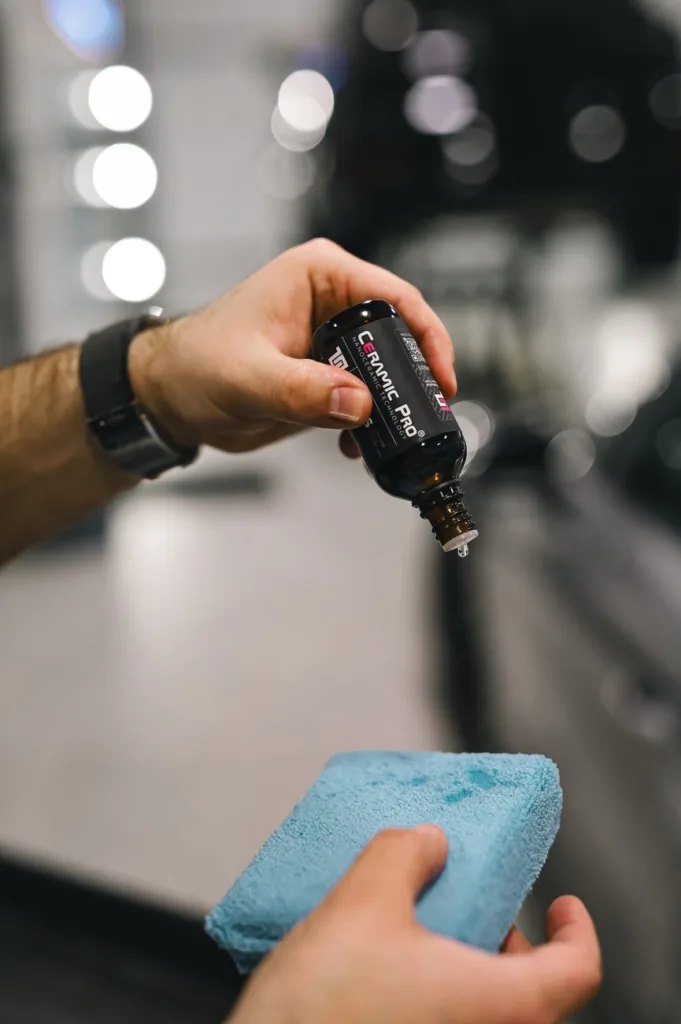
A ceramic coated car usually does not need traditional wax, and in many cases waxing is unnecessary. Ceramic coating is already designed to provide protection, slickness, and easier cleaning, so adding wax is rarely required for performance. That said, some people still choose to wax a ceramic coated car for a short-term boost in gloss or to add a sacrificial layer on top of the coating, but the benefits are usually modest and temporary.
The real question is not whether you can wax a ceramic coated car. In most cases, you can. The better question is whether it is worth doing, what kind of wax you would use, and whether it might interfere with the coating’s surface behavior. In general, a ceramic coating performs best when it is kept clean and maintained with coating-safe products rather than covered with heavy layers of traditional wax.
What a Ceramic Coating Actually Does
Ceramic coating is a liquid polymer product that bonds to the vehicle’s clear coat after proper prep and curing. Once applied correctly, it creates a durable protective layer that helps repel water, resists contamination, and makes washing easier. It does not make a vehicle invincible, but it usually lasts much longer than wax.
Most ceramic coatings are valued for three main reasons:
- Hydrophobic behavior, which helps water bead and sheet off the paint.
- Improved chemical resistance, which helps the surface better handle road grime and environmental fallout.
- Longer-lasting protection, compared with traditional car wax.
Wax and ceramic coating are not the same type of protection. Wax sits on the surface and gradually wears away. Ceramic coating bonds more permanently and is meant to be the primary protectant. Because of that, wax is not usually considered necessary maintenance for coated paint.
Should You Wax a Ceramic Coated Car?
Usually, no. If your ceramic coating is healthy and properly maintained, waxing is generally redundant. The coating already gives you the gloss and water behavior most people are trying to achieve with wax. In some cases, applying wax can even reduce the coating’s natural slickness or alter how water behaves on the surface.
There are still situations where waxing may make sense. For example, if you want a slightly warmer gloss for a car show, or if you are using a coating-compatible spray wax as a quick booster between washes, a light layer can be acceptable. But for everyday use, a ceramic coated car typically does better with routine washing and a maintenance product made for coated surfaces.
If your goal is to preserve the coating and keep the paint looking clean, the most practical answer is this: you do not need to wax a ceramic coated car, and most owners are better off skipping it.
Wax vs Ceramic Coating: What Is the Difference?
Understanding the difference makes it easier to decide whether waxing adds anything useful. The two products protect paint in different ways and at very different time scales.
| Feature | Wax | Ceramic Coating |
|---|---|---|
| How it works | Sits on top of the paint as a temporary sacrificial layer | Bonds to the clear coat and forms a more durable protective layer |
| Durability | Usually weeks to a few months, depending on conditions | Often months to years, depending on product quality and maintenance |
| Gloss | Can add warmth and shine | Typically gives a crisp, glossy, reflective finish |
| Water behavior | Provides beading, but it fades faster | Provides stronger, longer-lasting hydrophobic behavior |
| Maintenance | Needs frequent reapplication | Needs careful washing and periodic maintenance |
| Main purpose | Short-term appearance and light protection | Longer-term surface protection and easier cleaning |
Because ceramic coating already covers the same basic goals as wax, waxing on top of it is usually more about personal preference than technical necessity.
When Waxing a Ceramic Coated Car Might Make Sense
There are a few situations where waxing a ceramic coated car may still be reasonable. These cases are the exception, not the rule.
1. You Want a Different Look
Some owners like the warmer, softer gloss that certain waxes can produce. Ceramic coatings tend to create a cleaner, sharper reflection, while wax can give paint a slightly richer appearance. On darker colors, some drivers prefer the visual character wax adds.
This is subjective. The coating is not “better” in an artistic sense, just different. If you are chasing a specific show-car look for a weekend event, a wax topper may be acceptable.
2. You Are Using a Coating-Safe Spray Wax
Not all waxes are the same. Some spray waxes or sealant-style toppers are designed to work with ceramic-coated surfaces. These products are often used as maintenance aids after washing, not as a replacement for the coating.
In this context, the word “wax” can be a little misleading. Many of these products are really polymer toppers or quick detail sprays that add shine and temporary slickness. They may be fine on a coated vehicle if the label says they are coating-safe.
3. You Are Adding Temporary Sacrificial Protection
A layer of wax can wear away before the coating does, which means it may absorb some environmental exposure. This can be useful if you drive in harsh conditions, such as road salt, heavy bug impact, or frequent rain.
Still, a ceramic coating already serves as the main sacrificial layer. Wax can add a little extra, but it does not transform the car into a much more protected vehicle.
4. Your Coating Is Aging
As ceramic coating ages, water behavior and surface slickness can decline. In some cases, people think the coating has failed when it really just needs a deep clean or a maintenance topper. A wax or coating booster may temporarily improve appearance, but it is not a substitute for proper maintenance or reapplication when the coating has reached the end of its life.
When You Should Probably Not Wax a Ceramic Coated Car
Most ceramic coated cars do not need wax, especially if the coating is still performing well. In several common situations, waxing adds little value and can create unnecessary work.
If You Want the Coating to Perform as Designed
Ceramic coatings are supposed to make the surface easy to clean and maintain. Adding a traditional wax layer can change the coating’s behavior, which may make it harder to tell whether the coating itself is still working properly. If you are trying to evaluate the coating, keep the maintenance routine simple.
If You Prefer Low-Maintenance Car Care
One major advantage of coating is reduced upkeep. Instead of waxing every few weeks or months, you can usually wash the car properly and use a maintenance spray when needed. Waxing brings back a more traditional detailing cycle, which many owners specifically tried to avoid when they chose a coating.
If the Wax Is Not Compatible
Some traditional waxes may not bond well to a coated surface, especially if the coating is very slick or if the wax is applied too heavily. In those cases, the wax may not last long or may leave uneven residue. Always check whether the product is intended for coated paint if you decide to use one.
Comparison: Waxing vs Using a Coating Maintenance Spray
For many coated cars, a coating maintenance spray is the more practical choice. These products are designed to refresh the coating’s water behavior and slickness without adding a heavy layer of old-school wax.
| Aspect | Traditional Wax | Coating Maintenance Spray |
|---|---|---|
| Purpose | Temporary gloss and protection | Maintain coating performance and appearance |
| Ease of use | Usually more labor-intensive | Usually faster to apply |
| Compatibility | May vary by coating type | Usually designed for coated surfaces |
| Durability | Short-term | Short-term to moderate, depending on product |
| Best use case | Appearance preference or temporary topper | Routine maintenance after washing |
If you are trying to care for a coated vehicle in the simplest, most effective way, maintenance sprays usually make more sense than waxing. They are more aligned with the purpose of the coating.
Will Wax Hurt a Ceramic Coating?
In most cases, a properly chosen wax will not permanently damage a ceramic coating. The main issue is usually not harm, but redundancy and maintenance complexity. However, there are a few ways waxing can create problems.
Heavy Application Can Leave Residue
If wax is applied too thickly, it can leave streaking or residue on textured trim, around emblems, or in panel gaps. That is annoying on any car, but it can be especially frustrating on a coated vehicle because you may expect the surface to be easier to maintain.
Some Products Can Mask Coating Behavior
A wax topper may temporarily improve water beading, which can make a coating look stronger than it really is. That can hide the fact that the coating is dirty, contaminated, or starting to lose performance. If you rely on visual behavior to monitor the coating, wax can make diagnosis less clear.
Improper Prep Can Cause Uneven Results
If the vehicle is not cleaned properly before waxing, the wax may lock in dirt or contamination. That does not necessarily ruin the coating, but it reduces the value of both products. A coated car should still be washed carefully before any topper is applied.
What Type of Product Works Best on a Ceramic Coated Car?
If you decide to add something on top of your ceramic coating, choose the product based on your goal. A traditional paste wax is usually not the first choice unless you specifically want a different finish or are following a custom detailing routine.
Traditional Car Wax
Traditional wax can provide a warm look and some short-term water repellency. It may be acceptable if you are experimenting or want a particular aesthetic result. The downside is that it usually requires more effort, does not last long, and is not specifically designed to support ceramic coating maintenance.
Spray Wax or Sealant-Style Topper
These products are often easier to apply and remove. Some are marketed in ways that make them sound like wax, even though they behave more like a quick sealant. They can be useful for adding gloss after a wash, but the coating should still be the main source of protection.
Coating Booster or Maintenance Spray
This is usually the most logical option for a coated car. These products are made to reinforce the coating’s slickness and hydrophobic properties without interfering too much with its surface behavior. They are often the best fit for owners who want easy upkeep.
How to Maintain a Ceramic Coated Car Without Waxing
For most owners, the better routine is not waxing at all. Instead, keep the coating in good shape with proper washing and periodic maintenance.
1. Wash Regularly
Wash the car before contamination becomes heavy. A ceramic coating makes dirt easier to remove, but it does not stop dirt from landing on the car. Regular washing helps preserve gloss and prevents buildup from dulling the surface.
2. Use the Right Wash Method
A two-bucket wash, rinse method, or foam pre-wash can reduce scratching during cleaning. The coating is durable, but the clear coat underneath can still be marred by poor washing habits. Gentle maintenance is still important.
3. Avoid Harsh Chemicals Unless Necessary
Strong degreasers and aggressive cleaners can strip away maintenance layers and may shorten the useful life of the coating’s surface performance. Use stronger chemicals only when needed, such as for road film or stubborn contamination, and follow product directions carefully.
4. Use a Coating-Safe Drying Method
Dry with a clean microfiber drying towel or a blower if appropriate. Drying technique matters because water spots can still form on ceramic coatings if the vehicle is left to air dry in hard-water conditions or direct sun.
5. Refresh the Surface Periodically
If the coating starts to feel less slick or water does not behave as strongly, a coating maintenance product may help. This is usually more effective than reaching for wax first. If performance keeps dropping, the coating may need a deeper decontamination or eventual reapplication.
Common Mistakes When Waxing a Ceramic Coated Car
People often wax coated cars for the wrong reasons or in the wrong way. These are the most common mistakes.
Using Wax Because the Coating “Looks Dull”
If the coating appears dull, the problem may not be the lack of wax. The paint may be dirty, contaminated, or covered in mineral deposits. In that case, waxing is treating the symptom instead of the cause.
Applying Wax on Top of Dirty Paint
Waxing without washing first can trap grime and reduce the effectiveness of both the coating and the topper. Always clean the vehicle first, and if needed, decontaminate the paint before adding anything new.
Expecting Wax to Restore a Worn-Out Coating
Wax can temporarily improve appearance, but it does not rebuild a worn coating. If the coating is truly failing, the fix is usually proper correction, prep, and reapplication, not another layer of wax.
Assuming More Layers Mean More Protection
More product is not always better. A thick layer of wax on a ceramic coated car does not necessarily create significantly better protection. It may simply create more residue and more maintenance work.
How to Tell Whether Your Ceramic Coating Still Needs Help
Sometimes people think they need wax when they actually need cleaning or maintenance. Here are a few signs that point to a maintenance issue rather than a wax issue.
- Water no longer beads or sheets consistently.
- The surface feels rough or contaminated.
- Gloss looks muted even after a proper wash.
- Mineral spots or film remain after drying.
- The car collects road grime more quickly than before.
These symptoms can happen for different reasons. A dirty coating can often be revived with washing, decontamination, and a maintenance spray. If the coating is old or heavily worn, cosmetic improvement from wax may be temporary at best.
Typical Cost Considerations
Cost matters because one reason people choose ceramic coating is to reduce ongoing detailing work. Waxing can add time and material expense without delivering much extra value.
In general, the cost of waxing a ceramic coated car is less about the product and more about the labor. If you do it yourself, the material cost may be modest. If you pay for detailing, you are paying for a service that may not offer much benefit over a coating-safe maintenance wash and topper.
For many owners, the smarter long-term approach is to budget for periodic coating maintenance or eventual coating refresh rather than frequent waxing.
Real-World Examples
Daily Driver in a City
A commuter car parked outside in mixed weather usually benefits most from regular washing and a coating-safe maintenance spray. Wax would be optional, and in many cases unnecessary. The owner is better served by keeping the coating clean and intact.
Garage-Kept Weekend Car
A garage-kept car that only sees occasional use may be a candidate for a wax topper if the owner prefers a certain finish for shows or weekend drives. Even then, the decision is cosmetic, not essential.
Winter-Driven Vehicle
A car exposed to road salt and slush needs frequent washing more than it needs wax. The ceramic coating already helps with resistance and cleaning. A compatible topper can be useful, but it should not replace routine underbody and paint care.
Can You Wax a Ceramic Coated Car Yourself?
Yes, you can, but the process should still be careful and deliberate. Start with a clean surface. If the car is dirty, the topper will only sit on top of contaminants.
If you choose to wax it yourself, use a very light application and buff gently. Work in shade if possible, and follow the product instructions closely. Avoid overapplying. The goal is a thin, even layer, not a heavy coat.
That said, if your main goal is to preserve the coating, a ceramic-safe maintenance spray is often simpler and more effective than wax.
What Most Owners Should Do
For most ceramic coated cars, the answer is straightforward: do not wax unless you have a specific reason. The coating already provides the protection and appearance benefits most people want. Routine washing, gentle drying, and occasional maintenance products are usually the better path.
If you enjoy detailing and want to experiment with appearance, a wax topper can be used carefully in some cases. Just do not expect it to significantly improve the coating’s core performance. It is an optional cosmetic step, not a necessary part of ceramic coating care.
FAQ
Does ceramic coating replace wax?
Yes, for most practical purposes. Ceramic coating is designed to provide longer-lasting protection and easier maintenance than wax.
Can you put wax on top of ceramic coating?
Usually yes, but it is often unnecessary. If you do, keep the layer thin and make sure the product is compatible with coated paint.
Will wax make a ceramic coated car shinier?
Sometimes it can change the look slightly, often by adding a warmer gloss. But many ceramic coatings already look very glossy on their own.
Does waxing ruin ceramic coating?
It typically does not ruin it, but it can reduce the coating’s clean, direct behavior and may make maintenance more complicated.
What should I use instead of wax on a ceramic coated car?
A coating-safe maintenance spray or booster is usually a better choice. These products are made to support the coating rather than replace it.
How often should a ceramic coated car be maintained?
Wash it regularly and use maintenance products only as needed. The exact interval depends on weather, mileage, storage, and how the car is used.
Can I wax my ceramic coated car if it is older?
Yes, but if the coating is aging, waxing is more of a temporary cosmetic fix than a long-term solution. A deeper clean or reapplication may be more effective.
Conclusion
You usually do not need to wax a ceramic coated car. Ceramic coating already provides the protection, gloss, and water repellency that most drivers are after. Wax can be used in some cases, but it is usually optional and short-lived, not essential maintenance.
If you want the simplest and most effective routine, focus on regular washing, careful drying, and coating-safe maintenance products. Save wax for situations where you specifically want a temporary appearance change or a traditional detailing approach. For most coated vehicles, less is more.