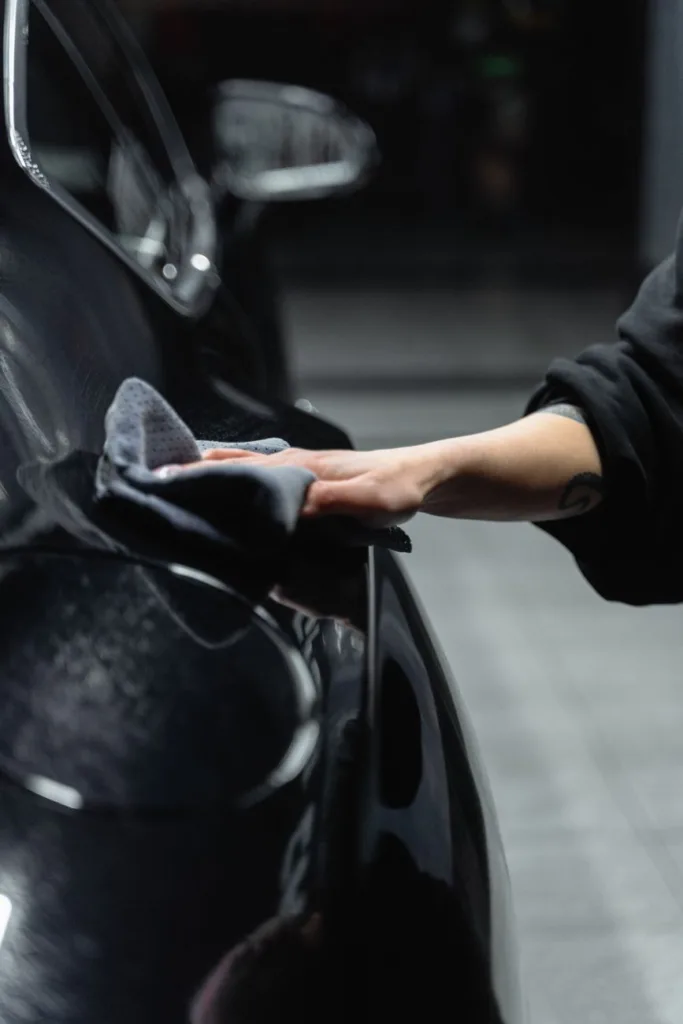
Microfiber towels are used for cars because they are soft, absorbent, and much less likely to scratch paint than older cotton towels or paper products. They help remove water, wax, polish, dust, and cleaning residue without dragging gritty particles across delicate surfaces. In practical terms, microfiber gives you more cleaning power with less risk of damage, which is why it has become a standard tool in car care and detailing.
That said, microfiber is not magic. It works well because of its fiber structure, but it still has to be used correctly, washed properly, and matched to the task. A good microfiber towel can help protect paint, glass, trim, and interiors, while a dirty or low-quality towel can still leave swirls, lint, or streaks.
What Makes Microfiber Different from Regular Towels?
Microfiber is made from extremely fine synthetic fibers, usually a blend of polyester and polyamide. These fibers are much thinner than human hair, and that small size is what gives microfiber its useful cleaning properties. The fibers create a larger surface area and many tiny edges that can grab dirt, dust, and moisture more effectively than traditional fabrics.
Regular cotton towels tend to push dirt around more than capture it. Paper towels are even rougher in comparison and can shed bits of paper or leave streaks. Microfiber, when clean and properly made, is designed to lift contaminants into the towel instead of grinding them against the surface.
How microfiber works on car surfaces
On paint, microfiber can trap small particles and pick up residue from wax, polish, or detail sprays. On glass, it can help remove cleaner and fingerprints without the lint many other fabrics leave behind. On interiors, the soft texture makes it useful for wiping plastics, screens, leather-like materials, and vinyl with reduced abrasion.
The key idea is simple: microfiber separates dirt from the surface more gently than many common alternatives. That is especially important on modern clear coat finishes, which can show swirl marks if cleaned with rough or contaminated materials.
Why Are Microfiber Towels Used for Cars?
Microfiber towels are used for cars because they balance cleaning ability, absorbency, and paint safety. Most car care tasks involve one of three goals: remove liquid, lift dirt, or spread and remove products like wax and detail spray. Microfiber handles all three reasonably well.
They are especially popular in detailing because they reduce the chance of visible marring when used correctly. They also come in different weaves and thicknesses, so one towel can be better for drying while another works better for polishing or glass cleaning.
1. They are gentler on paint
Car paint, especially the clear coat layer, can scratch more easily than many drivers realize. Even small particles of dust or road grime can create swirl marks if they are rubbed across the surface with the wrong towel. Microfiber is less aggressive than many traditional fabrics, so it lowers that risk.
This does not mean microfiber cannot scratch paint. If the towel is dirty, dragged across the surface, or made with poor-quality fibers, it can still cause damage. But compared with rough cotton rags or old bath towels, microfiber is much safer for automotive finishes.
2. They absorb a lot of water
Microfiber towels are excellent for drying because the fibers hold a lot of water relative to their size. This helps reduce water spots, especially when you dry the car soon after washing it. A good drying towel can pull water off the surface instead of just smearing it around.
This absorbency also helps with spills inside the car and with wiping away cleaning solutions. For many owners, one towel type can handle several jobs as long as it is kept clean and used for the right purpose.
3. They trap dust and grime better
One reason microfiber is so useful for detailing is that it does not just move dirt around. The fibers can hold onto dust and small contaminants, which makes the towel more effective than a smooth cloth. This matters when you are cleaning dashboards, door panels, or exterior surfaces after a quick dusting.
That said, if the surface is heavily contaminated, you should not rely on a dry towel alone. Dirt should be rinsed or loosened first, especially on painted panels. Microfiber works best when it is part of a proper wash or wipe-down process.
4. They leave fewer lint fibers behind
Lint is a common problem with many towels and cloths, especially on glass and black trim. Microfiber is generally made to minimize linting, which is why it is widely used for windows, mirrors, and interior screens. A low-lint towel can save time because you spend less effort chasing tiny fibers after cleaning.
5. They are versatile
Microfiber towels can be used for washing, drying, waxing, polishing, glass cleaning, dusting, and interior detailing. Different towel types are better for different jobs, but the base material remains useful across many tasks. That versatility makes microfiber a practical staple for both casual car owners and professional detailers.
Microfiber Towels vs Other Common Cleaning Materials
It helps to compare microfiber with the materials people often used before it became common in car care. The differences explain why microfiber took over so much of detailing work.
| Material | Absorbency | Scratch Risk | Linting | Typical Car Use |
|---|---|---|---|---|
| Microfiber | High | Low when clean | Low | Drying, polishing, glass, interiors |
| Cotton terry towel | Moderate to high | Moderate | Moderate | General wiping, older cleaning methods |
| Bath towel | Moderate | Higher than microfiber | Moderate | Not ideal for paint |
| Paper towel | Low to moderate | Higher | High | Quick, rough cleaning, not recommended for paint |
| Old T-shirt | Low to moderate | Unpredictable | Low to moderate | Emergency use, not ideal for detailing |
Microfiber usually wins because it combines safety and performance. Cotton can still be useful for some tasks, but it lacks the same fine cleaning structure. Paper towels may seem convenient, but they are a poor choice for painted surfaces because they can scratch and disintegrate.
Different Types of Microfiber Towels and Why They Matter
Not all microfiber towels are the same. The weave, pile, weight, and edge construction affect how the towel performs. Using the right type can improve results and lower the chance of leaving streaks or marks.
Plush towels
Plush microfiber towels have a thick, soft pile. They are often used for paint-safe wiping, quick detail sprays, and some drying tasks. The deeper fibers help cushion the surface and hold more product or dirt.
These towels are useful for delicate work, but they are not always the best choice for glass because the thick fibers can leave streaks if the towel is too plush or overloaded with cleaner.
Waffle weave towels
Waffle weave microfiber has a textured, grid-like pattern. This design is especially popular for drying and glass cleaning because it can hold moisture well and reduce drag. The texture also helps the towel cover a surface efficiently.
For many drivers, waffle weave towels are a good example of microfiber being adapted to a specific task. They are not the only option, but they are useful when you need absorbency and a smooth finish.
Glass towels
Glass-specific microfiber towels are usually thinner and designed to reduce streaking. Glass is more forgiving than paint in some ways, but fingerprints, haze, and cleaner residue are easy to notice. A towel that works well on paint may not always give the cleanest finish on glass.
Edgeless towels
Edgeless microfiber towels reduce the chance that a stitched border will touch and potentially mar paint. This is why they are often used for buffing and final wipe-downs. They are helpful when working on soft paint or dark-colored vehicles where swirl marks show easily.
Short pile and low pile towels
Short pile towels are often preferred for glass, interior surfaces, and residue removal. They do not trap as much product in the fibers, so they can leave a cleaner finish. They also tend to glide more smoothly over the surface.
Common Car Care Tasks Where Microfiber Helps Most
Washing and rinseless cleaning
Microfiber wash mitts and towels are used to lift dirt during the wash process. The soft fibers help reduce friction, and the absorbent structure can carry lubricating wash solution. This is important because car washing is one of the most common times paint gets scratched.
For rinseless washing, microfiber towels are especially important because they are the main tool used to wipe away dirt in a controlled way. Using clean towels and folding them properly helps prevent reintroducing grit to the finish.
Drying the vehicle
Drying is one of the most common jobs for microfiber towels. Water left on the vehicle can leave mineral spots, especially in hard-water areas or in direct sunlight. A good drying towel can remove water efficiently without needing much pressure.
The goal is to blot or gently drag the towel rather than press hard against the paint. Too much pressure increases the chance of catching leftover dirt and causing micro-marring.
Waxing and polishing
After applying wax, sealant, or polish, microfiber towels are used to level or remove the residue. A soft, clean towel helps create an even finish and can reduce haze. This is one reason microfiber is so common in detailing kits and maintenance routines.
When removing polish residue, using a fresh towel is important. A towel that has already picked up residue can smear product around instead of removing it cleanly.
Interior cleaning
Microfiber works well on dashboards, plastic trim, console panels, and door cards. It is soft enough for most interior surfaces and can be used dry for dusting or damp for deeper cleaning. Many drivers like it because it does not leave the same lint pattern that some cloths do.
On infotainment screens and glossy piano-black trim, a gentle microfiber towel is often the safest everyday choice. Even then, pressure should be light, and any trapped grit should be removed first.
Glass and mirrors
Glass cleaning is one area where microfiber stands out. It helps remove cleaner, fingerprints, and haze with fewer streaks than many alternatives. Using one towel to apply cleaner and another to dry can improve results.
Smudged glass is often caused not by the cleaner itself but by a dirty towel or too much product. Microfiber reduces this problem, but it does not eliminate it if the towel is saturated or contaminated.
Why Microfiber Reduces the Risk of Swirls and Scratches
Swirl marks happen when tiny abrasive particles move across paint. Because microfiber fibers are fine and designed to trap debris, they are less likely to drag those particles around compared with rougher materials. That is why detailers place so much emphasis on towel quality and cleanliness.
The towel still matters because paint damage often comes from improper technique rather than the cloth alone. If one towel is used for a dirty lower panel and then moved to a clean hood without rinsing or switching to a fresh towel, the risk goes up quickly.
The role of towel cleanliness
A clean microfiber towel is much safer than a dirty one. Once the fibers are loaded with dust, grit, wax residue, or wash debris, the towel can become abrasive. This is why many car owners keep separate towels for wheels, paint, glass, and interiors.
The role of technique
Using straight lines, light pressure, and frequent towel folding helps reduce scratching. Folding a towel into quarters gives you multiple clean sides to work with. Once a side gets dirty, you can flip to another clean section instead of continuing to scrub with the same area.
Buying and Choosing Microfiber Towels: What Actually Matters
If you are trying to understand why microfiber towels are used for cars, it also helps to know what separates a useful towel from a disappointing one. Not every towel labeled microfiber performs equally well.
| Feature | Why it matters | What to look for |
|---|---|---|
| Fiber quality | Affects softness, absorbency, and durability | Fine, consistent fibers |
| Weight or GSM | Indicates thickness and feel | Higher GSM for plush drying or buffing, lower GSM for glass or utility work |
| Edge type | Can affect paint safety | Edgeless or soft sewn edges for paint |
| Lint level | Important for glass and dark finishes | Low-lint construction |
| Size | Affects ease of use and coverage | Larger towels for drying, smaller towels for detail work |
For general car use, people often keep a small collection of towel types rather than one towel for everything. A drying towel, a glass towel, and a general interior or buffing towel can cover most tasks. That approach is more practical than forcing one towel to do everything.
Why some cheap towels disappoint
Inexpensive microfiber towels can shed fibers, have inconsistent stitching, or feel rougher than expected. Some are fine for wheel wells or dirty maintenance work, but not ideal for paint. The issue is not the microfiber material itself, but the overall construction and quality control.
Low-grade towels may also lose softness after only a few washes. That matters because a towel that starts soft but turns rough can stop being safe for sensitive surfaces.
How to Use Microfiber Towels Correctly on a Car
Start with the cleanest surface possible
Microfiber works best when loose dirt has already been removed. A pre-rinse or proper wash reduces the chance that particles will scratch the finish. Wiping a dusty car with any towel, even microfiber, is not a good habit.
Use separate towels for separate jobs
Keep wheel towels away from paint towels. Wheels collect brake dust, road grime, and oily residue that do not belong anywhere near body panels. The same is true for dirty interior areas and heavily soiled lower body sections.
Fold the towel to create clean working sides
Folding into quarters gives you eight usable surfaces if you flip and refold as needed. This lets you keep cleaner sections in contact with the car. It also helps the towel last longer during a detailing session.
Do not overload the towel
If you use too much product, the towel can smear instead of wipe cleanly. That is especially true on glass and glossy trim. A little product often goes farther than people expect, so the towel should help finish the job, not become saturated with residue.
Avoid using a dropped towel on paint
If a towel hits the ground, it can pick up grit that may scratch the surface. Many car owners treat dropped towels as wheel or utility towels after that. It is a simple habit, but it prevents a lot of avoidable paint damage.
How to Wash and Care for Microfiber Towels
Microfiber towels perform best when they are kept free of lint, wax buildup, and trapped grit. Proper washing is important because clogged fibers lose their ability to absorb and clean effectively.
Wash separately from cotton and heavy lint fabrics
Microfiber should not be mixed with bath towels, denim, or heavily linting fabrics. Those materials can leave fibers behind and reduce performance. Washing microfiber separately helps preserve its cleaning ability.
Avoid fabric softener
Fabric softener can coat microfiber fibers and reduce absorbency. That coating makes the towel feel less effective on water, polish residue, and dirt. For car care, that is one of the most common washing mistakes.
Use moderate heat
High heat can damage synthetic fibers over time. Moderate washing and drying temperatures are usually safer. Air drying also works well if you want to extend the life of the towel.
Keep towels categorized
Many people separate towels into groups such as paint, glass, interior, and wheels. This is a good habit because it reduces cross-contamination. A towel used on a dirty wheel should never return to fine paint work.
Common Mistakes People Make with Microfiber Towels
- Using one towel for everything: This increases contamination and scratches.
- Cleaning a dirty car with a dry towel: Dry wiping can drag grit across the surface.
- Using too much pressure: Light pressure is usually enough.
- Not washing towels properly: Residue and grit build up over time.
- Using rough edges on sensitive paint: Edges matter more than many people realize.
- Expecting microfiber to fix poor technique: The towel helps, but it cannot make an unsafe method safe.
When Microfiber Is the Right Choice, and When It Is Not
Microfiber is usually the right choice for most detailing jobs, but there are some situations where it is not enough by itself. If the surface is heavily dirty, muddy, or coated in abrasive grit, the first step should be rinsing or washing. A towel alone is not the answer to heavy contamination.
Microfiber also does not replace correct cleaners. For example, oily engine bay residue may need a suitable cleaner before wiping. On stubborn tar or adhesive, microfiber can help with removal, but it will not always do the job without a proper product and method.
For delicate surfaces like touchscreens or soft black trim, microfiber is still useful, but the pressure must stay light. On some aftermarket coatings or very soft clear coats, even microfiber can cause light marks if the towel is dirty or if the surface is aggressively wiped.
Practical Examples of Microfiber in Real-World Car Care
After a weekend wash
A driver washes the car in the driveway, rinses thoroughly, and then uses a microfiber drying towel to remove standing water. This lowers the chance of water spots and avoids the need for aggressive rubbing. A second towel is then used for a final detail spray wipe-down.
Cleaning interior fingerprints
Another driver notices fingerprints on the infotainment screen and piano-black trim. A clean, lightly damp microfiber towel removes the smudges with less streaking than a rough cloth. Because the towel is soft and low-lint, the finish looks cleaner after only a few passes.
Removing polish after paint correction
During a polishing session, a clean microfiber towel is used to wipe away residue. The towel’s fibers help pick up leftover compound and leave the paint clearer. If the towel is changed often, the risk of dragging residue back over the panel stays low.
Does the Color of the Towel Matter?
Color does not affect cleaning performance much, but it can help with organization. Many owners choose different colors for paint, glass, wheels, or interior surfaces so towels are not mixed up. This is a practical habit, especially when multiple people wash the car.
Bright colors can make it easier to spot dirt in the towel. That helps you notice when it is time to switch sides or grab a fresh towel. In detailing, knowing when a towel is no longer clean is more important than the color itself.
Microfiber Towels and Safety Considerations
Microfiber is generally safe for car care, but it should still be used thoughtfully. On hot panels, cleaners and moisture can dry too quickly, leaving streaks. On sensitive surfaces, hard pressure can still leave marks even with a soft towel.
It is also worth remembering that microfiber towels become less safe as they collect dirt. A towel that has been on the floor, used on wheels, or loaded with old polish residue should not be used on paint without proper washing. This is one of the most important safety habits in car care.
FAQ
Why are microfiber towels better for cars than regular towels?
They are usually softer, more absorbent, and better at trapping dirt and dust. That makes them less likely to scratch paint when used correctly.
Can microfiber towels scratch car paint?
Yes, they can if they are dirty, low quality, or used with too much pressure. Clean microfiber is much safer than rough fabrics, but technique still matters.
Are all microfiber towels the same?
No. Different weaves, thicknesses, and edge designs are better for different tasks such as drying, glass cleaning, or polishing.
Can I use the same microfiber towel for paint and wheels?
It is not a good idea. Wheels collect brake dust and heavy grime that can scratch paint if the same towel is reused.
How often should I wash microfiber towels?
Wash them after use, especially if they picked up wax, polish, dirt, or cleaning chemicals. Letting residue sit in the fibers can reduce performance.
Should microfiber towels be used dry or wet?
It depends on the task. Dry or lightly damp towels work well for dusting and some interior cleaning, while wash and drying towels are often used wet or with a drying aid.
Why do detailers use so many microfiber towels?
Because different tasks need different towel types, and using separate towels helps prevent contamination and scratching.
What is the biggest mistake people make with microfiber towels?
Using a dirty towel on paint is one of the biggest mistakes. A contaminated towel can cause the very marks microfiber is meant to help prevent.
Conclusion
Microfiber towels are used for cars because they clean effectively while reducing the risk of scratches, lint, and streaking. Their fine synthetic fibers make them useful for washing, drying, polishing, glass cleaning, and interior maintenance. That combination of safety and versatility is why they have become a standard tool in car care.
Still, the towel itself is only part of the process. Clean towels, proper washing habits, and careful technique matter just as much as the material. Used correctly, microfiber is one of the most practical and paint-friendly tools available for everyday car maintenance.