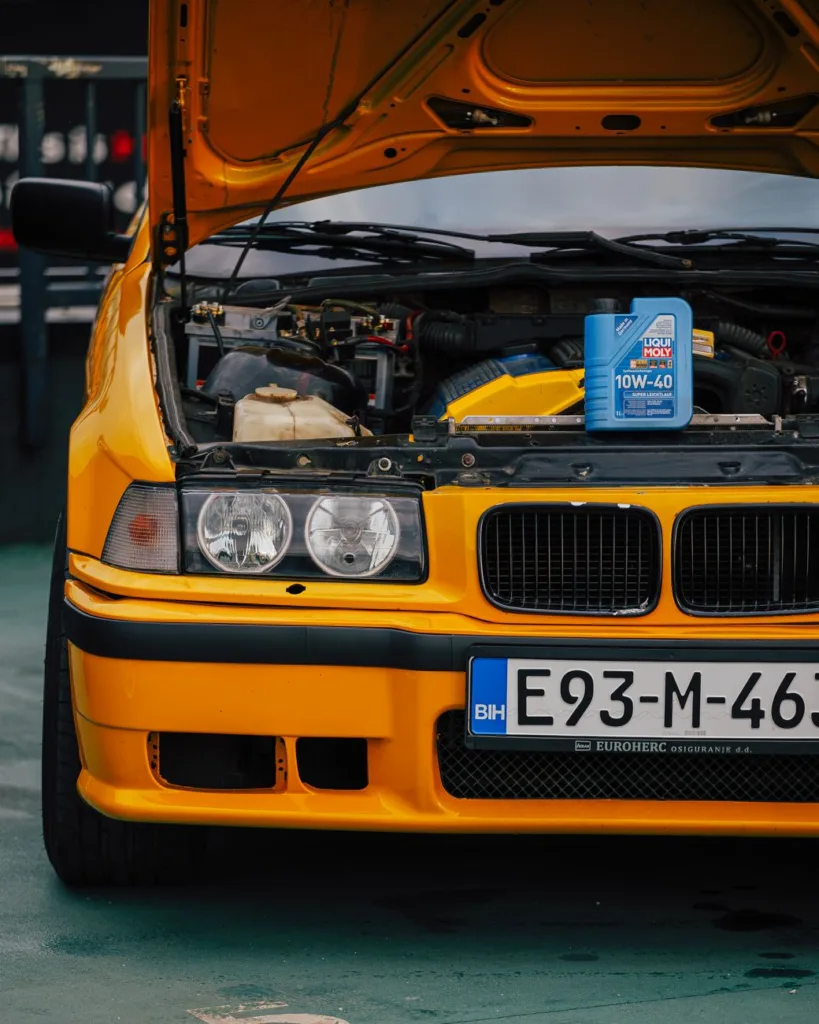
Yes, you can sometimes drive with low oil, but it is risky and depends on how low the oil level is and how long you need to drive. If the engine is only slightly low, you may be able to get to a safe place or a repair shop without immediate damage. If the oil is very low or the oil pressure warning light is on, driving can quickly cause serious engine wear or total engine failure.
Engine oil does more than lubricate moving parts. It also helps cool the engine, reduce friction, clean internal surfaces, and protect against metal-to-metal contact. When the oil level drops too far, those jobs become harder or impossible, and damage can happen fast, especially under load, at highway speeds, or in hot weather.
The safest approach is simple. If you suspect low oil, check the level as soon as possible, add the correct oil if needed, and stop driving if the oil pressure warning light comes on or the engine starts making unusual noises. The rest of this guide explains what low oil does, how far you can realistically drive, what warning signs matter most, and when to stop immediately.
What Low Oil Actually Means
People often use “low oil” to mean different things, and the difference matters. An engine can be low on oil because the level is below the full mark on the dipstick, or because it has lost so much oil that the engine is no longer getting enough pressure and circulation.
Being slightly below the full mark is not usually an emergency, but it should still be corrected. Being a quart low, or more in some engines, can reduce the oil reserve that protects the engine during hard braking, cornering, uphill driving, or highway runs. Being severely low can lead to oil starvation, where parts of the engine are not getting enough lubrication at all.
It also helps to separate low oil level from low oil pressure. Low oil level means there is not enough oil in the system. Low oil pressure means the oil is not being delivered at the pressure the engine needs. Either condition is serious, but low oil pressure is more urgent because it can indicate immediate lubrication failure.
How Long Can You Drive With Low Oil?
There is no safe universal answer, because it depends on how low the oil is, the engine design, and the driving conditions. A modern engine that is only slightly low may run normally for a short trip, but that does not make it a good idea to keep driving for days or weeks without fixing it.
If the oil level is just a little low and there are no warning lights, no odd noises, and no signs of leaks, you may be able to drive a short distance to add oil or reach a service shop. If the oil is very low, or if the oil pressure light is on, the safe answer is do not keep driving.
Think of it this way. Oil level problems often become worse under stress. A short, gentle drive on city streets may be less risky than a long highway trip, towing, mountain driving, or stop-and-go traffic in extreme heat. The heavier the engine load, the less margin for error.
What Happens When Oil Runs Low?
Low oil does not usually destroy an engine in one obvious moment. More often, it starts with increased friction and heat. That friction can damage bearings, camshafts, valve train parts, timing components, and other internal surfaces that depend on a steady film of oil.
As the oil level falls, the remaining oil can also get hotter and break down faster. Hot, old, or contaminated oil does not protect as well as fresh oil. In some engines, especially those that already consume oil naturally, the problem can progress without a driver noticing until the damage is already underway.
Common effects of low oil include:
- Increased engine noise
- Rougher operation
- Higher operating temperatures
- Accelerated wear on internal parts
- Potential engine seizure in severe cases
Engine seizure means internal parts have overheated or lost lubrication so badly that the engine can no longer rotate properly. At that point, repairs are often extensive and expensive, and sometimes replacement is more practical than repair.
Warning Signs You Should Not Ignore
Low oil does not always announce itself clearly, so you need to pay attention to symptoms. Some signs point to a minor level issue, while others suggest you should stop immediately.
Warning lights and messages
The oil pressure warning light is the most important indicator. If that light comes on while driving, shut the engine off as soon as it is safe to do so. Do not assume you can “make it home” because the car still seems to run normally.
Some vehicles also show messages such as Oil Level Low, Add Oil, or Check Engine Oil. These warnings can appear before a pressure problem develops, which gives you time to correct the issue.
Unusual engine noise
Low oil can cause ticking, tapping, knocking, or a louder-than-normal top-end sound. These noises often show up because oil is not cushioning moving metal parts the way it should. A brief tick at cold start can be normal on some vehicles, but a persistent or growing noise should be taken seriously.
Burning oil smell or smoke
If oil is leaking onto hot engine parts or being burned internally, you may notice a burning smell or even smoke from under the hood. That does not always mean the oil level is dangerously low right away, but it does mean the problem needs attention quickly.
Higher-than-normal engine temperature
Oil helps remove heat from the engine. When the oil is low, the engine may run hotter than usual, especially under load. If the temperature gauge climbs or you see an overheat warning, stop driving and investigate.
Can You Drive a Short Distance to Safety?
In many cases, yes, but only if the engine still has oil pressure, the level is not extremely low, and the car is not showing severe symptoms. A short drive to the nearest safe place, gas station, or repair facility may be reasonable if the warning is only a low oil level message and the engine sounds normal.
However, “short distance” should mean genuinely short. The goal is to minimize risk, not to continue normal driving. If possible, top off the oil first before moving the vehicle anywhere.
If the oil pressure light is on, or if the engine is knocking, rattling, or running hot, do not continue driving unless it is the only way to move the vehicle out of danger. Even then, keep the distance as short as possible and shut the engine off as soon as you reach a safe stop.
Low Oil Level vs Low Oil Pressure
| Condition | What It Means | How Urgent It Is | What To Do |
|---|---|---|---|
| Low oil level | There is not enough oil in the sump or oil pan | Moderate to high, depending on how low it is | Check the dipstick and add the correct oil soon |
| Low oil pressure | The engine is not circulating oil at the pressure it needs | High | Stop driving and shut off the engine as soon as it is safe |
| Oil pressure light on | The engine may be receiving dangerously little lubrication | Very high | Pull over and turn off the engine immediately if possible |
| Oil level warning only | The engine oil is low but pressure may still be normal | Moderate | Add oil and inspect for leaks or consumption |
This distinction matters because a car can have a somewhat low oil level and still drive temporarily, but low pressure can destroy an engine in a short time. Drivers sometimes ignore a low level warning because the car “feels fine,” then continue driving until a pressure warning appears. By that point, the risk is much higher.
How Low Oil Affects Different Driving Conditions
Highway driving
Highway driving keeps the engine at a steady higher RPM for long periods. That means more heat and more continuous demand on the lubrication system. If the oil is low, highway driving can make the problem worse faster than short local trips.
Stop-and-go traffic
Traffic may seem easier on the car, but heat buildup can still be a problem. Low oil combined with long idle times and poor airflow through the radiator can lead to rising temperatures, especially in hot weather.
Towing or hauling
Extra load means the engine works harder and runs hotter. If the oil level is already low, towing can push a marginal situation into a serious one very quickly. This is one of the worst times to ignore a low oil warning.
Cold weather
Cold oil flows more slowly at startup. If the level is already low, the first minutes of operation can be harder on the engine than normal. This is especially important in older vehicles or vehicles that have not had regular oil changes.
How To Check Oil Safely
If you suspect low oil, checking the level is the first step. Most vehicles use a dipstick, while some use an electronic oil level readout. The exact process varies, so the owner’s manual is the best reference for your specific vehicle.
Using a dipstick
- Park on level ground and turn off the engine.
- Wait a few minutes so oil can drain back into the pan.
- Remove the dipstick, wipe it clean, and reinsert it fully.
- Remove it again and read the level.
- Check whether the oil is between the low and full marks.
Also look at the oil’s condition. Very dark oil is not automatically bad, but milky oil, gritty oil, or a strong fuel smell can point to other problems. If you see foam, coolant contamination, or metal particles, the issue may be more serious than low oil alone.
Electronic oil level systems
Some modern vehicles use a digital oil level display. These systems can be convenient, but you still need to follow the proper checking procedure. Some require the engine to be warm, parked on level ground, and shut off for a specific period before the reading is accurate.
What To Do If Your Oil Is Low
If the engine is only low on oil and there are no major warning signs, add the correct oil type and viscosity as soon as possible. Use the grade listed in the owner’s manual or on the oil cap if it matches the manual. Do not assume any oil is fine, because the wrong viscosity can affect performance and protection.
Add a little at a time. It is easier to top off gradually than to overfill the engine. After adding oil, wait a moment and recheck the level so you do not go past the full mark.
If you keep losing oil, you need to find out why. Common causes include:
- External leaks from gaskets, seals, or the drain plug
- Oil consumption from worn engine internals
- PCV system issues
- Turbocharger-related oil use on some engines
- Incorrect service history or infrequent oil changes
Adding oil temporarily solves the symptom, but not the cause. Repeatedly running low can shorten engine life even if the car seems fine in the moment.
When You Should Stop Driving Immediately
There are a few situations where continuing to drive is not a reasonable risk. If any of these happen, shut the engine off as soon as you can safely do so:
- The oil pressure warning light comes on
- The engine makes knocking or loud metallic noises
- The temperature gauge is climbing rapidly
- You see smoke from the engine bay
- The car loses power or begins to run very rough
- You smell burning oil strongly and notice visible leaking
In these cases, the issue may be more than just low oil. It could involve a serious leak, a failed oil pump, or internal engine damage. Driving farther can turn a repairable problem into a much larger one.
Typical Repair Costs And What Influences Them
The cost of dealing with low oil depends on the cause and how long the engine was driven that way. Topping off oil is inexpensive, but diagnosing a leak or repairing engine damage can range from moderate to very expensive.
| Issue | Typical Cost Range | Notes |
|---|---|---|
| Adding oil | Low | Usually inexpensive, depending on oil type and quantity |
| Oil change and inspection | Moderate | Often the first step if the oil level is repeatedly dropping |
| Leak diagnosis and repair | Moderate to high | Depends on the source of the leak and labor time |
| Oil pressure-related repair | High | May involve the oil pump, pickup screen, or internal parts |
| Engine rebuild or replacement | Very high | Possible if the engine was driven with severe oil starvation |
These ranges vary widely by vehicle, engine layout, and local labor rates. A small external leak may be fairly simple to fix, while an internal oil consumption problem may take more time to diagnose and correct.
Common Mistakes Drivers Make With Low Oil
Ignoring a small drop in oil level
Many drivers assume a little loss is normal and never check it again. While some engines do use oil, repeated loss still deserves attention, especially if the rate changes or becomes faster than before.
Driving until the warning light changes from level to pressure
This is one of the biggest mistakes. A low oil level warning is your early notice. Waiting until the oil pressure light appears means the engine may already be in danger.
Using the wrong oil
Adding oil is helpful only if the oil matches the vehicle’s requirements. The wrong viscosity can affect cold-start flow, hot protection, and oil pressure behavior. Always verify the correct type before topping off.
Overfilling the engine
More oil is not always better. Overfilling can cause foaming, increased crankcase pressure, leaks, and poor lubrication. If you add too much, it should be corrected promptly.
Assuming the problem is solved because the car runs normally
Engines can run with reduced oil margin for a while before symptoms become obvious. That does not mean the engine is unharmed. If the level keeps dropping, investigate the cause.
Maintenance Tips To Prevent Low Oil Problems
Regular checks are the easiest way to avoid trouble. You do not need to be a mechanic to keep an eye on engine oil. A quick check every few fuel fills, or at least once a month, can catch small losses before they turn serious.
Follow the manufacturer’s oil change interval, but remember that severe-duty driving may require shorter intervals. Severe duty can include lots of short trips, stop-and-go traffic, towing, dusty conditions, or very hot and very cold climates.
Also pay attention to your parking spot. Fresh oil spots or damp residue under the car can point to a leak. Even a slow leak can eventually leave the engine low enough to matter.
If your vehicle has a history of oil use, keep a small supply of the correct oil in the garage or cargo area for emergency top-offs. That does not replace proper maintenance, but it can help prevent a low-oil situation from getting worse between services.
Why Some Cars Seem To Burn Oil
Not every drop in oil level comes from a leak. Some engines consume small amounts of oil as part of normal operation. This is more common in high-mileage engines, turbocharged engines, and some specific engine designs.
Oil consumption can become worse if the engine has worn piston rings, valve stem seals, or PCV system issues. In those cases, adding oil may keep the level acceptable for a while, but it is important to monitor the rate of consumption and look for the underlying cause.
If your oil level drops consistently and you are not seeing external leaks, have the vehicle inspected. That is especially important if the exhaust smokes blue, the spark plugs foul, or the engine starts using oil much faster than before.
FAQs
Can you drive with the oil light on?
Not safely for long. If the oil pressure light is on, stop driving as soon as it is safe and shut the engine off. Continued driving can cause severe engine damage very quickly.
Can I add oil without changing it?
Yes, if the oil level is low and the existing oil is still in serviceable condition. Topping off is a temporary fix for low level, not a replacement for regular oil changes or repairs if the engine is consuming oil or leaking.
How low is too low on the dipstick?
If the level is below the minimum mark, it should be corrected. Even if the engine still runs normally, running below the safe range reduces protection and increases the risk of damage.
Can low oil cause a car not to start?
Usually no, at least not directly. Low oil more often causes noise, heat, and internal wear. In severe cases, an engine may seize or suffer damage that prevents starting.
Will low oil damage the engine immediately?
Not always immediately, but the risk rises fast once lubrication becomes insufficient. The damage may begin before you notice obvious symptoms.
Is it okay to drive 10 miles with low oil?
It depends on how low the oil is and whether any warning lights are on. If the level is only slightly low and there are no symptoms, a short drive to add oil may be acceptable. If the oil pressure light is on, do not take that risk.
Why does my car keep losing oil?
Common reasons include leaks, engine wear, turbocharger-related consumption, or PCV system problems. A vehicle that keeps losing oil should be inspected rather than repeatedly topped off.
How often should I check my oil?
For many drivers, once a month is a good habit. If your engine has a history of oil use, or if you drive long trips, tow, or use the vehicle in severe conditions, check it more often.
Conclusion
You can sometimes drive with low oil, but only for a short distance and only when the situation is mild. If the level is only slightly below normal, the engine sounds fine, and there is no pressure warning, the immediate goal should be to add the correct oil and find out why it dropped.
The real danger is ignoring the warning signs. Low oil level is a maintenance issue that needs prompt attention. Low oil pressure is an emergency that can lead to major engine damage if you keep driving.
The safest habit is to check oil regularly, respond early to warning messages, and never treat the oil pressure light as something to finish your trip with. A few minutes of attention can save an engine.