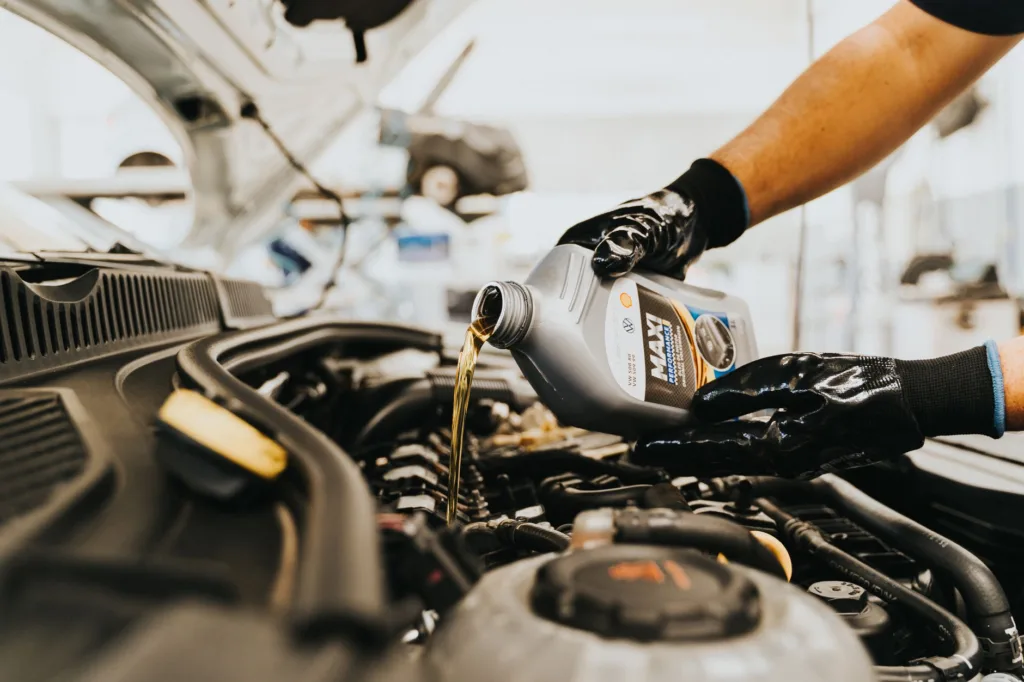
How often you should change engine oil depends on your vehicle, your driving habits, the type of oil you use, and the manufacturer’s maintenance schedule. In many modern cars, the interval can range from about 5,000 to 10,000 miles, and sometimes longer under ideal conditions. But the correct answer is not a single number for every car. The safest approach is to follow the owner’s manual first, then adjust for severe driving conditions if needed.
Engine oil does more than lubricate moving parts. It also helps cool the engine, reduce wear, clean away contaminants, and protect internal components from corrosion. Over time, oil breaks down and collects dirt, fuel residue, moisture, and combustion byproducts. If it is not changed often enough, the engine may wear faster, run less efficiently, or develop costly problems.
If you are trying to decide whether your oil change interval should be based on mileage, months, or a warning light, the sections below explain how to choose the right schedule and what signs tell you it is time for service.
What Engine Oil Actually Does
Engine oil is often described as a lubricant, but that only covers part of the job. Inside an engine, many metal parts move rapidly under heat and pressure. Oil creates a protective film between those surfaces so they do not grind directly against each other.
It also carries heat away from internal parts, helps suspend dirt so it can be trapped by the filter, and reduces sludge formation. In some engines, oil is also used to operate timing components, variable valve timing systems, or hydraulic lifters. That means oil condition can affect not just wear, but how well the engine runs.
When oil gets old, it loses some of its protective qualities. Additives in the oil also get used up over time. Even if the oil level is still full, it may no longer be providing the same level of protection as fresh oil.
The Short Answer: Most Cars Need Oil Changes Every 5,000 to 10,000 Miles
For many newer vehicles using synthetic oil, a common interval is somewhere between 5,000 and 10,000 miles, or around 6 to 12 months. Some vehicles can go farther, while others need more frequent service. Older engines, turbocharged engines, and vehicles used in severe conditions may need oil changes sooner.
The most important rule is to follow the factory maintenance schedule in the owner’s manual. That schedule is written for your specific engine, oil type, and operating conditions. If the manual gives two intervals, one for normal driving and one for severe driving, the severe schedule may apply more often than people realize.
Do not rely only on the sticker from a previous service, especially if you bought the car used. A vehicle’s past maintenance history can be incomplete or inaccurate. When in doubt, reset the schedule based on the manufacturer’s recommendations and current mileage.
How Driving Conditions Affect Oil Change Frequency
Not all driving is equal. A car driven mostly on long highway trips usually puts less stress on the oil than one used for short trips in traffic. That is why the same vehicle may need oil changes less often in one household and more often in another.
Normal Driving
Normal driving generally means consistent trips long enough for the engine to reach full operating temperature, moderate loads, and relatively steady speeds. In these conditions, oil tends to last longer because moisture and fuel contamination have more time to burn off.
If your commute includes highway miles and your engine fully warms up regularly, you may be able to follow the longer end of the manufacturer’s interval. Synthetic oil usually performs better under these conditions than conventional oil.
Severe Driving
“Severe driving” does not always mean racing or towing a trailer. It often includes short trips, stop-and-go traffic, dusty roads, extreme temperatures, frequent idling, and regular towing. These conditions cause oil to degrade faster and can leave more contaminants in the crankcase.
If most of your driving falls into this category, the shorter oil change interval usually makes more sense. Many drivers underestimate how common severe use is. For example, a daily 4-mile commute in winter can be harder on oil than a 30-mile highway drive.
Low-Mileage Driving
Some people do not drive enough miles to reach the mileage-based interval quickly. In that case, time matters just as much as distance. Oil can age even when the car sits, especially if the engine is rarely brought up to full temperature.
For low-mileage vehicles, changing oil once a year is often a reasonable baseline, but the owner’s manual should guide the decision. Frequent short trips are especially hard on oil because fuel and moisture can accumulate in the engine.
Conventional Oil vs Synthetic Oil
The type of oil you use has a major effect on service intervals. Synthetic oil is engineered to better resist breakdown, handle temperature extremes, and maintain protection over longer periods. Conventional oil is less expensive, but it generally does not hold up as long in demanding conditions.
| Oil Type | Typical Change Interval | Strengths | Limitations |
|---|---|---|---|
| Conventional oil | Often around 3,000 to 5,000 miles, depending on the vehicle | Lower cost, suitable for some older engines | Breaks down sooner, less heat resistance |
| Synthetic blend | Often around 5,000 to 7,500 miles | Better protection than conventional oil, moderate cost | Not as durable as full synthetic in some engines |
| Full synthetic | Often around 7,500 to 10,000 miles or more, if the manual allows it | Strong high-temperature stability, better cold-flow performance | Usually more expensive |
These are general ranges, not universal rules. Some engines are designed specifically for synthetic oil, and some older vehicles may be fine with conventional oil if the manufacturer approves it. Always check the exact oil specification, not just the viscosity grade.
Why the Owner’s Manual Matters More Than Generic Mileage Advice
It is tempting to use a simple rule like “change oil every 3,000 miles” or “every 10,000 miles,” but that approach can be wrong in either direction. Modern engines vary widely in design, oil capacity, temperature control, and oil quality requirements.
The owner’s manual usually tells you:
- The correct oil viscosity, such as 0W-20 or 5W-30
- Whether synthetic oil is required or recommended
- The normal service interval
- The severe service interval, if applicable
- Special notes for turbocharged engines or specific driving conditions
Using the wrong interval can either waste money or increase wear. A late-model vehicle with oil-life monitoring may not need oil every 3,000 miles, but a turbocharged engine driven in harsh conditions may need service sooner than a generic long-life schedule suggests.
Oil Life Monitoring Systems
Many modern vehicles use an oil life monitoring system. This is not always a direct oil-quality sensor. In many cars, the system estimates oil life based on operating conditions such as engine temperature, trip length, idle time, and load.
That makes it more useful than a simple mileage sticker, because it reflects how the car is actually being driven. However, it is still a calculated estimate, not a laboratory test. It should be reset properly after each oil change, and it should be used alongside the owner’s manual.
If your vehicle has an oil life monitor, do not ignore it. At the same time, do not assume the monitor overrides all common sense. If the engine has a known issue, oil contamination, a leak, or severe driving conditions, service may be needed sooner.
Signs Your Engine Oil May Need to Be Changed Sooner
Some vehicles provide clear maintenance reminders, but many do not show symptoms until the oil is already overdue. Paying attention to warning signs can help you avoid bigger problems.
Dark Oil Does Not Always Mean It Is Bad
Fresh oil often darkens fairly quickly, especially in engines that are doing their job and cleaning away deposits. Dark color alone does not automatically mean the oil is finished. What matters more is whether the oil has lost its protective properties, become contaminated, or is past the recommended interval.
Warning Lights or Oil Pressure Alerts
If the oil pressure light comes on, that is not a normal oil-change reminder. It can indicate low oil pressure, low oil level, or a serious engine issue. In that case, stop driving safely and check the situation promptly.
Some cars also show a maintenance reminder or oil change message. That is different from an oil pressure warning, but it should still be taken seriously.
Engine Noise or Rough Operation
Old or degraded oil can sometimes contribute to increased engine noise, especially on startup. In some engines, poor oil condition may also affect hydraulic components or variable valve timing systems, which can lead to rough running or reduced performance.
Low Oil Level Between Changes
Oil consumption can happen in many engines, especially older ones or those with high mileage. If the level keeps dropping, adding oil may be necessary between changes, but that does not replace the need for scheduled service. Frequent top-offs can hide a leak or an internal consumption problem.
Typical Oil Change Intervals by Driving Situation
| Driving Situation | General Interval Trend | Why It Matters |
|---|---|---|
| Mainly highway driving | Often longer intervals are acceptable | Engine reaches temperature and stays there longer |
| Mostly short trips | Shorter intervals are often better | Fuel and moisture can build up in the oil |
| Stop-and-go city driving | Shorter intervals may be needed | More idle time and heat cycling |
| Towing or hauling | Shorter intervals are often recommended | Higher load and higher temperatures |
| Dusty or dirty environments | Shorter intervals may be wise | More contaminants can enter the engine |
| Very cold weather | Often shorter intervals for some vehicles | Frequent cold starts and slow warm-up |
| Very hot weather | May require closer attention | Heat can accelerate oil breakdown |
This table is meant to help you think about real-world use. A vehicle that seems “easy” to own in one climate may need more frequent oil service in another.
What Happens If You Wait Too Long?
Skipping oil changes does not usually cause immediate failure, which is part of the problem. Damage can build slowly. Over time, old oil may turn into sludge, leave deposits, or stop protecting internal parts effectively.
Possible results of overdue oil changes include:
- Increased engine wear
- Sludge buildup
- Reduced fuel economy
- Noisier operation
- Potential timing system problems
- Increased risk of overheating in stressed components
In extreme cases, neglected oil maintenance can contribute to major engine damage. That said, not every overdue oil change leads to immediate catastrophe. The problem is that the risk increases, and you usually do not know how much margin is left.
Common Mistakes Car Owners Make
Oil changes seem simple, but a few common mistakes can cause problems or unnecessary expense.
Using the Wrong Interval for the Driving Style
One of the most common mistakes is following a mileage number without considering how the car is driven. A driver who makes short urban trips should not use the same interval as someone who commutes 50 miles on the highway each day.
Ignoring Time-Based Service
Some owners think they can wait forever as long as they drive very few miles. Oil still ages, and moisture can accumulate inside the engine. If the manual specifies a time limit, do not ignore it.
Using the Wrong Oil Specification
Viscosity is only part of the story. Some engines require specific approval standards, especially newer models and turbocharged engines. Using the wrong oil can affect protection and may even conflict with the manufacturer’s requirements.
Forgetting to Reset the Oil Life Monitor
If the service reminder is not reset, the car may continue warning you even after the oil has been changed. That creates confusion and can lead to mistakes later when the actual service interval is unclear.
Assuming More Frequent Is Always Better
Changing oil much earlier than necessary usually does not harm the engine, but it does waste money and materials. The goal is to follow the right schedule, not the shortest one someone mentions online.
How to Check Your Oil Between Changes
Checking oil level periodically is a good habit, especially on older vehicles or engines known to consume oil. It only takes a few minutes and can help you catch leaks or consumption early.
Basic Steps
- Park on level ground.
- Turn off the engine and let it sit for the recommended amount of time.
- Locate the dipstick, pull it out, and wipe it clean.
- Reinsert it fully, then pull it out again to read the level.
- Make sure the oil level is between the minimum and maximum marks.
If the level is low, add the correct oil in small amounts and recheck it. Do not overfill. Too much oil can also cause problems.
How Much Does an Oil Change Usually Cost?
The cost depends on oil type, vehicle design, oil capacity, and labor rates in your area. A basic service on a simple vehicle will usually cost less than a service on a larger engine or a vehicle requiring synthetic oil and a special filter.
In general, conventional oil changes tend to cost less than synthetic oil changes. Dealerships, independent repair shops, and quick-lube businesses may all price the service differently. If your vehicle uses a cartridge filter, a low-profile undertray, or a high oil capacity, the service may cost more.
Cost should be balanced against the value of proper maintenance. Saving a small amount by delaying service is usually not worth the risk of long-term engine wear.
When Low-Mileage Drivers Should Change Oil
If you do not drive much, you still need a plan. A car that sits for months at a time can develop moisture inside the engine, and short drives may not fully evaporate it. Rubber seals, gaskets, and internal components also benefit from regular oil circulation.
For low-mileage vehicles, a yearly oil change is common if the owner’s manual does not specify a different time interval. Some owners of classic or seasonal vehicles may need a different schedule, especially if the car is stored for long periods. In those cases, storage conditions and fuel system care matter as well.
Maintenance Tips That Make Oil Last Longer
You cannot make oil last forever, but good habits help it stay effective for the recommended interval.
- Use the exact oil grade and specification listed in the manual.
- Avoid repeated very short trips when possible.
- Let the engine reach operating temperature regularly.
- Check the oil level every month or before long trips.
- Fix leaks promptly.
- Do not ignore coolant problems, since overheating can damage oil.
- Replace the oil filter at the same time as the oil unless the manufacturer says otherwise.
These habits do not replace maintenance, but they help the engine stay healthier between services.
Should You Change Oil Based on Mileage, Time, or Oil Life?
The correct answer is usually a combination of all three. Mileage matters because it reflects use. Time matters because oil ages even when the car sits. Oil life monitors help by estimating real operating stress.
If your owner’s manual gives a mileage interval and a time interval, use whichever comes first. If your car has an oil life monitor, follow it, but still pay attention to the manual and your driving conditions. If you drive in severe conditions, shorten the interval as needed.
| Method | Why It Helps | Limitations |
|---|---|---|
| Mileage | Easy to track | Does not reflect driving severity |
| Time | Protects low-mileage drivers | Does not account for heavy use |
| Oil life monitor | Adjusts for driving patterns | Still an estimate, not a lab test |
How to Decide on the Right Interval for Your Vehicle
A practical way to decide is to work through three questions:
- What does the owner’s manual say for normal and severe service?
- Do most of your trips involve short distances, traffic, towing, or extreme temperatures?
- Does your vehicle use conventional, synthetic blend, or full synthetic oil?
If your answer points toward severe use, use the shorter interval. If your driving is mostly long, steady highway travel and the manual allows extended intervals, the longer interval may be appropriate. If you are unsure, it is safer to be conservative than to stretch oil changes too far.
Frequently Asked Questions
How often should I change engine oil in a newer car?
Many newer cars using synthetic oil fall in the 5,000 to 10,000 mile range, but the owner’s manual is the real authority. Some vehicles have longer or shorter intervals depending on the engine.
Is every 3,000 miles still necessary?
Usually not for many modern vehicles, especially those designed for synthetic oil. Some older engines or severe-use situations may need more frequent service, but 3,000 miles is not a universal rule.
Can I wait one year if I barely drive?
Often yes, but only if the owner’s manual allows it. Low-mileage vehicles still need time-based oil changes because oil ages even when the car is not driven much.
Does synthetic oil last longer than conventional oil?
Yes, in general synthetic oil resists breakdown better and can support longer intervals when the engine manufacturer allows it. It does not mean you can ignore the maintenance schedule.
What happens if I go over the oil change interval a little?
A small delay will not always cause immediate damage, but the risk increases the farther you go. The sooner you service it after the interval, the better.
Does dark oil mean I need a change right away?
Not necessarily. Oil can darken normally as it collects contaminants. The mileage, time, and oil condition matter more than color alone.
Should I change the filter every time?
In most cases, yes. The oil filter traps contaminants, and replacing it with the oil is standard maintenance unless the manufacturer specifies a different procedure.
What if my car has an oil life monitor?
Use it, but do not ignore the owner’s manual or severe driving conditions. The monitor is a helpful guide, not a substitute for maintenance knowledge.
Conclusion
How often you should change engine oil depends on the car, the oil type, and how you drive. For many modern vehicles, a range of 5,000 to 10,000 miles is common, but the owner’s manual should always come first. If your driving involves short trips, stop-and-go traffic, towing, dust, or extreme temperatures, you may need oil changes sooner.
The safest habit is simple: check the manual, follow the correct oil specification, use the proper mileage or time interval, and pay attention to warning signs. Regular oil changes are one of the most basic ways to protect the engine and avoid preventable wear.