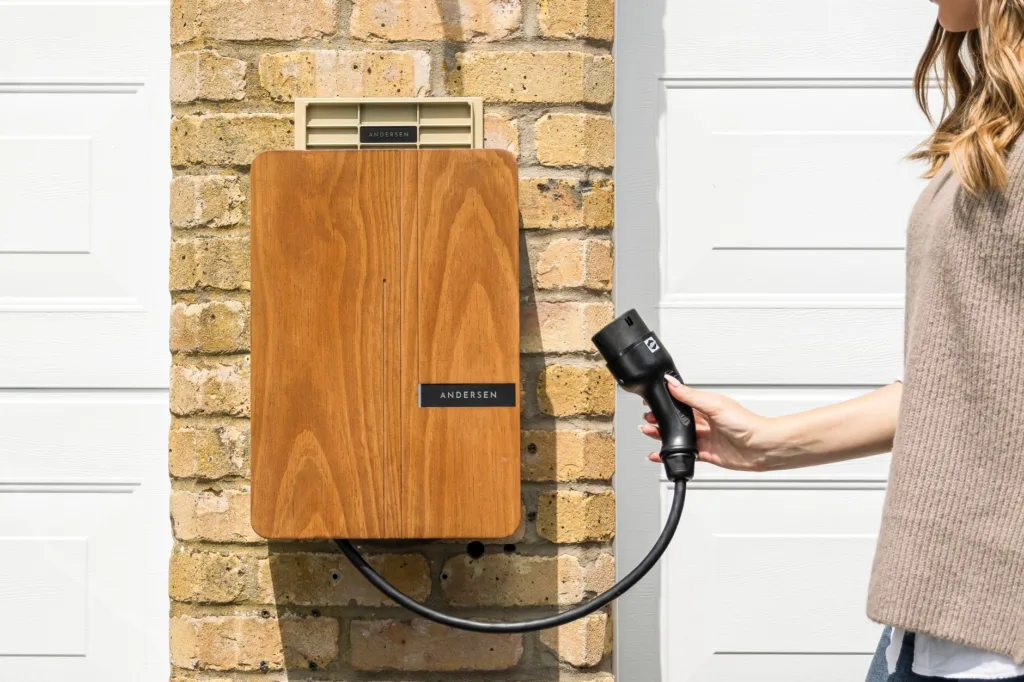
The first time a lot of homeowners think about an outdoor EV charger, it usually happens in lousy weather. Maybe it is raining sideways, the driveway is dark, and the charging cable is dragging through grit while you wonder whether your setup is actually built for this. That is why people start searching for the best EV charger for outdoor installation. They want something that can live outside without turning every charge session into a small hassle.
A common mistake is focusing on charge speed alone and forgetting the stuff that matters more in real life. Weather resistance, cable flexibility in cold temperatures, enclosure quality, plug type, and whether you need a wall-mounted charger, a pedestal, or a lockable cover can make a bigger difference than a few extra amps on paper. Another easy miss is buying for the car but not the parking setup. A driveway with no nearby wall needs a different answer than a garage-adjacent pad, and a shared outdoor space may need theft protection as much as charging power.
Different buyers also have very different priorities. Some want a full outdoor-ready charger they can mount and forget. Others already own a charger and really need a weatherproof lock box or stand. After comparing the available options, the Autel Home Level 2 EV Charger stands out as the strongest all-around pick for most people who want a purpose-built outdoor charging solution with strong power, a tough NEMA 4 design, and a solid app experience.
If you want the shortlist fast, the quick picks and comparison table below make it easy to size up the main options.
Quick Picks
- Best Overall: Autel Home Level 2 EV Charger
- Best Budget Pick: VEVOR Level 1&2 EV Charger
- Best Premium Option: ChargePoint HomeFlex Level 2 EV Charger
- Best Value Choice: NexCyber Level 2 EV Charger 32Amp
Best EV Charger For Outdoor Installation Comparison Table
| Product | Best For | Main Strength | Outdoor Highlights |
|---|---|---|---|
| Autel Home Level 2 EV Charger | Most homeowners | Up to 50A hardwired performance | NEMA 4 housing, 25 ft cold-flex cable, app scheduling |
| VEVOR Level 1&2 EV Charger | Shoppers on a tight budget | Affordable portable charger with dual-voltage use | IP66 control box, 25 ft cable, delay timer |
| ChargePoint HomeFlex Level 2 EV Charger | Smart-home focused buyers | Strong app ecosystem and brand support | UL-certified outdoor install, cold-resistant cable |
| NexCyber Level 2 EV Charger 32Amp | Value seekers | 32A charging with screen and WiFi at a friendly cost | IP66 and NEMA Type 4 protection, 25 ft cable |
| EVIQO NACS Charger for Tesla | Tesla owners | Native NACS connector and smart app controls | IP66 and NEMA 4 shell, 25 ft cable, weatherproof build |
| EV Charger Outdoor Lock Box | Protecting an existing charger | Weatherproof anti-theft enclosure | Steel housing, lock, drainage, ventilation |
| NOTASA Wall EV Charger Cover | Larger charger setups | Roomy universal enclosure | Dual locks, large interior, all-weather shell |
| EV Charger Pedestal Stand | Driveways without a wall | Freestanding mounting flexibility | Roof and side shielding, galvanized steel frame |
| Ufixed Outdoor EV Charger Enclosure | Shared outdoor parking areas | Simple lockable enclosure with cable organization | Weatherproof metal box, code lock, bottom cable exit |
If you want the finer details, the reviews below show where each option shines and where the tradeoffs start to show.
1. Best Overall: Autel Home Level 2 EV Charger

One reason this option stands out is that it feels like it was built by people who understand what outdoor charging is actually like at 6 a.m. in winter. The Autel combines up to 50A charging, a hardwired installation, and a NEMA 4-rated enclosure that is made for rain, sleet, and snow instead of merely surviving a mild drizzle. That matters more than flashy marketing. If your charger is going to live outside full-time, the housing and cable behavior matter every single day.
The 25-foot cable is a big part of why this model works so well in real driveways. A stiff cable can make charging feel like wrestling a garden hose in freezing weather, while a flexible one simply gets the job done. Autel also backs the hardware with app controls for scheduling and off-peak charging, which is handy if your utility rates dip late at night. For households with one or two EVs rotating through the same spot, that kind of practical control feels smooth instead of fiddly.
Pros
- Up to 50A charging for strong home charging speed
- NEMA 4-rated housing built for real outdoor exposure
- 25-foot cable stays flexible in very cold weather
- Hardwired setup feels permanent and clean
- Useful app for scheduling and charge management
Cons
- Usually costs more than basic plug-in chargers
- Hardwired installation means electrician work for most homes
- May be more charger than casual, low-mileage drivers need
This is the pick for homeowners who want a serious outdoor charger and would rather buy once than troubleshoot later. It suits busy commuters, two-car EV households, and anyone parking outside year-round in rough climates. If you only need occasional topping off or want something portable for travel, a cheaper plug-in model may fit better. For a permanent outdoor setup, though, this one hits the sweet spot of durability, speed, and day-to-day ease. To buy this product, click here.
2. Best Budget Pick: VEVOR Level 1&2 EV Charger
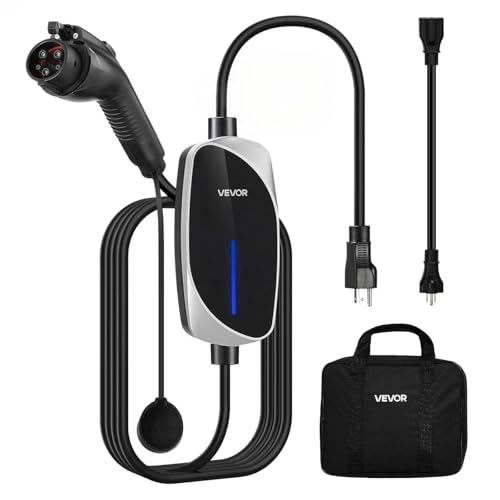
For buyers who prioritize affordability, this VEVOR charger makes a pretty convincing case. It is a portable Level 1 and Level 2 unit with adjustable 12A and 16A settings, which means it is far from the fastest charger here, yet it covers the basics without making your wallet groan. Think of the driver who parks outside in a condo lot, plugs in overnight, and simply wants dependable charging by morning. That is the lane this charger lives in.
Its outdoor credentials are respectable for the price. The control box carries an IP66 rating, the 25-foot cable gives decent reach, and the included wall holder and carrying bag make it easy to switch between home use and travel duty. The delay timer is a nice touch too. If your utility offers cheaper overnight rates, you can set it and let the car sip power while the neighborhood is quiet. The main compromise is speed. At up to 16A, it is best for light to moderate daily driving rather than heavy mileage.
Pros
- Very budget-friendly entry point for outdoor home charging
- Works on both 120V and 240V setups
- IP66 protection helps it handle outdoor conditions
- 25-foot cable adds welcome reach
- Portable design is handy for travel or backup use
Cons
- 16A max output is much slower than higher-end Level 2 chargers
- Better for overnight topping off than rapid recovery charging
- Less polished than premium wall-mounted units
This is a good fit for first-time EV owners, lower-mileage commuters, and anyone who needs one charger to cover home and occasional road trips. It is also a sensible answer for renters or buyers who do not want to commit to a more expensive hardwired installation. Drivers with larger batteries or long daily commutes will likely outgrow it. Still, for a simple outdoor-ready charger at the low end of the range, it punches above its class. To buy this product, click here.
3. Best Premium Option: ChargePoint HomeFlex Level 2 EV Charger

If your goal is a polished ownership experience from a widely known charging brand, the ChargePoint HomeFlex earns its spot quickly. This is the sort of charger that appeals to buyers who care about smart features, dependable support, and a platform they may already know from public charging. The hardware is built for indoor or outdoor installation, and the app side is more mature than many bargain units. That can make a real difference once the new-toy excitement wears off and you just want your charger to behave.
ChargePoint also shines for connected households. You can manage reminders, view charging info, and tie the charger into a broader charging routine instead of treating it like a simple power cord on the wall. Outdoor use looks strong here too, with UL certification and a cable built to stay manageable in colder conditions. This charger can deliver serious speed depending on circuit configuration, which makes it attractive for drivers with larger battery packs or a long daily commute. It feels refined, and some shoppers will happily pay for that smoother ecosystem.
Pros
- Strong brand reputation and broad charging network presence
- Excellent app and smart charging ecosystem
- Outdoor-install capable with UL-certified design
- Fast Level 2 charging potential
- Cold-resistant cable supports driveway use in winter
Cons
- Premium positioning usually means a higher cost
- Tesla drivers need an adapter for J1772 connection
- Some smart features depend on stable WiFi
Buy this if you want a premium-feeling charger from a recognized player and you care about the software side as much as the hardware. It makes sense for busy professionals, tech-forward households, and drivers who already use ChargePoint away from home. Shoppers chasing sheer value may prefer Autel or NexCyber. Buyers who want a mature app and trusted ecosystem, though, will find this one very appealing. To buy this product, click here.
4. Best Value Choice: NexCyber Level 2 EV Charger 32Amp
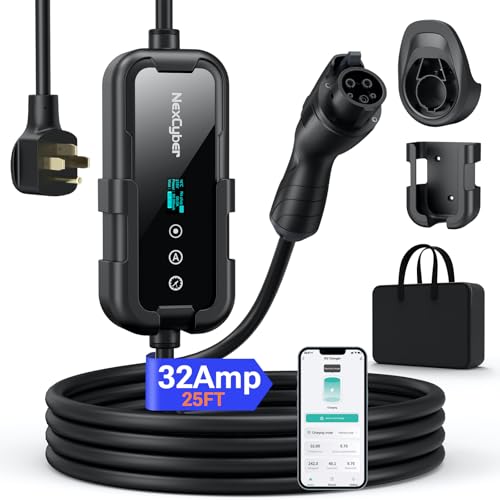
This model earns a place because it packs a lot of useful features into a more approachable price bracket. You get 32A Level 2 charging, a 25-foot cable, touch controls, a built-in screen, adjustable amperage, and WiFi app support. For many households, that is the sweet middle ground. It is faster and more capable than ultra-basic portable chargers, yet far less intimidating than higher-end hardwired systems that can snowball into a larger install bill.
Its outdoor credentials are pretty solid for the money. The charger carries NEMA Type 4 protection and IP66 waterproofing, which is what buyers should be looking for in an exposed driveway or side-of-house install. There is one practical caveat straight from the product details: it is better not mounted in relentless direct sun or heavy exposure every minute of every storm. That is fairly normal for value-focused chargers, and a little placement care goes a long way. Under an eave or on a sheltered exterior wall, it looks especially attractive.
Pros
- Good feature set for the money
- 32A charging works well for typical overnight home use
- IP66 and NEMA Type 4 protection support outdoor installation
- Built-in screen gives quick at-a-glance charging data
- Adjustable amperage and app scheduling add flexibility
Cons
- Not as heavy-duty as premium hardwired chargers
- Tesla and some NACS vehicles need an adapter
- Best performance may require thoughtful placement outdoors
The NexCyber makes the most sense for homeowners who want a capable everyday outdoor charger without stepping into premium territory. It is especially appealing for one-EV households, moderate commuters, and buyers who appreciate having local screen controls without opening an app every time. If you expect the harshest exposure or want the strongest brand reputation, the Autel or ChargePoint may feel safer. For value and usability, this one is hard to ignore. To buy this product, click here.
5. Best For Tesla Owners: EVIQO NACS Charger for Tesla

If you drive a Tesla and want to skip adapters dangling around in the dark, this EVIQO is one of the cleanest fits in the bunch. The native NACS connector is the headline here, and it makes everyday charging feel a little more seamless. There is something satisfying about walking out, pressing the built-in button, and plugging in without extra pieces to track down from the glovebox. That convenience sounds small until you do it four or five times a week.
The charger itself is also well set up for outdoor duty. It offers 40A charging through a NEMA 14-50 plug, includes a 25-foot cable, and uses an IP66 and NEMA 4 weatherproof enclosure. The fluorescent holster is one of those quirky features that actually makes sense in a dark driveway. If you have ever fumbled around with a black connector against a black wall at night, you get why this matters. App scheduling, current adjustment, and OTA updates round out a package that feels more thoughtful than generic.
Pros
- Native NACS connector is ideal for Tesla drivers
- 40A output supports strong overnight charging
- IP66 and NEMA 4 weatherproofing suit outdoor installs
- Smart app includes scheduling and current adjustment
- Fluorescent holster is surprisingly useful at night
Cons
- Non-Tesla vehicles need a separate adapter
- Requires a proper EV-grade NEMA 14-50 outlet
- Costs more than simpler plug-in alternatives
This is the obvious fit for Tesla households that want a dedicated outdoor home charger without jumping straight to a brand-specific wall connector discussion. It works especially well for homeowners who want smart features and a plug-in installation path. If your household mixes vehicle types and uses J1772 more often, another charger may be less complicated. For Tesla-first outdoor charging, though, this one is a sharp, practical pick. To buy this product, click here.
6. Best For Protecting An Existing Charger: EV Charger Outdoor Lock Box

Here is where outdoor-installation shopping gets a little more nuanced. Sometimes the best answer is not a new charger at all. It is protecting the one you already own. This lock box is built for that exact job, wrapping many popular chargers in a weatherproof, anti-theft steel enclosure. For a shared driveway, visible front-wall install, or a rental property where equipment protection matters, that can be the smarter move than replacing a perfectly good charger.
The thoughtful details help. You get a mechanical combination lock with backup keys, multiple cable entry points, interior cable hooks, a holder, ventilation for heat dissipation, and concealed drainage to prevent water buildup around the door frame. That sounds boring until you picture midwinter slush, summer heat, or neighborhood foot traffic. In those moments, hardware details stop being boring very quickly. The tempered privacy glass panel is a nice touch too, letting you check charging indicators without opening the door.
Pros
- Great solution for protecting an existing outdoor charger
- Steel construction feels more secure than soft covers
- Locking system helps deter tampering or theft
- Ventilation and drainage improve all-weather usability
- Fits many mainstream charger brands and models
Cons
- It is an enclosure, not a charger itself
- Buyers must measure charger size carefully before purchase
- Wall-mount installation requires drilling
This is for homeowners who already have a charger they like but need to make the setup safer and tougher outdoors. It is especially useful in exposed driveways, multifamily settings, and places where theft or vandalism is a real concern. If you still need an actual charger, start with Autel, ChargePoint, NexCyber, EVIQO, or VEVOR first. If your charger is already sorted and the weather is the problem, this box solves a different problem very well. To buy this product, click here.
7. Best Large-Capacity Enclosure: NOTASA Wall EV Charger Cover
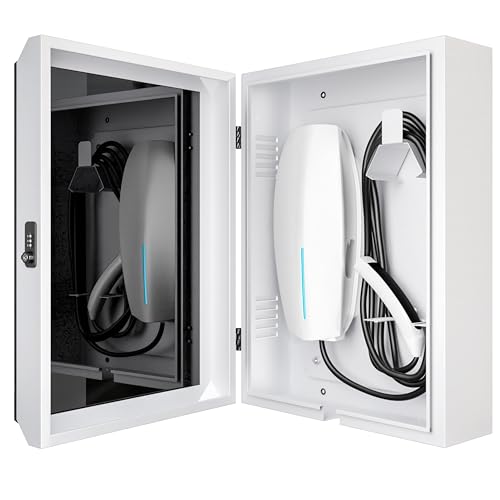
Some charger boxes feel like they were sized for a fantasy where cables never coil awkwardly and hardware never sticks out. This NOTASA enclosure goes the opposite direction. Its large interior is the big attraction, giving you more breathing room for bigger charging units, cable slack, and a cleaner overall install. If you have ever opened a cramped outdoor box and watched the cable spring back at you like a cranky snake, extra space starts to feel luxurious.
The dual-lock system is another strong point. A key lock plus a combination lock adds peace of mind for exposed outdoor spaces, especially in shared driveways or open carports. The shell is built for rain, snow, dust, and UV exposure, and the universal-fit approach should appeal to households with mainstream Tesla or non-Tesla charging gear. It also helps that the box is wall-mounted and fairly straightforward to install, which matters if you want a protective solution without turning the weekend into a marathon project.
Pros
- Extra-large interior is useful for bulkier chargers and cable storage
- Dual-lock setup adds security
- All-weather shell helps extend charger life outdoors
- Universal fit works with many charger styles
- Good option for tidier cable management
Cons
- Bulkier appearance than smaller enclosures
- Again, this protects a charger rather than providing charging itself
- May be more box than needed for compact charger setups
Buy this if you need room. That is really the story here. It suits owners of larger wall chargers, people dealing with messy cable loops, and anyone who wants more flexibility inside the enclosure. If your charger is compact and you prefer a slimmer box, the lock box or Ufixed may fit more neatly. For larger outdoor setups, the extra interior space is the whole appeal. To buy this product, click here.
8. Best For Driveways Without A Wall: EV Charger Pedestal Stand

This pedestal is a niche pick, but for the right driveway it solves a very real headache. Picture a parking area where the ideal charge point sits in the open, nowhere near a garage wall. In that case, the best EV charger for outdoor installation may actually require a stand first. This pedestal gives Level 2 chargers a dedicated mounting point with roof and side protection, which can be a much cleaner answer than awkwardly stretching cables across a walkway or mounting the charger in the wrong place.
The galvanized steel construction is a plus for outdoor longevity, and the roof and side shielding help reduce direct punishment from sun, rain, and snow. It also has wider application than many people expect. Think private driveways, outdoor lots, or small commercial installs where a freestanding post makes sense. The flip side is obvious. This is infrastructure, not charging hardware. You still need a compatible charger, plus sensible planning for wiring and placement so the finished setup feels intentional instead of improvised.
Pros
- Excellent for parking spaces without a nearby wall
- Roof and side coverage help shield the mounted charger
- Galvanized steel construction should hold up well outdoors
- Works with many Level 2 charger setups
- Useful for residential or light commercial layouts
Cons
- Not a charger on its own
- Requires planning for electrical routing and mounting
- Less relevant for garage-adjacent installs
This is best for homeowners with awkward parking geometry, open driveways, or detached spaces that need a freestanding charging point. It can also make sense for small businesses or property managers setting up a basic outdoor station. If you already have a perfect wall location, skip it. If your parking situation is the problem, this stand can unlock a much better charger placement. To buy this product, click here.
9. Best For Shared Outdoor Parking: Ufixed Outdoor EV Charger Enclosure

If your charger is exposed in a shared driveway, alley-facing spot, or open parking area, the Ufixed enclosure is a practical way to add protection without overcomplicating things. It is a lockable metal wall box aimed at popular chargers like Tesla Wall Connector Gen 3, Wallbox Pulsar Plus, and ChargePoint Home Flex. That broad compatibility makes it a nice fit for buyers who want a straightforward weather barrier and basic security layer.
The bottom cable exit is one of the more useful details. In snowy or icy areas, a cleaner downward cable path can reduce tangling and keep the setup looking less chaotic. The code lock is easy to understand, and the included hardware should make installation manageable for a lot of homeowners. This enclosure is less feature-rich than some larger boxes, but that can be a strength. Sometimes a simple, sturdy box is exactly what the setup needs, especially where visual exposure is high and daily convenience still matters.
Pros
- Good fit for visible and shared outdoor charging locations
- Weatherproof metal enclosure helps protect charger hardware
- Resettable code lock adds simple security
- Bottom cable exit can be useful in snowy conditions
- Compatible with several popular charger models
Cons
- Not as spacious or feature-heavy as larger enclosures
- Still requires a separate charger
- Best results depend on careful sizing and placement
The Ufixed works best for buyers who care about security, tidy cable routing, and basic weather protection more than maximum storage space. It is a smart choice for shared homes, curb-visible parking, and exposed side-yard installs. If you need roomier cable storage, the NOTASA may be better. If you want an all-around charger rather than a protective shell, look back to the powered units earlier in this list. To buy this product, click here.
How To Choose The Right EV Charger For Outdoor Installation
Start With Your Parking Layout
A charger that looks perfect online can be a pain in the neck if your driveway layout is awkward. Measure the distance from the electrical source to where the charge port sits on your car. Then think about how you actually park on rushed weekdays. A 25-foot cable sounds generous until you back in one day and pull in nose-first the next. If there is no suitable wall near the parking spot, a pedestal or different mounting plan may matter more than charger brand.
Check Weather Ratings, Not Marketing Words
Outdoor charging gear gets described with plenty of cheerful language, but the tougher clues are ratings like IP66 or NEMA 4. Those ratings tell you far more than vague claims about being weather-ready. For a driveway that sees rain, dust, snow, or blowing debris, stronger ingress protection is worth paying for. A sheltered porch-side install is more forgiving. A fully exposed south-facing wall in blazing summer sun is much less forgiving.
Think About Plug-In Versus Hardwired
Plug-in chargers are easier to install and replace. Hardwired chargers usually feel more permanent and can support higher-output setups with a cleaner finished look. Plenty of buyers start with plug-in because it feels simpler, and that can be the right call. Still, for a long-term outdoor installation, hardwired often feels sturdier and less exposed. If your home is your long-haul base and your EV is a daily commuter, a hardwired setup may age more gracefully.
Match Charging Speed To Your Actual Driving
It is easy to get dazzled by the highest amp number in the lineup. But charging needs are personal. A driver covering 20 to 35 miles a day can live happily with a slower unit that charges overnight. Someone chewing through 80 miles before dinner, then heading out again, will appreciate more output. Paying extra for speed you will never use is one mistake. Buying too little charger and feeling annoyed every week is another.
Do Not Ignore Cable Flexibility And Reach
This sounds minor right up until a freezing morning when the cable feels like a stiff branch. Outdoor charging is hands-on. You grab the cable in the dark, in the cold, maybe with gloves on, maybe while balancing coffee. A flexible cable and enough reach can make the setup feel smooth instead of clumsy. If your charger will live outside year-round, cable behavior is one of those quiet quality markers that you notice constantly.
Decide Whether You Need A Charger Or Protection For One
This guide includes both full chargers and protective outdoor hardware because many shoppers actually need one of two different solutions. Some need a charger that is built for outdoor installation from the start. Others already own a charger and really need a lock box, cover, or pedestal. Mixing those goals is a common buying mistake. Get crystal clear on the problem first. Are you lacking charging power, or are you lacking safe outdoor housing?
Plan For Security And Shared Access
If the charger will sit in a visible front driveway, shared duplex parking area, or rental property, security deserves real attention. A lockable enclosure can protect the unit from tampering, theft, and casual abuse. In quieter private garages, that might be overkill. In exposed urban settings, it can be the difference between peace of mind and a constant low-grade worry every time the car is plugged in overnight.
Best EV Charger For Outdoor Installation FAQ
Can an EV charger really stay outside year-round?
Yes, many can, as long as they are specifically rated for outdoor installation. Look for strong weather-resistance ratings such as IP66 or NEMA 4. Placement still matters. A charger mounted under a small overhang or in a partially sheltered area usually has an easier life than one taking full sun, wind, and rain every day.
Is a hardwired charger better for outdoor installation than a plug-in charger?
For many permanent setups, yes. Hardwired chargers usually offer a cleaner install and can feel more secure for long-term outdoor use. Plug-in chargers are easier to install and replace, which is attractive for some homeowners. The better choice depends on whether you want maximum convenience now or a more permanent setup for years ahead.
What weather rating should I look for?
For outdoor use, IP65 or IP66 and NEMA 4 are strong signs that a charger is built to handle moisture and debris. Those ratings are especially useful in areas with heavy rain, snow, or dusty conditions. If the charger will be fully exposed, aim higher rather than lower.
Do I need a lock box or enclosure for an outdoor EV charger?
Not always. If your charger is mounted in a private, sheltered area, you may be fine with the charger alone. A lock box or enclosure becomes more useful in shared driveways, visible front-of-house installs, rental properties, or places with harsh weather exposure. It is about protection, security, and cleaner organization.
How long should the charging cable be for outdoor use?
A 25-foot cable is a very practical length for many homes. It gives you more flexibility if cars park in slightly different positions or if the charge port is on the opposite side from the charger mount. Shorter cables can work in tidy garage setups, but outdoors, a little extra reach often saves frustration.
Are outdoor EV chargers safe in rain and snow?
Properly rated chargers are built for that kind of use. The key is buying a charger or enclosure that is actually intended for outdoor installation and having it installed correctly. Good mounting height, proper electrical work, and undamaged cables are all part of staying safe. If anything looks cracked, loose, or water-damaged, stop using it until it is checked.
Should Tesla owners buy a Tesla-style connector or a J1772 charger with an adapter?
If your household is fully Tesla and likely to stay that way, a native NACS charger can be the cleanest experience. If you may switch brands later or share charging with non-Tesla vehicles, a J1772 charger can offer more flexibility, though Tesla charging may involve an adapter. It comes down to how fixed or mixed your vehicle lineup is.
Final Verdict
For most homeowners, the Autel Home Level 2 EV Charger is the best EV charger for outdoor installation in this group. It brings together the stuff that matters in daily life: strong charging speed, a durable NEMA 4 outdoor design, a cable that is built to behave in rough weather, and smart controls that are actually useful. It feels like a proper long-term solution rather than a compromise that happens to work outdoors. If you want something more affordable, the NexCyber Level 2 EV Charger 32Amp is the strongest value play, while the VEVOR Level 1&2 EV Charger makes the most sense for buyers keeping a very close eye on cost.
The right pick still depends on your exact setup. Tesla owners should look hard at the EVIQO NACS Charger. Buyers who already own a charger may be better served by an enclosure like the EV Charger Outdoor Lock Box, NOTASA, or Ufixed, and homes without a practical wall location may need the EV Charger Pedestal Stand to make the whole project work. Match the product to the driveway, climate, and vehicle you actually have. Do that well, and outdoor charging starts to feel easy, which is the whole point.