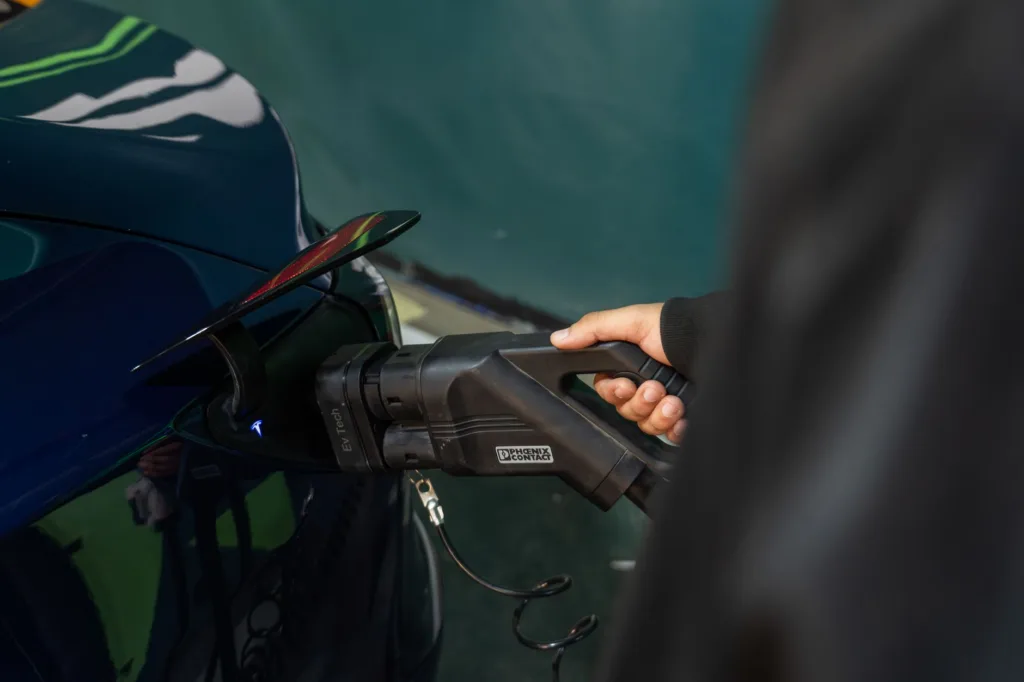
The first time you live with an EV and a weak charging setup, it hits fast. You pull into the garage after a long commute, plug in, glance at the battery estimate, and realize the car will still be sipping power well into tomorrow. That is usually the moment people start hunting for the best hardwired EV charger. A properly installed hardwired unit can charge faster, look cleaner on the wall, and usually gives you more amperage headroom than a basic plug-in model, which matters a lot once daily driving turns into real life instead of brochure math.
A lot of buyers make the same mistakes at this stage. They chase the highest amp number without checking their panel capacity, buy the wrong connector for their vehicle, or assume every smart app works equally well. Some also overlook cable flexibility, weather resistance, and certification, which sound boring until you are outside on a freezing morning wrestling with a stiff cord that feels like a garden hose left in ice. For most shoppers, the big factors are charging speed, electrical compatibility, app quality, safety certification, and how well the charger fits their car and routine. A Tesla owner parking outdoors has different priorities than a Bolt owner charging inside a tidy garage, and that is exactly why this category needs careful sorting. If you want the short version, the ChargePoint HomeFlex J1772 stands out as the top all-around pick for most households.
If you want the fast read first, the quick picks and comparison table below make it easy to narrow the field in a minute or two.
Quick Picks
- Best Overall: ChargePoint HomeFlex J1772
- Best Budget Pick: AIMILER Level 2 EV Charger
- Best Premium Option: Enphase IQ 40 NACS
- Best Value Choice: IYILO Level 2 EV Charger
Best Hardwired EV Charger Comparison Table
| Product | Best For | Main Strength | Key Specs |
|---|---|---|---|
| ChargePoint HomeFlex J1772 | Most buyers | Trusted app and proven brand support | J1772, hardwired, up to 45 mi/hr, indoor/outdoor |
| AIMILER Level 2 EV Charger | Budget-focused homes | Low entry cost for a 48A hardwired unit | J1772, 48A, 25 ft cable, app + screen, NEMA 4 |
| Enphase IQ 40 NACS | Premium Tesla-oriented setups | Strong build quality and solar ecosystem appeal | NACS, 32A, Wi-Fi, 25 ft cable, NEMA 4 |
| IYILO Level 2 EV Charger | Shoppers chasing value | Strong safety and smart power features for the money | J1772, 48A, Wi-Fi, RFID, power sharing |
| Emporia Level 2 EV Charger J1772 | Energy tracking | Clean app and detailed usage monitoring | J1772, 48A, Wi-Fi, 25 ft cable, UL listed |
| EVIQO NACS Charger | Tesla owners | Native NACS plug with flexible amperage control | NACS, 48A, 25 ft cable, Wi-Fi, IP66/NEMA 4 |
| Autel MaxiCharger Home | High-output charging | Up to 50A with strong cold-weather cable performance | Hardwired, up to 50A, 25 ft cable, app control |
| WOLFBOX WE48 | Shared households | RFID access plus app control | J1772, 48A, 25 ft cable, RFID, NEMA 4X |
| ChargePoint HomeFlex NACS | Tesla users wanting a polished app | ChargePoint ecosystem with native NACS | NACS, hardwired, up to 45 mi/hr, cold-resistant cable |
If you want the finer points, the full reviews below show where each charger fits and where the tradeoffs start to show.
1. Best Overall: ChargePoint HomeFlex J1772

One reason this option stands out is how complete it feels once it is on the wall. The ChargePoint HomeFlex has been around long enough that buyers generally know what they are getting, and that matters in a product category where reliability and app stability can make or break the ownership experience. This hardwired J1772 unit is built for indoor or outdoor installation, delivers strong Level 2 charging performance, and pairs with one of the more polished apps in the category. For a lot of drivers, that means fewer little annoyances. You can check status from the couch, schedule off-peak charging, and keep tabs on usage without feeling like you are beta-testing somebody’s software.
It also suits a broad mix of EV owners. If you drive a Mach-E, Bolt, ID.4, Ioniq 5, or a plug-in hybrid with a J1772 port, it plugs right in. Tesla owners can still use it with an adapter, which adds flexibility if your household changes vehicles later. The cold-resistant cable is a real quality-of-life perk too. Anyone who has stepped into a garage on a bitter winter morning knows the difference between a cable that bends willingly and one that fights back like frozen rope.
Pros
- Trusted brand with strong support network and broad EV charging presence
- Easy-to-use mobile app for scheduling, reminders, and monitoring
- UL-certified for safe indoor or outdoor installation
- Cold-resistant cable is easier to handle in winter
- Works with most non-Tesla EVs directly and Tesla models with an adapter
Cons
- Tesla owners need a separate adapter
- Some smart features depend on stable Wi-Fi
- It is usually priced above entry-level chargers
This is the charger I would point most people toward first because it balances trust, usability, and future flexibility better than the average hardwired unit. It is a great fit for households that want something dependable and easy to live with every day, whether the charger is mounted in a finished garage or out by the driveway. Shoppers who want the lowest possible spend can find cheaper options, and hardcore Tesla-only buyers may prefer a native NACS model, but for the broadest range of buyers this is the cleanest all-around choice.
To buy this product, click here.
2. Best Budget Pick: AIMILER Level 2 EV Charger

For buyers who want hardwired speed without spending a premium-tier amount, the AIMILER makes a pretty strong pitch. It offers up to 48A charging, a 25-foot cable, app control, and an onboard touch display in a price band that is far easier to swallow than some of the bigger brand names. On paper, that already looks good. In real garage use, the appeal is simple: you come home, plug in, and get the overnight charging bump most EV owners actually need, without paying extra for prestige branding you may not care about.
The touchscreen and adjustable amperage are useful touches. If your electrician wires it for a lower-current setup or your panel situation changes, being able to dial output down matters. This charger also has a straightforward plug-charge mode, which many people end up preferring after the novelty of app features wears off. Picture a rainy Tuesday night, hands full of groceries, dog trying to slip out the garage door. That is when simple operation wins. The main caveat is that the app and instructions do not feel quite as polished as the best-known brands, so this is more of a value play than a luxury experience.
Pros
- Affordable entry into 48A hardwired charging
- 25-foot cable is practical for most garage layouts
- Adjustable amperage adds installation flexibility
- Touchscreen gives at-a-glance charging data
- ETL-certified with NEMA 4 style weather protection
Cons
- App experience may feel less refined than top-tier competitors
- Brand reputation is not as established as ChargePoint or Emporia
- Outdoor placement in harsh direct exposure may need extra thought
The AIMILER is best for shoppers who care more about output and core features than brand prestige. It makes sense for first-time EV owners, cost-conscious households, or anyone replacing a Level 1 charger and wanting a big jump in convenience. If you are picky about app polish, ecosystem support, or long-term brand track record, you may feel better spending more. If your main goal is getting a real hardwired Level 2 charger on the wall at a friendlier cost, this one earns its spot.
To buy this product, click here.
3. Best Premium Option: Enphase IQ 40 NACS

If your garage already has a polished energy setup, or you like the idea of your EV charger fitting into a broader home energy plan, the Enphase IQ 40 is a premium-minded pick. This is a native NACS hardwired charger aimed squarely at Tesla and NACS-compatible drivers who care about durability, app-based scheduling, and the possibility of integrating charging with solar habits. That last point is where this model gets interesting. For the buyer with rooftop panels and a habit of checking energy dashboards like sports scores, Enphase has extra appeal.
The tradeoff is clear, though. This is a 32A charger rather than a top-output 48A or 50A unit, so you are paying for quality, ecosystem potential, and support rather than raw max speed. In practice, that can still be perfectly adequate for many drivers. A household with a Tesla Model Y that drives 30 to 50 miles most weekdays will often recharge comfortably overnight on 32A. The rugged cable, NEMA 4 enclosure, and five-year warranty support the premium positioning. It feels more like a long-haul ownership purchase than a bargain hunt find.
Pros
- Native NACS connector for Tesla and other NACS vehicles
- Strong fit for homes using Enphase solar or energy monitoring products
- NEMA 4-rated enclosure for indoor or outdoor use
- Five-year warranty adds peace of mind
- Well-suited for scheduled charging and off-peak use
Cons
- Higher price range than most chargers here
- 32A output is lower than several 48A competitors
- Best value shows up more clearly in energy-focused homes
This is a smart buy for homeowners who view charging as one piece of a larger home energy picture. It is less compelling for pure bargain hunters or drivers who want the highest amperage possible for the money. Still, for the right buyer, especially a Tesla owner with solar ambitions or a preference for polished energy tools, the IQ 40 has a premium logic that cheaper chargers simply do not match.
To buy this product, click here.
4. Best Value Choice: IYILO Level 2 EV Charger

This model earns a place because it packs a lot of meaningful features into a fairly approachable range. The IYILO gives you 48A hardwired charging, Wi-Fi app control, RFID access, ETL and Energy Star credentials, and one especially interesting safety feature: a connector overheat sensor that can stop charging if the plug gets too hot. That is the kind of feature that sounds small until you picture repeated summer charging in a warm garage after years of use. Added protection there feels genuinely useful, not marketing fluff.
The other standout is smart power management. Power sharing and dynamic load balancing support are more advanced than what many buyers expect in this tier. If you are a two-EV household, or you suspect a second EV may show up in the driveway later, that matters a lot. Imagine one partner arriving home in a crossover EV, the other in a plug-in hybrid, both needing juice before morning school runs and office commutes. A charger that thinks a bit harder about load management can save headaches and electrical upgrades later.
Pros
- Strong feature set for the money, including RFID and app control
- 48A charging with 1A current adjustment flexibility
- Connector overheat monitoring adds reassuring safety value
- Power sharing support is excellent for future multi-EV homes
- ETL and Energy Star certifications help build trust
Cons
- Brand is newer and less proven than category leaders
- Many smart features require 2.4GHz Wi-Fi
- Some advanced functions may be more than simple users need
The IYILO is best for buyers who want more brains in the box without leaping into premium pricing. It is especially attractive for tech-friendly households, future multi-EV owners, or anyone who likes getting unusually strong feature depth for the spend. Buyers who care only about plug-in simplicity may lean elsewhere, but shoppers who love value with substance will find a lot to like here.
To buy this product, click here.
5. Best For Energy Tracking: Emporia Level 2 EV Charger J1772

If your idea of a satisfying charging session includes opening an app and seeing clean energy data, the Emporia J1772 deserves a close look. Emporia has built a strong reputation around home energy monitoring, and that experience carries over nicely here. The charger offers 48A hardwired charging, a 25-foot cable, UL listing, Energy Star certification, and a tidy app experience that makes scheduling and usage tracking feel approachable rather than cluttered. For a lot of homeowners, that means better visibility into what the EV is actually adding to the electric bill.
There is also something appealingly straightforward about the design. It feels like a product built by people who understand that many buyers want smart features, but still want the basics to work without fuss. If you have ever stood in the garage at 10:30 p.m., hearing the relay click on while the charger quietly starts during off-peak hours, you know how satisfying a simple, reliable setup can be. This one is especially strong for J1772 vehicles like the Bolt, Leaf, ID.4, and many others, while Tesla owners would need the appropriate adapter or a native NACS version.
Pros
- Excellent app for energy tracking and scheduled charging
- 48A hardwired performance is strong for daily use
- UL listed and Energy Star certified
- 25-foot cable suits a wide range of parking positions
- Brand has solid credibility in home energy products
Cons
- Tesla drivers need an adapter for direct use
- Works best if you actually value the app and data tools
- Less distinctive if you want access control features like RFID
This Emporia is a great fit for number-watchers, utility-rate optimizers, and households already leaning into smart energy management. It is less exciting for buyers who only care about basic charging and never plan to open the app after install day. Still, if your home tech life includes checking consumption charts with your morning coffee, this charger will feel right at home on your wall.
To buy this product, click here.
6. Best For Tesla Owners: EVIQO NACS Charger

If your driveway is home to a Tesla and you want a native NACS hardwired charger without stepping into the highest price tier, the EVIQO lands in a sweet spot. It is built for 48A charging on a 60A circuit, can be configured higher in certain setups, and includes Tesla-friendly touches like a built-in button to open the charging port. Those details matter more than they seem. Little conveniences become part of your daily rhythm, especially on rushed mornings when you unplug, toss a bag in the back seat, and head out before coffee has fully kicked in.
The charger also looks thoughtfully built for garages and outdoor walls that see real weather. IP66 and NEMA 4 protection, plus steel shielding on the mainboard, help support durability. The fluorescent holster is an unusual but genuinely clever touch. It sounds gimmicky until you walk outside at night and the connector storage point is easy to spot instead of disappearing into shadow. The app covers the expected basics, including current adjustment and charging control, though as with many smart chargers, a stable 2.4GHz connection helps it shine.
Pros
- Native NACS connector is ideal for Tesla owners
- 48A hardwired charging suits overnight replenishment well
- Weatherproof enclosure supports outdoor installation
- Tesla port-opening button adds welcome convenience
- Fluorescent holster is surprisingly practical in low light
Cons
- Non-Tesla vehicles need a separate adapter
- Some buyers may prefer a more established household name
- Advanced output configurations require careful electrical matching
The EVIQO makes the most sense for Tesla-centric households that want native connector convenience and strong specs without jumping to a pricier premium ecosystem. Buyers with mixed-brand EV households may prefer a J1772 model for broader default compatibility. For Tesla owners who want a purpose-built hardwired charger with practical day-to-day touches, this one feels well aimed.
To buy this product, click here.
7. Best For High Output: Autel MaxiCharger Home

If your goal is squeezing more charging muscle from a home setup, the Autel MaxiCharger Home is one of the more interesting options here. It supports up to 50A, which puts it above the common 48A crowd, and that extra output can matter for drivers with large battery packs, longer daily commutes, or tighter overnight charging windows. There is a certain relief in plugging in late and knowing the car will still be ready by dawn, especially if your day starts before sunrise and the driveway is still slick with dew.
Autel also brings real automotive electronics experience, and that shows in the overall confidence of the product. The flexible 25-foot cable is rated to stay manageable in cold weather, which is excellent news for northern climates. Smart app control covers the usual scheduling and remote management needs, and the NEMA 4 build supports outdoor use without much drama. The one thing to keep in mind is compatibility language. It is marketed broadly, but J1772-based users will have the most direct path, while Tesla owners may need the correct adapter depending on their vehicle and setup.
Pros
- Up to 50A output is strong for demanding charging needs
- Flexible cable should handle cold-weather use well
- App supports scheduling and off-peak optimization
- Strong brand experience in automotive hardware
- NEMA 4 protection supports indoor or outdoor installation
Cons
- Higher-output installation may require more electrical capacity
- App experience can still depend on connection stability
- Raw speed advantage may be wasted on EVs with lower onboard charging limits
This is a strong choice for commuters who pile on miles, buyers with larger EV batteries, or anyone who wants extra headroom for future vehicle upgrades. It is less compelling if your car only accepts lower AC charging rates or if your electrical panel is already stretched thin. For the right home, though, the Autel’s extra output is a very real practical benefit, not just a spec-sheet flex.
To buy this product, click here.
8. Best For Shared Households: WOLFBOX WE48

This WOLFBOX earns its spot because it is built with a little more household flexibility than the average charger. The standout feature is RFID card control alongside app access and plug-and-charge operation. That may sound niche, yet it becomes surprisingly useful in shared garages, duplex setups, or homes where multiple drivers use the same charger and you want a bit more control over access. Picture a family with two drivers, a teen borrowing the EV on weekends, and a charger mounted near a shared parking area. RFID starts making a lot more sense in that kind of real-life mess.
Performance is strong too. This is a 48A hardwired charger with a 25-foot cable, adjustable amperage, and NEMA 4X housing for weather resistance. The app includes scheduling and cost calculation features that help buyers manage off-peak charging. WOLFBOX also leans into safety with multiple protections and flame-retardant design elements. What keeps it from climbing higher is mostly brand confidence and refinement. It looks feature-rich, and it is, but some buyers still feel more relaxed with the longest-established names in the category.
Pros
- RFID control is useful for shared access situations
- 48A hardwired charging provides strong overnight performance
- Adjustable amperage supports better circuit matching
- NEMA 4X housing is reassuring for outdoor installs
- App includes scheduling and charging cost tools
Cons
- RFID feature may be unnecessary for solo drivers
- Brand trust is still developing versus category leaders
- Tesla vehicles need an adapter
The WOLFBOX WE48 is a practical pick for busy households, small multi-user properties, or buyers who want access control without moving into commercial hardware. If you are the only driver and you want maximum simplicity, another charger may feel cleaner. If you like flexibility and a wider control toolkit, this one has a useful personality.
To buy this product, click here.
9. Best For Tesla Drivers Who Want A Polished App: ChargePoint HomeFlex NACS

If you like what ChargePoint offers but drive a Tesla or another NACS-compatible vehicle, this HomeFlex NACS version is the cleaner match. It brings the same broad strengths as the J1772 model, namely trusted brand support, a mature app, indoor or outdoor hardwired installation, and a cold-resistant cable, but removes the adapter hassle for Tesla drivers. That sounds simple because it is. Walk up, plug in, move on. For a product you may use almost every day for years, that simplicity really counts.
There is also peace of mind in buying into an established ecosystem. ChargePoint’s network awareness and app experience give the product a more finished feel than many low-cost rivals. Imagine setting up charging reminders, checking status while dinner sizzles on the stove, then seeing the car ready to go before bed. That sort of smooth, quiet routine is what a good home charger should create. This model is best if you are committed to NACS vehicles. Mixed-car households still may prefer a J1772 charger for flexibility, especially if a non-Tesla EV is already in the garage or likely to arrive later.
Pros
- Native NACS connector avoids adapter hassle for Tesla drivers
- ChargePoint app is one of the better ones in the category
- Trusted brand with strong support reputation
- Cold-resistant cable improves day-to-day handling
- Suitable for indoor or outdoor electrician-installed setups
Cons
- Less flexible than J1772 options for mixed-EV households
- Pricing is usually above bare-bones alternatives
- Some features work best with reliable Wi-Fi
This is a smart pick for Tesla owners who want a polished hardwired home setup and would rather skip adapters entirely. Households with multiple vehicle types may get more long-term flexibility from a J1772 unit, but a Tesla-first buyer who likes ChargePoint’s ecosystem will probably feel very comfortable here.
To buy this product, click here.
How To Choose The Right Hardwired EV Charger
Match The Connector To Your Vehicle First
This is the first thing to get right, and people still trip over it. J1772 is common across many non-Tesla EVs and plug-in hybrids, while NACS is the native fit for Tesla and an increasing number of newer vehicles. An adapter can bridge the gap, sure, but daily charging feels smoother when the connector already matches the car. Think about your next vehicle too. A household with one Tesla today and plans for a second non-Tesla EV tomorrow might prefer J1772 flexibility over a Tesla-only setup.
Check Your Electrical Capacity Before Falling For Big Amp Numbers
A 48A or 50A charger sounds great, and sometimes it is great, but your home has to support it. Most 48A hardwired chargers want a 60A circuit, while higher-output setups may need more. If your panel is older or already packed, your electrician may recommend lower amperage or load management. Plenty of drivers do perfectly well with less than the headline max, especially if the car sits parked for 10 or 12 hours overnight. The right number is the one your home can support safely and your driving routine can actually use.
Pay Attention To App Quality, But Be Honest About Your Habits
Some buyers love app-based scheduling, cost tracking, and alerts. Others open the app twice, then never touch it again. If you enjoy monitoring energy use, brands like ChargePoint and Emporia tend to make that experience nicer. If your goal is basically “plug in, wake up, drive away,” app polish may matter less than cable feel and reliability. A clunky app is annoying. A reliable charger with a decent manual schedule is often fine.
Do Not Ignore Cable Length And Cold-Weather Flexibility
This sounds minor until the car is parked nose-in one day and backed-in the next. A 24- or 25-foot cable is usually the sweet spot for real garages and driveways. Flexibility matters too, especially in colder regions. A stiff cable can turn a five-second task into a small grumpy ritual every morning. If you charge outside, weather-resistant housing and a cable that stays manageable in winter should move high on your list.
Look For Safety Certifications And Real Protection Features
Hardwired charging moves serious power. UL listing, ETL certification, Energy Star certification, built-in temperature monitoring, GFCI protection, and weatherproof enclosures are all signs that a charger was built with real-world safety in mind. This is not the category to cut corners in search of the absolute lowest price. When a charger is feeding your car for hours while your family sleeps, a few extra safety boxes checked feels worth it.
Think About Household Growth
One EV can become two faster than people expect. If a second electric vehicle is likely, features like adjustable amperage, RFID access, power sharing, or smart load balancing become much more attractive. A buyer with one daily commuter today may end up juggling two charging schedules next year. Planning ahead can save money and electrical work later.
Avoid Buying For Spec Sheets Alone
Plenty of chargers look strong in a bullet list. The real test is whether they fit your life. Are you charging indoors or in rain and snow? Do you want Tesla-native convenience or broad compatibility? Is your utility rate structure simple or do you need scheduling? The best hardwired EV charger for one home can be the wrong one for another. Good buying happens where electrical reality, vehicle compatibility, and day-to-day ease all meet.
Best Hardwired EV Charger FAQ
Is a hardwired EV charger better than a plug-in charger?
For many homes, yes. Hardwired chargers usually allow higher amperage, create a cleaner permanent installation, and avoid wear on a receptacle over years of use. They also tend to be the preferred route for 48A charging. A plug-in charger can still be a good fit for renters or people who want portability, but a hardwired model is often the stronger long-term home solution.
Do I need an electrician to install a hardwired EV charger?
Yes, in almost all cases you should use a licensed electrician. A hardwired charger connects directly to your electrical system, and the installer needs to match breaker size, wire gauge, charger settings, and local code requirements. This is one of those jobs where a clean professional install protects both safety and warranty support.
Is 48 amps enough for home EV charging?
For most drivers, absolutely. A 48A Level 2 charger is enough to recharge many EVs overnight after normal commuting. If you drive extreme daily mileage or have a very short charging window, you may appreciate 50A capability, but a lot of households will never feel limited by 48A. Your vehicle’s onboard charger can also cap real charging speed, so more available amperage does not always mean more delivered speed.
Should I buy J1772 or NACS?
Buy the connector that best matches your vehicle lineup. J1772 fits many non-Tesla EVs directly and can still work with Tesla models through an adapter. NACS is the native choice for Tesla and is becoming more common across the market. If your household may switch brands later, J1772 can be the safer flexible choice. If you are committed to Tesla or NACS vehicles, native NACS is more convenient.
Can I install a hardwired charger outdoors?
Yes, as long as the charger is rated for outdoor use and is installed correctly. Look for weather protection such as NEMA 4, NEMA 4X, or similar sealed designs. Outdoor placement also makes cable flexibility, connector holsters, and sun or moisture exposure more relevant. A good outdoor charger should feel solid through rain, dust, and seasonal temperature swings.
Do smart features really matter on an EV charger?
They matter if you will use them. Scheduling can save money in areas with time-of-use electric rates, and energy tracking helps people understand operating costs. Remote notifications are handy too. Still, many buyers end up valuing reliability more than fancy extras. A stable charger with easy scheduling often beats a feature-packed one with a frustrating app.
Can one charger work for two EVs?
Yes, though it depends how you plan to use it. One charger can serve two EVs if you take turns charging, which works well for many households. If both vehicles need regular nightly charging, features like power sharing or smart load balancing become more useful. Those can help prevent panel overload and make a dual-EV future much easier to manage.
Final Verdict
Out of these 9 picks, the ChargePoint HomeFlex J1772 is still the strongest all-around recommendation for most buyers. It combines solid charging performance, broad vehicle compatibility, a polished app, strong brand trust, and a cable that is easier to live with in ugly weather. That mix is hard to beat. If you are trying to keep spending lower, the AIMILER Level 2 EV Charger offers a very appealing budget path into hardwired 48A charging. If you want the most interesting value blend, the IYILO Level 2 EV Charger punches above its class with strong safety and power-management features. Buyers building a premium Tesla-friendly energy setup should keep the Enphase IQ 40 NACS high on the shortlist.
The smart move is to match the charger to your vehicle, your electrical panel, and your actual daily routine, not a fantasy version of it. A household driving 35 miles a day has different needs from one burning through battery on long commutes. Check connector type first, confirm circuit capacity with an electrician, and think hard about whether you want broad compatibility or a Tesla-native plug. Get those pieces right, and any of the 9 chargers above can turn your garage from a slow drip into the kind of overnight charging setup that makes EV ownership feel easy.