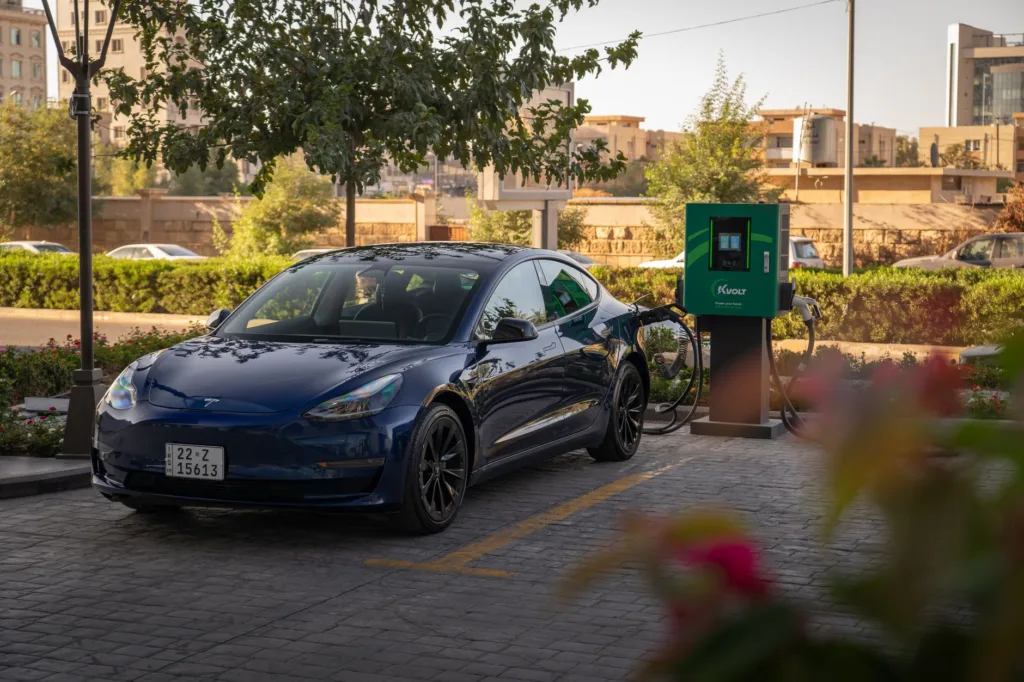
Two EVs in one driveway changes the charging conversation fast. The slow “I’ll plug in later” routine turns into a nightly traffic jam, especially if one driver needs a full battery for a morning commute and the other wants a top-off before a weekend run. That is why shoppers looking for the Best EV Charger For Multiple Vehicles usually care about more than raw speed. They want a charger that feels dependable, can be shared without drama, and fits the electrical setup at home without turning the garage into a construction zone.
The biggest mistakes are usually the same ones: buying for one car’s peak speed instead of the household’s actual needs, overlooking connector compatibility, and ignoring whether the charger can be mounted, moved, or power-managed in a sensible way. Some buyers need a rugged hardwired unit for a two-EV household with a busy schedule. Others need a portable option that can move between garages, vacation rentals, or a second property. The right pick depends on how often both vehicles need charging, how much circuit capacity is available, and whether smart scheduling or power sharing matters more than pure output.
If you want the cleanest all-around answer, the Tesla Universal Wall Connector is the standout for households that run multiple Tesla vehicles, while ChargePoint and Emporia bring a more traditional high-end home charging feel for broader non-Tesla setups. Budget-minded shoppers still have solid options too, especially if one vehicle charges overnight and the other only needs occasional support.
If you are short on time, the quick picks below give you the fastest way to sort the leading choices.
Quick Picks
- Best Overall: Tesla Universal Wall Connector
- Best Budget: VDLPOWERVP Level 1&2 EV Charger
- Best Premium: Emporia Level 2 EV Charger
- Best Value: AIMILER Level 2 EV Charger 48A
Best EV Charger For Multiple Vehicles Comparison Table
| Product | Best For | Main Strength | Key Specs |
|---|---|---|---|
| Tesla Universal Wall Connector | Multi-Tesla households | Built-in power sharing and dual-plug flexibility | Up to 48A, 24′ cable, Wi-Fi, NACS and J1772 support |
| Emporia Level 2 EV Charger | High-end smart home charging | Strong app control and hardwired output | 48A, 25′ cable, Wi-Fi, UL listed, ENERGY STAR |
| ChargePoint HomeFlex Level 2 EV Charger | Reliable branded home charging | Trusted app ecosystem and support | Up to 45 mi/hr, J1772, 240V, indoor/outdoor use |
| AIMILER Level 2 EV Charger 48A | Fast charging at a friendlier cost | Adjustable amperage with high output | Up to 48A, 25′ cable, Wi-Fi, plug-in or hardwired |
| VDLPOWERVP Level 1&2 EV Charger | Lowest-cost flexible charging | Dual-voltage portability | 16A, 20′ cable, NEMA 6-20 and 5-15 adapter |
| AIXINE Level 1&2 EV Charger | Travel and backup charging | Portable build with good weather resistance | 16A, 25′ cable, IP67, NEMA 6-20 and 5-15 adapter |
| TLE LEVEL Level 2 EV Charger | Driveways and exposed installs | Weatherproof plug-in convenience | 40A, 25′ cable, IP66, NEMA 14-50 |
| GROWNEER Level 2 EV Charger | Portable wall-mount hybrid use | Includes Tesla adapter and LCD status display | 48A, 25′ cable, NEMA 14-50, wall-mounted or portable |
| Morec Level 1 EV Charger | Backup charging and light-duty use | Simple plug-in portability | 110V, 15A, 20′ cable, IP65, J1772 |
For a closer look at what separates these chargers, the reviews below spell out the tradeoffs that matter at home.
1. Best Overall: Tesla Universal Wall Connector

The Tesla Universal Wall Connector feels like the cleanest answer for households with more than one EV, especially if both vehicles wear Tesla badges or your home mixes Tesla and other North American EVs. The appeal is easy to understand. It brings a polished install, broad compatibility, and built-in power-sharing support that actually fits the way multi-car homes live day to day. One family member gets home late after a soccer run, another pulls in with a low battery from a highway commute, and nobody wants a charger that makes the garage feel like a negotiation table. This one handles that kind of routine with a calm, upscale confidence.
It also has the kind of flexibility that matters in a real garage. The ability to work with NACS and J1772 vehicles is huge, and the Wi-Fi connection helps with updates and remote access. The 48A ceiling gives it strong home-charging muscle, while the power-share feature can link multiple Wall Connectors for homes with several EVs. That makes it the most complete long-term choice here for Tesla-heavy households or anyone planning a serious charging setup from the start. It is expensive, sure, but it feels built for a driveway that is always busy and always evolving.
Pros
- Supports both NACS and J1772 vehicles with a single, tidy setup.
- Power-share support is a major win for households charging more than one Tesla.
- Up to 48A output gives strong overnight charging capability.
- Wi-Fi connectivity enables firmware updates and remote access.
- Indoor or outdoor installation gives more placement flexibility.
Cons
- It is one of the pricier picks in the lineup.
- Hardwired installation means more planning and likely electrician help.
- Power-sharing is most compelling for Tesla owners, so some households will not use the signature feature.
This is the charger for buyers who want a polished, future-friendly solution and do not want to piece together a workaround later. It shines brightest in households with multiple Tesla vehicles, but it also suits mixed-brand homes that want one premium unit with broad connector support. If you are trying to stay on a tight budget or need something portable for trips, this is probably more charger than you need. For everyone else, it is the one that feels most ready for a busy two-EV garage.
To buy this product, click here.
2. Best Premium: Emporia Level 2 EV Charger

The Emporia charger earns its premium label by feeling thoughtful from top to bottom. It is the sort of unit that disappears into the background once it is installed, which is exactly what a busy home with multiple EVs needs. Hardwired output up to 48A, a 25-foot cable, and a strong app experience make it a serious daily-use charger for households that care about data, scheduling, and efficiency. Picture one car charging overnight on an off-peak plan while the second vehicle waits until early morning for a quick top-off. Emporia fits that routine beautifully, with enough control to make the setup feel deliberate rather than improvised.
What helps it stand out is the balance between power and polish. The app gives real-time energy information, scheduling, and useful visibility into charging habits. That matters more than many buyers expect until they start tracking two vehicles, two routines, and one electricity bill. Emporia also carries the right safety and certification credentials, which adds peace of mind in a home where the charger may run nearly every night. The one tradeoff is simple: this is a hardwired premium pick, so it asks for more planning up front. Once installed, though, it feels like a serious home charging foundation rather than a temporary fix.
Pros
- Hardwired 48A output is excellent for fast overnight charging.
- Wi-Fi app tools help manage charging across busy household schedules.
- UL listed and ENERGY STAR certified for added confidence.
- 25-foot cable helps reach awkward parking spots in larger garages.
- Strong fit for homes that want a durable, long-term charging station.
Cons
- Professional installation is strongly recommended.
- It costs more than several strong plug-in alternatives.
- J1772 compatibility means Tesla drivers need an adapter.
This is the charger for buyers who want a premium home setup with a clean app experience and serious output. It is especially attractive in households where both vehicles need dependable overnight charging and the owner wants to watch usage closely. If portability matters more than speed, skip it. If you want a serious, install-it-once charging station that handles multiple EV routines with less fuss, Emporia is a very sharp choice.
To buy this product, click here.
3. Best For Garage Setups: ChargePoint HomeFlex Level 2 EV Charger

ChargePoint has the kind of name recognition that makes shoppers breathe a little easier, and the HomeFlex leans hard into that trust. It feels like a refined, familiar home charger that fits neatly into a garage routine where one vehicle comes and goes all week while the second spends more time parked. The app is simple enough for practical use, yet it still gives you reminders, station access, and charging details without making the interface feel noisy. That kind of calm usability matters when the household starts treating charging like a daily rhythm instead of a weekend chore.
The HomeFlex also has a broad credibility factor that is hard to ignore. It is UL-certified, can be installed indoors or outdoors, and offers up to 45 miles per hour of charging depending on the vehicle. For buyers comparing multiple EV chargers at home, this one often stands out because it feels like a safe middle ground. It is more established than many budget options, but it does not lean so heavily into niche features that the experience becomes complicated. The downside is the price, which is on the high side, and the need for an adapter if your household includes Tesla vehicles. Still, for a garage that sees daily use and wants a reliable branded system, it lands in a very comfortable place.
Pros
- Strong brand reputation and broad network support.
- Good app tools for reminders, scheduling, and charging data.
- UL-certified design supports confident indoor or outdoor use.
- Up to 45 miles of range per hour is plenty for overnight charging.
- Cold-resistant cable is useful in rougher climates.
Cons
- Price is high for the feature set.
- Tesla owners need an adapter.
- The app feels practical rather than flashy, which some buyers may find plain.
This is a great fit for households that want a trusted, polished charger and do not need clever gimmicks. It works especially well for a mixed routine where one EV gets longer charging windows and another needs simple, dependable top-offs. If you want a charger that feels established and easy to live with, this one is a safe bet. If your main goal is squeezing every dollar of value out of a multi-vehicle setup, a cheaper unit may be easier to justify.
To buy this product, click here.
4. Best Value: AIMILER Level 2 EV Charger 48A

The 48A AIMILER charger punches above its weight, which is exactly why it earns the value slot here. It gives multi-car households a proper high-speed home charging option without wandering into the highest premium brackets. That matters when one driver comes home from a long commute and the other needs enough range for school runs, grocery loops, and the odd late-night errand. The adjustable amperage range, app support, and 25-foot cable make it feel much more capable than the price would suggest at first glance.
This unit also has a nice split personality. It can work as a plug-in setup or be treated more like a permanent station depending on the install, which is a big plus for households that are still figuring out how their EV habits will settle. The 48A ceiling is especially attractive for families with two EVs sharing one charging point, because every hour on the cord counts. The tradeoff is that it is a bit more hands-on than the premium giants, and Tesla owners will still need an adapter. But for shoppers who want strong charging power, smart scheduling, and real flexibility without going overboard, this is a very persuasive choice.
Pros
- Strong 48A output for fast home charging.
- Works in both plug-in and more permanent installation styles.
- Wi-Fi app support adds useful scheduling and monitoring.
- 25-foot cable helps with larger garages or driveway setups.
- Good mix of features and affordability for the category.
Cons
- Setup can feel less polished than the top premium options.
- Tesla drivers need an adapter.
- App behavior can depend on Wi-Fi quality and setup details.
This is the smart pick for shoppers who want strong performance and a lower-friction price point. It suits households that need one charger to work hard for two vehicles without the expense of a full luxury install. If you want a premium app ecosystem or a marquee brand name, look elsewhere. If you want a practical charger that does a lot of the right things for less money, AIMILER is hard to ignore.
To buy this product, click here.
5. Best Budget: VDLPOWERVP Level 1&2 EV Charger

The VDLPOWERVP charger is the kind of budget pick that makes sense for a home where one EV is the daily driver and the second vehicle only needs occasional charging support. It is simple, portable, and refreshingly straightforward. The dual-voltage setup gives it a practical edge, because it can handle a standard household outlet for lighter use or a 240V outlet for better speed. For a two-EV household that does not need both vehicles refilled quickly every single night, that kind of flexibility can save a lot of money.
It also behaves like the sort of charger you toss in the trunk and forget about until you need it, which is exactly what many families want from a backup unit. The 20-foot cable is respectable, the safety protections are solid, and the body is built to handle ordinary daily use without demanding a lot of attention. This is not the charger for two heavy commuters fighting over the same plug every evening. It is the charger for the family that wants a capable, low-cost backup or a simple second charger for a less demanding vehicle. If that sounds like your driveway, it fits neatly.
Pros
- Very approachable cost for a dual-voltage EV charger.
- Works with both Level 1 and Level 2 setups.
- Portable design is useful for travel or second-location charging.
- 20-foot cable is practical for many garages and driveways.
- Solid protection features for a budget-friendly unit.
Cons
- Slower than true high-output home chargers.
- Best as a backup or light-duty solution rather than a primary family station.
- Less advanced than the Wi-Fi and app-based options.
This is the one to choose if you want a cheap, simple charger that still covers the basics well. It is especially appealing for households that already have another charging setup and need a flexible second unit. If both vehicles are arriving home nearly empty each night, this will feel underpowered. If your charging pattern is more relaxed, it offers excellent practicality for the money.
To buy this product, click here.
6. Best For Road Trips: AIXINE Level 1&2 EV Charger

The AIXINE charger has a road-trip mindset baked into it. It is portable, lightweight, and paired with a waterproof storage case, which makes it feel like the sort of charger you want sitting in the trunk when life gets messy. One week it is handling garage charging at home, the next it is in a vacation rental where the outlet situation is less than glamorous. That kind of flexibility is where this charger makes its case, especially for owners who split time between home charging and away-from-home backups.
Its 16A output is modest, but the value here lies in versatility and build quality. The IP67 rating, TPU-coated cable, and wide compatibility help it feel ready for real travel use rather than just emergency duty. For a household with multiple EVs, this can serve as the dependable second charger or the portable backup that one driver keeps in the car while the main wall unit handles the heavy lifting. It is also one of those products that feels easy to understand, which is a relief after reading the spec sheets on more complex chargers. If your charging needs wander between home, relatives’ homes, and occasional overnight stops, this one earns a look.
Pros
- Excellent portability for travel and backup charging.
- IP67 rating helps it handle rougher weather and storage conditions.
- 25-foot cable gives useful reach in unfamiliar parking spots.
- Works with both Level 1 and Level 2 outlets.
- Includes scheduled charging and current adjustment.
Cons
- Charging speed is modest compared with higher-amp home units.
- Not the best choice for a busy two-EV household as the only charger.
- Still depends on the correct outlet type for best results.
This is a strong match for drivers who need a charger that can move around with them. It suits road trippers, second-home owners, and households that like keeping a backup in the vehicle. If your setup is mainly about overnight charging for two cars at home, a faster wall-mounted unit will be more satisfying. If your life has a lot of “plug in wherever you can” moments, AIXINE is a practical little workhorse.
To buy this product, click here.
7. Best For Outdoor Use: TLE LEVEL Level 2 EV Charger

The TLE LEVEL charger makes a strong argument for homes that need dependable outdoor charging without turning the driveway into a project. Its plug-in NEMA 14-50 design is easy to understand, and the IP66 weather protection is a big plus for anyone dealing with rain, snow, or summer heat. That matters in multi-vehicle homes where at least one car may spend a lot of time outside. You do not want a charger that flinches the first time a storm rolls through or a cold snap hits the neighborhood.
At 40A, it has enough power for serious home use, and the 25-foot cable adds reach for awkward parking angles. The timer and current settings are practical touches, especially if two EVs are sharing a circuit and you want to avoid nuisance breaker trips. It feels built for families that want a straightforward plug-in charger with a little more muscle than the light-duty options. The tradeoff is that it is not as brand-recognizable as some premium rivals, and Tesla drivers will still need an adapter. Still, for a reliable, weather-ready, no-nonsense charger, it is a very appealing piece of kit.
Pros
- IP66 protection is well suited to outdoor parking and exposed installs.
- 40A output is strong enough for most overnight charging routines.
- 25-foot cable helps with driveway flexibility.
- Current settings and timer improve day-to-day usefulness.
- Plug-in setup keeps installation simpler than hardwired alternatives.
Cons
- Not as feature-rich as the best smart app models.
- Tesla owners need an adapter.
- Brand recognition is lower than the big premium names.
This is a good fit for households that need a weather-resistant charger in a driveway or semi-exposed space. It is especially helpful when one of the vehicles cannot always live indoors. If you want luxury software and app controls, this is not the star of the show. If you want a solid plug-in charger that keeps working in rougher conditions, it has the right stuff.
To buy this product, click here.
8. Best For Compact Setups: GROWNEER Level 2 EV Charger

GROWNEER lands in a sweet spot for people who want one charger that can live on the wall but still be taken along if needed. That kind of 2-in-1 personality works well in smaller garages, shared spaces, or homes where one charger has to serve different parking arrangements over time. The included Tesla adapter broadens its appeal too, which is handy when a household mixes brands and nobody wants to keep hunting for an extra accessory every night. For a lot of families, that alone makes life easier.
The LCD display is another nice touch because it shows the kind of real-time information people actually glance at during daily use. Charging current, voltage, output, duration, energy use, and temperature all show up clearly, which is useful when two vehicles are sharing the household routine and you want a fast status check. The caveat is that this charger feels more like a clever, flexible all-rounder than a polished premium flagship. That is perfectly fine for many buyers. If your garage space is tight and you want a charger that can adapt with you, this one brings a lot to the table without feeling fussy.
Pros
- Can work as a wall-mounted station or a portable charger.
- Included Tesla adapter adds convenience.
- LCD display gives useful charging information at a glance.
- 48A capability is strong for a flexible unit.
- Good protection features for everyday peace of mind.
Cons
- Less refined than the top premium smart chargers.
- Best for buyers who value flexibility over brand prestige.
- May be more charger than needed for light-duty households.
This is a smart pick for buyers who need versatility more than a single fixed installation. It works especially well in compact garages or households where the charging setup may move around. If you want a set-it-and-forget-it luxury experience, there are smoother options above it. If you want a flexible, capable charger with useful live data, GROWNEER deserves serious attention.
To buy this product, click here.
9. Best For Basic Backup: Morec Level 1 EV Charger

The Morec Level 1 charger is not trying to be the hero of a busy two-EV household, and that honesty works in its favor. It is a lightweight, simple backup charger that makes a lot of sense for light-duty use, travel emergencies, and situations where a slower but dependable plug-in option is all you need. Picture a second vehicle that usually charges elsewhere, or a family road trip where you just want something in the trunk that can rescue the day. That is Morec territory.
The 20-foot cable, LCD screen, and IP65 resistance all help it feel more capable than a bare-bones emergency cord. It is also one of the friendliest options for buyers who do not want to think about electrical upgrades. Still, this is clearly a Level 1 device, so it is slow by nature. In a multiple-vehicle home, it is best treated as an extra tool rather than the main event. If your situation is “keep the second car topped up when needed” rather than “charge two EVs every night,” this model has a place. It is modest, but useful in the right hands.
Pros
- Very easy to use with standard household power.
- Lightweight and easy to stash in a vehicle.
- LCD display provides basic charging visibility.
- IP65 protection supports indoor and outdoor use.
- Good backup choice for travel or occasional charging needs.
Cons
- Slow compared with Level 2 chargers.
- Not ideal as the main charger for a two-EV household.
- Best value comes from occasional, not daily, heavy use.
This charger is worth buying if you want a simple backup and nothing more. It is the kind of product that sits quietly in the car until a hotel stay, a family visit, or an unexpected low-battery moment calls for it. If you want the main household charger to handle multiple vehicles efficiently, skip to the stronger Level 2 picks. If you want a low-cost safety net, Morec does the job without drama.
To buy this product, click here.
How To Choose The Right Best EV Charger For Multiple Vehicles
Check Whether Your Household Needs Speed Or Sharing
The first question is brutally simple: do both vehicles need to charge hard and fast, or is one car usually topping off while the other stays parked longer? A household with two long-commute EVs needs a much different setup than a family where one vehicle sees weekend use only. If both drivers roll in with low batteries each night, prioritize a charger with strong output and a setup that can keep pace without becoming a bottleneck.
Match The Connector Type To Your Vehicles
Connector compatibility is where plenty of shoppers get tripped up. J1772 remains common across many North American non-Tesla EVs, while Tesla and NACS setups may need built-in support or an adapter. If your home mixes brands, the easiest path is a charger that already fits the family fleet, or one that works cleanly with a known adapter. Buying the wrong connector type turns a smart purchase into a frustrating return.
Decide Between Plug-In And Hardwired Installation
Plug-in chargers are easier to move and often simpler to install, which is helpful if the home setup may change later. Hardwired units usually feel more permanent and may support higher sustained output, which is attractive for two-EV households that charge daily. A plug-in unit makes sense for renters, testers, and flexible families. A hardwired station makes more sense for owners who want the garage to feel finished and stable for years.
Think About Circuit Capacity Before You Buy
A charger is only as useful as the circuit behind it. A 48A unit sounds fantastic, but it needs the proper electrical setup to deliver that speed safely. Some households discover too late that their panel or outlet limits the charger to a lower output anyway. If you want a high-powered unit for multiple vehicles, check your breaker size and electrical service before you fall in love with the spec sheet.
Look For Scheduling And Power Management
When two EVs share the same home, smart scheduling starts to matter a lot. Off-peak charging can lower utility costs, and staggered charging can keep one vehicle from hogging the outlet all night. App control, delay timers, and adjustable amperage help you shape the routine around your life instead of fighting it. That is where the better chargers earn their keep.
Do Not Ignore Cable Length And Physical Layout
Garage layouts can be awkward. One car parks nose-in, the other backs in, and suddenly a short cable feels like a tiny disaster. A 25-foot cable can save the day in wider garages or driveway setups, while a shorter cable may still be fine for a compact two-car space. Measure the real parking pattern, not just the size of the garage on paper. The best charger is the one that reaches both cars without constant shuffling.
Pick Weather Resistance Based On Where You Charge
If the charger lives outside or near an open garage door, weather resistance matters. IP66, IP67, or similar protection is valuable in rain, snow, dust, and summer heat. For a multi-vehicle home, outdoor durability can mean one charger handles the whole household even when parking spaces are split between the driveway and garage. That little detail can be the difference between “easy” and “annoying” every single week.
Best EV Charger For Multiple Vehicles FAQ
What Is The Best EV Charger For Multiple Vehicles?
The strongest all-around pick here is the Tesla Universal Wall Connector for homes that use Tesla or mixed North American EVs, mainly because it combines compatibility with power-sharing support. For broader non-Tesla households, Emporia and ChargePoint are excellent premium-style alternatives. The best answer depends on whether your family needs built-in sharing, app control, or a more portable backup style.
Do I Need A 48A Charger For Two EVs?
Not always. A 48A charger is helpful if both cars arrive home low on battery and need fast overnight recovery. If one vehicle charges lightly or spends more time parked, a 40A or 16A unit may be enough. The real question is how often both vehicles need a full refill within the same night.
Is Power Sharing Worth It For A Multi-Car Garage?
Yes, if two or more EVs may need to charge from the same electrical setup. Power sharing can help distribute available energy without forcing you to install a separate high-capacity circuit for every car. It matters most in homes with tight electrical service or multiple Tesla vehicles using linked Wall Connectors.
Should I Buy A Plug-In Or Hardwired Charger?
Plug-in chargers are simpler to install and easier to move later. Hardwired chargers usually feel more permanent and often suit higher-output, everyday home charging. For multiple vehicles, hardwired units can be the better long-term fit if the garage will stay on the same layout for years.
What Matters More, Charging Speed Or Cable Length?
Both matter, but in different ways. Charging speed helps you recover range overnight, while cable length helps the charger actually reach both cars without parking gymnastics. In a two-EV household, a charger that is fast but awkward to use can still be frustrating. A practical setup balances both.
Can One Charger Handle Two EVs In A Household?
Yes, especially if the family does not need both vehicles fully charged at the exact same time every night. Many households use one charger and stagger charging windows with scheduling or a shared routine. If both cars are heavy commuters, a second charger or a power-sharing setup may be more comfortable.
Are Smart Apps Really Useful For Home Charging?
They are, especially in a household with multiple EVs. Apps can show energy use, schedule off-peak charging, and help you avoid stepping outside to check the cable every night. If the charger is part of a bigger household rhythm, smart controls can save time and keep the process far less fiddly.
What Is The Safest Choice For Outdoor Charging?
Look for weather resistance, good certifications, and a charger that is rated for the environment where it will live. IP66 or better is a strong sign for outdoor use, and UL or ETL certification adds peace of mind. If the charger will spend time in rain, snow, or dust, do not cut corners on durability.
Final Verdict
The Tesla Universal Wall Connector is the best overall pick for the right multi-vehicle household because it solves the most annoying part of shared charging: making the setup feel simple instead of improvised. Dual-plug support, Wi-Fi, strong output, and power-sharing capability make it especially compelling for Tesla families, while Emporia stands out as the best premium hardwired alternative for buyers who want a refined, app-driven home station. If value matters more than brand polish, the AIMILER 48A model delivers a lot of speed and flexibility for less money.
The right choice still depends on how your driveway actually works. If one vehicle is the daily commuter and the other only needs occasional help, a budget or portable charger may be all you need. If both cars depend on overnight charging, a high-output station with smart scheduling is worth the extra spend. Match the charger to your circuit, your parking layout, and your family’s real routine, and the whole setup starts feeling effortless instead of temperamental. That is the sweet spot every multi-EV household is chasing.