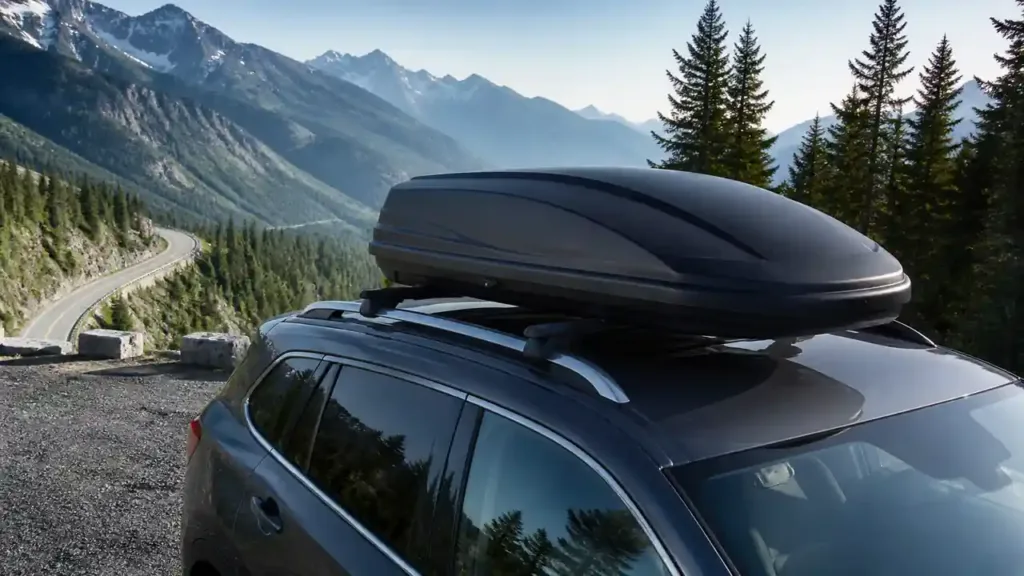
There’s a reason roof cargo boxes show up the moment a family trip turns into a Tetris match at the curb. Once the stroller, coolers, jackets, boots, and beach gear start fighting for the same trunk space, a good box feels like a breath of fresh air. The catch is that plenty of shoppers grab the first roomy model they see and then learn the hard way that roof clearance, opening style, noise, and mounting quirks can make or break the experience.
The best roof cargo box for one buyer can be a bad fit for another. A weekend skier may care most about ski length and dual-sided access, while a road-tripping parent may want easy loading, secure locks, and enough room for soft bags without turning the box into a brick in the wind. Material quality matters too, because a bargain box that flexes, rattles, or fights you at every install gets old fast. The sweet spot is a model that fits your rack, handles your gear, and makes packing feel less like a chore.
The top pick below stands out because it balances space, security, and everyday usability without leaning too far into any one flaw. A few other models bring serious value, and a couple of premium choices feel almost luxurious once they’re on the roof, humming quietly down the highway.
If you are short on time, the quick picks and comparison table below give a fast way to size up the strongest options.
Quick Picks
- Best Overall: SportRack Vista XL Rear Opening Cargo Box
- Best Budget: Heavy Duty Rooftop Cargo Carrier
- Best Premium: Thule Force 3 XL US
- Best Value: TUFFIOM 13.4 Cu.Ft. Rooftop Cargo Box
Best Roof Cargo Box Comparison Table
| Product | Best For | Capacity | Main Strength |
|---|---|---|---|
| SportRack Vista XL Rear Opening Cargo Box | Families wanting generous room and easier curbside safety | 18 cu ft | Rear opening and broad rack compatibility |
| Thule Pulse 2 Aerodynamic Roof Mounted Box, Size L | Buyers who want refined road manners and dual-side access | 16 cu ft | Tool-free mount with premium fit and finish |
| Heavy Duty Rooftop Cargo Carrier | Shoppers seeking a straightforward hard box on a tighter budget | 110 lbs load rating | Simple construction with practical locking |
| Thule Pulse 2 Aerodynamic Roof Mounted Box, Size M | Smaller vehicles and lighter packing needs | 14 cu ft | Compact footprint with the same premium convenience |
| Car Rooftop Cargo Carrier Bag | Occasional travelers who need max flexibility and low cost | 21 cu ft | Waterproof soft-shell convenience |
| Thule Force 3 XL US | Frequent travelers who want top-tier durability | Large cargo box class | Robust build and secure SlideLock system |
| TUFFIOM 13.4 Cu.Ft. Rooftop Cargo Box | Practical buyers who want solid capacity for the money | 13.4 cu ft | Lightweight body and dual-side access |
| Rooftop Cargo Box Carrier | Drivers who want a sleek, mid-sized hard shell | 14 cu ft | Aerodynamic design with strong cargo hold |
| Yakima SkyBox NX 18 Roof Top Cargo Carrier | Adventure-focused buyers who want premium security | 18 cu ft | Solid metal handle and clean, rugged construction |
For a closer look at how these boxes differ in daily use, the reviews below spell out the tradeoffs that matter most.
1. Best Overall: SportRack Vista XL Rear Opening Cargo Box

The SportRack Vista XL earns the top spot because it hits the sweet middle ground that so many road-trip buyers are hunting for. Its 18 cubic feet of space is roomy enough for suitcases, camping duffels, and bulky seasonal gear, but the bigger story is that rear opening. If you have ever stood on a wet shoulder with traffic rushing past your elbow while trying to fish out a jacket, you already know why that matters. Access from the back keeps the loading zone away from the road, and that little bit of calm can make the whole box feel safer and less awkward to use.
SportRack also gives it a practical edge with tool-free mounting hardware and broad rack compatibility, which helps the Vista XL feel friendly for buyers who do not want to spend an afternoon wrestling with brackets. The ABS shell is UV-resistant, so it is built with the sort of everyday weather abuse that can turn cheaper plastic chalky and tired. It is not the sleekest box on this list, and it does not have the polished premium aura of Thule or Yakima, but for a family who wants a dependable, honest workhorse, this one lands in a very satisfying place.
Pros
- Large 18 cubic foot capacity suits family trips and bulky bags.
- Rear opening keeps loading away from passing traffic.
- Tool-free installation is easier than many hard-shell competitors.
- UV-resistant ABS material adds useful weather protection.
- Works with a wide range of rack styles, which improves flexibility.
Cons
- The shape is practical rather than especially sleek.
- Rear access can feel less convenient in tight garages.
- Weight limit is lower than some premium large boxes.
This is the one I would point to for buyers who want a real roof cargo box without overcomplicating the decision. It fits a family vacation rhythm well, especially if the box will live on the car through several seasons of soccer weekends, ski runs, and summer escapes. Shoppers who prioritize polished aerodynamics or upscale hardware may look higher up the ladder, but for plain usefulness, the Vista XL is hard to argue with.
To buy this product, click here.
2. Best Premium: Thule Pulse 2 Aerodynamic Roof Mounted Box, Size L

The Thule Pulse 2 in Size L feels like the box for people who are tired of roof gear that creaks, flexes, and makes every mile sound like a science experiment. Its 16 cubic feet of storage is a strong fit for families, skiers, and travelers who need a solid amount of room but do not want a cargo box that dominates the roofline. The big win here is the way it balances usability with a premium finish. Dual-sided opening makes real-world packing less annoying, because you can load from the side that actually faces the driveway or the hotel curb.
Thule’s tool-free mounting system and torque indicator add a layer of confidence that cheaper boxes often skip. That click when the box is properly attached is the sort of small detail that matters on a long day, especially when the car is already full, the kids are asking about snacks, and you are one minute away from pulling out of the driveway. The ASA-ABS shell is also built for long-term abuse from sun, scratches, and weather. It is expensive, yes, but it feels like the kind of purchase that stays useful long after the novelty wears off.
Pros
- Dual-sided opening makes loading easier in real parking situations.
- Torque indicator adds reassurance during installation.
- Streamlined design suits modern vehicles nicely.
- Durable ASA-ABS material is built for long-term use.
- Full trunk access is easier thanks to the forward roof placement.
Cons
- Premium pricing pushes it out of reach for some buyers.
- 16 cubic feet may feel modest for larger families.
- Its polished design comes with a serious investment.
Buy this if your roof cargo box will see frequent use and you want a refined, low-drama experience every time you pack it. It is especially appealing for travelers who hate fiddly installs and want a box that feels confident at highway speed. If your usage is rare and casual, the price sting may be hard to justify, but if you are on the road a lot, the comfort and polish start making more sense.
To buy this product, click here.
3. Best Budget: Heavy Duty Rooftop Cargo Carrier

This heavy-duty cargo carrier is the kind of budget-minded box that gets attention because it skips the fluff and leans into straightforward function. It uses ABS plastic, locks securely, and offers a simple hard-shell layout that protects gear from rain, dirt, and freezing weather. For buyers who need extra storage without splashing out on a premium brand, that plainspoken approach is refreshing. It looks basic, sure, but a lot of road-trip gear lives in the honest middle ground between fancy and flimsy, and this box sits right there.
The 110-pound load rating and compactish 53 x 34 x 15 inch footprint make it appealing for light to moderate hauling. Think carry-ons, weekend bags, kids’ sports gear, and a few soft duffels rather than giant expedition loads. The non-slip bottom and included mounting brackets help it feel more secure than many ultra-cheap alternatives, and the no-tool installation pitch makes it less intimidating for first-time buyers. If you have ever stared at a roof accessory in the driveway and thought, “I just need this to work without drama,” this model speaks that language.
Pros
- One of the more approachable hard-shell choices on a tighter budget.
- ABS construction offers useful protection from weather and grime.
- Locking design adds basic security for stored gear.
- No-tool installation helps keep setup simple.
- Compact dimensions can suit smaller vehicles better than oversized boxes.
Cons
- Capacity is more modest than the largest boxes here.
- The finish and hardware feel less refined than premium competitors.
- Best for lighter-duty use rather than frequent heavy packing.
This is a smart pick for shoppers who want a real hard box without paying for brand prestige or elaborate features. It is well suited to occasional travel, local winter gear hauling, or anyone who wants to dip into roof storage without a huge upfront commitment. If you need a box that will be opened and closed constantly for years, a more premium model may be worth the stretch, but for simple storage on a practical budget, this one delivers.
To buy this product, click here.
4. Best For Smaller Vehicles: Thule Pulse 2 Aerodynamic Roof Mounted Box, Size M

The medium-size Thule Pulse 2 is the one you look at when the big boxes seem too long, too tall, or just a bit much for the vehicle sitting in your driveway. With 14 cubic feet of space, it is still plenty useful for a couple of suitcases, ski gear, or family luggage, but it keeps a more restrained footprint on the roof. That matters for buyers with compact SUVs, sedans with factory bars, or drivers who want cargo help without feeling like they’ve strapped a shipping container overhead.
Like its larger sibling, this model leans into the kind of convenience that premium buyers tend to appreciate once they have used it a few times. Dual-sided opening keeps loading less awkward, and the tool-free installation with torque confirmation reduces the “Did I mount this correctly?” anxiety that can spoil a trip before it starts. The ASA-ABS shell should hold up well over time, and the forward roof position helps preserve trunk access. If you have ever packed in the driveway at dawn while the coffee is still too hot to sip, the appeal of easy access and quiet confidence will make sense fast.
Pros
- Smaller footprint is easier to live with on compact vehicles.
- Dual-sided access makes packing more flexible.
- Premium mounting confidence is a real plus for frequent use.
- Durable shell resists weather and everyday wear well.
- Still offers useful cargo room for weekend travel.
Cons
- 14 cubic feet may be limiting for larger family loads.
- Price still sits firmly in the premium zone.
- Not the best choice if maximum capacity is the main goal.
This box suits drivers who need premium quality but do not want the largest silhouette on the roof. It is a neat fit for smaller households, solo travelers with gear-heavy hobbies, or anyone who parks in tighter residential spaces. If your priority is maximum volume, skip it. If your priority is a well-made box that feels easy to live with, it makes a lot of sense.
To buy this product, click here.
5. Best Soft-Sided Option: Car Rooftop Cargo Carrier Bag
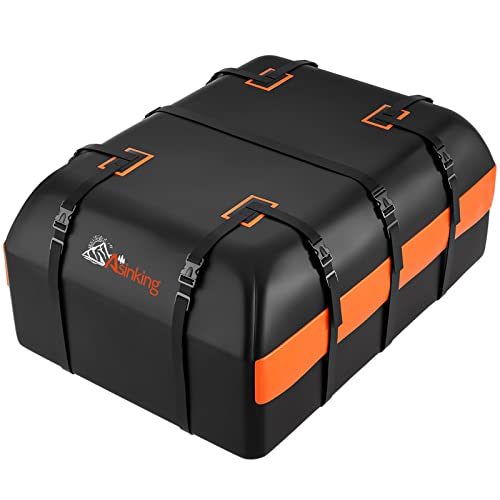
Not every buyer needs a hard shell, and this roof cargo bag makes that very clear. It is the cheap-seat ticket to extra storage, with 21 cubic feet of space and a waterproof build that is meant to shrug off rough weather. For a road trip that includes a couple of suitcases, sleeping bags, and a bundle of “why do we own so many jackets?” clothing, the size is genuinely handy. The softness is part of the appeal, since it can adapt to awkward loads a rigid box would fight.
This bag also stands out because it works with vehicles that do or do not have roof racks, which opens the door for more shoppers than a typical hard box. The anti-slip mat, door hooks, extra straps, and included lock make the package feel better thought out than the average no-name roof bag. That said, it is still a soft carrier, so it will never feel as rigid, secure, or sleek as a proper cargo box. Picture it as the scrappy travel companion that saves the day for occasional road trips, rain-soaked weekends, and family visits where the trunk is already overflowing.
Pros
- Very affordable compared with hard-shell roof boxes.
- Large 21 cubic foot capacity is excellent for soft luggage.
- Works with many vehicles, including some without roof racks.
- Waterproof build is a major plus in bad weather.
- Easy to store when not in use because it folds down.
Cons
- Less secure and less rigid than a hard shell.
- More wind-sensitive than streamlined cargo boxes.
- Not the best pick for frequent long-term roof use.
Choose this if your budget is tight, your trips are occasional, or you want the simplest possible way to add space for a vacation. It is especially useful for renters, first-time roof storage buyers, and people who need a flexible solution rather than a permanent-looking accessory. If you want a box that feels like part of the car, keep shopping. If you want extra room with minimal pain, this bag delivers.
To buy this product, click here.
6. Best For Heavy Use: Thule Force 3 XL US

The Thule Force 3 XL is built for the buyer who treats roof storage like a regular part of life rather than an occasional convenience. Thule positions it for daily use and active lifestyles, and that shows up in the overall feel. The mounting system is meant to be quick and secure, the dual-side access makes loading easier in real parking lots, and the SlideLock system adds a satisfying bit of mechanical certainty. This is the kind of box that can sit on an SUV through ski season, spring camping, and summer road trips without looking or feeling tired.
What makes it especially appealing is that sense of durability paired with polish. It looks clean, it closes securely, and it has been tested in Thule’s own center for road safety and durability, which gives it the kind of credibility buyers pay extra for. If you have ever had a box that rattled itself into a soundtrack at 65 mph, the premium calm of this model is deeply appealing. The downside is obvious: the price is steep. But for frequent use, the build quality starts doing real work over time, and that can justify the spend faster than first glance suggests.
Pros
- Excellent build quality suited to frequent use.
- Dual-side access makes daily packing easier.
- SlideLock system adds confidence that the lid is secure.
- Mounting is designed to be quick and intuitive.
- Strong road-testing pedigree supports its premium reputation.
Cons
- One of the most expensive options in this roundup.
- May be more box than casual travelers need.
- Premium size and finish come with premium expectations.
This is for serious travelers, active families, and buyers who want a roof box they can trust without babying it. If you travel a few times a year, it may feel like overkill. If the box stays busy through the seasons, the extra spend starts looking smarter. There is a reason premium gear keeps getting passed down to the next car.
To buy this product, click here.
7. Best Value: TUFFIOM 13.4 Cu.Ft. Rooftop Cargo Box

The TUFFIOM box has a very appealing personality for shoppers who want sensible capacity, easy handling, and a price that does not sting too much. Its 13.4 cubic feet may sound modest at first, but it is enough for a solid weekend load, a few suitcases, or seasonal gear, especially if you tend to pack efficiently. The lightweight build matters here. At roughly 24 pounds, it is less of a wrestling match to lift onto crossbars than some heavier hard boxes, and that can be the difference between “I’ll install it myself” and “I need a second person and a lot of patience.”
Dual-side opening adds genuine convenience, and the locking system on both sides helps the box feel secure without becoming fussy. The ABS material and 3-year warranty give it a bit more confidence than many budget imports that seem unsure of themselves right out of the box. It also has a streamlined shape that should help keep wind noise under control. If your trips are practical rather than glamorous, and you just need a decent-looking cargo box that gets the job done, this one fits nicely into that lane.
Pros
- Strong value for buyers who want a real hard-shell box.
- Lightweight enough to simplify installation.
- Dual-side opening improves everyday usability.
- 3-year warranty is reassuring in this price tier.
- Streamlined shape helps reduce drag and noise.
Cons
- Capacity is smaller than the biggest family boxes.
- Build quality is good for the class, but not premium.
- Fit measurements deserve careful checking before purchase.
This is a strong pick for value hunters who still want a hard shell instead of a soft bag. It works especially well for occasional travelers, small families, and buyers who want a better roof solution than a cheap bag without jumping all the way to the premium tier. If your packing tends to balloon out of control, choose a larger model. If your gear is disciplined and your budget has limits, this one lands in the sweet spot.
To buy this product, click here.
8. Best Mid-Size All-Rounder: Rooftop Cargo Box Carrier
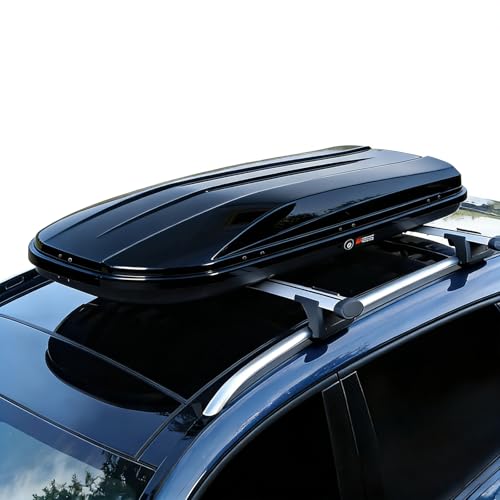
This mid-size rooftop box is aimed at the buyer who wants a modern hard shell with solid capacity and a calmer on-road personality. Its aerodynamic shape is a welcome touch, because a lot of cargo boxes promise extra space but deliver wind whistle that can get old on the first long interstate haul. With 14 cubic feet of room and a 165-pound capacity, this model is aimed at everyday families and adventure-seekers who want a box that feels useful without going monstrous on the roof.
The dual-side opening and included locking hardware make it easy to live with, especially during packed parking-lot days when you are loading from the side nearest the curb or the garage wall. The universal fit claims widen its appeal, and the waterproof ABS shell gives it the kind of basic weather resistance shoppers expect from a hard cargo carrier. A model like this works well in real life for the family that alternates between school runs, weekend escapes, and the occasional big haul to grandma’s house, because it tries to be versatile instead of flashy.
Pros
- Aerodynamic shape should help with wind noise and drag.
- Good mid-size capacity for many households.
- Dual-side access boosts convenience in cramped spots.
- Waterproof ABS shell adds practical weather protection.
- Strong load capacity relative to its size class.
Cons
- Brand recognition is lower than the biggest names here.
- Spec labeling can feel a little inconsistent across listings.
- Fit checking is still important before buying.
This is the kind of box that suits a broad range of users, which is exactly why it belongs in a roundup like this. It is a sensible choice if you want something more polished than a budget box but do not want to pay top-shelf Thule or Yakima money. If your trips are varied and your roof box has to do a bit of everything, it deserves a close look.
To buy this product, click here.
9. Best For Security And Rugged Style: Yakima SkyBox NX 18 Roof Top Cargo Carrier

The Yakima SkyBox NX 18 feels like the box you buy when you want strong security, a refined look, and enough room to handle real travel loads without feeling fragile. Eighteen cubic feet is a very useful size for families, ski trips, and gear-heavy weekends, and the dual-sided opening makes it easy to use from either side of the vehicle. The full metal opening handle gives it a sturdier, more confidence-inspiring feel than many plastic-latch rivals, and that matters more than people think once the box is covered in road dust and being used with cold fingers at a trailhead.
The NX nano-texture on the lid and base adds a clean finish that looks sharp without being flashy. It is the sort of design detail that makes the box feel more polished in a driveway and less like a plastic add-on. Yakima’s heritage also helps, because the brand has a long history in outdoor hauling, and this product seems aimed squarely at that crowd. If you like weekend mountain runs, family travel, and gear that feels rugged without looking clunky, this one has a lot going for it. The main drawback is the premium cost, which puts it in the same expensive conversation as the top Thule models.
Pros
- Generous 18 cubic foot capacity suits many family trips.
- Dual-sided access makes packing much easier.
- Full metal handle adds a strong sense of security.
- Clean, rugged finish looks sharp on modern vehicles.
- Good for skis and outdoor gear, especially longer items.
Cons
- Premium pricing is a real hurdle for casual buyers.
- More than some drivers need for simple luggage duty.
- Best fit depends on matching rack and roof dimensions carefully.
Choose the SkyBox NX 18 if you want a premium box with an outdoorsy soul and strong real-world usability. It is a particularly smart fit for skiers, campers, and families that travel with a mix of long and bulky gear. If you care more about low cost than high-end feel, there are better bargains above. If you want a box that looks good, locks well, and feels ready for hard use, this Yakima has real appeal.
To buy this product, click here.
How To Choose The Right Best Roof Cargo Box
Start With Real Cargo Needs
The easiest mistake is buying by cubic feet alone. A box can look huge on paper and still feel awkward if your gear is bulky, tall, or oddly shaped. Soft duffels, ski bags, and collapsible luggage stack differently from rigid suitcases, so match the shape of the box to the way you actually travel. A family of four heading out twice a year has very different needs from a skier who wants to haul long gear every winter weekend.
Check Roof And Crossbar Compatibility
Roof boxes are picky in a way shoppers often underestimate. Crossbar spacing, bar shape, and roof clearance can all affect whether a box fits cleanly or feels like a headache from day one. A model with broad compatibility is helpful, but the measurements still matter. Measure twice, then compare the numbers to the product listing before you click buy.
Think About Opening Style
Rear opening, side opening, and dual-sided access each have a personality. Rear-opening boxes can feel safer on busy roads. Dual-sided boxes are a dream in tight parking lots. A single-side box can still work well if your parking setup is predictable. If you are constantly loading in driveways, hotels, and trailhead lots, easy access is worth paying attention to.
Choose The Right Material And Build Quality
ABS and ASA-ABS shells are common for a reason. They hold up well, resist weather, and can keep the box feeling solid without turning it into a brick. Cheaper plastic can flex or feel thin, which usually shows up after a season of sun and highway miles. A sturdier shell may cost more, but it tends to age better and stay quieter on the road.
Pay Attention To Security And Locking
Locks are more than a checkbox. A good locking system should hold the lid closed, secure the contents, and inspire trust when you leave the car parked at a hotel or trailhead. Some premium models do this with more confidence than budget picks, and that difference shows up fast the first time you need to walk away from the vehicle.
Don’t Ignore Wind Noise And Driving Feel
Box shape matters once you hit highway speed. A box that is too blunt or too tall can create a steady hum that gets tiring after a few hours. Aerodynamic profiles usually help, especially for drivers who keep the box on the roof more often. If the box will live there all season, a cleaner shape is worth serious thought.
Match Budget To Frequency Of Use
Occasional vacation gear can get by with a cheaper box or even a roof bag. Frequent travelers usually appreciate the smoother installs, better hardware, and quieter ride of premium models. The trick is being honest about how often the box will actually get used. Spending more makes sense when the box becomes part of your routine. If it only appears for one road trip a year, value picks start looking a lot smarter.
Best Roof Cargo Box FAQ
What Size Roof Cargo Box Is Best For Families?
For most families, 14 to 18 cubic feet is the useful range. That size usually handles suitcases, kids’ gear, and weekend luggage without turning the roof into a giant sail. Larger families or gear-heavy trips may benefit from the full 18 cubic feet class, especially if the cabin is already packed with people and pets.
Are Roof Cargo Boxes Better Than Roof Bags?
Hard boxes are usually better for security, durability, and road feel. Roof bags cost less and store more easily when not in use, which is handy for occasional travel. If you want something semi-permanent that feels secure and cleaner on the highway, a hard box is the stronger choice. If budget and flexibility matter most, a bag can still be a smart move.
Will A Roof Cargo Box Hurt Fuel Economy?
Yes, usually at least a little. Any cargo on the roof creates drag, and bigger or blunter boxes tend to affect mileage more. Aerodynamic shapes help reduce the hit, but there is no free lunch here. The tradeoff is extra storage, so most buyers accept some fuel loss in exchange for a less cramped cabin.
Can I Use A Roof Cargo Box With Factory Crossbars?
Often yes, but compatibility is not automatic. Some boxes work with factory bars, while others need specific spacing or bar shapes. It is smart to compare the roof box fit guide with your vehicle’s setup before buying. A few extra minutes of checking can save a major headache later.
What Is The Safest Way To Pack A Roof Box?
Keep heavier items lower and closer to the center, then pad the load so it does not slide around. Avoid overstuffing the box, and make sure the lid closes cleanly before driving. It also helps to recheck the lock and straps after the first few miles, especially if the load is new or unevenly packed.
How Hard Is It To Install A Roof Cargo Box?
That depends on the model. Some boxes use tool-free mounting and are manageable for one person, while larger or heavier units are more comfortable with two people. Once you have installed a box once or twice, it usually gets easier. Premium mounting systems tend to save time and frustration, which is one reason many buyers pay extra for them.
Should I Leave The Cargo Box On Year-Round?
You can, but many drivers choose to remove it when they are not using it. Leaving it on all year can add wind noise, drag, and exposure to weather and sun. If you travel often, leaving it mounted may be worth the convenience. If it only comes out for seasonal trips, storing it between uses can help preserve its finish and cut daily hassle.
Final Verdict
The SportRack Vista XL Rear Opening Cargo Box takes the top spot because it blends size, security, and sane everyday usability in a way that feels easy to trust. The rear-opening layout is a genuine advantage for safer access, the 18 cubic feet of storage is generous, and the install setup is friendly enough that it does not feel like a weekend project. If you want a premium experience, the Thule Force 3 XL US and Yakima SkyBox NX 18 are the polished heavy hitters, while the Thule Pulse 2 models bring a refined mix of convenience and road manners in different sizes.
For budget-minded shoppers, the Heavy Duty Rooftop Cargo Carrier and TUFFIOM 13.4 Cu.Ft. Rooftop Cargo Box offer solid value without pretending to be luxury gear, and the Car Rooftop Cargo Carrier Bag remains the easy answer for occasional use and tighter wallets. The best choice really comes down to your vehicle, your storage habits, and how often the box will sit on the roof waiting for the next escape. Pick the box that fits your real trips, not the fantasy version, and you will end up with gear that feels useful every time you load it up.