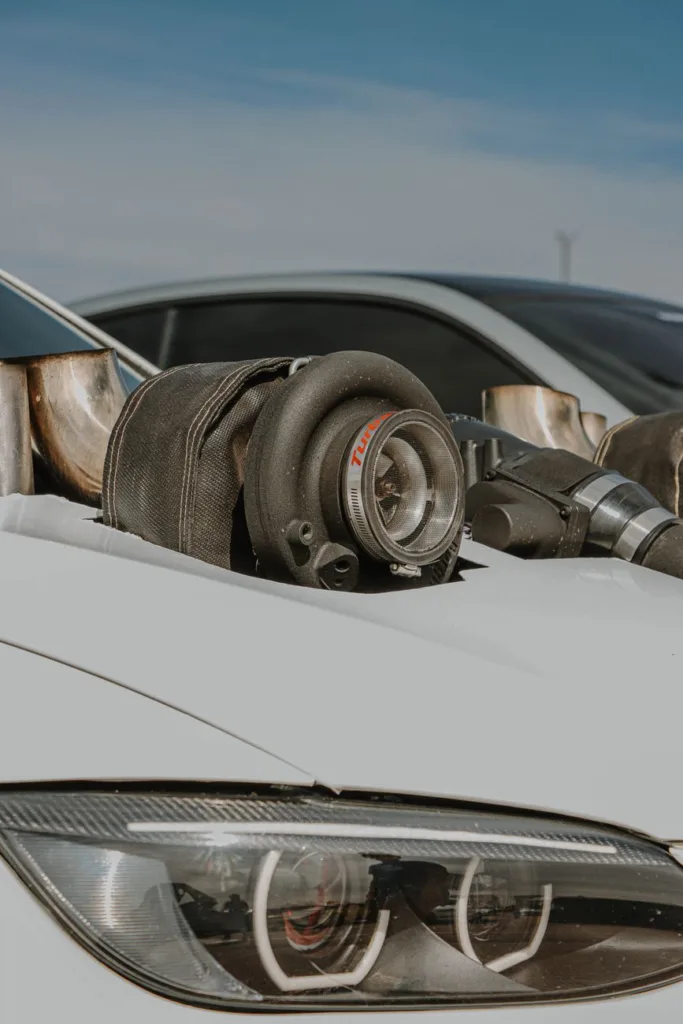
A turbocharger can last a very long time, often 100,000 to 150,000 miles or more, but its actual lifespan depends heavily on maintenance, driving habits, engine condition, oil quality, and how hard the turbo is worked. In some vehicles, a turbo may fail much earlier. In others, especially well-maintained engines used mostly for steady driving, it can last the life of the vehicle.
The simple answer is that there is no single mileage number that applies to every turbocharger. A turbo is a high-speed, high-heat component that depends on clean oil, proper cooling, and good engine health. If those conditions are met, it can last for many years. If they are ignored, turbo wear can show up much sooner.
If you are trying to understand whether your turbo is nearing the end of its life, the more useful question is not just how long does turbocharger last, but also what shortens turbo life, what symptoms to watch for, and how to make it last longer. Those are the topics covered below.
What Does a Turbocharger Do?
A turbocharger uses exhaust gases to spin a turbine. That turbine drives a compressor wheel that forces more air into the engine. More air allows the engine to burn more fuel, which increases power without needing a larger engine.
That basic idea is simple, but the operating environment is not. Turbochargers spin extremely fast, often at speeds far higher than most engine parts. They also deal with very hot exhaust flow and depend on a steady supply of engine oil, and sometimes coolant, to keep internal parts from wearing out.
Because of that, a turbocharger is not a part that usually fails from a single event. More often, it wears down gradually. Oil problems, contaminated air, overheating, and poor shutdown habits can all shorten its service life.
How Long Does a Turbocharger Last in Real Use?
Most modern turbochargers are designed to last a long time, and many do. A common real-world lifespan is around 100,000 to 150,000 miles, but that is only a rough reference point. Some fail before 80,000 miles. Others last well beyond 200,000 miles when maintained properly.
What matters most is how the vehicle is used. A turbo on a commuter car that sees regular oil changes and mostly normal driving will usually last longer than one on a vehicle that is driven hard, shut off immediately after heavy acceleration, or maintained with infrequent oil service.
Vehicle design also plays a role. Some turbo engines run higher boost pressure, tighter packaging, and more heat than others. That does not automatically mean they are unreliable, but it does mean they may be less forgiving of neglect.
Typical Turbocharger Lifespan by Use Case
| Use Case | Typical Lifespan | Notes |
|---|---|---|
| Well-maintained daily driver | 100,000 to 150,000+ miles | Often lasts much longer with proper oil changes and normal driving |
| Highway-focused driving | 120,000 to 200,000+ miles | Steady driving is usually easier on the turbo than stop-and-go abuse |
| Hard-driven performance use | 60,000 to 120,000 miles | More heat and boost can shorten life if maintenance is not excellent |
| Neglected maintenance | Can fail early, sometimes under 80,000 miles | Dirty oil and overheating are common causes of early wear |
What Shortens Turbocharger Life?
Turbochargers usually do not fail without warning or cause. They wear out faster when the engine and its supporting systems are not in good shape. Understanding the main causes can help you avoid expensive repairs.
Poor Oil Maintenance
Oil is the turbocharger’s lifeblood. The turbo shaft and bearings depend on clean, correctly flowing oil to reduce friction and control heat. If oil is old, low, dirty, or incorrect for the engine, the turbo may wear out faster.
One of the most common mistakes is stretching oil change intervals too far. Turbo engines can be harder on oil than naturally aspirated engines because the oil is exposed to higher temperatures. Dirty oil can form deposits inside the turbo’s bearing housing and oil passages, which can eventually damage the unit.
Shutting Off the Engine Immediately After Hard Driving
After heavy acceleration, towing, climbing hills, or driving at highway speeds for long periods, the turbo is extremely hot. If the engine is shut off right away, oil circulation stops while the turbo is still heat-soaked. That can cook oil inside the turbo and leave behind carbon deposits.
Modern engines are better protected than older ones, and many have improved cooling strategies. Even so, giving the engine a short cooldown after hard use is still a sensible habit, especially for vehicles that are driven aggressively or loaded heavily.
Dirty Air Intake System
A turbocharger compresses air, so anything that gets past the air filter can be very damaging. Dust, sand, and debris can erode the compressor wheel and bearings over time. A clogged air filter can also make the turbo work harder than necessary.
In dusty climates, off-road use, or very high-mileage vehicles, air intake maintenance matters a lot. Cracked intake boots, loose clamps, or damaged hoses can also let in debris or allow unmetered air leaks that affect performance.
Excessive Heat
Heat is a major enemy of turbo life. Turbochargers operate in a hot environment by design, but excessive or repeated heat cycles can eventually damage seals, bearings, and internal components. Heat management matters especially on engines that run high boost or are tuned for more power than stock.
If a vehicle has coolant circulation issues, low oil level, or a failing radiator fan, turbo stress can increase. In many cases, turbo failure is part of a larger cooling or lubrication problem rather than an isolated failure.
Engine Tuning and Modifications
Some tuning changes increase boost pressure, fueling, and exhaust temperature. That can improve performance, but it can also reduce the safety margin built into the original design. A turbo running beyond its intended range may wear out faster, especially if supporting upgrades are incomplete.
Not all tuned vehicles suffer turbo problems, but modified setups typically require more careful maintenance. The better the tune and supporting hardware, the more likely the turbo is to survive. Poor tuning, on the other hand, can create overspeed, overheating, and detonation risks that stress the entire engine.
Foreign Object Damage
If a small object enters the intake or exhaust side, it can damage turbo blades quickly. This is less common than oil-related wear, but it can happen if an intake pipe fails, hardware breaks loose, or the filter system is compromised.
Even minor damage can upset wheel balance inside the turbo, which may cause vibration, noise, and faster bearing wear.
Signs a Turbocharger May Be Wearing Out
A turbo does not usually fail silently. The vehicle often gives clues first. Some symptoms are easy to miss because they can also point to other engine problems, but they are worth checking early.
Common Warning Signs
- Loss of power, especially during acceleration
- Whining, siren, or grinding noises from the turbo area
- Excessive smoke from the exhaust, especially blue or gray smoke
- Oil consumption that is higher than normal
- Check engine light or boost-related fault codes
- Limp mode or reduced turbo boost
- Oil leaks near turbo piping or intercooler connections
- Rattling or shaft play if inspected during teardown
These symptoms do not automatically mean the turbo is bad. A boost leak, failed wastegate, stuck diverter valve, bad sensor, or intake restriction can create similar issues. But they are all worth diagnosing quickly because driving too long with a turbo problem can make the damage worse.
What Different Smoke Colors Can Mean
| Smoke Color | Possible Meaning | Notes |
|---|---|---|
| Blue | Oil burning | Can point to turbo seal wear, but also valve seals or piston rings |
| White | Coolant or condensation | Heavy, persistent white smoke can indicate a different engine issue |
| Black | Too much fuel or poor air flow | Often related to fueling, sensors, or intake restrictions rather than the turbo itself |
What Makes a Turbo Last Longer?
Turbocharger life is strongly tied to routine maintenance. A turbo does not need special treatment every day, but it does need consistent care and clean operating conditions.
Follow Proper Oil Change Intervals
Use the oil type and service interval recommended by the vehicle manufacturer. If the driving pattern is severe, such as frequent short trips, towing, hot weather, or stop-and-go traffic, shorter oil intervals may be smarter than the longest interval listed in the owner’s manual.
Fresh oil reduces wear, removes contaminants, and helps prevent carbon buildup in the turbo’s bearing system. On turbo engines, skipping oil service is one of the fastest ways to shorten component life.
Check Oil Level Regularly
Even a small oil leak or gradual oil consumption issue can become a big problem if it is ignored. A turbo can be damaged if oil level drops too low, because the turbo relies on constant lubrication and cooling.
Checking the dipstick or electronic oil level indicator every few fuel fill-ups is a practical habit, especially on older turbo vehicles or engines known to consume some oil.
Use the Correct Fuel and Fix Engine Problems Promptly
If the engine requires premium fuel, use it. If the manufacturer says regular fuel is acceptable, that is a different matter. Detonation, misfires, and poor combustion can create additional heat and stress that may affect the turbo indirectly.
Also, do not ignore check engine lights, overheating issues, coolant loss, or misfires. A turbo often survives when the rest of the engine is healthy. When other problems are allowed to linger, the turbo pays the price too.
Allow a Short Cooldown After Hard Driving
If you have been towing, climbing steep grades, or driving hard, let the vehicle idle briefly before shutting it off. This gives oil and coolant time to carry heat away from the turbo.
For normal daily driving, a long cooldown is usually unnecessary. The key is after hard use, not after every short commute.
Keep the Intake and Intercooler System Clean and Tight
A leaking hose, cracked intercooler pipe, or damaged clamp can cause boost loss and poor engine performance. In some cases, the turbo has to work harder to make up for these leaks, which adds stress.
Replacing a dirty air filter on schedule and checking intake plumbing during regular service can prevent a lot of avoidable problems.
Turbo Lifespan by Driving Style
Driving style makes a noticeable difference in how long a turbocharger lasts. Some patterns are easier on the system, while others keep it under stress almost constantly.
How Different Driving Styles Affect Turbo Wear
| Driving Style | Effect on Turbo | Why It Matters |
|---|---|---|
| Mostly highway cruising | Generally easier on the turbo | Steady loads and fewer heat spikes |
| Frequent short trips | Can be harder on the turbo and oil | Engine may not fully warm up, moisture and deposits can build up |
| Heavy towing | Increases thermal stress | Higher exhaust temperatures and sustained boost |
| Aggressive acceleration | Increases wear over time | More boost, more heat, more shaft speed |
| Warm-up and cooldown habits | Can improve longevity | Reduces thermal shock and oil coking risk |
In everyday terms, a turbo that spends most of its life in moderate conditions will usually age better than one that is constantly pushed near its limit. That does not mean turbos are fragile. It just means they are sensitive to heat, oil quality, and abuse.
Can a Turbocharger Last the Life of the Car?
Yes, it can. Many turbochargers last as long as the vehicle when the engine is properly maintained and not driven in a way that constantly overheats the system. This is especially true for drivers who stay on top of oil changes, fix small leaks quickly, and avoid repeated abuse after the vehicle is already hot.
That said, turbo life is not guaranteed. Some vehicles have other components fail first, some have turbo-related issues earlier in life, and some see wear because of manufacturing differences or operating conditions. A turbo is durable, but it is not a lifetime part in every case.
Common Mistakes Vehicle Owners Make
Many turbo problems are preventable. The trouble is that the habits that shorten turbo life often do not cause obvious symptoms right away.
- Extending oil changes too far
- Using the wrong oil specification
- Ignoring oil leaks or low oil warnings
- Shutting off the engine immediately after heavy driving
- Assuming loss of power is “normal aging”
- Overlooking boost leaks or intake damage
- Continuing to drive with smoke or unusual noises
- Modifying the engine without considering turbo stress
Another common mistake is blaming the turbo for everything. A turbocharger can cause power loss, but so can sensors, fuel delivery problems, spark issues, exhaust restrictions, and vacuum leaks. Proper diagnosis matters before replacing major parts.
How Much Does Turbocharger Replacement Usually Cost?
Turbo replacement costs vary widely depending on the vehicle, whether the turbo is integrated with other parts, and whether related damage has occurred. The turbo itself may be only part of the repair. Oil lines, gaskets, sensors, intercooler hoses, and cleaning may also be needed.
For many vehicles, the total repair can range from a few hundred dollars for a simpler setup to several thousand dollars for more complex or labor-intensive engines. Luxury, performance, and tightly packaged engines often cost more to service because access is difficult and additional parts may be required.
If a turbo fails because of oil starvation or internal engine problems, the repair bill can rise quickly. In those cases, the turbo may be a symptom of a deeper issue rather than the only failed part.
How to Tell Whether the Turbo Is Actually the Problem
Because several engine systems can mimic turbo failure, a proper diagnosis is important. Loss of power may come from low boost, but low boost can be caused by a leak, a faulty actuator, a sensor issue, or an exhaust problem.
A mechanic may inspect the intake plumbing, check for diagnostic trouble codes, test boost pressure, look for shaft play, and examine oil condition. If the turbo has visible oil leaks, damaged blades, or abnormal noise, the diagnosis becomes more likely.
DIY owners can start with simple checks. Look at the air filter, inspect hoses for cracks or loose clamps, and watch for obvious oil residue around the turbo and intercooler piping. If the engine is warning you with smoke, noise, or a major power drop, stop guessing and get it checked.
Maintenance Tips to Help a Turbocharger Last Longer
- Use the correct engine oil specification and viscosity.
- Change oil on time, or sooner if driving conditions are severe.
- Keep the oil level within the proper range.
- Replace air filters when needed, not just when they look terrible.
- Inspect intake hoses, clamps, and intercooler connections during routine service.
- Do not ignore overheating, misfires, or oil leaks.
- Let the engine idle briefly after hard driving before shutting it off.
- Use the fuel grade the manufacturer recommends.
- Keep up with cooling system maintenance.
- Avoid tuning or heavy loads unless the vehicle is designed for it and maintained accordingly.
These habits are not complicated, but they make a real difference. A turbocharger is much more likely to last if it is kept clean, cool, and properly lubricated.
FAQ
How long does a turbocharger last on average?
Many turbochargers last around 100,000 to 150,000 miles, but that is only a general range. Good maintenance and normal driving can stretch that much farther.
Can a turbo last 200,000 miles?
Yes, it can, especially on vehicles with good maintenance history and mostly steady driving. It is not guaranteed, but it is absolutely possible.
What kills a turbocharger the fastest?
Dirty oil, low oil level, overheating, and repeated hard shutdowns after heavy driving are among the biggest causes of early turbo wear.
Does idling hurt or help a turbo?
Idling after hard driving can help the turbo cool down, but long idling all the time is not necessary. A short cooldown is the useful part.
Can I drive with a bad turbo?
You may be able to, but it is not a good idea if the turbo is making noise, smoking, or causing severe loss of power. Continued driving can make the damage worse.
Is turbo failure always expensive?
Not always, but it often is. The cost depends on the vehicle, labor time, and whether related parts like oil lines or intercooler hoses also need replacement.
Do turbocharged engines need more maintenance?
They often need more attention to oil quality and service timing. The maintenance is not necessarily difficult, but it is less forgiving of neglect.
Will premium fuel make my turbo last longer?
Only if the manufacturer recommends premium fuel. Using the correct fuel grade matters more than assuming premium is always better.
Conclusion
A turbocharger can last a very long time, often well past 100,000 miles, and sometimes to 200,000 miles or more. The biggest factors are oil quality, oil change habits, cooling, driving style, and overall engine health.
If you want a turbo to last, treat it like a high-stress precision component. Keep the oil clean, fix intake and cooling problems quickly, avoid repeated abuse when the engine is hot, and pay attention to early warning signs like smoke, noise, and power loss. Those habits do more for turbo life than any single trick or shortcut.