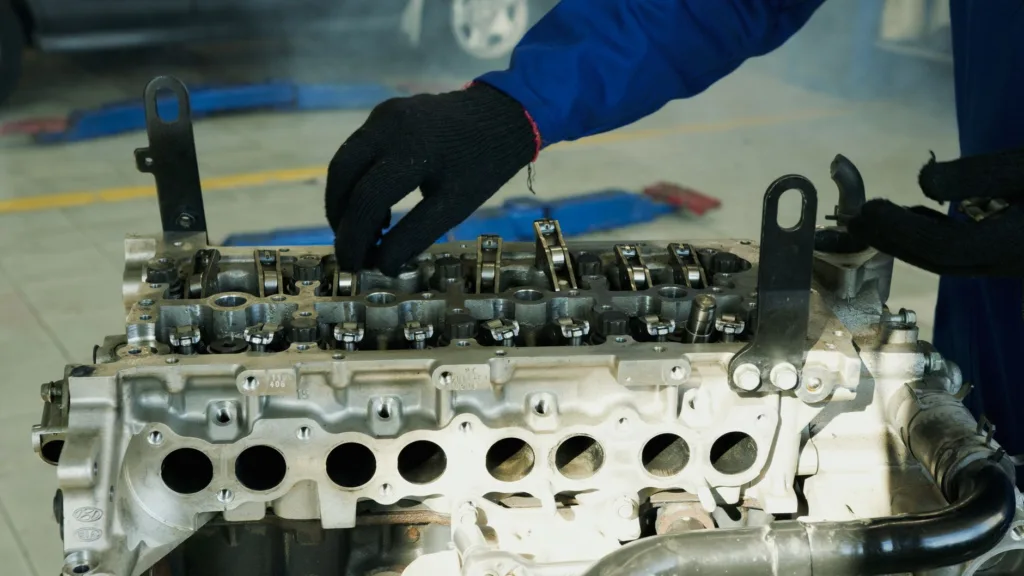
An engine misfire happens when one or more cylinders fail to burn the air and fuel mixture correctly. The most common causes are worn spark plugs, failing ignition coils, fuel delivery problems, vacuum leaks, low compression, and sensor issues that throw off timing or mixture. In simple terms, the engine is not producing smooth, even power from every cylinder, so the car may shake, hesitate, idle roughly, lose power, or turn on the check engine light.
Misfires matter because they are more than just an annoyance. A persistent misfire can damage the catalytic converter, reduce fuel economy, make the vehicle hard to drive, and point to a larger mechanical problem if ignored. Some causes are relatively simple, like an old spark plug, while others involve deeper diagnosis, such as a burnt valve or failing fuel injector.
If your vehicle is misfiring, the fastest path to a fix is to identify when it misfires, which cylinder is affected, and whether the problem is ignition, fuel, air, or compression related. That framework makes the issue much easier to understand.
What an Engine Misfire Actually Means
A gasoline engine relies on four basics in each cylinder: the right amount of air, the right amount of fuel, a strong spark at the correct time, and enough compression to burn the mixture efficiently. If any one of those is missing or weak, that cylinder may misfire.
On a healthy engine, combustion events happen in a smooth sequence. When one cylinder skips a burn or burns poorly, the engine speed briefly drops and the crankshaft no longer spins as evenly. The engine control module often detects that speed change and stores a misfire trouble code.
Common OBD2 misfire codes include:
- P0300 for random or multiple cylinder misfires
- P0301 to P0308 for a specific cylinder misfire, depending on cylinder number
A random misfire usually suggests a broader issue that can affect more than one cylinder. A single-cylinder code often points to a more localized problem, such as a bad plug, injector, or coil on that cylinder.
Most Common Causes of Engine Misfires
| Cause | How It Creates a Misfire | Typical Symptoms | How Common It Is |
|---|---|---|---|
| Worn spark plugs | Weak or inconsistent spark | Rough idle, hesitation, poor fuel economy | Very common |
| Failing ignition coil | Insufficient voltage to fire plug | Shaking, check engine light, misfire under load | Very common |
| Fuel injector problem | Too little or too much fuel in one cylinder | Rough running, fuel smell, cylinder-specific code | Common |
| Vacuum leak | Air enters without being measured properly | High or rough idle, lean codes, random misfire | Common |
| Low compression | Mixture cannot burn effectively | Persistent misfire, power loss, hard starting | Moderately common |
| Fuel pressure issue | Engine does not receive enough fuel volume | Misfire on acceleration, hard starting | Common |
| Sensor or timing issue | Incorrect air-fuel ratio or ignition timing | Check engine light, uneven performance | Moderately common |
| EGR system fault | Exhaust gas enters at the wrong time or in excess | Rough idle, stumble, random misfire | Less common |
Ignition Problems That Cause Misfires
Worn or Fouled Spark Plugs
Spark plugs are one of the most common misfire causes, especially on higher-mileage vehicles or cars that are overdue for tune-up service. Over time, the electrode wears down, the gap changes, and the spark becomes weaker or less consistent.
Plugs can also become fouled by oil, excessive fuel, or carbon buildup. For example, a plug soaked with oil from a leaking valve cover gasket or worn engine internals may stop firing properly.
Signs that point toward spark plug issues include:
- Rough idle that improves at higher rpm
- Jerking during light acceleration
- Hard starting
- Poor fuel economy
- Misfire codes on one or more cylinders
Bad Ignition Coils or Coil Packs
Most modern vehicles use coil-on-plug ignition systems, where each cylinder has its own ignition coil. If one coil weakens or fails, that cylinder may misfire regularly or only under heavier load.
A failing coil often causes a stronger misfire during acceleration, hill climbing, or highway merging because the engine needs a stronger spark under load. In many cases, swapping the suspected coil to another cylinder can help confirm the diagnosis if the misfire code moves with it.
Damaged Plug Wires or Boots
Some older vehicles use plug wires, and many newer ones still use coil boots that can crack or carbon track. When insulation breaks down, spark can leak to ground instead of reaching the plug.
This kind of problem may show up more in wet weather or after engine washing because moisture makes electrical leakage easier. A car that runs worse in damp conditions sometimes has an ignition insulation problem.
Fuel System Problems That Cause Misfires
Clogged or Failing Fuel Injectors
Each injector must deliver a precise spray of fuel into its cylinder. If an injector becomes clogged, sticks, leaks, or stops pulsing correctly, the cylinder can run too lean or too rich and misfire.
A partially clogged injector may cause a light stumble at idle and hesitation on acceleration. A dead injector can produce a constant cylinder misfire and noticeable shaking.
Injector-related misfires may also come with:
- A ticking change from one injector
- Fuel trim problems
- Fuel smell from an over-fueling injector
- One spark plug looking much cleaner or much darker than the others
Low Fuel Pressure
If the fuel pump is weak, the fuel filter is restricted, or the pressure regulator is not working correctly, the engine may not get enough fuel. That can create a lean condition and cause misfires, especially under acceleration.
This kind of problem often affects multiple cylinders instead of just one. A vehicle may idle somewhat normally but stumble badly when you ask for more power.
Contaminated Fuel
Bad gasoline, water in the fuel, or stale fuel can also lead to misfires. This is more likely if the problem began right after refueling or after a vehicle sat unused for a long time.
Contaminated fuel can cause rough running, hard starts, hesitation, and random misfire codes. In a real-world scenario, a seasonal car that sat for months with old fuel may start but run unevenly until the fuel issue is corrected.
Air and Vacuum Problems That Cause Misfires
Vacuum Leaks
An engine depends on controlled airflow. If air enters through a cracked hose, leaking intake gasket, broken PCV hose, or another unmetered path, the engine may run lean. Lean mixtures often misfire, especially at idle.
Vacuum leaks commonly cause:
- Rough idle
- High idle speed
- Hissing sounds under the hood
- Lean trouble codes such as P0171 or P0174
- Random misfires, especially at low rpm
Because vacuum is strongest at idle, many leaks cause the engine to run worse while sitting still than while driving.
Dirty or Faulty Mass Air Flow Sensor
The mass air flow sensor measures incoming air so the computer can add the correct amount of fuel. If the sensor underreports or overreports airflow, the air-fuel mixture can go off enough to create misfires.
This problem can mimic other issues, so diagnosis matters. A dirty sensor might cause hesitation, unstable idle, poor throttle response, and a random misfire condition without being the only fault in the system.
Throttle Body and Intake Carbon Buildup
Carbon deposits around the throttle body or intake valves can affect airflow and mixture quality, especially on direct-injection engines. In some vehicles, intake valve buildup leads to rough cold starts and intermittent misfires.
This is one reason some engines seem to misfire mainly in the morning, then improve once they warm up. The deposits disturb airflow and fuel mixing most when the engine is cold.
Mechanical Problems That Cause Misfires
Low Compression in One Cylinder
If a cylinder cannot hold enough compression, combustion becomes weak or impossible. Low compression can come from worn piston rings, burnt valves, a damaged head gasket, or valvetrain problems.
Unlike a simple plug or coil issue, a compression-related misfire usually does not go away after basic ignition parts are replaced. It often stays on the same cylinder and may be worse all the time, not just occasionally.
Common signs of low compression include:
- Persistent single-cylinder misfire
- Noticeable power loss
- Engine shaking that does not improve much
- Hard starting
- Unusual noises in some cases
Burnt or Leaking Valves
Exhaust valves operate in extreme heat. If a valve becomes burnt or fails to seal, the cylinder loses compression and misfires. This may develop gradually, with a light idle misfire that gets worse over time.
A leak-down test is often used to confirm whether a valve is leaking. This is a more advanced diagnostic step, but it can prevent wasting money on plugs, coils, and injectors when the real issue is internal engine damage.
Head Gasket Problems
A failing head gasket can cause a misfire if coolant enters a cylinder or compression leaks between cylinders. In addition to rough running, you may see coolant loss, white exhaust smoke, overheating, or milky oil, though symptoms vary.
Misfires from coolant intrusion are often more noticeable at startup after the engine has sat. A small amount of coolant can seep into a cylinder overnight and foul combustion on the next cold start.
Timing Chain or Timing Belt Issues
If valve timing is off due to a stretched timing chain, jumped timing, or related problem, cylinders may not fill and fire properly. This can cause widespread misfire symptoms, rough running, poor performance, and timing-related trouble codes.
This is not the most common cause compared with plugs or coils, but it is important because the consequences can be severe in some engines.
Sensor and Control Problems That Can Trigger Misfires
Crankshaft or Camshaft Position Sensor Problems
The engine computer relies on crank and cam signals to know when to fire injectors and coils. If those signals become erratic, spark and fuel timing can be thrown off enough to create misfires or no-start conditions.
Sensor issues may be intermittent. A car might run fine for days, then suddenly stumble, stall, or misfire when hot.
Oxygen Sensor and Fuel Trim Issues
Oxygen sensors do not usually cause a direct cylinder-specific misfire on their own, but bad data from the system can lead to an overly rich or lean mixture. Over time, that can contribute to misfire conditions.
It is important not to jump straight to replacing oxygen sensors just because a misfire is present. Many misfires create oxygen-sensor-related codes rather than being caused by the sensors.
EGR System Faults
The exhaust gas recirculation system helps reduce combustion temperatures and emissions. If the EGR valve sticks open or flows too much at idle, the engine can run rough and misfire.
This tends to show up as an idle stumble, random misfire, or engine that nearly stalls when coming to a stop.
Why Misfires Happen at Certain Times
Misfire at Idle
A misfire that is strongest at idle often points to vacuum leaks, dirty throttle body issues, carbon buildup, injector imbalance, or compression problems. Idle is when the engine is most sensitive to small airflow and mixture errors.
Misfire Under Acceleration
If the misfire gets worse when you press the gas, suspect weak ignition coils, worn plugs, low fuel pressure, or an injector problem. Higher cylinder pressure under load makes weak spark problems easier to notice.
Misfire Only When Cold
Cold-start misfires can be caused by worn plugs, intake valve carbon buildup, coolant seepage into a cylinder, sensor errors, or fuel mixture problems during warm-up. Some engines are especially known for cold-start misfires due to direct-injection carbon buildup.
Misfire Only When Hot
Heat-related misfires often involve ignition coils, crank or cam sensors, or electrical components that fail once they warm up. It is common for these faults to seem intermittent and frustrating.
Random Misfire at Highway Speed
Random highway misfires may suggest fuel delivery weakness, ignition breakdown under load, or sometimes a problem affecting multiple cylinders, such as a vacuum leak or timing issue. If the check engine light flashes while driving, that usually means the misfire is severe enough to risk catalyst damage.
How a Misfire Is Diagnosed
Proper diagnosis usually follows a process rather than a guess. Replacing parts at random gets expensive fast.
Step 1: Read Trouble Codes
An OBD2 scan tool can identify whether the engine has a random misfire or a cylinder-specific misfire. It may also show related codes, such as lean mixture, injector circuit, cam sensor, or catalyst efficiency codes.
Step 2: Look at Freeze-Frame and Live Data
Freeze-frame data shows the conditions when the fault occurred, such as engine load, temperature, and rpm. Live misfire counters, fuel trims, and sensor readings can help narrow down whether the issue is fuel, air, or ignition related.
Step 3: Inspect Basic Ignition Components
Technicians often start by checking spark plugs, coils, boots, and wiring. On many modern engines, this quickly identifies a large share of misfires.
Step 4: Test Fuel Delivery
If ignition checks out, the next step may be injector testing, fuel pressure testing, or balance testing. The goal is to confirm each cylinder is getting proper fuel.
Step 5: Check for Air Leaks or Mechanical Problems
Smoke testing for vacuum leaks, compression testing, and leak-down testing help identify intake leaks and internal engine faults. These tests are especially important when the same cylinder keeps misfiring after plugs and coils are ruled out.
Typical Repair Costs by Cause
Repair costs vary widely by vehicle, engine design, labor rates, and whether the work is DIY or done at a shop. These are rough ranges for context, not fixed quotes.
| Repair Type | Typical Cost Range | Notes |
|---|---|---|
| Spark plug replacement | $100 to $400+ | Higher on engines with difficult plug access |
| Single ignition coil replacement | $100 to $350+ | Varies by coil style and labor |
| Fuel injector replacement | $150 to $600+ each | Direct-injection systems can cost more |
| Vacuum leak repair | $100 to $500+ | Depends on hose, gasket, or intake removal |
| Fuel pump replacement | $400 to $1,200+ | Depends on tank access and vehicle design |
| Compression-related engine repair | $1,000 to several thousand dollars | Major internal repair territory |
| Head gasket repair | $1,500 to $4,000+ | Often labor-intensive |
Can You Keep Driving With an Engine Misfire?
It depends on how severe the misfire is, but it is usually not a good idea to keep driving for long. A light occasional misfire may still allow the car to move, but continued operation can damage the catalytic converter because unburned fuel enters the exhaust.
If the engine is shaking badly, lacks power, stalls, or the check engine light is flashing, driving should be minimized. That generally indicates an active misfire severe enough to cause fast catalyst damage.
In practical terms:
- If the car has a mild rough idle but drives normally, diagnosis should still happen soon.
- If it bucks, flashes the check engine light, or struggles to accelerate, it should be inspected as soon as possible.
- If overheating, coolant loss, loud mechanical noise, or severe power loss is present, stop driving and have it evaluated.
Common Mistakes People Make When Chasing a Misfire
Replacing Parts Without Testing
One of the biggest mistakes is replacing plugs, coils, injectors, and sensors based only on guesswork. Misfires have many causes, and a code only tells you where the symptom appeared, not always why it happened.
Ignoring Maintenance History
If spark plugs are overdue by tens of thousands of miles, they deserve attention early in the process. Maintenance neglect is often part of the story, especially on older daily drivers.
Assuming the Cheapest Problem Is Always the Problem
People often hope the misfire must be just a spark plug, even after replacing plugs did not help. Continuing to assume that can delay discovery of compression loss, injector failure, or timing problems.
Driving Too Long With a Flashing Check Engine Light
A flashing light should not be ignored. Prolonged driving with an active misfire can turn a smaller repair into an expensive exhaust system repair.
Overlooking Simple Clues
Sometimes the basics matter most. A loose connector, oil in a spark plug tube, cracked vacuum hose, or recent fuel contamination can be easier to miss than expected.
Practical Maintenance Tips to Help Prevent Misfires
- Replace spark plugs at the interval recommended for your engine.
- Address check engine lights early instead of waiting for drivability to worsen.
- Fix oil leaks that can contaminate plugs or ignition components.
- Use the correct fuel grade if your vehicle requires it.
- Do not ignore hard starting, rough idle, or reduced fuel economy.
- Keep up with air filter and intake system maintenance.
- Investigate vacuum leaks before they create larger drivability issues.
- If the car sits for long periods, pay attention to fuel quality and battery condition.
Real-World Misfire Examples
High-Mileage Commuter Car
A commuter sedan with 140,000 miles develops a slight shake at idle and a P0302 code. The spark plugs are overdue, and the plug from cylinder 2 is badly worn. Replacing the plugs and the weak coil on that cylinder restores smooth operation.
SUV That Misfires Only on Cold Starts
A direct-injection SUV stumbles for 20 seconds every morning, then runs fine all day. The cause turns out to be intake valve carbon buildup, which disturbs airflow enough to trigger a cold-start misfire.
Truck That Misfires Under Load
A pickup runs fine around town but jerks while climbing hills. Testing shows low fuel pressure at higher demand because the fuel pump is weakening. The problem is not noticeable until the engine needs more fuel volume.
Persistent Single-Cylinder Misfire After Tune-Up
A four-cylinder car still shows P0303 even after new plugs and a swapped coil. Compression testing reveals the third cylinder is low due to a valve sealing problem. This is a good example of why diagnosis matters more than simply replacing common parts.
When to See a Mechanic
You should consider professional diagnosis if the misfire is severe, if the check engine light is flashing, or if basic maintenance items do not solve the problem. A shop can use scan data, compression testing, smoke testing, and fuel system testing to find the real cause more efficiently.
Professional help is especially worthwhile when:
- The misfire returns after replacing plugs or coils
- The same cylinder keeps setting a code
- You suspect fuel injector, compression, or timing problems
- The car is difficult to start or stalls
- Coolant loss, overheating, or smoke is involved
Frequently Asked Questions
Can low oil cause an engine misfire?
Indirectly, yes. Low oil can affect variable valve timing systems or lead to engine wear that contributes to misfires. It is not one of the most common direct causes, but it should not be ignored.
Can a bad battery cause a misfire?
A weak battery usually does not directly cause a running misfire once the engine is operating, but low system voltage can contribute to electrical issues, poor starts, and erratic behavior in some vehicles.
Will a misfire always trigger a check engine light?
Not always immediately, but many modern vehicles will detect repeated misfires and turn on the light. Mild or intermittent misfires can sometimes happen before a code becomes active.
Can bad gas cause a misfire?
Yes. Contaminated, stale, or incorrect fuel can cause rough running, hesitation, and random misfires. This is more likely if the problem started soon after refueling or after long storage.
Is a misfire more likely at idle or during acceleration?
It depends on the cause. Vacuum leaks and compression issues often show up at idle, while weak ignition coils and fuel delivery problems often become more obvious during acceleration.
Can a catalytic converter cause a misfire?
A restricted catalytic converter can create power loss and drivability problems that feel similar to a misfire, but it is more often the result of prolonged misfires than the original cause.
How long do spark plugs usually last before they start causing misfires?
It varies by plug type and engine design. Some conventional plugs wear much sooner than long-life iridium or platinum plugs. Following the vehicle manufacturer’s service interval is the safest approach.
Can one bad injector cause only one cylinder to misfire?
Yes. A clogged, leaking, or non-functioning injector commonly causes a single-cylinder misfire, especially if the problem stays on the same cylinder after ignition parts are checked.
Key Takeaways About What Causes Engine Misfires
Engine misfires happen when a cylinder does not burn its air and fuel mixture properly. The most common causes are ignition problems like worn spark plugs or bad coils, fuel problems like clogged injectors or low pressure, air leaks that create a lean mixture, and mechanical issues like low compression or valve damage.
The pattern of the misfire matters. A rough idle points in a different direction than a misfire under load, and a random P0300 code suggests a different diagnostic path than a single-cylinder code like P0304.
The best approach is to diagnose methodically instead of guessing. If the problem is caught early, it may be a relatively simple repair. If ignored, a misfire can damage the catalytic converter and hide a more serious engine problem underneath.