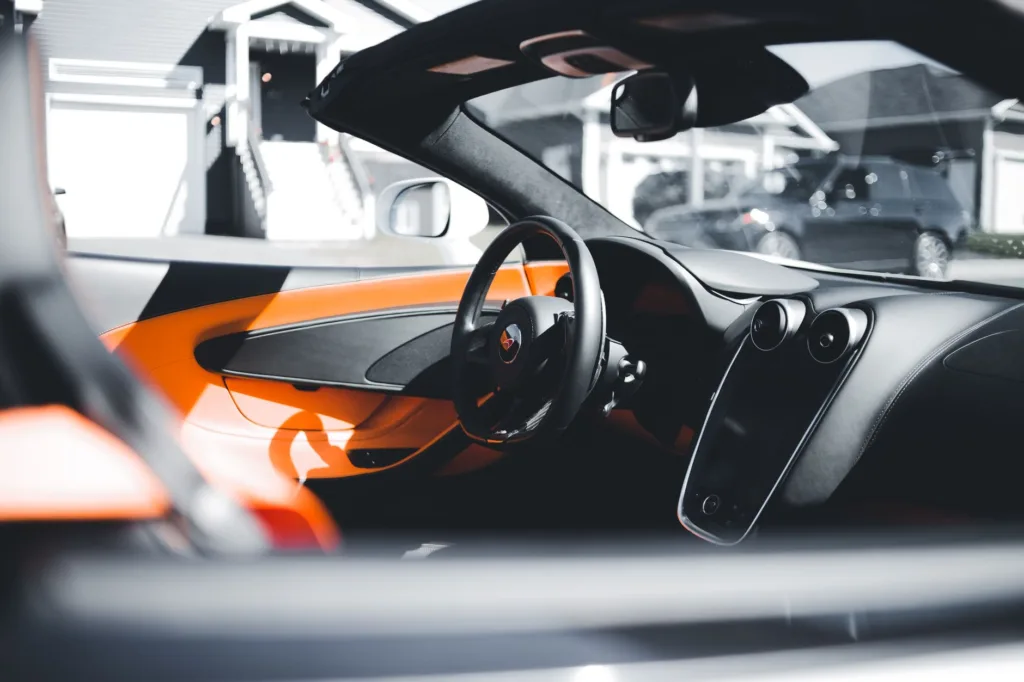
Interior detail vs exterior detail comes down to what part of the vehicle is being cleaned, restored, and protected. An interior detail focuses on the cabin, including seats, carpets, dashboard, vents, glass, and trim. An exterior detail focuses on the outside surfaces, such as paint, wheels, tires, glass, trim, and sometimes engine bay areas.
Both services improve appearance, but they serve different purposes. Interior detailing is mostly about cleanliness, odor control, stain removal, and preserving the materials you touch every day. Exterior detailing is about paint care, contamination removal, gloss, and protection from the elements. In many cases, the best approach is not choosing one or the other, but understanding which one your vehicle needs most right now.
What Is the Difference Between Interior Detail and Exterior Detail?
The simplest way to think about it is this: interior detailing restores and protects the cabin, while exterior detailing restores and protects the outside surfaces. A standard wash may make a car look cleaner, but detailing goes deeper by addressing grime, embedded dirt, stains, oxidation, water spots, and material wear.
Interior detailing is usually more detailed in tight spaces and delicate materials. Exterior detailing often involves more attention to surface correction and contamination removal. The tools, chemicals, and techniques can overlap, but the goals are different.
| Detail Type | Main Focus | Typical Areas | Common Goal |
|---|---|---|---|
| Interior Detail | Cabin cleaning and protection | Seats, carpets, mats, dashboard, door panels, vents, glass | Remove dirt, stains, odors, and dust while preserving materials |
| Exterior Detail | Outside appearance and protection | Paint, wheels, tires, glass, trim, badges, emblems | Restore shine, remove contamination, and protect surfaces |
What Does an Interior Detail Include?
An interior detail is usually a deep cleaning and light restoration process for the cabin. The exact service can vary, but it often includes vacuuming, dust removal, stain treatment, surface cleaning, glass cleaning, and conditioning of certain materials.
Common Interior Detailing Tasks
- Vacuuming carpets, seats, and floor mats
- Cleaning plastic and vinyl surfaces
- Wiping down touchpoints such as steering wheels, door handles, and consoles
- Cleaning interior glass and mirrors
- Deep cleaning fabric seats or carpets when needed
- Leather cleaning and conditioning if the car has leather upholstery
- Odor removal from smoke, pets, food spills, or mildew
- Dusting vents, buttons, and seams
- Cleaning cupholders, storage bins, and other small compartments
Interior detailing can be simple or extensive. A lightly used commuter car may only need a thorough vacuum, wipe-down, and glass cleaning. A family vehicle with spilled drinks, pet hair, and crumbs in every corner may need extraction, stain treatment, and odor elimination.
Why Interior Detailing Matters
The interior affects your daily comfort more than most people realize. You spend your time inside the vehicle, touching the surfaces, breathing the air, and sitting in the seats. That means dirt, odors, and allergens can build up quickly.
Interior detailing also helps preserve materials. Fabric can hold stains if spills are not addressed early. Leather can dry out and crack if it is neglected. Dust and grime in vents and seams can become difficult to remove later if they are allowed to build up over time.
What Does an Exterior Detail Include?
An exterior detail is focused on cleaning and restoring the outside of the vehicle. It goes beyond a basic wash by addressing road film, brake dust, tar, bugs, water spots, oxidation, and bonded contaminants. It may also include surface protection to help the vehicle stay cleaner longer.
Common Exterior Detailing Tasks
- Washing the paint, glass, trim, and wheel surfaces
- Removing bug splatter, tar, and road grime
- Cleaning wheel faces, barrels, and wheel wells
- Decontaminating paint with clay or similar methods when needed
- Polishing paint to reduce light swirl marks and oxidation
- Applying wax, sealant, or other protective layers
- Cleaning and dressing tires
- Cleaning exterior glass
- Refreshing exterior trim and plastic
On vehicles with neglected paint, exterior detailing may also include machine polishing to improve gloss and reduce visible imperfections. That is more involved than a wash and can take significant time depending on the paint condition.
Why Exterior Detailing Matters
Exterior detailing is about more than appearance. Dirt, contaminants, and environmental exposure can affect paint over time. Bird droppings, tree sap, road salt, and industrial fallout can all damage surfaces if they are left in place too long.
Regular exterior care helps slow down wear. It also makes washing easier because a clean, protected surface usually sheds dirt better than a neglected one. For drivers who care about resale value, exterior condition often makes a strong first impression.
Interior Detail vs Exterior Detail: Side-by-Side Comparison
Here is a practical comparison of what each service typically addresses and why the difference matters.
| Category | Interior Detail | Exterior Detail |
|---|---|---|
| Main Purpose | Clean, restore, and protect the cabin | Clean, restore, and protect the outside surfaces |
| Common Dirt Types | Dust, crumbs, stains, body oils, pet hair, odors | Road film, bugs, tar, brake dust, water spots, oxidation |
| Key Surfaces | Seats, carpets, mats, trim, glass, vents, console | Paint, wheels, tires, glass, chrome, trim |
| Typical Tools | Vacuum, brushes, microfiber towels, steam or extraction equipment | Wash mitts, buckets, wheel brushes, microfiber towels, clay media, polishers |
| Common Protection | Leather conditioner, fabric protectant, interior protectants | Wax, sealant, coating, tire dressing, trim protection |
| Best For | Odors, spills, stains, high-touch wear, cabin refresh | Paint gloss, contamination removal, exterior protection, curb appeal |
Which One Should You Choose?
The right choice depends on the condition of the vehicle and what bothers you most. If the cabin smells bad, has stains, or feels dusty and neglected, interior detailing should be the priority. If the paint looks dull, the wheels are filthy, or the vehicle has not been protected in a long time, exterior detailing may be more important.
In many real-world situations, the answer is both. A vehicle used for commuting, groceries, kids, pets, and weekend trips often needs an interior detail and an exterior detail on different schedules.
Choose Interior Detailing First If:
- The cabin has strong odors
- There are spills, stains, or pet hair buildup
- Dust and crumbs are visible in vents, seams, and storage areas
- Leather surfaces feel dry or neglected
- The vehicle is used heavily by children or passengers
Choose Exterior Detailing First If:
- The paint looks dull or chalky
- There is heavy brake dust on the wheels
- Water spots, tar, or bug residue are stuck to the body
- The vehicle is exposed to sun, road salt, or harsh weather
- You want to improve appearance before selling the car
How Interior and Exterior Detailing Differ in Tools and Techniques
Detailing is not just about wiping surfaces. The methods used for the cabin are different from the methods used on paint and wheels because the materials are different and the risks are different.
Interior Detailing Tools and Methods
Interior detailing often relies on soft brushes, vacuums, microfiber towels, and carefully selected cleaners. The key is to remove dirt without damaging delicate surfaces or leaving residue behind.
For fabric seats and carpets, detailers may use extractors or spot treatments to lift embedded grime. For leather, the process usually starts with a cleaner and may end with a conditioner if the material needs it. For screens and gloss black trim, gentle tools matter because these surfaces scratch easily.
Exterior Detailing Tools and Methods
Exterior detailing often requires more focus on surface friction, contamination, and protection. Washing is usually done with safe wash methods to reduce scratching. Wheels may need dedicated brushes because brake dust and road grime are tougher than ordinary dirt.
Paint correction, if needed, involves polishing tools and compounds chosen for the condition of the finish. This part of detailing can make a dramatic visual difference, but it is also one of the most technique-sensitive steps. Too much aggressive polishing can remove more clear coat than necessary.
Common Mistakes People Make With Interior Detailing
One of the most common mistakes is using too much liquid on interior surfaces. Excess moisture can soak into foam, carpets, and electronics. That can lead to lingering smells, slow drying, or even damage in sensitive areas.
Another mistake is using harsh cleaners on screens, soft plastics, or leather. Strong chemicals can stain, dry out, or cloud surfaces. It is better to use a cleaner that matches the material and to test in a small area when unsure.
Other Interior Mistakes to Avoid
- Scrubbing upholstery too aggressively, which can spread stains or damage fibers
- Ignoring air vents and seat seams, where dust and debris collect
- Leaving carpets damp, which can create mildew odor
- Using household cleaners that are not designed for automotive materials
- Forgetting hidden areas such as under seats, in cupholders, and along door pockets
Common Mistakes People Make With Exterior Detailing
Exterior detailing mistakes often show up as scratches, haze, or failed protection. A major issue is washing a dirty vehicle with improper technique. If dirt is dragged across the paint with a dry towel or a contaminated wash mitt, fine scratches can appear.
Another common problem is using the wrong towel for drying or polishing. Cheap or dirty towels can leave lint, streaks, or marring. On dark paint, these mistakes are easier to see.
Other Exterior Mistakes to Avoid
- Washing in direct sun, which can cause spotting and uneven drying
- Using the same tools on wheels and paint, which can transfer abrasive grime
- Skipping wheel cleaning, even though wheels collect heavy contamination
- Applying protection to a dirty surface, which traps contaminants
- Using overly aggressive polish when a lighter approach would work
How Often Should You Detail the Interior and Exterior?
There is no universal schedule because use, climate, parking habits, and personal preferences all matter. Still, many owners use different timing for each area because the cabin and the outside surfaces wear in different ways.
| Area | Typical Maintenance Frequency | Notes |
|---|---|---|
| Interior | Light cleaning every 1 to 2 weeks, deeper detailing every few months | More frequent if you have kids, pets, smokers, or heavy commuter use |
| Exterior | Wash as needed, with periodic detailing every few months | More frequent in winter, coastal areas, or where the car sees lots of road grime |
If you drive in harsh conditions, the outside may need more frequent care. If you spend a lot of time in the vehicle, the inside may need more attention. The best schedule is the one that prevents buildup before it becomes difficult to remove.
What Happens During a Full Detail?
A full detail usually combines interior and exterior work. That can be a good option if the vehicle needs a full reset rather than just a routine cleaning. The process often begins with the outside so dirt is not tracked into the cabin during the job.
For a vehicle in average condition, a full detail may include a thorough wash, wheel cleaning, decontamination, a simple polish if needed, vacuuming, surface cleaning, stain treatment, and final protection on both the interior and exterior surfaces.
Why a Full Detail Takes More Time
A full detail takes longer because it deals with more layers of contamination. A standard wash removes loose dirt. Detailing removes stuck-on debris, embedded grime, old dressings, and visible imperfections. That extra work is what separates detailing from simple maintenance cleaning.
Interior Detail vs Exterior Detail for Resale Value
Both matter when you are trying to sell a vehicle, but they do not influence buyers in exactly the same way. Exterior condition creates the first impression. Interior condition affects the feeling buyers get when they sit inside and inspect the car closely.
If the outside is shiny but the cabin is dirty or smells unpleasant, many buyers will assume the car was poorly cared for. If the cabin is clean but the paint is faded or covered in grime, the vehicle may still look neglected from the curb. A balanced approach usually works best.
What Buyers Notice First
- Outside paint condition, especially shine, scratches, and overall cleanliness
- Wheel and tire appearance, since dirty wheels suggest poor upkeep
- Cabin smell, which can be a major turnoff
- Seat and carpet condition, especially stains or tears
- Touchpoints like steering wheels, buttons, and handles
Special Situations That Change the Priority
Some vehicles need one type of detail much more urgently than the other because of how they are used.
Family Vehicles
Family vehicles often need interior detailing more frequently because of food spills, crumbs, dust, and heavy seat wear. Exterior care still matters, but the cabin usually gets dirty faster.
Daily Commuters
Commuters often deal with dust, shoe marks, coffee spills, and body oils on touch surfaces. Exterior contamination can also build up from highway use, especially on the front bumper, grille, and wheels.
Work Trucks and Utility Vehicles
These vehicles may need both types of detail, but interior priorities are often unique. Mud, tools, dust, and work clothing can make the cabin difficult to maintain. Exterior detailing can help remove heavy road grime, but the interior often needs stronger attention to floor mats and hard surfaces.
Garage-Kept and Weekend Vehicles
Garage-kept vehicles may stay cleaner overall, but they still benefit from periodic detailing. Dust, surface oxidation, and age-related interior drying can still occur even when the car is not driven often.
What Is Included in a Basic Detail vs a More Thorough Detail?
Detailing services are not all equal. A basic detail may focus on cleaning and light protection. A more thorough detail may include paint correction, deep extraction, odor treatment, and more careful restoration work.
| Service Level | Interior Work | Exterior Work |
|---|---|---|
| Basic Detail | Vacuum, wipe-down, glass cleaning, light stain treatment | Wash, wheel cleaning, tire cleaning, wax or sealant |
| Thorough Detail | Deep vacuuming, extraction, stain removal, conditioning, odor treatment | Decontamination, polishing, trim restoration, stronger protection |
The exact scope depends on the vehicle’s condition and the person doing the work. Two services with the same name can look very different in practice, so it helps to understand what is actually included before assuming the result.
Can You Do Interior and Exterior Detailing Yourself?
Yes, many owners can handle basic versions of both. Routine vacuuming, wiping surfaces, washing the car, cleaning wheels, and drying carefully are all manageable for most people. The more advanced steps, such as paint correction, odor removal, and deep fabric extraction, require more knowledge and equipment.
DIY detailing can save money, but it also increases the chance of mistakes if you are not careful. The biggest risks are scratching paint, staining interior surfaces, using too much chemical product, and trapping moisture where it should not be.
When DIY Makes Sense
- The car is in average condition
- You are doing routine maintenance, not restoration
- You have basic tools and enough time
- You are comfortable learning proper cleaning methods
When Professional Help May Be Better
- The paint has heavy swirl marks or oxidation
- The cabin has deep stains or lingering odor
- The vehicle has delicate or expensive interior materials
- You want a higher level of restoration than routine cleaning can provide
How Climate and Driving Conditions Affect Detailing Needs
Where and how you drive has a big effect on whether the interior or exterior needs more frequent attention. Road salt, snow, rain, heat, dust, pollen, and coastal air can all accelerate wear.
In winter climates, the exterior often takes a beating from salt and slush. In hot climates, interior materials can fade, dry out, or crack if the car is parked in direct sun. In dusty areas, both the cabin and exterior can collect fine particles quickly.
Examples of Environment-Driven Wear
- Road salt can build up on paint, wheels, and underbody areas
- UV exposure can fade dashboards, trim, and exterior plastics
- Coastal air can increase corrosion risk on exterior metal parts
- Dusty roads can leave interior surfaces gritty and exterior panels dull
Practical Maintenance Tips for Both Types of Detail
Good maintenance reduces the need for heavy corrective work later. A little routine care often prevents much bigger problems.
Interior Maintenance Tips
- Vacuum regularly to keep grit from grinding into carpets and fabric
- Wipe spills quickly before they set into the material
- Use floor mats to reduce wear and trapped dirt
- Keep a microfiber towel handy for light dust and touchups
- Avoid overloading the cabin with food wrappers, bags, and clutter
Exterior Maintenance Tips
- Wash regularly so dirt and contaminants do not bond to the paint
- Clean wheels often because brake dust becomes harder to remove over time
- Dry the vehicle properly to reduce water spots
- Remove bird droppings and bug residue quickly
- Park in shade or covered areas when possible to reduce UV exposure
FAQ: Interior Detail vs Exterior Detail
Is interior detailing more important than exterior detailing?
It depends on the vehicle’s condition and your priorities. Interior detailing is often more important for comfort and daily use, while exterior detailing is more important for appearance and paint protection.
Does exterior detailing include washing the car?
Yes, washing is usually part of exterior detailing. A full exterior detail goes beyond washing by addressing contamination, wheels, tires, trim, and often paint protection.
What is the difference between a car wash and exterior detailing?
A car wash removes loose dirt and surface grime. Exterior detailing is more thorough and may include decontamination, polishing, and protection to improve and preserve the finish.
What is the difference between vacuuming and interior detailing?
Vacuuming is only one part of interior maintenance. Interior detailing includes vacuuming plus cleaning, stain removal, surface care, glass cleaning, and often odor treatment.
How often should I detail my car interior?
Many drivers do light interior cleaning every 1 to 2 weeks and deeper detailing every few months. If you have pets, children, or heavy use, you may need it more often.
Can interior detailing remove bad odors?
Sometimes, yes. Good interior detailing can reduce odors caused by spills, dirt, smoke residue, and mildew, but severe or long-term odors may require more extensive treatment.
Does exterior detailing protect the paint?
Yes, if protection is applied as part of the service. Wax, sealant, or other protective products can help shield the paint from contamination and environmental wear, though they do not make the surface damage-proof.
Which detail takes longer, interior or exterior?
It depends on the vehicle’s condition. Heavy staining, pet hair, and odor issues can make interior detailing very time-consuming, while paint correction or deep exterior restoration can take longer than a standard cabin cleaning.
Conclusion
Interior detail vs exterior detail is really a question of focus. Interior detailing cleans and protects the cabin you use every day. Exterior detailing restores and protects the surfaces that face the weather, the road, and constant contamination.
If the cabin feels dirty, smells bad, or needs material care, interior detailing should be the priority. If the paint looks dull, the wheels are heavily soiled, or the vehicle has been exposed to harsh conditions, exterior detailing may be the better place to start. In many cases, a balanced maintenance plan that addresses both areas is the most effective approach.
Understanding the difference helps you spend time and money more wisely. It also makes it easier to keep the vehicle cleaner, more comfortable, and better preserved over the long term.