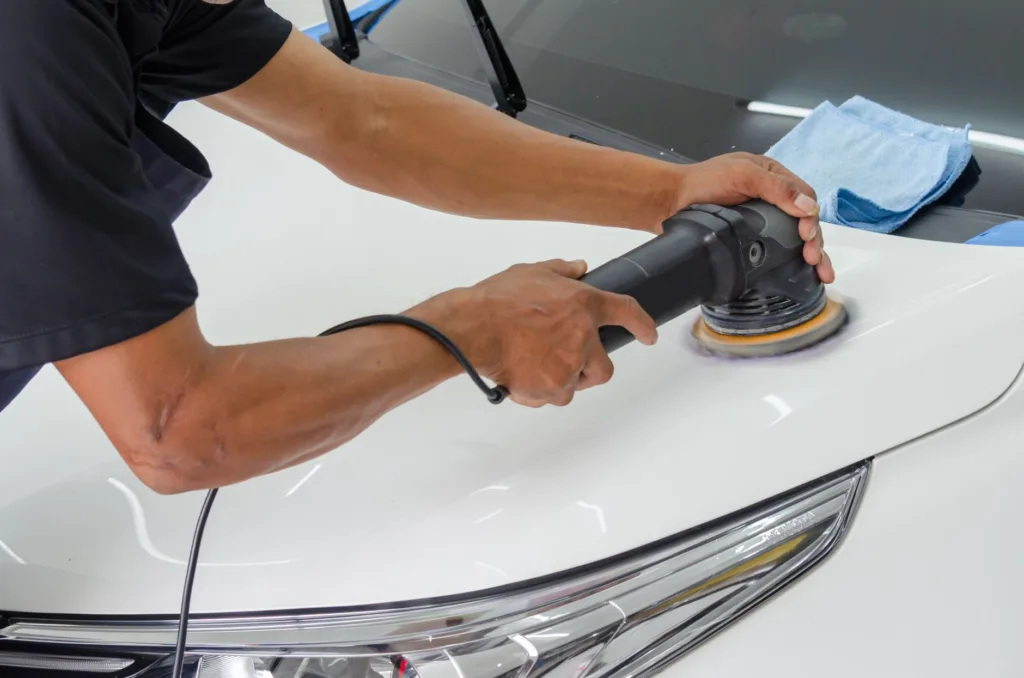
Yes, you can wax a new car, but whether you should do it right away depends on the type of paint protection it already has, how recently the car was painted or refinished, and what kind of wax or sealant you plan to use. For most factory-painted cars, waxing is safe. The bigger question is timing, because modern paint systems may still be curing, and some dealership-applied coatings or fresh body-shop paint repairs need extra care before any wax is applied.
Waxing a new car is usually about preserving the finish, making washing easier, and adding some gloss and water beading. It is not a requirement for paint health, but it can help protect the clear coat from environmental contamination, UV exposure, and routine wear. The key is to understand what kind of “new” car you have and what the paint surface needs before you start applying any product.
What “New Car” Actually Means for Waxing
The phrase “new car” can mean several different things in practice. A car may be brand new from the factory, new to you but previously owned, freshly delivered from the dealership, or recently repainted after bodywork. Each situation has different paint-care needs.
Factory paint on a new vehicle is generally cured enough for normal care by the time the car reaches the dealer or buyer. However, if the car has been repainted, the paint may need a specific curing period before wax, sealant, or coating is applied. That distinction matters because fresh refinish paint behaves differently from factory finish.
Factory Paint vs Repainted Panels
Factory paint is usually applied in a controlled environment and baked during production. By the time the vehicle is sold, it is normally stable enough for standard washing and wax application, unless the manufacturer states otherwise.
Repainted panels are different. Body shops may use paints and clear coats that continue to outgas or cure for days or even weeks after application. Waxing too early can interfere with that process, especially if the paint system is still soft.
New Car from the Dealer vs New-to-You Car
A vehicle that is brand new from a dealer is usually safe to wax after proper washing and inspection. A new-to-you car, especially a used vehicle that has already had its finish exposed to the elements, may benefit from paint decontamination before waxing. In that case, the age of the car matters less than the condition of the paint.
Should You Wax a Brand-New Car Right Away?
In many cases, yes, you can wax a brand-new car soon after delivery. But “soon” does not always mean immediately, and the exact answer depends on whether the car has factory paint, dealership-applied protection, or any recent repair work. If the finish is factory original and fully cured, waxing is generally fine once the car is clean.
That said, some modern cars leave the factory with some level of paint protection already applied. Dealers sometimes add their own sealants, glazes, or protective packages. If the car already has a coating or sealant, adding wax may not be necessary right away, though it usually will not hurt if the products are compatible.
When Immediate Waxing Makes Sense
Immediate waxing can make sense if the car has been sitting outdoors, transported long distance, or exposed to contaminants before you received it. In those cases, a careful wash followed by a mild wax can provide a fresh layer of protection. This is especially useful if you drive in areas with heavy sun, tree sap, road salt, or industrial fallout.
When You Should Wait
You should wait if the car has fresh paint repair, a newly refinished bumper, or any panel that feels soft or smells strongly of curing paint. In that case, the paint may need time before wax is applied. If the dealer or body shop gives a specific waiting period, follow that guidance first.
| Situation | Waxing Right Away? | Notes |
|---|---|---|
| Brand-new factory-painted car | Usually yes | Wash first and confirm there is no special dealer coating to preserve |
| Car with recently repainted panels | No, not usually | Allow the paint to cure according to the body shop’s instructions |
| New car with dealer-applied sealant or coating | Maybe | Check product compatibility before adding wax on top |
| New-to-you used car | Yes, after prep | Wash, decontaminate, and inspect the finish first |
Why Waxing a New Car Can Be Helpful
Wax is not magic, but it can provide practical benefits on a new car. It adds a thin sacrificial layer over the clear coat, helping reduce direct contact with contaminants. It can also improve how water beads and sheets off the surface, which may make washing easier.
Some owners like waxing a new car because it enhances gloss and can make the paint look richer. On darker colors especially, wax can deepen the finish slightly and make the surface feel slick. Still, the biggest advantage is protection and easier maintenance, not dramatic transformation.
Common Benefits of Waxing
- Helps protect the clear coat from light environmental contamination
- Can make washing and drying easier
- Improves water beading on the surface
- May add gloss and visual depth
- Provides a simple, familiar layer of maintenance
What Wax Does Not Do
Wax does not permanently protect paint, and it does not fix swirl marks, scratches, or stone chips. It also will not replace proper washing, drying, or occasional decontamination. New cars still need regular care because dirt, brake dust, bugs, bird droppings, and UV exposure can affect the finish quickly.
When Waxing a New Car Is a Bad Idea
Waxing is not ideal in every situation. The most common mistake is applying wax over paint that has not fully cured after body work. Another issue is waxing a surface that is already protected by a specialty coating without understanding how the products interact.
Waxing is also a poor idea if the car is dirty. Wax should not be used as a substitute for washing. Any dirt left on the paint can get trapped under the product, which may reduce performance and increase the chance of swirl marks during application or removal.
Fresh Paint Repair Needs Special Attention
If a panel has been repaired and repainted, the finish may need a waiting period before wax. Some body shops recommend waiting 30, 60, or even 90 days, depending on the paint system. The exact timing depends on the materials used and how the paint was cured.
Fresh paint is more delicate than cured factory paint. Applying wax too soon can sometimes slow down outgassing or cause adhesion issues with the finish. If you are unsure, ask the painter or body shop for their recommended curing window.
Dealer Add-Ons Can Change the Plan
Dealers sometimes apply sealants, protectants, or appearance packages before delivery. Those products may already offer short-term protection. Waxing on top is often not harmful, but if the dealer has applied a coating that needs special maintenance, a generic wax may not be the best next step.
Check what was actually applied. A lot of “paint protection” language used at dealerships covers a wide range of products, from simple waxes to more durable sealants and coatings.
Wax vs Sealant vs Ceramic Coating on a New Car
Many new car owners ask whether wax is still the right choice when newer paint protection options exist. The answer depends on what you want: ease of use, durability, gloss, or long-term maintenance. Each product type has trade-offs.
| Protection Type | Typical Durability | Main Advantage | Main Limitation |
|---|---|---|---|
| Wax | Weeks to a few months | Easy to apply, traditional gloss | Less durable than modern alternatives |
| Paint sealant | Several months | Usually lasts longer than wax | May not have the same warm look as wax |
| Ceramic coating | Years, depending on type and care | Durable chemical protection and easier maintenance | Requires proper prep and usually more careful installation |
Wax is the simplest option and can be a good choice for owners who enjoy regular car care. Sealants generally last longer and may suit people who want less frequent upkeep. Ceramic coatings are more involved and usually require more preparation, but they offer a different level of durability.
On a brand-new car, wax can be a reasonable first step if you want easy maintenance and do not want to commit to a longer-term product. It is also familiar to many owners, which makes it accessible. But if the car already has a coating or sealant, adding wax may not provide much extra value.
How to Tell If Your New Car Is Ready for Wax
If you are unsure whether your new car is ready, inspect the surface and consider the car’s history. A quick visual check can reveal whether the paint is new, dirty, contaminated, or already protected. Feel the surface gently after washing. If it feels rough, it may need decontamination before waxing.
Signs It Is Safe to Wax
- The car has factory paint with no recent body repairs
- The surface is fully washed and dry
- There is no sign of fresh paint odor or softness
- No body shop has advised a waiting period
- The car does not already have a protection system that conflicts with wax
Signs You Should Wait or Ask First
- Freshly painted or repaired panels
- Paint feels soft, tacky, or unusually delicate
- The dealer or body shop gave a cure-time instruction
- You are unsure whether a coating or sealant was already applied
- The car has visible overspray, residue, or unknown film on the paint
How to Wax a New Car the Right Way
Waxing a new car is straightforward, but the prep work matters. The cleaner and smoother the paint surface, the better the wax will bond and look. The goal is not to flood the paint with product. The goal is to apply a thin, even layer to a clean surface.
Step 1: Wash the Car Thoroughly
Start with a proper wash using car-safe soap and clean wash tools. Remove dust, road film, and any dealer transport residue. If the car is very new, there may still be film from shipping or delivery that should be removed before waxing.
Step 2: Dry the Surface Completely
Water trapped in seams, emblems, and trim can interfere with waxing. Dry the car with a soft drying towel or other paint-safe method. Pay attention to mirrors, panel gaps, door handles, and trim edges where water likes to hide.
Step 3: Inspect the Paint
After washing, look closely at the paint under good light. If the surface feels gritty or rough, it may have bonded contaminants that wax alone will not remove. In that case, a clay bar or other decontamination step may be needed before waxing.
Step 4: Apply a Thin, Even Layer
Use only enough wax to coat the paint lightly. Heavy application does not mean better protection. In fact, excess product often makes removal harder and may leave streaks or residue in trim and crevices.
Step 5: Remove Residue Carefully
After the wax cures or hazes according to its instructions, buff it off with a clean microfiber towel. Work panel by panel if needed. If residue is difficult to remove, the car may have been overapplied, or the product may not have been suitable for the surface temperature.
Common Mistakes When Waxing a New Car
Many waxing problems come from skipping prep or assuming a new car needs no inspection. New paint can still be contaminated, and new cars can still have transport residue or dealership fingerprints. The paint may look clean at a glance, but that does not mean it is ready for protection.
Applying Wax to Dirty Paint
Waxing over dirt traps debris against the paint and can reduce clarity. It also increases the chance of micro-marring during application. Always wash first, and if needed, decontaminate before waxing.
Using Too Much Product
Thick layers waste product and make removal harder. A thin coat is usually enough. More wax does not equal more protection, and on many paints it only creates a cleanup problem.
Ignoring Cure Times After Repainting
This is one of the most important mistakes to avoid. Fresh body-shop paint may look ready before it truly is. If a panel was repainted recently, wait for the recommended cure period before using wax or sealant.
Waxing Over Existing Coatings Without Checking Compatibility
Some waxes may be fine over older sealants, but not every combination is ideal. If the car has a ceramic coating or specialty product, follow the maintenance guidance for that system. Adding wax may reduce the intended behavior of the coating, especially its water behavior and self-cleaning properties.
Working in the Wrong Conditions
Hot paint, direct sun, or a windy, dusty environment can make waxing harder. Product may dry too quickly, streak, or collect dust. Whenever possible, work on a cool surface in a shaded area.
How Often Should You Wax a New Car?
There is no single interval that fits every vehicle or climate. Traditional wax usually needs to be reapplied more often than sealants or coatings, and environmental exposure matters a lot. A car parked outside every day will generally need more frequent care than one kept in a garage.
For many owners, waxing every 6 to 12 weeks is a common practical range, but the real answer depends on the product used and how the car is maintained. If water no longer beads well or the finish starts to feel less slick, it may be time for another application. That said, visual cues can vary, so use wash behavior and inspection together.
Factors That Affect Wax Life
- Sun exposure
- Frequent washing
- Rain, snow, and road salt
- Parking conditions
- Type of wax or protection used
- How carefully the car is washed and dried
What If the New Car Already Has a Ceramic Coating?
Some new cars are sold with ceramic coatings, either from the factory, dealer, or a previous owner in the case of a used vehicle. If that is the case, waxing may not be necessary and may not be the best maintenance choice. Many coatings are designed to work best with pH-balanced washes and coating-safe maintenance products rather than traditional wax.
If the coating is still functioning properly, you may not gain much by waxing on top of it. In some cases, wax can temporarily change the surface behavior of the coating, especially water beading. Before adding wax, make sure you know what the coating is and how it is meant to be maintained.
Do You Need to Clay a New Car Before Waxing?
Not always, but sometimes yes. New cars can arrive with rail dust, industrial fallout, brake dust, overspray, or transport contaminants on the paint. If the paint feels rough after washing, claying or another decontamination method may improve results before waxing.
That said, you should not clay unless needed. Clay bars and similar tools remove bonded contaminants, but they can also mar the surface if used incorrectly. If the paint feels smooth and looks clean, a careful wash may be enough before waxing.
Simple Test for Surface Contamination
After washing and drying, place a clean hand inside a plastic bag and lightly glide it across the paint. If it feels rough or gritty, the surface may need decontamination. If it feels smooth, you may be fine proceeding with wax.
New Car Waxing and Paint Longevity
Waxing does not make paint immortal, but regular care can help slow down wear from the environment. The clear coat on modern cars is thin compared with the rest of the body structure, so careful maintenance matters. Keeping contaminants off the surface and washing gently are more important than any single wax session.
Think of wax as part of a broader routine. Washing, drying, parking habits, and quick cleanup of bird droppings or tree sap all have a bigger impact than waxing alone. A new car that is maintained properly can stay looking good for years whether it is waxed frequently or protected with another system.
Waxing vs Leaving the Paint Alone
Some owners wonder if waxing is worth the trouble at all. In a strict sense, modern clear coat can survive without wax. The car will not fall apart if you never wax it. But bare clear coat is easier to contaminate and may lose its appearance faster under regular environmental exposure.
If you enjoy maintaining your vehicle and want a simple, hands-on way to protect the finish, waxing is a reasonable habit. If you prefer less frequent maintenance, a longer-lasting sealant or coating may be more practical. The right choice depends on your time, climate, and expectations.
| Question | Wax | No Wax |
|---|---|---|
| Protects against light environmental exposure? | Yes, to a degree | Less protection |
| Needs regular reapplication? | Yes | No, but surface is less protected |
| Improves washing ease? | Usually yes | Less likely |
| Requires more maintenance? | Yes | No added maintenance, but more exposure to contaminants |
Practical Tips for New Car Paint Care
If you want your new car to stay looking good, waxing is only one piece of the process. Regular gentle washing matters more than aggressive detailing. The less often you drag dirt across the paint, the better the finish will hold up.
Helpful Habits
- Wash with automotive soap, not household cleaners
- Use clean wash mitts and towels
- Dry the car to prevent spotting
- Remove bird droppings and bug splatter quickly
- Park in shade or covered areas when possible
- Inspect the paint periodically under bright light
Things to Avoid
- Automatic brushes that can mark fresh-looking paint
- Applying protection over dirty or dusty panels
- Using abrasive towels or harsh cleaners
- Assuming the dealer has already optimized paint protection
- Rushing waxing on freshly repainted surfaces
FAQs
Can you wax a brand-new car from the dealership?
Yes, if it has factory paint that is fully cured and there is no recent repainting. Wash it first and check whether the dealer already applied another protective product.
Should you wait 30 days to wax a new car?
Not usually for factory paint, but you may need to wait after a repaint. The 30-day idea is more relevant to fresh body-shop work than to a vehicle with original factory paint.
Does waxing a new car damage the paint?
Not when done correctly on cured paint. The bigger risk comes from waxing too soon after repainting or applying it to a dirty surface.
Do new cars already have wax on them?
Sometimes they may have transport residue, dealer-applied sealant, or a protective dressing, but not necessarily traditional wax. It is best to inspect and clean the surface before adding anything.
Is wax better than ceramic coating for a new car?
Neither is universally better. Wax is simpler and easier to apply, while ceramic coating usually lasts longer and requires more careful prep.
Can I wax a new car that already has a ceramic coating?
Usually you should follow the coating manufacturer’s maintenance guidance instead. Wax may not provide much benefit and can alter the coating’s surface behavior.
How do I know if the paint is still curing?
Fresh repaint often has a stronger solvent smell, a softer feel, or specific instructions from the body shop. If you are unsure, ask the painter before applying wax or sealant.
What happens if I wax too soon after paint repair?
You may interfere with curing or affect how the finish behaves. The risk depends on the paint system, which is why body shop instructions matter.
Conclusion
You can wax a new car in many cases, especially if it has factory paint that is fully cured. Wax can help protect the finish, improve water behavior, and make routine cleaning easier. The main exceptions are recently repainted panels and vehicles that already have a protective coating or sealant that should be maintained differently.
If you are unsure, start by washing and inspecting the car, then check for any dealership or body shop instructions. The best approach is not simply to wax as soon as possible, but to wax at the right time for the specific paint finish on the vehicle. That keeps the finish safe and helps you get the most from your effort.