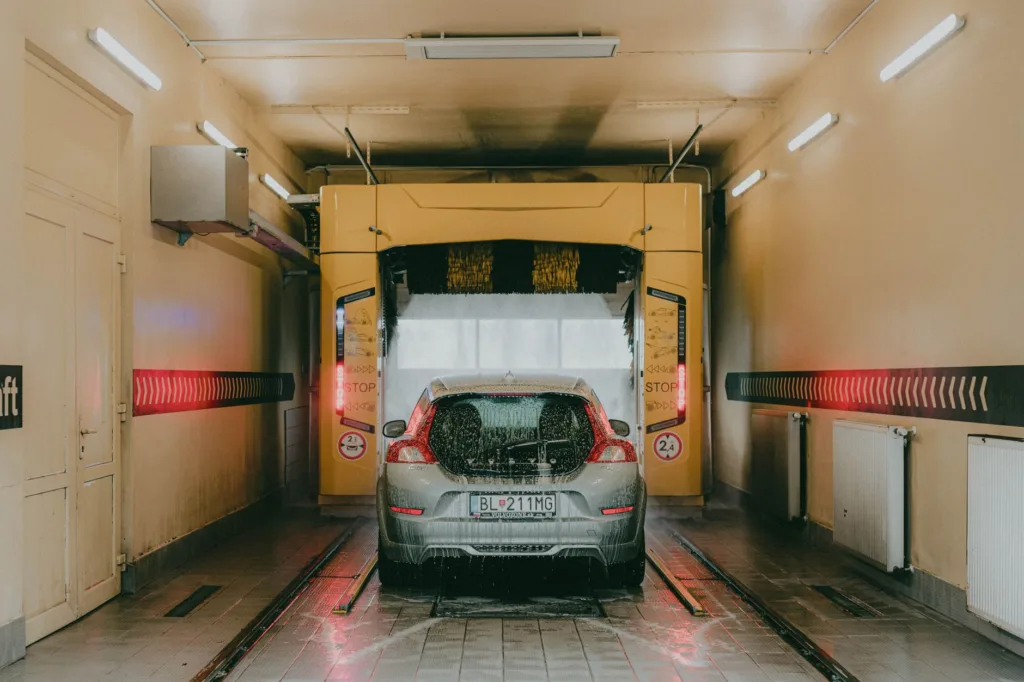
A hand wash is usually better for maximum control and gentleness, while an automatic car wash is usually better for speed, convenience, and routine cleaning. The right choice depends on your paint condition, how dirty the vehicle is, how much time you have, and how much risk you are willing to accept for minor swirl marks or finish wear over time.
For many drivers, the real question is not whether one method is always superior. It is whether you need the most careful cleaning possible or the fastest practical clean. Both methods can be appropriate when used correctly, but they do not protect paint in the same way and they do not fit every situation equally well.
What Is the Difference Between Hand Washing and Automatic Car Washing?
A hand wash means the vehicle is cleaned manually, usually with buckets, wash mitts, soap, rinse water, and drying towels or air. It can be done at home, at a self-service bay, or by a professional detailer. The key point is that a person controls the cleaning process directly.
An automatic car wash uses machinery to clean the vehicle with less direct labor from the owner. These washes typically fall into two broad types: tunnel washes, where the vehicle moves through equipment, and in-bay automatic washes, where the vehicle stays still while the machine moves around it. Some use soft cloth or foam materials, while others use touchless systems that rely more heavily on high-pressure water and detergents.
The biggest practical difference is contact. Hand washing gives you the most control over how much pressure is used, how dirty areas are handled, and how delicate surfaces are treated. Automatic washes are faster and more convenient, but they are less customizable and may be more likely to leave fine marks on certain finishes, especially if the equipment or maintenance is not ideal.
Quick Comparison: Hand Wash vs Automatic Car Wash
| Factor | Hand Wash | Automatic Car Wash |
|---|---|---|
| Cleaning control | High | Low to moderate |
| Speed | Slower | Faster |
| Convenience | Requires more effort and time | Very convenient |
| Risk of paint marring | Lower when done correctly | Varies by system, often higher than careful hand washing |
| Ability to clean tight areas | Excellent | Limited |
| Cost per wash | Often lower if you do it yourself, higher if professionally detailed | Usually moderate |
| Best for | Delicate paint, heavily maintained vehicles, enthusiasts | Routine cleaning, busy schedules, daily drivers |
| Water use | Depends on technique | Depends on facility and system |
When a Hand Wash Makes More Sense
A hand wash is usually the better option when the vehicle has sensitive paint, a dark color that shows swirl marks easily, or a finish you want to preserve carefully. It is also the better choice after winter driving, when road grime, salt, and tar may need targeted attention in wheel arches, lower panels, and around emblems.
Hand washing is especially useful when you want to remove bug splatter, tree sap, brake dust on wheels, or film around the lower body that an automatic wash may not fully address. It also gives you the chance to inspect the paint, trim, and tires up close so you can spot chips, scratches, loose trim, or leaks early.
If your vehicle has a ceramic coating, wax, or sealant, hand washing can help preserve the finish longer because you can choose gentler wash methods and avoid harsh brushes or aggressive machine contact. That does not mean automatic washes always damage protected paint, but the hand wash makes it easier to treat the coating carefully.
Advantages of Hand Washing
- More control: You decide where to focus attention and how much pressure to use.
- Better for delicate finishes: Helpful for soft clear coats, fresh paint, or older paint that marks easily.
- Better cleaning around details: Door handles, badges, fuel doors, grille edges, and mirrors are easier to clean thoroughly.
- Better inspection opportunity: You can notice damage, contamination, and wear while cleaning.
- More flexible: You can adjust soap strength, tools, and technique based on conditions.
Limitations of Hand Washing
- Time: A proper wash takes longer than an automatic wash.
- Effort: It requires physical work and more setup.
- Skill matters: Poor technique can still scratch paint, especially if dirt is dragged across the surface.
- Weather dependence: It may be less practical in freezing temperatures or during water restrictions.
When an Automatic Car Wash Makes More Sense
An automatic wash is often the practical choice for regular maintenance when the vehicle is only lightly dirty and you want a quick clean. For busy drivers, commuters, families, or anyone washing several vehicles, the speed and convenience can outweigh the small finish risks, especially on a daily driver that is not shown or heavily detailed.
Automatic washes also make sense when the weather is cold, you do not have a good place to wash by hand, or you need to remove loose dirt before a longer trip. A clean car is easier to inspect and more pleasant to drive, and automatic washing can help keep a vehicle from accumulating layers of grime.
Not all automatic washes are equal. Some modern systems are well maintained and use soft materials or touchless designs, while older or poorly maintained systems may trap grit in brushes or cloth strips. That difference matters because the actual finish impact often depends more on maintenance and technique than on the fact that the wash is automatic.
Advantages of Automatic Car Washes
- Fast: Often completed in minutes.
- Convenient: Good for routine maintenance and busy schedules.
- Consistent: The process is repeatable, even if not fully customized.
- Less physical effort: Helpful for drivers who do not want to wash by hand.
- Useful in harsh weather: A practical option in cold or wet conditions.
Limitations of Automatic Car Washes
- Less control: The vehicle gets a standard treatment, not a customized one.
- Potential for paint marks: Especially with dirty brushes, cloth, or repeated contact.
- Limited detail cleaning: Tight spots and stubborn contaminants may remain.
- Possible trim issues: Older trim, loose badges, antennas, or damaged wipers may not react well to machine contact.
Touchless vs Brush Automatic Washes
Not every automatic wash works the same way. The biggest distinction is between touchless and brush or cloth systems. Understanding this difference helps explain why one automatic wash can be relatively gentle while another may leave visible marks.
| Type of automatic wash | How it cleans | Strengths | Tradeoffs |
|---|---|---|---|
| Touchless | High-pressure water and detergents, little to no physical contact | Reduces direct abrasion, good for lightly soiled vehicles | May struggle with heavy grime, bugs, or stuck-on residue |
| Brush or cloth | Mechanical contact using rotating or moving materials | Usually cleans more aggressively, better on stubborn dirt | Higher chance of swirl marks if the equipment is dirty or worn |
Touchless systems are often attractive because they avoid direct contact with the paint. However, they may use stronger chemicals or more pressure to compensate, and that can matter for wax, sealants, trim, and rubber over time. They also may not remove heavy contamination as well as a careful hand wash.
Brush or cloth washes can clean more thoroughly, but only if the equipment is well maintained and free of embedded grit. If the materials are dirty or worn, they can drag contaminants across the paint and leave fine scratches or haze. That is why machine maintenance matters so much.
Which Method Is Safer for Paint?
In many cases, a careful hand wash is safer for paint than a typical automatic wash, but only if it is done correctly. The main reason is control. A proper hand wash can use the right tools, plenty of lubrication, clean rinse water, and gentle technique to reduce the chance of scratching.
That said, a bad hand wash can still damage paint. If you use a dirty sponge, wash from bottom to top with contaminated water, or dry the car with an abrasive towel, you can create swirls just as easily as a poor machine wash can. The method matters, but technique matters just as much.
For automatic washes, touchless systems generally reduce the chance of contact-related marring, but they are not completely risk-free. Some use harsh detergents or strong pressure, and repeated exposure can affect finishes differently depending on the vehicle and its protection layers. Brush systems can be fine when well maintained, but the risk rises when the wash is old, dirty, or crowded with neglected equipment.
Why Dark Paint Shows Problems More Clearly
Black, dark blue, and deep metallic colors tend to reveal fine scratches, water spots, and haze more readily than lighter colors. That means a wash method that seems acceptable on a silver SUV may look worse on a black sedan. This is one reason enthusiasts often notice differences sooner than casual drivers do.
If your vehicle has dark paint and you care about appearance, you may prefer hand washing or a very reputable touchless wash, followed by careful drying. If your daily driver is white or silver and mainly needs routine dirt removal, the visual downside from automatic washing may be less obvious.
Cost Differences: Hand Wash vs Automatic Car Wash
Cost often influences the decision as much as technique. A do-it-yourself hand wash can be inexpensive once you already have soap, buckets, wash media, drying towels, and basic supplies. The tradeoff is time and effort. A professional hand wash or detailing service costs more, but it usually includes more labor and attention to detail.
Automatic washes typically charge per visit or through memberships. The price depends on the facility, wash type, and regional market. Many drivers use automatic washes because the cost feels predictable and the time savings are significant. If you wash frequently, a membership can lower the per-wash cost, though it may encourage more washing than the vehicle actually needs.
There is also an indirect cost to consider. If one method leaves more swirl marks, more reconditioning may be needed later. That does not mean every automatic wash is expensive in the long run, but repeated paint correction can cost more than routine careful washing. For a vehicle you plan to keep looking good for years, the finish maintenance cost matters.
How Dirt, Weather, and Driving Conditions Affect the Choice
The dirt on the car should influence the wash method. Light dust and road film are easy to remove with either method. Heavy mud, winter salt, dried bug residue, and tar are more complicated and may need a targeted hand wash or pre-rinse before any machine wash.
In winter, automatic washes can be very practical because road salt should not sit on the vehicle for long. Frequent rinsing helps reduce corrosion risk on exposed metal, suspension parts, and underbody components. In that situation, a fast automatic wash may be better than waiting for a perfect hand wash that never happens.
In hot weather, paint can become more sensitive to spotting if washed in direct sunlight. Hand washing gives you more control, but an automatic wash can be easier if you need a quick clean and a shaded drying area is unavailable. The safest approach is to wash when the panels are cool, regardless of method.
Common Situations and the Better Choice
| Situation | Usually better choice | Why |
|---|---|---|
| Light dust before the workweek | Automatic wash | Fast and practical |
| Heavily maintained weekend car | Hand wash | More control and gentler finish care |
| Winter salt buildup | Either, with frequent washing | Priority is removing salt promptly |
| Bug-heavy road trip cleanup | Hand wash | Better for stubborn residue |
| Busy schedule, daily commuter | Automatic wash | Convenient and repeatable |
| Fresh paint or show car | Hand wash | Lowest practical risk when done correctly |
How to Reduce Risk With a Hand Wash
A safe hand wash depends on technique. The goal is to lift dirt off the surface without rubbing it back into the paint. That usually means using plenty of lubrication, clean rinse water, and a method that separates dirty wash water from the clean supply.
A common and effective approach is the two-bucket method. One bucket holds soapy wash water. The other holds rinse water for the mitt. After wiping a panel, you rinse the mitt before dipping it back into the soap bucket. This helps prevent grit from circulating through the wash process.
Drying matters too. Air drying can leave spots, while wiping with a dirty or rough towel can create fine marks. Clean microfiber drying towels and gentle blotting or dragging techniques help minimize damage. Many scratches blamed on washing actually happen during drying.
Common Hand Wash Mistakes
- Using the same mitt on the whole car without rinsing: Dirt accumulates and gets rubbed back into the finish.
- Starting with the dirtiest areas: Wheels and lower panels should generally be handled separately.
- Washing in circles with pressure: Linear or straight motions are often preferred because they make any marks less noticeable.
- Letting soap dry on the surface: This can cause streaking and spotting.
- Using household sponges or abrasive towels: These can trap grit and mar paint.
How to Reduce Risk With an Automatic Wash
If you use an automatic wash, the safest option is generally the one with the best maintenance and the least aggressive contact. Clean equipment, good water management, and regular upkeep matter more than marketing terms. A well-run wash can be fine for routine use, while a neglected one can be rough on the finish.
Before entering, remove loose accessories that might be damaged, such as magnetic mounts, roof attachments, or fragile trim pieces if appropriate. Also fold mirrors if the vehicle and wash design require it. Follow the facility instructions because some systems have specific limitations for trucks, oversized mirrors, or aftermarket parts.
If you choose a touchless wash, be aware that it may not remove all grime. You may need to follow up with spot cleaning by hand for bugs, tar, or wheel residue. If you choose a brush wash, inspect the facility when possible. Dirty or heavily worn brushes are a warning sign.
Common Automatic Wash Mistakes
- Using a damaged wash regularly: Repeated exposure to dirty equipment can gradually mark the paint.
- Ignoring attachments: Antennas, racks, trim, and loose emblems can be vulnerable.
- Assuming all washes are equal: Maintenance quality varies widely.
- Skipping a pre-rinse when the car is muddy: Heavy dirt can be harder for the system to remove cleanly.
- Not drying afterward when needed: Water spots can form, especially with mineral-heavy water.
What About Water Spots, Wax, and Protective Coatings?
Wash method can affect how long protection lasts and how easily spots form. Hand washing usually gives you more control over safe drying and careful treatment of wax or sealants. That can help maintain a smoother appearance between protection applications.
Automatic washes, especially touchless ones, may use stronger cleaners that can strip wax or reduce the effectiveness of some temporary protection faster. That does not mean every automatic wash removes protection immediately. It means frequent washing, chemical strength, and the type of protection all interact.
Ceramic coatings are generally more durable than wax, but they still benefit from proper washing. A coated car can go through many automatic washes, but the finish may stay nicer longer if the wash process is gentle and the vehicle is dried properly afterward. If the goal is maximum appearance retention, hand washing still has the edge.
Environmental and Practical Considerations
People often ask which method uses less water. The honest answer is that it depends on the specific wash system, local facility, and hand wash technique. A thoughtful hand wash can be efficient, but a careless one can waste water. Likewise, modern automatic washes can recycle water, but not every facility does so in the same way.
In areas with water restrictions, commercial washes may be more practical because they are often designed to manage water more efficiently than a driveway wash. Local rules can vary, so drivers should follow regional regulations about runoff, wastewater, and home washing. Some neighborhoods or municipalities restrict washing on driveways to limit storm drain pollution.
There is also the matter of convenience versus maintenance discipline. Some owners intend to hand wash but rarely find the time, so dirt builds up and the car stays dirty longer. In that case, a regular automatic wash may be the more realistic choice because consistency often matters more than an ideal method that never happens.
Which Option Is Better for Different Types of Owners?
For Daily Drivers
If the car is a daily commuter and appearance matters but not at a show-car level, an automatic wash can be a reasonable routine solution. It keeps the vehicle cleaner without demanding a large time commitment. A hand wash can still be useful occasionally for deeper cleaning or seasonal maintenance.
For Enthusiasts
Enthusiasts usually prefer hand washing because it supports better inspection, gentler handling, and closer attention to finish quality. It is also easier to pair with decontamination, sealant maintenance, and careful drying. For a car with carefully maintained paint, the extra effort often makes sense.
For Trucks and SUVs
Larger vehicles can be time-consuming to wash by hand, especially if they have roof racks, off-road tires, or textured trim. Automatic washes are attractive for routine maintenance, though oversized accessories can complicate things. If the vehicle spends time on dirt roads or off pavement, the lower panels and wheel wells may need hand attention even if the rest gets an automatic wash.
For Older Vehicles
Older vehicles with faded trim, brittle seals, or loose trim pieces may not be ideal candidates for aggressive machine washing. A careful hand wash lets you avoid stressing fragile parts. At the same time, an older daily driver that is used hard may simply need a basic, affordable cleaning method that is easy to repeat.
How Often Should You Wash?
There is no single correct interval. Wash frequency depends on climate, road conditions, where the car is parked, and how much contamination accumulates. A vehicle exposed to winter salt, coastal air, tree sap, or heavy pollen may need cleaning more often than one that stays mostly in a garage and sees mild weather.
As a practical rule, it is better to clean visible contamination sooner rather than let it sit. Salt, bird droppings, and bug residue can become harder to remove the longer they remain. If you cannot do a full hand wash, a quick automatic wash may be better than waiting too long.
Many owners use a mix of both methods. They may run through an automatic wash for routine upkeep and reserve hand washing for deeper cleaning, seasonal care, or special occasions. That hybrid approach is often the most realistic balance of finish care and convenience.
Signs You Should Choose Hand Wash Over Automatic
- The car has fresh paint or recently corrected paint.
- You notice swirl marks easily and want to minimize additional wear.
- The vehicle has stubborn contamination such as sap, tar, or bug residue.
- You want to clean wheels, door jambs, and trim more thoroughly.
- The vehicle has delicate accessories or trim that may not suit machine contact.
Signs You Should Choose Automatic Over Hand Wash
- You are short on time and need a quick clean.
- The car is lightly dirty and mostly needs routine maintenance.
- Weather conditions make hand washing impractical.
- You do not have access to a proper wash area or water setup.
- You are cleaning a work vehicle or high-use commuter where convenience matters more than perfection.
FAQ: Hand Wash vs Automatic Car Wash
Is hand washing always better than an automatic car wash?
Not always. Hand washing is usually better for control and finish care, but only if it is done correctly. A well-maintained automatic wash can be a practical choice for routine cleaning.
Do automatic car washes scratch paint?
They can, especially brush or cloth systems that are dirty, worn, or poorly maintained. Touchless washes reduce direct contact but may still use strong chemicals or pressure.
Is a touchless car wash safe for wax or ceramic coating?
It is generally safer than a harsh brush wash, but repeated use may still affect protection over time. The exact impact depends on the wash chemistry and how the coating or wax is maintained.
What is the safest way to wash a car by hand?
Use clean wash mitts, plenty of lubrication, separate rinse water, and gentle drying towels. Keep dirty areas like wheels separate from painted panels whenever possible.
Are drive-through car washes worth it?
They can be worth it for convenience and routine maintenance, especially for daily drivers. If paint appearance is a top priority, a careful hand wash usually offers better control.
How often should I use an automatic car wash?
As often as needed to remove dirt, salt, and contamination before they build up. The ideal frequency depends on weather, road conditions, and how much you value finish preservation.
Can I use both methods on the same car?
Yes. Many owners use automatic washes for regular upkeep and hand washes for deeper cleaning or careful seasonal maintenance.
Conclusion
Hand wash vs automatic car wash is not a simple better-or-worse decision. A hand wash usually offers better control, gentler treatment, and more thorough detail cleaning. An automatic car wash usually offers faster, easier routine maintenance and is often the more practical choice for busy drivers.
The best option depends on the vehicle, the condition of the paint, the type of dirt present, and how much time you have. If you care most about preserving a delicate finish, a careful hand wash is usually the better choice. If you care most about convenience and regular cleanliness, a well-maintained automatic wash can be perfectly reasonable.
In many real-world situations, the smartest approach is to use both methods thoughtfully. Choose the one that matches the job, and wash often enough that dirt, salt, and contamination do not build up on the vehicle for long.