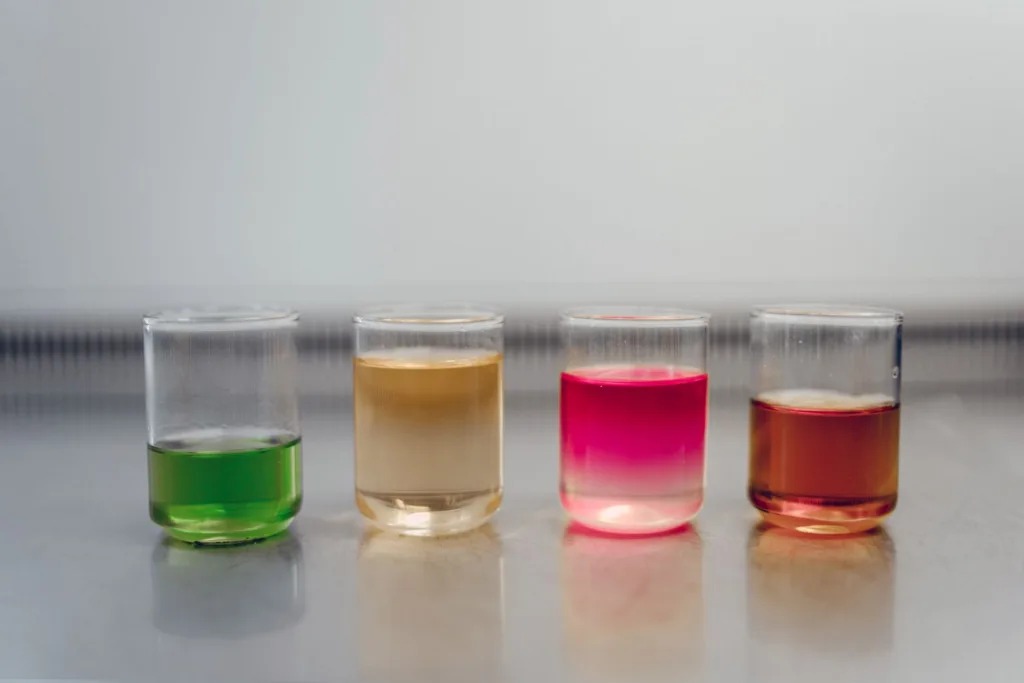
Healthy transmission fluid is usually red, pinkish-red, or light amber, depending on the fluid type and the age of the fluid. In many vehicles, fresh automatic transmission fluid starts out as a bright translucent red. As it ages, it may darken slightly to a deeper red or reddish-brown. What you do not want to see is fluid that looks dark brown, nearly black, cloudy, milky, or full of debris, because those colors often point to wear, overheating, contamination, or overdue service.
Color alone is not a perfect diagnosis, but it is one of the easiest first checks a vehicle owner can make. If your transmission fluid has changed far beyond its normal shade, or if it smells burnt, the transmission may need attention soon. Knowing what normal fluid looks like and what abnormal colors mean can help you catch problems before they turn into expensive repairs.
What Color Should Transmission Fluid Be in Normal Condition?
For most automatic transmissions, normal fluid is a clear red or pinkish-red when fresh. Some fluids are more translucent red than bright cherry red, and some newer factory fluids can appear light amber, greenish, or bluish depending on the manufacturer. The most important point is that healthy fluid should usually look clean, clear, and free of burnt discoloration.
Manual transmissions are different. Many do not use traditional automatic transmission fluid at all. They may use gear oil or a manufacturer-specific fluid that can be honey-colored, amber, or darker from the start. That means you should always compare what you see against your owner’s manual or service information for your exact vehicle.
If you are checking an automatic transmission and the fluid looks transparent with a consistent color and no suspended particles, that is usually a good sign. Slight darkening over time can be normal. Heavy darkening is not.
Transmission Fluid Color Chart
| Fluid Color | What It Usually Means | Recommended Action |
|---|---|---|
| Bright red | Fresh or recently changed fluid in many automatic transmissions | Usually normal |
| Pinkish-red | Normal healthy fluid in many vehicles | Usually normal |
| Light amber | Normal for some transmission fluid formulations | Check owner’s manual to confirm |
| Dark red | Older fluid that may still be serviceable, depending on smell and condition | Monitor closely, check maintenance schedule |
| Reddish-brown | Aged fluid, possible oxidation or heat exposure | Consider service soon |
| Dark brown | Overdue fluid, oxidation, possible wear or overheating | Have it inspected and serviced |
| Black | Severely degraded fluid, possible clutch material or internal damage | Professional inspection recommended |
| Milky pink | Coolant or water contamination | Stop driving if possible and diagnose immediately |
| Cloudy | Contamination, moisture, or debris | Inspect and service promptly |
Why Transmission Fluid Is Usually Red
Many automatic transmission fluids are dyed red by the manufacturer. The dye helps distinguish transmission fluid from engine oil, power steering fluid, coolant, and other automotive fluids. Since leaks can happen anywhere under a vehicle, the color makes identification easier for technicians and vehicle owners.
The red dye itself does not improve lubrication or cooling. It is there mainly for recognition. Over time, heat cycles and oxidation can fade or alter the dye, which is one reason older fluid often appears darker than fresh fluid.
That said, not every transmission fluid is red. Some vehicle makers use fluids with different natural or dyed colors. This is especially common with newer designs and specialty fluids. So if your fluid is not bright red, that does not automatically mean there is a problem.
What Different Transmission Fluid Colors Mean
Bright Red Fluid
Bright red fluid usually means the fluid is fresh and in good condition. It should look clear, not opaque. If your transmission shifts normally and there is no burnt smell, this is generally the ideal appearance for many automatic transmissions.
A vehicle that recently had a transmission fluid change or factory delivery inspection may show this color. If you are unsure when the fluid was last replaced, bright red fluid is still a reassuring sign.
Pinkish-Red Fluid
Pinkish-red is often also normal. Some fresh fluids are naturally more pink than red, especially under certain lighting. If it is clear and does not smell burnt, it is usually fine.
However, if the fluid appears milky pink rather than transparent pink, that is different. Milky fluid can indicate water or coolant contamination, which is a serious issue.
Light Amber Fluid
Light amber fluid can be normal in some vehicles, particularly with certain synthetic or manufacturer-specific transmission fluids. It may look similar to light cooking oil or very clean hydraulic fluid.
This is why checking your owner’s manual matters. A driver who expects all transmission fluid to be red might wrongly assume amber fluid is old or contaminated when it is actually normal for that design.
Dark Red or Reddish-Brown Fluid
Dark red or reddish-brown fluid often means the fluid has been in service for a while. This color alone does not mean the transmission is failing, but it does suggest the fluid is aging.
If the fluid still smells normal and the transmission shifts smoothly, you may simply be nearing the recommended service interval. If this color is combined with rough shifting, slipping, or a burnt odor, a service inspection becomes more urgent.
Brown Fluid
Brown transmission fluid usually indicates oxidation, heat exposure, or worn-out fluid. The additives that help with lubrication, cooling, and friction control can break down over time, especially in vehicles that tow, sit in heavy traffic often, or operate in hot climates.
Brown fluid deserves attention even if the vehicle still drives normally. Waiting too long can increase internal wear and lead to shift quality problems.
Black Fluid
Black transmission fluid is a warning sign. It can point to severe fluid breakdown, clutch material suspended in the fluid, overheating, or internal component wear.
If you find black fluid, do not assume a simple fluid change will always solve the problem. In some cases the transmission may already have internal damage. A professional diagnosis is often the safest next step.
Milky or Foamy Fluid
Milky fluid is often a sign that coolant or water has mixed with the transmission fluid. This can happen if there is a failure inside the transmission cooler or radiator, depending on the vehicle design.
Foamy fluid can happen when the fluid level is too high, the wrong fluid was added, or air is entering the system. Both situations can interfere with lubrication and hydraulic pressure, which can quickly harm the transmission.
Why Transmission Fluid Changes Color Over Time
Transmission fluid works hard. It lubricates moving parts, helps transfer hydraulic pressure, cools internal components, and in automatic transmissions it also helps manage clutch engagement. Because it operates under heat and pressure, its color gradually changes with use.
Heat and Oxidation
Heat is one of the biggest reasons fluid darkens. Every drive cycle warms the fluid, and repeated high temperatures speed up oxidation. Once fluid oxidizes, it loses some of its protective qualities and often turns darker.
This is common in vehicles used for towing, stop-and-go commuting, mountain driving, or hot-weather operation. Even a properly functioning transmission will age fluid faster under severe use.
Normal Wear Particles
Small amounts of wear material can accumulate in the fluid over time. Transmissions contain clutches, gears, bearings, and valves that create microscopic debris during normal operation. Filters and magnets help capture some of this material, but older fluid may still become darker as contamination builds.
Additive Breakdown
Transmission fluid contains additives that control friction, reduce foaming, resist corrosion, and improve temperature stability. As those additives wear out, the fluid can lose clarity and change color.
That is why transmission service intervals matter even when the transmission seems to be working fine. By the time obvious symptoms appear, the fluid may already be far past its best condition.
Overheating
If a transmission runs too hot, the fluid can degrade much faster than normal. Overheating may come from towing heavy loads, low fluid level, blocked coolers, internal slipping, or neglected maintenance.
Overheated fluid often turns brown or black and may smell burnt. That smell is one of the strongest warning signs that the fluid has been damaged by heat.
Color Is Important, but So Are Smell and Texture
Color gives you a useful clue, but it should not be the only thing you check. Transmission fluid condition is easier to judge when you consider color, smell, clarity, and feel together.
| Condition Check | Normal | Possible Problem |
|---|---|---|
| Color | Red, pinkish-red, or manufacturer-normal amber | Brown, black, milky, cloudy |
| Smell | Mild petroleum smell | Burnt or acrid odor |
| Clarity | Clear and translucent | Opaque, cloudy, dirty |
| Texture | Slick and smooth | Gritty, contaminated, foamy |
If the fluid is dark but still clear and the transmission behaves normally, it may simply be due for routine service. If it is dark and smells burnt or feels gritty, that suggests more serious wear or overheating.
How to Check Transmission Fluid Color Correctly
The correct method depends on the vehicle. Some cars and trucks have a transmission dipstick. Many newer vehicles do not, and checking the fluid may require a scan tool, a fill plug procedure, and a specific fluid temperature range.
For Vehicles With a Transmission Dipstick
- Park on level ground.
- Set the parking brake.
- Follow the owner’s manual instructions for checking hot or cold.
- With the engine running if required, remove the dipstick.
- Wipe it clean with a lint-free cloth.
- Reinsert it fully, then remove it again.
- Check the level and color in good lighting.
You can also place a drop of fluid on a clean white paper towel. This makes the color easier to judge than looking at a dark dipstick alone.
For Sealed or Dipstick-Free Transmissions
Many modern transmissions are called “sealed,” although they still can be serviced. They simply do not have a convenient owner-accessible dipstick. In these cases, checking condition may require removing a fill or inspection plug while the transmission is at a specific temperature.
Servicing these transmissions can also require pumping fluid into a fill port rather than pouring it through a dipstick tube. If you plan to handle the service yourself, a suitable transmission fluid pump can make it easier to deliver fluid to the correct opening, but the pump and adapter still need to match the vehicle’s service procedure.
Because the procedure can be vehicle-specific and messy, many owners choose to have a shop inspect the fluid during routine service. If you are unsure, do not guess. An incorrect fluid level can cause serious transmission problems.
Best Time to Inspect the Fluid
A good time to inspect transmission fluid is during regular oil changes, before a long road trip, or any time you notice unusual shifting. Catching dark or contaminated fluid early can help you schedule service before symptoms get worse.
What Healthy Transmission Fluid Should Look Like on Different Vehicles
There is no single universal transmission fluid color across all makes and models. Here are a few practical examples:
- Older automatic transmissions: Often bright red when fresh, then darker red with age.
- Many modern automatic transmissions: May use synthetic fluids that start red, amber, or another manufacturer-specific shade.
- CVTs: Continuously variable transmissions often use specialized fluid. The color may differ from conventional ATF, and using the wrong type can cause damage.
- DCTs and specialty transmissions: Dual-clutch and performance transmissions may use unique fluids with different appearance and service rules.
- Manual transmissions: Often use gear oil or dedicated manual trans fluid, which may not be red at all.
This is why “what color should transmission fluid be” is best answered in two parts. First, it should be the correct manufacturer-intended color and type. Second, it should look clean and not burnt or contaminated.
Signs the Fluid Color May Indicate a Problem
Fluid color becomes more meaningful when it is paired with symptoms. If your transmission fluid looks questionable and you are also noticing driving issues, do not ignore it.
Slipping Gears
If engine speed rises but the vehicle does not accelerate as expected, the transmission may be slipping. Old or overheated fluid can contribute to poor hydraulic performance and clutch engagement.
Delayed Shifting
A delay when shifting from park to drive, or between gears while driving, may be related to low, old, or contaminated fluid. Dark fluid with a burnt smell often shows up in transmissions with delayed response.
Hard or Jerky Shifts
Harsh engagement can have several causes, including solenoid problems, wear, software issues, or degraded fluid. While fluid color does not identify the exact cause, dark or dirty fluid is a common clue.
Burning Smell
If the fluid smells scorched, it has likely been overheated. Burnt-smelling fluid should be inspected even if the color does not yet look extremely dark.
Visible Debris
If you see metal flakes, clutch dust, or gritty residue, that points to internal wear. A fluid service may be needed, but severe contamination can also indicate mechanical problems inside the transmission.
Common Mistakes People Make When Judging Transmission Fluid Color
Assuming All Healthy Fluid Must Be Bright Red
This is one of the most common misunderstandings. Some perfectly normal transmission fluids are amber or another manufacturer-specific shade. Always check what your vehicle is designed to use.
Ignoring the Smell
Two samples of fluid might look similar in color, but one may smell badly burnt. Odor often tells you more about heat damage than color alone.
Checking in Poor Lighting
Looking at fluid on a dark dipstick in a dim garage can be misleading. Put a drop on a clean white towel or paper and check it in bright light.
Confusing New Fluid With Correct Fluid
Fresh-looking fluid is not enough if it is the wrong specification. Many modern transmissions are sensitive to fluid chemistry. Using the wrong fluid can cause shift problems and long-term wear even if the color appears fine.
Waiting for Severe Symptoms Before Servicing
Some owners wait until the fluid is black or the transmission starts slipping badly. By that point, the transmission may already have sustained internal damage. Preventive service is usually far less expensive than major repair.
When to Change Transmission Fluid Based on Color
Color can help you decide when to investigate, but the final answer should come from the owner’s manual, service history, and driving conditions. In general:
- Bright red or normal amber and clear: Likely in good condition if within service interval.
- Dark red or reddish-brown: Check the service schedule and consider replacement if the fluid is due.
- Brown with burnt odor: Service soon and inspect for overheating.
- Black, milky, or debris-filled: Have the transmission inspected promptly.
Some manufacturers specify long service intervals, while severe-duty use may call for more frequent service. Towing, repeated short trips, urban traffic, steep grades, and high temperatures can all shorten fluid life.
Can You Drive With Dark Transmission Fluid?
Maybe, but it depends on how dark it is and whether symptoms are present. Slightly darkened fluid with no shifting issues may simply mean service is due. Very dark brown or black fluid, especially with slipping or burnt smell, is a different situation.
Driving with badly degraded fluid increases the chance of overheating, poor lubrication, clutch wear, and hydraulic problems. If the fluid is severely discolored or contaminated, continuing to drive can turn a service issue into a repair issue.
Maintenance Tips to Keep Transmission Fluid in Good Condition
Follow the Service Schedule
Transmission service intervals vary widely by vehicle and transmission design, and severe-duty use may call for more frequent service than normal driving. Follow the maintenance schedule and fluid specification provided for your vehicle rather than relying on a universal mileage interval.
Use the Correct Fluid Specification
This matters more than many drivers realize. Different transmissions are designed around specific friction characteristics and additive packages. The wrong fluid can create shift quality problems even if it looks normal.
Watch for Leaks
Low fluid can lead to overheating and accelerated wear. If you see red, pink, or amber fluid spots under the vehicle, investigate early before the level drops too far.
Address Cooling Problems Quickly
Since heat breaks down fluid, problems with the transmission cooler, radiator, or towing setup should not be ignored. Overheating is one of the fastest ways to ruin transmission fluid.
Pay Attention to How the Vehicle Shifts
Changes in shift timing, smoothness, or engagement can be early warning signs. Do not wait for a complete failure before checking the fluid and having the transmission inspected.
Real-World Examples of Fluid Color and What They Can Mean
Daily Commuter in Heavy Traffic
A sedan used for short trips and daily stop-and-go traffic may darken transmission fluid faster than a lightly driven highway car. Heat builds up repeatedly, and fluid can age sooner than the maximum service interval suggests.
Truck Used for Towing
A pickup that regularly tows a trailer may show brown fluid earlier because towing creates extra heat load. In this case, darker color does not always mean failure, but it does mean the fluid is working hard and should be monitored more closely.
High-Mileage Car With Unknown Service History
If you buy a used vehicle and the transmission fluid is dark brown with no records, it is wise to have the transmission inspected and serviced according to professional guidance. Unknown history matters as much as color.
Vehicle With Milky Transmission Fluid
If the fluid looks like a strawberry milkshake or cloudy pink liquid, contamination is likely. This often requires more than a basic service because the source of the contamination must be fixed first.
When to See a Mechanic Instead of Just Monitoring the Fluid
You should have the transmission inspected sooner rather than later if:
- The fluid is black or very dark brown
- The fluid smells burnt
- The fluid is milky, foamy, or cloudy
- You feel slipping, shuddering, or delayed engagement
- You see metal particles or heavy debris
- The transmission warning light is on
Transmission problems often get more expensive when ignored. A professional can determine whether the issue is simply old fluid, low fluid level, overheating, contamination, or internal wear.
Frequently Asked Questions
Is brown transmission fluid always bad?
Not always, but it usually means the fluid is aging and may be overdue for service. If it also smells burnt or the transmission shifts poorly, it should be inspected soon.
Can transmission fluid be amber instead of red?
Yes. Some manufacturer-specific fluids are amber or another non-red shade from the start. What matters is whether the fluid matches the correct spec and still looks clean.
What does burnt transmission fluid look like?
Burnt fluid is often dark brown or black and may look less transparent than healthy fluid. It usually has a sharp burnt odor as well.
Why is my transmission fluid pink and milky?
Milky pink fluid usually suggests water or coolant contamination. This is a serious issue and should be diagnosed promptly.
Should transmission fluid be clear?
Yes, healthy fluid should usually be clear or translucent, not cloudy or gritty. The exact color may vary by vehicle, but the fluid should not look dirty or contaminated.
Can I tell transmission condition by color alone?
No. Color is helpful, but you should also consider smell, clarity, texture, fluid level, service history, and shifting behavior.
Is black transmission fluid a sign of transmission failure?
It can be. Black fluid often indicates severe degradation or internal wear, but a proper inspection is needed to determine whether the transmission is damaged.
How often should I check transmission fluid color?
If your vehicle has a dipstick, checking the fluid periodically during routine maintenance is reasonable. If the transmission does not have an owner-accessible dipstick, follow the manufacturer’s inspection and service procedure rather than trying to apply a universal checking interval.
Key Takeaways About Transmission Fluid Color
Transmission fluid should generally be clean, clear, and the normal color specified for your vehicle, which is often red, pinkish-red, or sometimes amber. Slight darkening over time can be normal, but brown, black, milky, or cloudy fluid usually means the fluid is worn out, overheated, or contaminated.
The best way to judge transmission fluid is not by color alone. Look at the fluid’s clarity, smell, and texture, and pay attention to how the transmission shifts. If the fluid is badly discolored or the transmission shows symptoms like slipping or delayed shifts, prompt inspection is the smart next step.