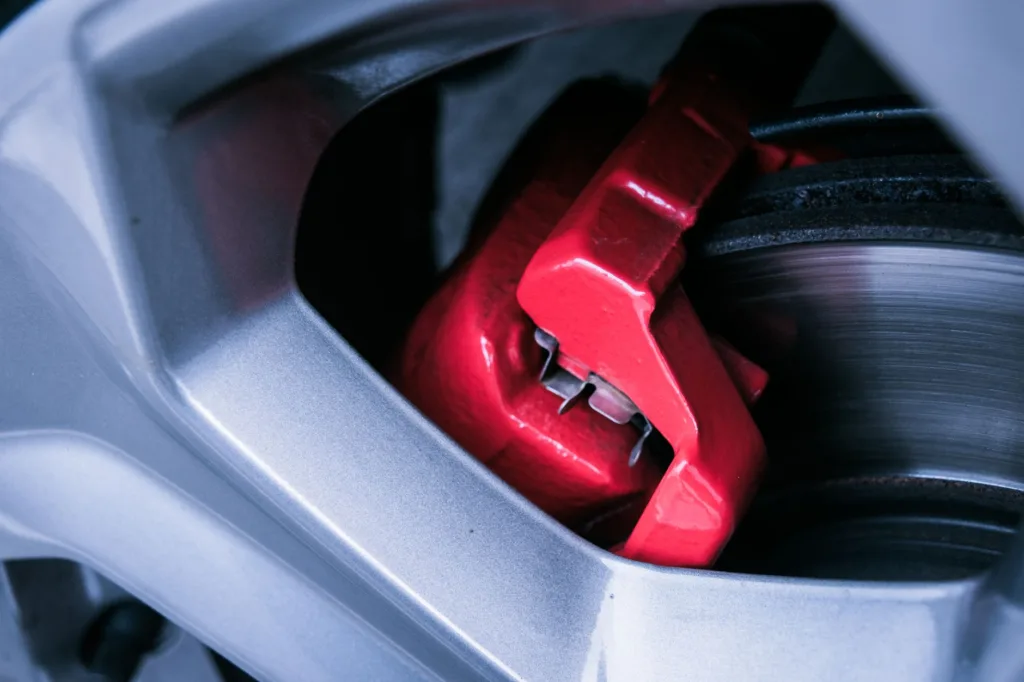
Brake squeal is usually caused by vibration between the brake pads and rotors, but the reason for that vibration can vary. In many cases, the sound comes from worn brake pads, glazed friction material, rust on the rotors, missing hardware, cheap pad compounds, or moisture and temperature changes. Some brake squeal is harmless and temporary, while other cases are a sign that the brakes need inspection soon.
If your brakes squeal only once in a while, especially on a damp morning, it may not mean anything serious. If they squeal every time you stop, get louder over time, or are joined by grinding, vibration, poor stopping performance, or a brake warning light, the cause should be checked promptly. The challenge is that the same squeal can come from several different issues, so it helps to understand what the noise is actually telling you.
What Brake Squeal Actually Is
Brake squeal is a high-pitched noise created when brake components vibrate at certain frequencies during braking. When you press the brake pedal, the pads clamp the rotor to slow the vehicle. Ideally, that friction is smooth and quiet. In the real world, tiny imperfections, heat, moisture, pad material, and worn parts can make the components resonate and produce a squealing sound.
This is why squeal is not always a simple yes-or-no sign of bad brakes. A vehicle can squeal with plenty of pad life left. It can also stay quiet even when components are worn more than they should be. The noise is a clue, not a complete diagnosis by itself.
Most Common Causes of Brake Squeal
| Cause | Typical Sound | When It Happens | Urgency |
|---|---|---|---|
| Normal moisture or light surface rust | Brief squeal or scraping | First few stops after rain, washing, or overnight parking | Usually low |
| Worn brake pads | Consistent squeal, sometimes sharp and metallic | Most stops, often getting worse over time | High |
| Pad wear indicator contacting rotor | High-pitched warning squeal | During braking, sometimes before performance drops | High |
| Glazed pads or rotors | Squeal with reduced bite | After overheating or repeated hard braking | Moderate to high |
| Missing or worn hardware | Intermittent squeal or chirp | During light braking or when changing direction | Moderate |
| Low-quality pad material | Persistent squeal with otherwise normal braking | Cold stops, light pedal pressure, urban driving | Low to moderate |
| Contaminated pads or rotors | Squeal, chatter, uneven stopping feel | After grease, fluid, or road contamination | Moderate to high |
| Rotor damage or uneven wear | Squeal, scraping, sometimes pulsation | Frequent braking, especially at speed | High |
Worn Brake Pads Are One of the Biggest Reasons
As brake pads wear down, the friction material becomes thinner and less able to absorb vibration. Many pads also include a small metal wear indicator designed to touch the rotor when the pad gets low. That contact creates a deliberate squeal to warn the driver that the pads are near the end of their service life.
This warning squeal often starts before braking performance feels obviously different. That is why some drivers assume the noise is minor and keep driving. In reality, the sound may be the earliest useful warning that the pads should be inspected before they wear into the backing plate and damage the rotor.
Signs the squeal is from worn pads
- The noise happens almost every time you brake
- It has become louder or more frequent over days or weeks
- The vehicle has been a long time or many miles since the last brake job
- The sound is sharper and more metallic than a light morning squeak
- You may notice reduced pad thickness through the wheel, if visible
Brake Pad Wear Indicators Can Squeal by Design
Not every brake squeal means something has failed. Many vehicles use a metal tab attached to the pad. When the friction material gets thin enough, the tab rubs the rotor and creates a high-pitched sound. That squeal is intentional.
Think of it as a built-in maintenance reminder. The brakes may still work normally at that stage, but it is time to schedule service. Ignoring the noise can allow the pads to wear far enough to score the rotor, increase repair cost, and reduce braking smoothness.
Moisture, Rust, and Weather Can Cause Temporary Squeal
Brake rotors are typically made of cast iron, and they can develop a thin layer of surface rust very quickly. After rain, car washing, high humidity, or overnight parking, that rust can create noise during the first few stops. Moisture can also change the friction characteristics between the pad and rotor for a short time, which may produce a squeal or scraping sound.
This kind of squeal is often brief. It usually goes away after the brakes warm slightly and the pad wipes the rotor surface clean. If the noise disappears after a couple of normal stops and does not return during dry driving, it is often considered normal.
When weather-related squeal is usually not a major concern
- The sound appears only after the car sits overnight
- It is worse in rain, fog, or high humidity
- It goes away within the first few minutes of driving
- Braking feels normal and smooth
- There is no grinding, pulsation, or warning light
Glazed Pads and Rotors Can Create a Sharp Squeal
Brake pads and rotors can become glazed when they are overheated. Glazing means the surfaces become hardened and smooth instead of maintaining the proper texture for clean, quiet friction. This can happen after repeated hard braking, riding the brakes on long downhill grades, stop-and-go driving in heavy traffic, or improper break-in of new pads and rotors.
When the surfaces are glazed, they are more likely to slip and vibrate rather than grip consistently. The result can be a high-pitched squeal, reduced stopping bite, and sometimes a shiny appearance on the rotor or pad surface.
Real-world example
A driver who comes down a long mountain grade while lightly dragging the brakes most of the way may overheat the friction surfaces. The brakes may still work, but afterward they can squeal during regular around-town stops. In that case, the issue may be less about wear and more about heat damage or glazing.
Low-Quality or Aggressive Pad Material Can Be Naturally Noisy
Not all brake pad compounds behave the same way. Some pad materials are more likely to squeal, especially when cold or during light braking. Semi-metallic pads, for example, often offer good durability and heat handling but can be noisier than other compounds in some applications.
That does not automatically make them bad. It just means noise can sometimes be a tradeoff. Likewise, cheaper aftermarket pads may fit and stop the vehicle adequately, but they may not control vibration as well as a better-matched pad and hardware setup.
Common pad types and noise tendencies
| Pad Type | Typical Noise Tendency | General Traits |
|---|---|---|
| Organic | Often quieter | Softer feel, can wear faster |
| Semi-metallic | Can squeal more often | Durable, handles heat well |
| Ceramic | Often quieter, but not always silent | Low dust, stable street performance |
Even with good materials, brake noise can still happen if the pad compound is not well suited to the vehicle, driving style, or rotor condition.
Missing, Bent, or Worn Brake Hardware Is a Common Overlooked Cause
Brake pads do not work alone. They rely on clips, shims, anti-rattle hardware, slide pins, and caliper contact points to stay aligned and move correctly. If these parts are missing, corroded, dry, bent, or installed incorrectly, the pads can vibrate more easily and squeal.
This is one reason brake noise sometimes starts shortly after a brake job. The new pads may not be the issue at all. The real problem may be reused worn hardware, seized slide pins, lack of proper lubrication at approved contact points, or incorrect assembly.
Hardware-related clues
- Squeal started soon after brake service
- The noise changes when turning or reversing
- One wheel seems noisier than the others
- Braking may feel slightly uneven
- The pads may wear unevenly if the caliper is not moving freely
Contaminated Brake Pads or Rotors Can Squeal
Brake friction surfaces need to stay clean and dry. If grease, oil, brake fluid, axle grease, or even some cleaners get on the pads or rotors, the result can be noise, chatter, poor bite, or uneven braking. Once brake pad material is contaminated, cleaning does not always restore it.
This can happen after sloppy repair work, a leaking caliper, a bad axle seal on some vehicles, or spraying the wrong product near the brakes. Pads can also pick up debris such as fine gravel or rust particles, which may create temporary squealing or scraping.
Possible contamination sources
- Brake fluid leaking from a caliper or hose connection
- Grease from wheel bearing or axle issues
- Lubricant accidentally applied to the friction surface
- Road grime mixed with moisture and dust
- Improper use of chemicals during wheel or brake cleaning
Rotor Problems Can Lead to Brake Squeal Too
Rotors that are deeply grooved, heavily rusted, unevenly worn, heat-spotted, or out of specification can cause pad vibration and noise. A smooth pad trying to grip an irregular rotor surface can squeal even if the pad itself still has usable life left.
Rotor issues may also show up with other symptoms. You might feel pulsation in the pedal, vibration in the steering wheel during braking, longer stopping distances, or a scraping sound along with the squeal. If those symptoms are present together, the brakes should be inspected sooner rather than later.
Rotor conditions that often cause noise
- Deep scoring or grooves
- Rust buildup around the pad contact area
- Hot spots from overheating
- Rotor thickness variation
- Poor rotor finish after machining or replacement
New Brakes Can Squeal if They Were Not Properly Bedded In
New pads and rotors often need a proper break-in process, commonly called bedding. This process transfers an even layer of friction material onto the rotor face and helps the pad and rotor mate correctly. If that process is skipped or done poorly, the brakes may squeal, feel grabby, or develop uneven friction.
Improper bedding is especially common after DIY brake work. For example, installing new pads and then immediately doing repeated hard panic-style stops can overheat the surfaces before they have a chance to seat correctly. The brakes may function, but they can become noisy.
What bedding problems can feel like
- Squeal begins soon after new brake installation
- Brakes feel inconsistent from stop to stop
- The rotors may develop patchy-looking friction areas
- Noise may be worse when lightly applying the pedal
Rear Drum Brakes Can Squeal for Different Reasons
Not all brake squeal comes from disc brakes. If your vehicle has rear drum brakes, squealing can come from dust buildup, worn shoes, hardened friction material, weak hardware springs, or contact points that need service. Drum brakes can also make noise if the shoes are out of adjustment.
Because drum components are enclosed, the sound can sometimes be harder to diagnose from outside the vehicle. If the squeal seems to come from the rear and your vehicle uses drums, inspection may reveal a different cause than front disc-brake noise.
Cold Brakes and Light Brake Pressure Often Make Noise More Noticeable
Many drivers notice brake squeal most during the first few stops of the day or when applying the brakes very lightly in a parking lot or neighborhood. This happens because some pad compounds are noisier before they warm slightly, and light pressure can allow more vibration than a firmer stop.
That pattern does not always mean the brakes are bad. It does, however, provide a useful clue. Noise only when cold or under very light pedal pressure often points more toward pad material, moisture, surface rust, or minor vibration issues than severe mechanical failure.
How to Tell Harmless Brake Squeal From a Problem That Needs Attention
| Symptom | Often Less Concerning | More Concerning |
|---|---|---|
| When it happens | Only after rain or overnight parking | Every stop, every day |
| How long it lasts | Just the first few stops | Continues through the whole drive |
| Braking feel | Normal and smooth | Pulsation, vibration, poor bite, pulling |
| Type of sound | Light squeak or brief squeal | Loud metallic squeal, scraping, grinding |
| Other warning signs | No other symptoms | Warning light, burning smell, visible damage |
If the squeal is constant, worsening, or accompanied by any change in braking feel, it is smart to have the system checked. Brakes are not an area where guessing is worth much.
Can You Keep Driving With Squealing Brakes?
Sometimes, yes, for a short time. But it depends on why they are squealing. If the noise is only from moisture and goes away quickly, continued normal driving is usually all that is needed. If the squeal is from a wear indicator, you may still be able to drive briefly, but service should be scheduled soon.
If the squeal is loud, constant, or joined by grinding, vibration, reduced stopping power, smoke, pulling, or a warning light, driving should be limited until the brakes are inspected. Continuing to drive with severely worn pads can damage rotors and calipers and can obviously reduce braking confidence.
What a Mechanic Will Usually Check
Diagnosing brake squeal is usually straightforward for a technician because the brake system can be inspected visually and mechanically. The goal is to look beyond the noise itself and find what is allowing the vibration to happen.
- Remaining brake pad thickness
- Condition of pad surfaces and wear pattern
- Rotor thickness, grooves, heat spots, and rust
- Caliper operation and slide pin movement
- Shims, clips, and anti-rattle hardware condition
- Signs of fluid leaks or contamination
- Drum brake condition, if equipped
- Whether the wear indicator is contacting the rotor
In some cases, fixing squeal may be as simple as replacing worn pads and hardware. In other cases, the rotors also need replacement or machining, depending on their condition and the service limits for that vehicle.
Typical Repair Costs for Brake Squeal
The cost depends on the actual cause. Temporary moisture-related squeal costs nothing. A simple front or rear brake pad service costs much less than a full brake overhaul with rotors and calipers. Labor rates and vehicle type also make a big difference.
| Repair Situation | Typical Cost Range | Notes |
|---|---|---|
| Inspection only | $0 to $150 | Some shops apply inspection cost toward repair |
| Pad replacement on one axle | $150 to $400+ | Varies by vehicle and pad type |
| Pads and rotors on one axle | $300 to $800+ | Common when rotors are worn or damaged |
| Caliper replacement with brake service | $450 to $1,000+ | Higher if a seized or leaking caliper is involved |
| Rear drum brake service | $250 to $600+ | Depends on shoes, drums, cylinders, and hardware |
These are broad estimates, not fixed prices. Luxury vehicles, heavy-duty trucks, and performance brake systems can cost more.
Common Mistakes Drivers Make When They Hear Brake Squeal
Assuming all squeal is harmless
Some squeal is temporary, but some is a wear warning. Waiting too long can turn a basic pad replacement into a more expensive rotor job.
Ignoring new noise after a brake job
If brakes start squealing right after service, do not assume they just need time. They might, but they might also have glazing, improper bedding, hardware issues, or installation errors.
Waiting until squeal becomes grinding
Grinding often means the friction material is gone or nearly gone. By that point, metal may be contacting the rotor.
Using the wrong parts or reusing worn hardware
Noise control depends on more than the pad itself. Old clips, stuck slide pins, and missing shims can cause noise even with brand-new pads.
Trying to mask the sound without fixing the cause
Sprays and shortcuts do not solve worn pads, damaged rotors, or seized calipers. Brake noise should be traced to the actual mechanical reason.
Practical Maintenance Tips to Reduce Brake Squeal
- Have brakes inspected at regular service intervals or during tire rotation
- Do not ignore brief squeal that becomes frequent or constant
- Address pad wear before the wear indicators contact the rotors for long
- Use proper brake service procedures, including hardware replacement where appropriate
- Make sure slide pins and contact points are serviced correctly with the proper lubricants
- Bed in new pads and rotors according to the vehicle or part manufacturer instructions
- Avoid riding the brakes on long downhill sections when possible
- After washing the car, drive and brake gently to help dry the rotors
When Brake Squeal Means You Should Stop Driving and Get Help
Brake squeal deserves immediate attention if it changes into grinding, if the pedal feels soft or pulses heavily, if the car pulls while braking, or if you see a brake warning light. A burning smell or smoke from a wheel also points to a more serious brake problem, such as a sticking caliper.
In those situations, the issue may be more than simple noise. The brakes may be overheating, unevenly applying force, or wearing rapidly. That is no longer just a comfort issue. It is a clear sign to inspect the system as soon as possible.
FAQ
Is brake squeal always a sign of worn brakes?
No. Brake squeal can come from moisture, rust, pad material, glazing, or hardware issues. But worn pads are one of the most common causes, so the noise should not be dismissed without inspection.
Why do my brakes squeal only in the morning?
A thin layer of moisture or surface rust on the rotors is a common reason. If the sound goes away after the first few stops and the brakes feel normal, that is often temporary and not serious.
Can new brake pads squeal?
Yes. New pads can squeal if they were not properly bedded in, if the hardware is not right, if the rotors are worn or uneven, or if the pad compound is naturally noisier.
What is the difference between squealing and grinding brakes?
Squealing is a high-pitched noise often caused by vibration or a wear indicator. Grinding is a harsher metal-on-metal sound and usually means the pads are severely worn or there is physical contact where there should not be.
Can I spray something on my brakes to stop squealing?
That is not a proper fix. Brake noise needs the real cause identified. Spraying products near brake friction surfaces can make things worse if they contaminate the pads or rotors.
How long can I drive with squealing brakes?
It depends on the cause. If it is just moisture, normal driving is usually fine. If the squeal is from pad wear or another fault, you should arrange inspection soon and avoid delaying until performance changes.
Do ceramic brake pads eliminate squeal?
No. Ceramic pads are often quieter than some alternatives, but they can still squeal under certain conditions. Proper installation, hardware, rotor condition, and bedding still matter.
Can brake squeal come from the rear brakes?
Yes. Rear disc brakes and rear drum brakes can both squeal. The source is not always the front brakes, even though front brake noise is often easier to notice.
Final Takeaway
Brake squeal is usually caused by vibration in the braking system, but the underlying reason can range from harmless morning moisture to worn pads, glazed surfaces, rotor problems, or bad hardware. The pattern of the noise matters. Brief squeal that disappears quickly is often normal, while constant or worsening squeal deserves inspection.
If the brakes squeal every time you stop, or if the noise is accompanied by grinding, pulsation, pulling, or reduced braking confidence, treat it as a service issue rather than just an annoyance. Catching the cause early often keeps the repair simpler, less expensive, and easier on the rest of the brake system.