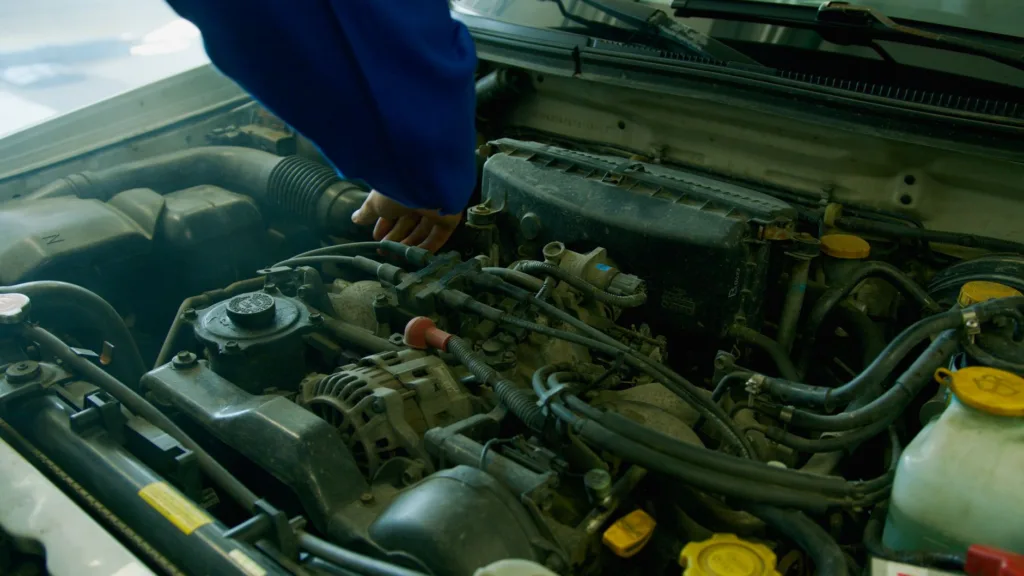
Oil consumption happens when engine oil is either burned inside the engine or lost through leaks. The most common causes are worn piston rings, worn valve seals, a faulty PCV system, turbocharger seal problems, external oil leaks, and using the wrong oil viscosity for the engine. Some oil use can be considered normal, especially on higher-mileage engines or certain performance engines, but rapid oil loss usually points to a mechanical problem or maintenance issue that should not be ignored.
This matters because low oil level can lead to poor lubrication, overheating, accelerated wear, and eventually major engine damage. If your vehicle needs oil added between scheduled changes, the first step is to figure out where the oil is going. Is it leaking onto the outside of the engine, or is it being burned inside the combustion chambers?
Understanding the cause can save money and help you decide whether the fix is simple, like replacing a PCV valve, or more involved, like addressing internal engine wear.
What Oil Consumption Means
Oil consumption simply means the engine uses up oil over time. In a healthy engine, the oil level may drop slightly between oil changes. That does not always mean there is a serious issue. Engines are not perfectly sealed systems, and a small amount of oil can pass through normal operating clearances.
However, if the oil level drops quickly, if you see blue exhaust smoke, smell burning oil, or find yourself adding a quart frequently, the amount may be beyond normal. At that point, the engine needs closer inspection.
Normal oil consumption vs excessive oil consumption
| Condition | What it usually means | Typical concern level |
|---|---|---|
| Slight drop over several thousand miles | May be normal, especially on older or high-performance engines | Low |
| Need to add oil between oil changes | Could be normal on some engines, but should be monitored | Moderate |
| Oil level drops rapidly | Likely leak or internal oil burning | High |
| Blue exhaust smoke | Oil is being burned in the combustion chamber | High |
| Oil spots under vehicle | External leak | Moderate to high |
| Low oil warning light comes on | Oil level may be dangerously low | Urgent |
The exact amount considered normal varies by manufacturer, engine design, mileage, and driving conditions. Some automakers state that a certain amount of oil use over a given mileage can still fall within acceptable limits. Even so, regular top-offs should not be treated casually unless the manufacturer clearly says that rate is expected for your engine.
The Most Common Causes of Oil Consumption
Worn piston rings
Piston rings seal the gap between the piston and the cylinder wall. They help contain combustion pressure and control how much oil stays on the cylinder walls. When they wear out, oil can slip past them and enter the combustion chamber, where it burns.
This is one of the classic causes of oil burning in older or neglected engines. It is more common in high-mileage vehicles, engines that were run low on oil, or engines with poor maintenance history.
Signs of worn piston rings can include:
- Blue smoke from the exhaust, especially during acceleration
- Low compression
- Higher crankcase pressure
- Poor fuel economy
- Reduced power
- Frequent need to add oil
Worn valve stem seals or valve guides
Valve stem seals keep oil from leaking down the valve stems into the combustion chamber. Over time, these seals can harden, crack, or wear out. Valve guides can also wear, creating extra clearance that allows oil to pass.
When this happens, the engine may burn oil during startup or while decelerating. A common pattern is a puff of blue smoke after the engine has been sitting overnight.
This problem is often seen on aging engines. It may not affect compression the same way worn piston rings do, so the engine can otherwise seem to run fairly well while still consuming oil.
Faulty PCV system
The positive crankcase ventilation, or PCV, system removes blow-by gases from the crankcase and routes them back into the engine to be burned. If the PCV valve sticks or the system becomes restricted, crankcase pressure can rise. That pressure can force oil past seals and gaskets or draw excess oil into the intake.
A bad PCV valve is one of the simpler causes of oil consumption, and it is often overlooked. On some engines, a failing PCV system can cause surprisingly high oil use without obvious leaks.
Signs can include:
- Oil in the intake tract
- Rough idle
- Whistling noises from crankcase pressure issues
- External oil leaks that develop from pressure buildup
- Increased oil consumption without major smoke
Turbocharger seal problems
Turbocharged engines can consume oil if the turbocharger seals wear or if oil drainage from the turbo is restricted. Because the turbo operates at very high speed and temperature, its lubrication system is under stress. When a turbo begins to fail, oil can enter either the intake side or the exhaust side.
This may cause blue smoke, oil residue in charge pipes, or reduced turbo performance. Some turbo engines also consume more oil than naturally aspirated engines even when working normally, particularly under hard use.
External oil leaks
Not all oil loss is from burning. Sometimes the engine is simply leaking oil onto the outside of the engine or onto the ground. Common leak points include:
- Valve cover gasket
- Oil pan gasket
- Front or rear main seal
- Oil filter housing gasket
- Drain plug washer
- Timing cover gasket
- Camshaft seals
Small leaks may burn off on hot engine parts before reaching the ground, so you may smell burning oil without seeing a puddle. Leaks are common on older engines and can worsen after years of heat cycling.
Using the wrong oil viscosity
If the oil is too thin for the engine, it may pass through clearances more easily and increase consumption. This is especially true on older, worn engines. Using the wrong viscosity can also affect oil pressure and film strength.
For example, an engine designed for one grade may consume more oil if filled with a lighter oil that is not approved by the manufacturer. On the other hand, switching to a heavier oil without understanding the engine’s design can also create cold-start lubrication concerns.
The safest approach is to use the viscosity and specification listed in the owner’s manual, unless a qualified professional recommends a different grade due to age, climate, or engine condition.
Oil volatility and poor-quality oil
Some oils evaporate more readily under high heat. In hot-running engines, prolonged highway driving, towing, or turbo use can increase oil loss from evaporation and burning. High-quality oil that meets the correct specification usually performs better in these conditions than oil that barely meets the minimum or is not intended for the application.
This does not mean every case of oil consumption is caused by the brand of oil. Mechanical wear is still the more important issue. But oil quality and correct spec do play a role.
Engine wear from poor maintenance
Extended oil change intervals, repeated low-oil operation, sludge buildup, overheating, and neglected maintenance can all accelerate internal wear. Once wear develops, the engine may begin consuming oil through multiple paths at the same time.
For example, an engine with heavy sludge may have stuck oil control rings, restricted drain-back passages, and a stressed PCV system. In that case, oil consumption may not have a single simple cause.
Why Some Engines Consume More Oil Than Others
Oil consumption is not the same across every engine family. Some engines are known to use more oil due to their design, operating temperature, piston ring tension, cylinder finish, turbocharging, or emissions strategy.
Modern engines often use low-tension piston rings to reduce friction and improve fuel economy. That can work well, but it can also make some engines more sensitive to ring sticking, carbon buildup, or oil control issues if maintenance is poor.
High-performance engines can also use oil faster because they operate at higher temperatures and speeds. Hard acceleration, long uphill drives, towing, and high-RPM driving all increase oil stress.
Driving conditions that can increase oil use
- Frequent high-speed highway driving
- Towing or carrying heavy loads
- Mountain driving
- Hot climate operation
- Track use or repeated high-RPM driving
- Long oil change intervals
- Short trips that contribute to deposits and ring sticking
A daily commuter driven gently in moderate weather may show very little consumption. The same engine used for towing in hot weather may use noticeably more oil.
Symptoms That Help Identify the Cause
The pattern of oil loss often gives clues about what is wrong. Looking at when oil disappears, what the exhaust does, and whether the outside of the engine is wet can narrow the diagnosis.
Blue smoke during startup
Blue smoke on startup often points to valve stem seals. Oil drips into the combustion chamber while the engine sits, then burns when the engine is started.
Blue smoke during acceleration
This can suggest worn piston rings or ring sealing issues. Heavy throttle increases combustion pressure and can push more oil into the chamber if the rings are worn.
Blue smoke during deceleration
Oil burning during deceleration often points toward valve guide or valve seal issues. High intake vacuum can pull oil past worn components.
No smoke, but oil level drops
This may happen with small external leaks, PCV problems, or catalytic converters that mask visible smoke. Modern emissions systems can make oil burning less obvious than it was on older cars.
Burning oil smell
A smell of burning oil often means oil is leaking onto hot exhaust components. Valve cover gasket leaks are a common cause.
Oily spark plugs or carbon buildup
Oil entering the combustion chamber can foul spark plugs and leave deposits. Misfires may eventually follow.
Oil Consumption Diagnosis Guide
| Symptom | Possible cause | What to inspect |
|---|---|---|
| Blue smoke on startup | Valve stem seals | Startup smoke pattern, plug condition |
| Blue smoke under acceleration | Piston rings, cylinder wear | Compression, leak-down test |
| Oil in intake tubing | PCV issue, turbo seal issue | PCV system, turbo piping |
| Oil spots under car | External leak | Gaskets, seals, oil pan, filter area |
| Burning smell with no visible smoke | Leak onto hot engine or exhaust | Valve cover, rear of engine, exhaust area |
| Low power plus oil use | Internal wear | Compression, leak-down, crankcase pressure |
How Mechanics Diagnose Oil Consumption
Diagnosing oil consumption usually starts with the basics. A technician will check the oil level, verify the correct oil type, inspect for leaks, and ask how quickly the oil level drops.
From there, common diagnostic steps include:
- Inspecting the engine for external oil leaks
- Checking the PCV valve and hoses
- Looking for oil in the intake system
- Inspecting the turbocharger on turbo engines
- Performing a compression test
- Performing a leak-down test
- Examining spark plugs for oil fouling
- Checking for sludge or neglected maintenance history
Compression and leak-down testing
A compression test checks how well each cylinder builds pressure. Low compression can suggest worn rings, worn valves, or head gasket problems.
A leak-down test is more precise. It sends compressed air into each cylinder and measures how much escapes. The direction of the escaping air helps identify whether the leak is through the rings, intake valves, exhaust valves, or another path.
Oil consumption test
Sometimes a shop will perform a controlled oil consumption test. The oil is changed and filled to the exact mark, the level is sealed or documented, and the vehicle is driven for a specified distance before rechecking the level. This helps determine whether the rate is abnormal.
Can Carbon Buildup Cause Oil Consumption?
Yes. Carbon deposits can cause oil control rings to stick in their grooves. When the rings cannot move freely, they stop scraping excess oil off the cylinder walls effectively. That oil then gets burned.
This issue can happen on engines that see long oil change intervals, lots of short trips, or poor-quality oil. In some cases, ring sticking can be partially improved with cleaning procedures, but results vary. If the rings or cylinder walls are physically worn, cleaning alone will not solve the problem.
Can Synthetic Oil Cause Oil Consumption?
Synthetic oil does not inherently cause oil consumption in a healthy engine. However, switching an older worn engine from one oil type or viscosity to another can make existing problems more noticeable. Synthetic oil often flows better at low temperature and can pass through worn seals or clearances more easily than thicker degraded oil that had been masking the issue.
In other words, the oil usually did not create the wear. It simply revealed it.
If a vehicle is designed for synthetic oil, using the correct synthetic oil is generally the right choice. The key is using the correct viscosity and specification.
How Serious Oil Consumption Is
Oil consumption can range from a minor nuisance to a sign of major engine wear. The seriousness depends on the rate of loss, the cause, and whether the oil level is being monitored carefully.
Driving with low oil is what turns a manageable issue into engine damage. Even an engine with internal wear may continue operating for a long time if the oil level is kept correct and the consumption rate stays stable. But if the owner forgets to check the dipstick, damage can happen quickly.
When oil consumption becomes urgent
- The low oil warning light comes on
- You need to add oil very frequently
- There is visible blue smoke from the exhaust
- The engine misfires or loses power
- Oil is leaking onto hot exhaust parts
- You hear ticking, knocking, or other lubrication-related noise
Common Mistakes Vehicle Owners Make
Ignoring small oil loss
Many drivers assume a small drop in oil level is nothing to worry about. Sometimes it is minor, but small issues often grow slowly. Catching a valve cover leak or PCV problem early is much cheaper than waiting for the engine to run low.
Not checking the oil between oil changes
One of the biggest mistakes is assuming the oil level stays full until the next service. If your engine is consuming oil, the dipstick needs to be checked regularly.
Using the wrong viscosity
Choosing oil based only on what is available or what another driver uses can create problems. Modern engines can be very sensitive to viscosity and oil specifications.
Assuming no puddle means no leak
Oil can leak onto hot components and burn off before it ever reaches the ground. A burning oil smell matters, even if the driveway is clean.
Adding oil without finding the cause
Topping off oil protects the engine in the short term, but it does not diagnose the issue. Ongoing consumption should still be investigated.
Overfilling the engine
Some owners add too much oil after noticing the level is low. Overfilling can cause foaming, crankshaft contact with the oil, catalytic converter damage, and increased oil consumption.
Practical Maintenance Tips to Reduce Oil Consumption Risk
- Check the oil level regularly, especially on higher-mileage vehicles
- Use the oil grade and specification listed by the manufacturer
- Do not stretch oil changes far beyond the recommended interval
- Replace a faulty PCV valve or damaged PCV hoses promptly
- Fix external oil leaks before they get worse
- Pay attention to blue smoke, burning smells, and oil warning lights
- Keep records of how much oil you add and how often
- Address overheating issues quickly, since heat accelerates wear
Real-world example
A high-mileage commuter car that uses one quart every 2,000 miles may continue serving reliably for years if the owner checks oil often and keeps it full. By contrast, a turbocharged vehicle with a failing turbo seal may go from mild oil use to heavy smoke and catalyst damage much faster. The right response depends on the pattern and cause.
Typical Repair Possibilities and Cost Ranges
Repair cost depends heavily on the cause and vehicle design. Some fixes are relatively simple, while others involve major engine work.
| Cause | Typical repair approach | General cost level |
|---|---|---|
| PCV valve or hose issue | Replace valve, hoses, or separator components | Low |
| Valve cover gasket leak | Replace gasket | Low to moderate |
| Oil pan or filter housing leak | Replace gasket or seal | Moderate |
| Valve stem seals | Replace seals, sometimes with head work | Moderate to high |
| Turbocharger seal failure | Repair or replace turbocharger | High |
| Worn piston rings or cylinder wear | Engine rebuild or replacement | Very high |
Labor rates and parts prices vary widely by location and vehicle. A simple leak repair may cost far less than internal engine work, which is why proper diagnosis matters.
When You Can Keep Driving and When You Should Stop
If the engine is consuming oil slowly, there are no warning lights, and you can safely maintain the level, the vehicle may still be drivable while you plan repairs. Many older cars remain on the road this way.
But you should avoid continued driving if:
- The oil pressure warning light comes on
- The engine starts making knocking or ticking noises
- There is heavy exhaust smoke
- Oil is leaking rapidly
- The engine is running poorly or overheating
Low oil pressure is especially serious. Unlike a simple maintenance reminder, an oil pressure warning can indicate immediate lubrication risk.
How to Track Oil Consumption Properly
If you suspect oil consumption, track it methodically rather than guessing. This helps determine whether the issue is stable, worsening, or possibly within normal range.
- Park on level ground and check the oil consistently, ideally when the engine is off for a few minutes.
- Record the mileage and oil level.
- Add only enough oil to reach the correct mark.
- Write down how much oil was added.
- Recheck after several hundred miles.
After a few checks, you will have a clearer picture of how fast the engine is using oil. That information is useful whether you are troubleshooting yourself or visiting a repair shop.
Frequently Asked Questions
Is it normal for a car to consume some oil?
Yes. Some engines use a small amount of oil between changes, especially as mileage increases or under hard driving. Rapid oil loss is not normal and should be investigated.
What causes oil consumption without leaks?
The most common causes are worn piston rings, worn valve seals, PCV system problems, and turbocharger seal issues. In these cases, the oil is usually being burned inside the engine.
Can bad spark plugs cause oil consumption?
No. Bad spark plugs do not usually cause oil consumption. However, oil consumption can foul spark plugs and create misfires.
Does engine oil get burned as cars age?
It can. As engines age, seals harden, rings wear, and internal clearances increase. That makes oil burning more likely.
Will thicker oil stop oil consumption?
It may reduce consumption in some worn engines, but it is not a real fix for mechanical wear. It is best to follow manufacturer recommendations unless a qualified professional advises otherwise.
Can a clogged PCV valve cause oil loss?
Yes. A clogged or faulty PCV system can increase crankcase pressure or pull excess oil into the intake, both of which can lead to oil consumption.
How do I know if oil is leaking or burning?
Leaks often leave wet areas on the engine, oil spots, or a burning smell from oil hitting hot parts. Burning oil is more likely to cause blue smoke, fouled spark plugs, or carbon deposits.
Can you drive with an oil-consuming engine?
Sometimes, yes, if the oil level is monitored closely and the consumption is manageable. You should not keep driving if the oil pressure warning light comes on or the engine starts making noise.
Key Takeaways About What Causes Oil Consumption
Oil consumption is usually caused by either oil burning inside the engine or oil leaking outside the engine. The most common causes include worn piston rings, worn valve stem seals, PCV system faults, turbocharger issues, external gasket or seal leaks, and incorrect or unsuitable oil.
The best way to respond is to monitor the oil level, look for patterns in smoke or leaks, and diagnose the cause before the engine runs low. A simple PCV problem or gasket leak is very different from worn rings, but both can lead to serious damage if ignored.
If your vehicle needs regular top-offs, do not assume that is harmless. Track the rate of loss, use the correct oil, and have the engine inspected if consumption is rising or symptoms like smoke, smell, or low-oil warnings appear.