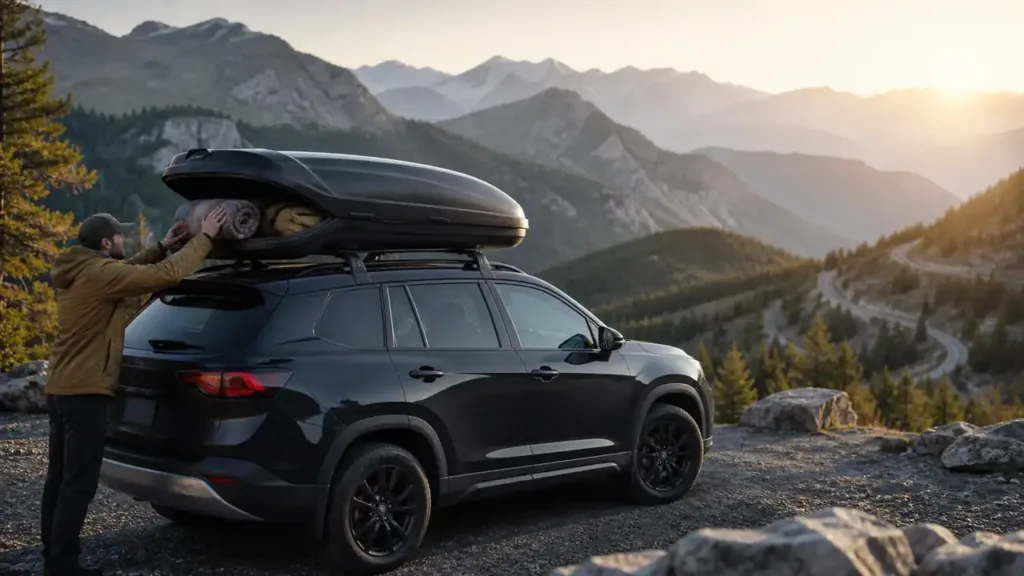
Road trips have a funny way of turning tidy plans into a puzzle of duffels, blankets, coolers, and that one oversized bag nobody wants to sit on. That is where a good rooftop cargo carrier earns its keep. It gives you breathing room inside the cabin, keeps the back seat from feeling like a packed subway car, and can save a family vacation from starting with a loud argument over legroom. The trick is picking the right one, because the best rooftop cargo carrier for a weekend camping run is not always the same one that works best for long highway miles or an SUV loaded with kids and luggage.
Buyers usually get tripped up by two things. First, they chase capacity numbers and forget about real-world fit, roof compatibility, and weather protection. Second, they assume every carrier will feel the same once strapped down. That is rarely true. Soft bags are lighter, cheaper, and easier to stash when the trip ends, while hard boxes bring better security, cleaner aerodynamics, and a more polished feel on the road. Different drivers care about different things, too. Some want fast setup before a dawn departure, others want a lockable shell for expensive gear, and plenty just want the best mix of price, toughness, and convenience.
The strongest pick here is the one that balances those tradeoffs without making the trip feel like a chore. For most buyers, that means a carrier that is easy to mount, steady at highway speed, and roomy enough to swallow the odd-shaped luggage that always seems to show up at the last minute. The top overall recommendation below does that well, but the runner-ups each shine for a different kind of traveler, which is exactly why this roundup is worth a careful look.
If you are short on time, the quick picks and comparison table below give a fast snapshot of the best options.
| Product | Best For | Type | Main Strength |
|---|---|---|---|
| FIVKLEMNZ 30 Cubic | Best Overall | Soft bag | Huge 30 cu ft capacity with strong strap setup |
| Asinking 21 Cubic Feet | Best Budget | Soft bag | Low-cost entry with waterproof material and useful extras |
| Thule Pulse 2 | Best Premium | Hard box | Refined aerodynamics, dual-side access, and premium build |
| MIDABAO 20 Cubic | Best Value | Soft bag | Strong everyday balance of capacity, price, and portability |
| MeeFar 21 Cubic | Best Security | Soft bag | Locking setup and thoughtful safety-focused design |
| SportRack Vista XL | Best Hard-Shell Value | Hard box | Rear-opening cargo box with practical capacity |
| Heavy Duty ABS Lockable Carrier | Best Heavy-Duty Box | Hard box | Rigid ABS build with 110 lb load capacity |
| FIVKLEMNZ 30 Cubic | Best Large Family Trips | Soft bag | One of the biggest soft carriers in the lineup |
| Car Rooftop Cargo Carrier Bag | Best Compact All-Rounder | Soft bag | Simple, affordable, and easy to live with |
For a closer look at what separates these models, the reviews below lay out the tradeoffs in plain English.
Quick Picks
- Best Overall: FIVKLEMNZ 30 Cubic Car Rooftop Cargo Carrier
- Best Budget: Asinking Car Rooftop Cargo Carrier Bag 21 Cubic Feet
- Best Premium: Thule Pulse 2 Aerodynamic Roof Mounted Box
- Best Value: MIDABAO 20 Cubic Waterproof Duty Car Roof Top Carrier
1. Best Overall: FIVKLEMNZ 30 Cubic Car Rooftop Cargo Carrier

One reason this model stands out is sheer hauling space. Thirty cubic feet is the sort of number that changes the mood of a trip. Suddenly the strollers, sleeping bags, beach gear, and extra jackets stop fighting for the same patch of rear cargo room. For families and group travelers, that extra volume matters more than a shiny shell or a fancy logo, because it keeps the cabin calmer and the load easier to organize. The fabric feels aimed at real use, too, with heavy-duty 840D PVC, welded seams, and a double-layered waterproof cover that gives the bag a sturdy, road-ready personality.
It also earns points for a smart security setup. Ten reinforced straps and six door hooks help keep it planted, which is a big deal once the highway starts humming and crosswinds begin nudging the roofline. In a rainy airport pickup or a late-night drive to a mountain cabin, that stability feels reassuring. The bag still folds down for storage, which is one of those practical details that matters far more after the trip than before it. If your main goal is maximum carrying space with a decent mix of weather protection and compatibility, this is a very strong place to start.
Pros
- Huge 30 cubic foot capacity suits big family trips.
- Compatible with vehicles that have racks or no rack at all.
- Strong strap and hook setup helps keep it secure at speed.
- Waterproof construction is a real plus for stormy travel.
- Folds away more easily than a hard shell once the trip ends.
Cons
- Soft-sided design will never feel as secure as a hard box.
- Large size can look bulky on smaller cars.
- Loading a very full bag takes a bit of care to keep shape and balance.
If you are hauling for five, six, or more people, this is the kind of carrier that earns its place the first time everything fits without a chess match in the driveway. It makes the most sense for big road trips, camping runs, and vacation weeks where the luggage pile keeps growing by the hour. Travelers with a small car may want something more modest, but for larger vehicles and bigger families, this is the strongest all-around answer in the group.
To buy this product, click here.
2. Best Budget: Asinking Car Rooftop Cargo Carrier Bag 21 Cubic Feet

For shoppers trying to stretch every dollar without settling for a flimsy roof sack, this Asinking bag hits a sweet spot. It offers 21 cubic feet of cargo room, which is enough for a pretty meaningful road-trip load, yet it keeps the setup simple and lightweight. The 900D PVC tarpaulin and reinforced seams give it a sturdier feel than the cheapest bags in this category, and the included non-slip rubber mat, hooks, lock, and storage bag make the whole package feel unusually complete for a budget-friendly pick.
This model is also easy to live with. It works with or without a roof rack, folds down when not in use, and brings a combination lock for a bit of peace of mind when you stop overnight. That matters on real trips, especially if you are parking in motel lots or leaving the car packed while grabbing dinner. The bag should appeal to drivers who want a dependable soft carrier without paying hard-box money. It is not the flashiest option, but it is the sort of sensible buy that quietly solves a messy packing problem.
Pros
- Friendly price point for a full-size 21 cubic foot carrier.
- 900D PVC material feels tougher than many entry-level bags.
- Includes useful extras like a mat, lock, hooks, and storage bag.
- Works on vehicles with or without roof racks.
- Folds flat for easier storage between trips.
Cons
- Soft bag format is less secure than a lockable hard shell.
- Best for moderate packing rather than extreme overstuffing.
- Heavy rain protection is good, but hard boxes still win for peace of mind.
This is the pick for practical buyers who care more about solving the luggage squeeze than showing off a premium roof box. It makes sense for family weekends, college moves, and summer vacations where extra room matters and storage after the trip matters just as much. If you want the lowest-friction way into rooftop cargo carrying, this is hard to beat.
To buy this product, click here.
3. Best Premium: Thule Pulse 2 Aerodynamic Roof Mounted Box

This is the polished, well-engineered choice in the lineup. The Thule Pulse 2 feels built for people who want the roof carrier to behave like part of the vehicle instead of a temporary add-on rattling up there in the wind. The aerodynamic shape, hardwearing ASA-ABS plastic, and dual-sided opening all speak to a product designed with daily usability in mind. That matters whether you are heading out for a ski weekend or just carrying extra baggage to the airport before sunrise.
The torque indicator and tool-free installation are especially nice touches. They remove a lot of guesswork from the mounting process, which is exactly what nervous first-time hard-box buyers need. Another practical win is the forward roof position, which helps preserve trunk access and reduces the chance of bumping the rear hatch. At 16 cubic feet, it is not the largest box here, but it feels the most refined. Buyers who value quieter road manners, easy access from either side, and a more premium long-term ownership feel will appreciate why this one earns the top-end slot.
Pros
- Premium build quality feels solid and confidence-inspiring.
- Dual-sided opening makes loading and unloading much easier.
- Aerodynamic shape helps reduce drag and roof noise.
- Tool-free installation is simpler than many hard boxes.
- Good weather resistance and lockable security for valuable gear.
Cons
- Smaller capacity than some larger soft bags.
- Premium pricing will not suit every budget.
- Hard box storage is less convenient than folding a soft carrier away.
Choose this if you want a cleaner, calmer, more refined roof cargo experience and do not mind paying for it. It shines on frequent road trips, ski travel, and mixed-use vehicles where a polished hard box feels worth the extra spend. If your priority is long-term satisfaction rather than lowest upfront cost, this is the one to circle.
To buy this product, click here.
4. Best Value: MIDABAO 20 Cubic Waterproof Duty Car Roof Top Carrier

The MIDABAO bag has a very “get the job done” personality, and that is a compliment. It gives buyers 20 cubic feet of cargo room, a flexible soft-shell body, and a useful strap layout that makes setup feel less fiddly than some bargain carriers. It is the kind of bag that can handle a couple of suitcases, a few duffels, and all the awkward loose stuff that would otherwise eat the back seat. For many households, that is the sweet spot between oversized and impractical.
What makes it such a strong value pick is the balance. You get more than basic water resistance, plus a design that folds down easily and does not demand permanent roof hardware. That makes it especially appealing for drivers who only need rooftop storage a few times a year and do not want to own a bulky hard box. On a summer vacation or a holiday visit where the car is packed to the roofline, this one feels like a smart compromise between cost, capacity, and convenience.
Pros
- 20 cubic feet is a very practical size for most families.
- Flexible design stores more easily than rigid carriers.
- Strap setup is straightforward and quick to learn.
- Good everyday value for occasional road travelers.
- Works with a wide range of vehicles.
Cons
- Not as secure or weatherproof as a locked hard box.
- Material quality is solid, but not as premium as top-tier options.
- Heavier packing can make shape management a little tricky.
If you want a roomy soft carrier that lands in the middle of the road on price and performance, this is a very appealing choice. It is best for drivers who want a dependable roof bag without leaning into budget-only territory or hard-shell complexity. That balance is the whole story here.
To buy this product, click here.
5. Best Security: MeeFar Rooftop Cargo Carrier Car Roof Bag 21 Cubic Feet

Some rooftop bags feel like they were built around capacity first and security second. MeeFar takes a different tack, and that is why it deserves a spot here. The bag uses 800D PVC tarpaulin with high-frequency technology, plus door hooks and a combination lock that make the overall setup feel more thoughtful for overnight travel. If you have ever pulled into a roadside motel with the roof packed and wondered whether the luggage would still be where you left it, this kind of detail suddenly feels very meaningful.
It also has a nice practical footprint. The 21 cubic foot size is enough for several suitcases, camping gear, or bulky family luggage, yet it remains easy enough to manage on a typical SUV or sedan with the right roof setup. The waterproof zipper and flap help round out the weather protection story, which is useful on long highway stretches where clouds can shift fast. Travelers who care about peace of mind, secure fastening, and a bag that feels a touch more protective than the average soft carrier should pay close attention here.
Pros
- Lock and hook setup adds welcome peace of mind.
- Strong waterproof zipper design helps keep contents dry.
- 21 cubic feet is a versatile size for family travel.
- Compatible with vehicles that have or lack roof racks.
- Durable soft-shell build suits frequent use better than ultra-cheap bags.
Cons
- Still a soft bag, so it cannot match hard-box security.
- May feel like overkill for very short trips.
- Packing and strapping carefully takes a few extra minutes.
This is the right choice for buyers who are a little security-minded and want the convenience of a soft carrier without feeling casual about their gear. It works especially well for hotel stops, long-distance road travel, and anyone leaving luggage on the roof for more than a quick errand. If that sounds like your travel style, this one is easy to like.
To buy this product, click here.
6. Best Hard-Shell Value: SportRack Vista XL Rear Opening Cargo Box

Hard boxes have a certain quiet confidence, and the SportRack Vista XL delivers that feeling without drifting into ultra-luxury territory. Its 18 cubic feet of space gives you a real bump in carrying room, and the rear-opening design is a standout because it keeps loading away from traffic. That sounds small until you are standing in a rainy parking lot, sliding bags into the box while cars roll by, and suddenly that rear-facing lid feels brilliant.
The UV-resistant ABS shell and tool-free mounting hardware make the Vista XL feel practical from the start. It is compatible with a wide range of rack systems, which helps broaden its appeal to families and travelers using factory bars. The hard shell also brings the kind of weather and security benefits soft bags cannot match. For people who want a more permanent-feeling roof solution without jumping straight to the priciest premium brands, this box is a very sensible middle lane.
Pros
- Rear opening improves roadside loading safety and convenience.
- Hard shell helps protect gear from weather and road grime.
- Good capacity for suitcases, sports gear, and travel bags.
- Tool-free mounting keeps installation fairly painless.
- Works with many common roof rack setups.
Cons
- Bulkier and harder to store than a soft bag.
- Less premium-feeling than top-tier hard boxes.
- Weight and size need a properly matched rack system.
This is a strong pick for drivers who want the hard-box experience without paying premium-brand prices. It makes the most sense for frequent family travelers, gear-heavy weekends, and anyone who prefers a more secure shell for the roof. If you want substance over flash, this box deserves a hard look.
To buy this product, click here.
7. Best Heavy-Duty Box: Heavy Duty Rooftop Cargo Carrier ABS Lockable Car Roof Rack Cargo Carrier

This carrier is for buyers who want a rigid, locked, no-nonsense roof box with a stronger weight rating. The ABS plastic shell brings a durable feel, and the 110 lb capacity gives it a practical edge for travelers who routinely move heavier loads. Think long family vacations, bulky winter gear, or that one trip where the trunk is already stuffed and every inch has to pull its weight. The non-slip bottom and secure key lock also help it feel planted and deliberate rather than temporary.
Its 53 x 34 x 15 inch footprint suggests a lower-profile shape than some taller boxes, which can be useful if you want to keep roof height under control. That can make garage clearance and highway handling a little easier to live with. The tradeoff is obvious, though. It only fits vehicles with cross bars, and that means a more specific setup than a universal soft bag. Buyers who already have the right rack and want a rugged shell with serious carrying discipline will likely find plenty to like here.
Pros
- Rigid ABS construction adds durability and weather protection.
- 110 lb load rating is appealing for heavier cargo needs.
- Lockable design gives extra security for luggage and gear.
- Lower-profile shape can feel easier to manage on some vehicles.
- Works well for frequent road travelers with cross bars already installed.
Cons
- Requires cross bars, so compatibility is narrower.
- Hard box format takes more storage space when not in use.
- Less flexible than a soft carrier for oddly shaped gear.
This is a better fit for repeat travelers who already own a suitable rack and want a sturdy shell they can trust. It is a particularly smart pick for people who haul often and dislike the feel of soft bags shifting around. If your priority is rigid protection and a more serious load rating, this one is worth a close look.
To buy this product, click here.
8. Best Large Family Trips: FIVKLEMNZ 30 Cubic Car Rooftop Cargo Carrier
The same FIVKLEMNZ model earns another mention here because its size is simply that useful for large family trips. A 30 cubic foot roof bag can swallow the stuff that typically spills into the aisle on vacation morning, from pillows to duffels to awkward camping gear. That makes it ideal for travelers who routinely pack like they are leaving for a month, even if the trip is only a week long. The generous dimensions are a big help when the back seat is already occupied and the trunk feels laughably small.
What keeps it from feeling like an oversized tarp is the thought behind the details. Heavy-duty material, reinforced straps, door hooks, and the included anti-slip mat all work together to keep the bag controlled. The result is a carrier that behaves better than many large soft bags once it is loaded up. If you have a bigger vehicle and need maximum roof-based storage for family travel, this is the one that most clearly solves that problem without moving into hard-box territory.
Pros
- Massive capacity suits big households and long vacations.
- Strong strap and hook system helps with stability.
- Weather-resistant build is reassuring for road-trip use.
- Folds down after use, which helps save storage space.
- Works with vehicles that have racks or none at all.
Cons
- Can look oversized on compact vehicles.
- Large soft bag needs careful loading to avoid sagging.
- Not as theft-resistant as a hard shell with a lock.
Pick this if your trips tend to involve a mountain of luggage and you want to keep the cabin from feeling packed to the ceiling. It is best for bigger vehicles, longer trips, and families who need real volume more than compact convenience. For sheer roof storage, it is one of the strongest options here.
To buy this product, click here.
9. Best Compact All-Arounder: Car Rooftop Cargo Carrier Bag 21 Cubic Feet
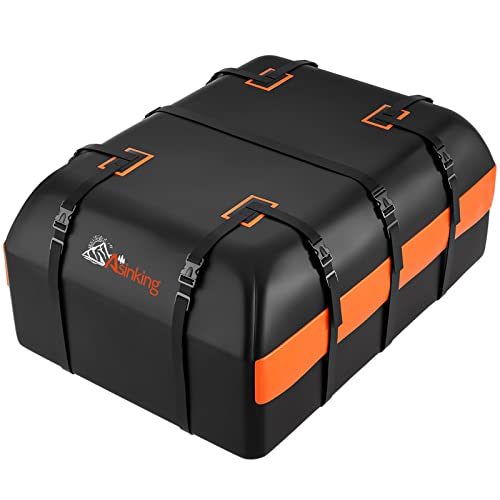
This roof bag earns a place because it keeps the formula straightforward and useful. The 21 cubic foot size sits in a very practical middle zone, big enough for serious luggage but not so large that it feels unwieldy on the roof of an average car or SUV. The 840D abrasion-resistant PVC fabric and triple-reinforced welded seams add confidence, especially for buyers who expect a few rough miles, changing weather, or a mix of city driving and highway stretches. It has the kind of no-drama design that works well on a Friday departure and does not become a hassle on Sunday night.
The included anti-slip mat, door hooks, extra straps, storage bag, and luggage lock make the package feel well thought out for everyday travelers. That helps it stand out among soft carriers that skimp on extras. It is compatible with vehicles with or without racks, which broadens its appeal for households that do not have a dedicated roof rack setup. If you want a simple, flexible cargo bag that handles the basics well and does not overcomplicate the process, this is a very comfortable choice.
Pros
- Practical 21 cubic foot size works for many trips.
- Strong 840D PVC build should hold up well with regular use.
- Included extras improve value and ease of setup.
- Compatible with vehicles with or without roof racks.
- Folds down neatly when it is time to store it.
Cons
- Soft-shell security is naturally limited.
- Not as large as the biggest family-trip carriers.
- Weather protection is good, but hard boxes still feel more sealed.
This is a strong choice for everyday travelers who want a well-rounded roof bag rather than a specialized monster-capacity model. It suits couples, smaller families, and anyone who wants a sensible mix of size and convenience. If your trips are more common than epic, this may be the easiest model to live with.
To buy this product, click here.
How To Choose The Right Best Rooftop Cargo Carrier
Soft Bag Or Hard Box
The first big decision is whether you want a soft rooftop bag or a hard-shell cargo box. Soft bags are easier to store, lighter to lift, and usually friendlier on the wallet. They make sense for occasional trips, rental cars with roof rails, and households that need extra space a few times a year. Hard boxes feel more secure, handle weather better, and often cut down on wind noise, but they take up space in the garage and cost more upfront. That tradeoff is the heart of the decision.
Think about your routine, too. If you are the kind of driver who loads up twice a year for vacation, a soft bag may feel perfect. If you travel with gear often and want a cleaner setup that stays on the roof for longer stretches, a hard box starts making a lot more sense.
Capacity And Real Packing Needs
Cubic feet numbers look impressive, but real packing is messy. A 30 cubic foot bag can be a lifesaver for a family of five, while a 16 to 21 cubic foot carrier might be plenty for a couple with duffels and a stroller. The mistake many buyers make is chasing the biggest number without thinking about vehicle size and roof balance. A huge carrier on a small sedan can feel awkward, and a tiny box on a minivan can become frustrating fast.
Picture a beach trip where half the load is soft coolers, towels, and oddly shaped chairs. Volume matters, but usable shape matters too. A roof carrier that matches the kind of gear you actually carry will feel far better than one chosen only from a spec sheet.
Roof Rack Compatibility
Before buying, check whether your vehicle has cross bars, side rails, or no rack at all. Some soft bags can work with or without a rack, which makes them much more flexible for mixed ownership situations. Hard boxes, especially rigid ones, often depend on cross bars and a fit guide. That means a little more homework up front, but it also usually brings a firmer and more secure connection once mounted.
One of the most annoying mistakes is buying a box that looks right online but needs a different bar spacing than your car can offer. A five-minute compatibility check can save a weekend of frustration and a return label.
Weather Resistance And Theft Protection
Rain, road spray, and overnight parking all change the stakes. If your gear will live through a thunderstorm or sit outside a motel for the night, zipper quality, seam construction, shell rigidity, and locking hardware start to matter a lot. Soft bags can be very water-resistant, especially the better-built ones, but hard boxes still have the edge for security and peace of mind.
For expensive gear, camping electronics, or winter travel, a lockable shell can feel worth the extra money. For clothes, blankets, and inflatable gear, a well-made soft carrier may be more than enough.
Ease Of Installation
Setup sounds simple until you are on the driveway with tired kids, a gusty afternoon, and a roof bag that wants to slide one way while the straps want to do something else. Tool-free mounting, clear strap layout, and included anti-slip mats can make a huge difference. Hard boxes can also be easy to mount, but they usually reward a careful first-time install more than a rushed one.
If you know you will remove the carrier after every trip, foldability and storage matter almost as much as installation. If you plan to leave it on for a season, a more stable hard shell may justify the extra effort.
Driving Feel And Noise
Roof cargo changes how a vehicle feels on the highway. Soft bags can flap or create more drag if they are overpacked or loosely strapped, while hard boxes tend to feel calmer and more predictable. Aerodynamic shape helps a lot here. If you drive long distances at steady speeds, a better-shaped hard carrier can make the trip feel quieter and less tiring.
That said, the quietest carrier is the one that fits your vehicle well and is packed properly. A sloppy install will make even a premium box feel irritating, which is why setup matters as much as the product itself.
Storage After The Trip
People forget about this part until the vacation is over. A soft bag can fold into a storage sack and disappear into a closet or garage shelf. A hard box needs real room, and that can be the dealbreaker for apartment dwellers or anyone with a crowded garage. If storage space is tight, the convenience of a soft carrier can outweigh the better security of a rigid shell.
That post-trip reality often decides the winner. The best rooftop cargo carrier is the one you can actually live with before and after the journey, not only during the drive.
Best Rooftop Cargo Carrier FAQ
What Size Rooftop Cargo Carrier Should I Buy?
For couples or small households, 16 to 21 cubic feet is often enough. Larger families or people packing camping gear may want 30 cubic feet or more. The right size depends on how much luggage you carry and how large your vehicle is. Bigger is helpful, but only if you can still load it comfortably and keep the weight balanced.
Are Soft Rooftop Bags Safe In Rain?
Good soft bags can do a strong job keeping water out, especially if they use welded seams, waterproof zippers, and flap covers. Still, a hard box is usually safer in prolonged rain or bad weather. If your gear is especially sensitive, pack valuables in sealed interior bags or choose a rigid shell.
Do I Need Roof Rails Or Cross Bars?
Not always. Some soft roof bags are designed to work with or without a rack. Hard boxes usually need cross bars for proper mounting. Always check the compatibility notes for your vehicle before you buy, because rack setup is one of the most common reasons a carrier disappoints.
Will A Rooftop Cargo Carrier Hurt Gas Mileage?
Yes, usually a bit. Anything mounted on the roof creates extra drag, and larger or boxier carriers can make that effect more noticeable. Aerodynamic hard boxes tend to be a little easier on efficiency than soft bags, but the difference depends on speed, shape, and how well the carrier is packed.
How Hard Is It To Install One?
Soft bags are usually simpler and quicker, especially if they include straps, hooks, and an anti-slip mat. Hard boxes can take more care during the first setup, but many modern models use tool-free mounting hardware that keeps the process manageable. The key is following the fit guide and tightening everything properly before you hit the road.
Which Is Better For Frequent Travel, A Bag Or A Box?
If you travel often, a hard box usually offers a better long-term experience because it is more secure, more weather-resistant, and often quieter at speed. If you only need rooftop storage occasionally, a soft bag may be the smarter buy because it is cheaper and easier to store between trips. Frequency matters more than style.
Can I Leave A Rooftop Carrier On Year-Round?
You can, but it is not always the best idea. Soft bags should usually be removed when not in use so they do not wear out from sun and weather exposure. Hard boxes can stay mounted longer, but they still add drag and can become a nuisance if you do not need them. Most buyers are happier treating rooftop storage as a seasonal tool.
Final Verdict
The strongest all-around pick here is the FIVKLEMNZ 30 Cubic Car Rooftop Cargo Carrier, mainly because it brings a genuinely generous amount of space, a sturdy strap system, and enough weather protection to handle real travel without becoming fussy. It is the kind of carrier that makes a family trip feel less cramped before the engine even starts. If you want the most polished premium experience, the Thule Pulse 2 is the clear luxury choice, with a smarter hard-shell design and easier side access. For shoppers watching the budget, the Asinking 21 Cubic Feet bag gives a lot of practical value without feeling stripped down.
Choosing the right rooftop cargo carrier comes down to how you travel, how much you pack, and how much storage pain you are willing to live with once the trip ends. A soft bag is a great fit for occasional vacation overflow, while a hard box makes more sense for frequent travelers who want better security and a more composed highway feel. Match the carrier to your vehicle, your climate, and your packing habits, and the roof becomes a relief instead of a headache.