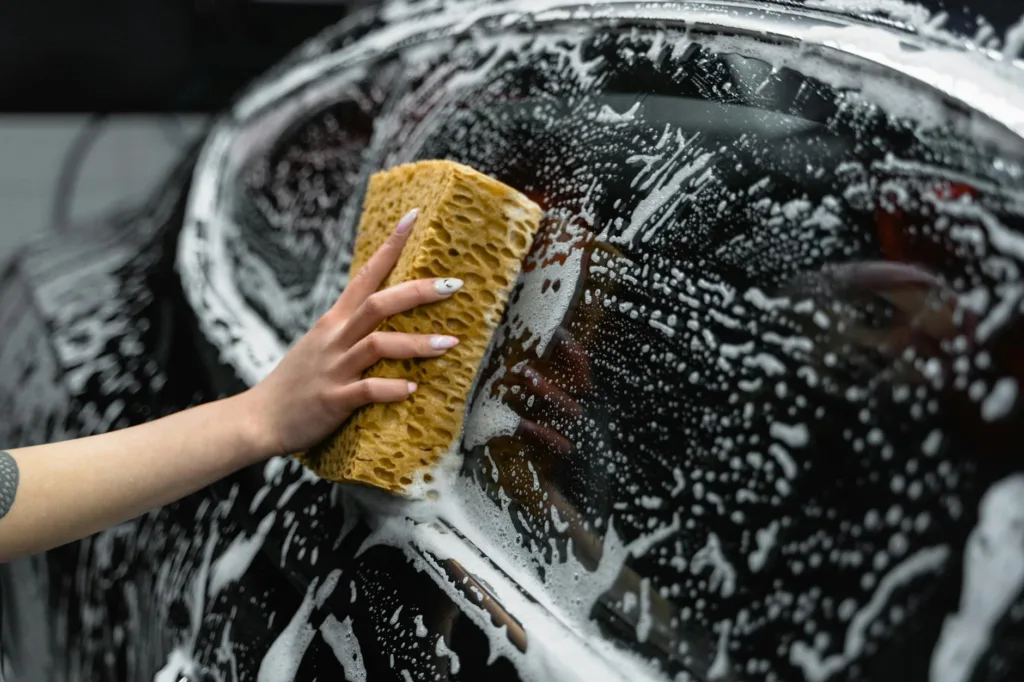
There are few small frustrations in car care that sting as much as coming back from a weekend trip to find your paint freckled with white mineral spots. Buyers searching for the best water spot remover for cars usually want something that works reliably on baked-on minerals without eating through clear coat or leaving hazing behind. Common mistakes I see are reaching for household acids, scrubbing with the wrong pads, or assuming every water spot is identical; those approaches often make the mark worse or force a costly polish to correct the damage.
What matters most when choosing a water spot remover is matching chemistry and delivery to the type of stain and your finish. Acidic gel formulas are fast on stubborn, etched deposits but demand care around trim and coatings. Neutral or acid-free sprays are gentler and quicker for routine maintenance. Different buyers have different priorities: a daily commuter might prefer a safe, mild option that preserves a ceramic coating, while a boat owner battling constant mineral spray needs a product with stronger dwell time. My top overall pick balances power and safety for painted surfaces and glass, and it’s highlighted below for readers who want a reliable all-rounder.
If you want a quick snapshot of the top contenders before diving into the full breakdown, the comparison table below will get you up to speed. Click any product name to jump down to its full review.
Best Water Spot Remover For Cars Comparison Table
| Product | Best For | Main Strength | Key Specs |
|---|---|---|---|
| Chemical Guys Heavy Duty Water Spot Remover Gel | Best Overall | Thick gel with long dwell time for vertical surfaces | 16 oz gel. Paint, glass, metal |
| Meguiar’s Water Spot Remover | Best For Polishing Paint | Cleans and lightly polishes clear coat | 16 oz. Clear coat safe |
| Magic Finish Water Spot Remover | Best Scented Option | Professional-strength with pleasant fragrance | 16 oz. Paint, chrome, wheels |
| Chemical Guys Heavy Duty Water Spot Remover (2-Pack) | Best Value Pack | Same heavy-duty gel in a bundle | 2 × 16 oz. Bottles |
| 3D Eraser Gel Water Spot Remover | Best for Vertical Surfaces | Clinging acidic gel that dissolves mineral deposits | 16 oz gel. Acidic actives |
| Adam’s Polishes Water Spot Remover | Best Prep For Protection | Neutralizes minerals and prepares for sealants | Water-based acidic formula. 16 oz |
| Invisible Glass 91411 Glass Stripper | Best For Windshields | Strips coatings, waxes, and road film to restore clarity | 4 oz. Glass-focused |
| Gtechniq W9 Water Spot Remover | Best For Silica Scale | Advanced formula removes silica and baked-on spots | 17 fl oz. Safe for matt and gloss |
| XPEL Water Spot Remover | Best Acid-Free Option | Gentle, safe around PPF and coatings | 16 oz. Acid-free |
If you want more detail on how these products perform on paint, glass, and trim, the reviews below walk through strengths, real-world use cases, and who should pick each option.
1. Best Overall: Chemical Guys Heavy Duty Water Spot Remover Gel for Paint, Glass, and Metal

One reason this option stands out is its thick gel formula that clings to vertical panels and glass long enough to dissolve stubborn mineral deposits. I remember parking under a sprinkler head that blasted my hood with hard water; the Chemical Guys gel sat in the spot and, after a gentle rub and rinse, the white ghost marks came free without needing abrasive polishing. That moment—the instant of wipe-away clarity—captures why detailers reach for a gel rather than a runny spray when the spots are baked on.
For buyers who prioritize versatility, this product is useful across paint, chrome, aluminum, and exterior glass. In a second real-world scenario, a friend’s boat had crusted deposits around the trim from weeks on a salty lake; a small dollop applied with a microfiber pad and a short wait made quick work of the buildup. Performance is solid and predictable, and the formula is designed to be clear coat safe when used as directed, which is why it’s my top overall pick for owners who need a one-product solution across surfaces.
Pros
- Thick gel clings to vertical surfaces for longer dwell time.
- Works on paint, glass, and metal—versatile across vehicles and boats.
- Trusted brand with many detailer users and consistent results.
- Prepares the surface for waxes and sealants after cleaning.
- Easy spot treatment with minimal tools required.
Cons
- Requires careful rinsing and proper technique to avoid streaks.
- Stronger mineral etching may still need polishing after treatment.
This product is best for owners who want a dependable all-around remover that can be used on multiple surfaces and who are comfortable following label directions. If you have a delicate matte finish or an extensively etched spot, test a small area first and be prepared to follow up with a polish where minerals have etched into the clear coat. The gel’s strength on stubborn deposits makes it an excellent choice for seasonal deep cleaning or boat owners who fight mineral buildup from freshwater lakes.
To buy this product, click here.
2. Best For Polishing Paint: Meguiar’s Water Spot Remover
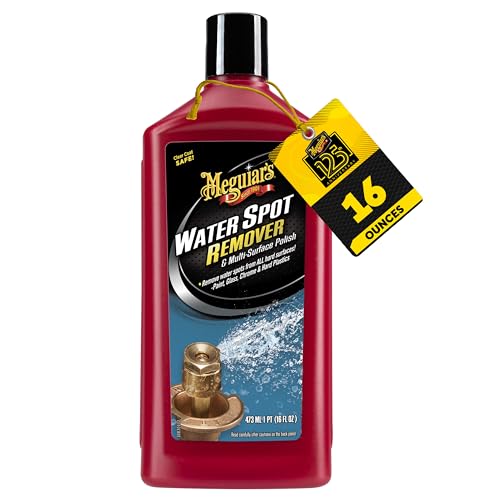
If your goal is to remove water spots while improving gloss, Meguiar’s blends cleaning with a gentle polishing action that lifts mineral staining and refines the finish. I used this on a customer’s black sedan that had visible ringed spots after a roadside car wash; the product removed the marks and left a clearer reflection without aggressive compounding. That satisfying moment when swirls and spots fade and the paint starts to behave like glass is why many DIYers reach for Meguiar’s as a go-to.
For buyers who prioritize paint clarity, this formula doubles as a light polish that can reduce dulling caused by mineral residue. Another example: after a mountain drive with dusty rain, a quick targeted application with a microfiber removed water marks and enhanced gloss, saving time compared with a full polish. It’s clear coat safe for glossy paints, versatile on trim and glass, and works well by hand or with a dual-action polisher for faster coverage.
Pros
- Removes water spots and adds light polishing for improved gloss.
- Clear coat safe on glossy and single-stage paints.
- Works by hand or with a DA polisher for speed and consistency.
- Trusted name with broad availability and proven results.
Cons
- Not formulated for matte or satin finishes.
- Heavily etched spots may require more aggressive polishing tools.
Buy Meguiar’s if you’d like a product that cleans and improves shine with minimal fuss. It’s especially useful for owners who maintain darker paints and want a quick targeted fix before a car show or sale. Skip it if you need a heavy-duty chemical treatment for baked-in, long-term etching; in those cases, a stronger acidic gel could be more effective before polishing.
To buy this product, click here.
3. Best Scented Option: Magic Finish Water Spot Remover for Cars

This model earns a place because it pairs professional-strength spot removal with a surprisingly pleasant scent. Picture working on a hot driveway with citrus notes cutting through the chemical tang; it makes the chore feel less like a task and more like a quick weekend ritual. In one case, a late-summer rain left limescale on chrome trim around the bumpers; Magic Finish lifted the deposits with minimal elbow grease and the tropical aroma made the job a little less grating.
For buyers who want effective chemistry without the harsh smell, this product hits a sweet spot. It targets baked-on minerals on paint, chrome, and wheels while leaving gloss intact when used correctly. A second anecdote: after the car sat under a sprinkler for weeks, an evening session with Magic Finish and a microfiber removed the spotting and left the panels reflective, which is what many weekend detailers are aiming for—clean results without trading comfort for performance.
Pros
- Professional-strength removal for paint, chrome, and wheels.
- Pleasant fragrance improves the detailing experience.
- Restores gloss without immediate need for aggressive polishing.
- Easy to apply and wipe off for quick maintenance sessions.
Cons
- Fragrance may not be preferred by users sensitive to scents.
- Very severe, etched-in stains might need follow-up polishing.
Choose Magic Finish if you detail by hand and want a cleaner that is as pleasant to use as it is effective. It’s a fine pick for weekend warriors who need a reliable spray for regular maintenance and for situations where a strong smell would be a nuisance. If you prefer unscented or professional, fragrance-free chemistry, consider a more neutral option instead.
To buy this product, click here.
4. Best Value Pack: Chemical Guys Heavy Duty Water Spot Remover Gel (2 Pack)

If your routine includes seasonal deep cleans or you detail multiple vehicles, the two-pack option delivers strong value and convenience. One homeowner I know keeps one bottle in the garage and a spare in the boat locker; when stubborn deposits returned after a dry spell, they were able to treat both hull and car without running back to the store. Having a backup removes friction during maintenance days and ensures you won’t hesitate to treat spots when they first appear.
Performance mirrors the single-bottle Chemical Guys gel: great dwell time, effective mineral dissolution, and safe use on clear coat when applied correctly. For someone who alternates between car and boat detailing, or a small shop that needs consistent results across jobs, the pack offers predictable coverage and less frequent reordering. The tradeoff is storage and the need to keep both bottles tightly sealed between uses.
Pros
- Two bottles give better long-term value for frequent users.
- Same heavy-duty gel performance as the single bottle.
- Convenient for multi-vehicle households or pros who prep multiple jobs.
- Reduces supply trips and downtime during detailing sessions.
Cons
- Bulk purchase may be unnecessary for occasional users.
- Requires proper storage to preserve shelf life.
Buy the two-pack if you detail often, maintain several vehicles, or want an on-hand spare for marine use. Skip the bundle if you’re testing a formula for the first time or only remove spots a few times a year. For frequent users it’s cost-effective and keeps you ready to act quickly when mineral marks appear.
To buy this product, click here.
5. Best For Vertical Surfaces: 3D Eraser Gel Water Spot Remover

This model earns a place because its acidic gel formula is designed to cling, giving chemistry time to break down bonded minerals. Picture a chrome pillar on an SUV that collects mineral rings; the 3D gel sticks, penetrates, and the spots lift without aggressive scrubbing. I once used it on a vertical swim ladder on a boat where runny sprays failed; the gel’s cling made the difference and reduced elbow grease substantially.
For buyers who struggle with vertical trim or tall glass, this product’s formula is a clear advantage. It’s a favorite among DIY detailers who need pro-level penetration without having to apply with a polisher. The brand’s detailing roots and reputation for effective, consistent formulas lend confidence when attacking tough deposits.
Pros
- Thick, acidic gel adheres to vertical areas for better penetration.
- Effective on clear coat, glass, chrome, and polished metal.
- Good for DIYers and pros who want a no-polisher solution.
- Reduces the need for aggressive mechanical abrasion.
Cons
- Acidic chemistry requires careful handling and rinsing.
- May not be ideal for very delicate trims or anodized parts.
Pick 3D Eraser Gel if you often treat pillars, trim, or boat ladders where runny products fail to stick. It’s a handy tool for tackling vertical deposits and reducing the time spent reapplying product. If you’re uncomfortable with acid-based cleaners, consider an acid-free or milder alternative and always follow safety directions and patch-test first.
To buy this product, click here.
6. Best Prep For Protection: Adam’s Polishes Water Spot Remover

For buyers who plan to reapply wax, sealant, or a ceramic spray after cleaning, Adam’s Polishes is built to neutralize and lift minerals so the new protection bonds effectively. I recall prepping a freshly clayed hood for a ceramic spray; using this remover tightened the paint’s feel and allowed the coating to lay down with fewer pulls and better initial contact. That prep step matters more than many realize for long-term protection performance.
Adam’s formula is thick enough to cling where necessary and formulated to work with follow-up products. Another practical example is prepping a vehicle for sale or photography; removing those fine water marks makes a visual difference that photos pick up, and a subsequent sealant keeps the surface protected from immediate re-marking. The product’s water-based acidic actives strike a useful balance between power and safety when used correctly.
Pros
- Neutralizes minerals and prepares surfaces for waxes and coatings.
- Thickened, targeted application reduces waste and overspray.
- Water-based formulation with professional-strength actives.
- Versatile across paint, metal, glass, and trim.
Cons
- Requires follow-up protection; it’s a prep step rather than long-term protection.
- May be stronger than needed for light, fresh spots.
Buy Adam’s if you plan to apply protective products immediately after cleaning or if you want a remover that primes surfaces for coatings. If your goal is a quick wipe-on maintenance cleaner without follow-up sealing, a gentler spray might be faster for routine sessions.
To buy this product, click here.
7. Best For Windshields: Invisible Glass 91411 Glass Stripper

If your primary headache is windshield clarity, Invisible Glass Glass Stripper is purpose-built to remove coatings, waxes, oils, and film that hide beneath water spots. I used it on a windshield that had streaky hazing from seasonal sprinklers; it cleared road film and prepared the glass perfectly for a hydrophobic rain repellent. The difference in night driving clarity was immediate and measurable.
Another common scenario is prepping glass for ceramic coating or rain-x style repellents. The stripper removes contaminants that block adhesion, giving repellents a clean surface to bond with. It won’t remove etched-in glass pits, but for restoring like-new clarity before applying protective products, it’s a focused, effective option.
Pros
- Specifically formulated for glass preparation and deep cleaning.
- Strips old coatings, waxes, and oils for better repellent adhesion.
- Small bottle is handy for targeted windshield work.
- Made in the USA with professional-grade ingredients.
Cons
- Not intended to fix etched-in mineral pitting in glass.
- Smaller volume means more frequent repurchase for heavy users.
Choose Invisible Glass Stripper if windshield clarity and coating prep are your priorities. It’s the right tool before applying rain repellents and ceramic treatments on glass. If you need overall paint and trim cleanup, combine this product with a paint-safe remover for a full-vehicle refresh.
To buy this product, click here.
8. Best For Silica Scale: Gtechniq W9 Water Spot Remover

This product earns a spot because its formulation targets tougher silica and mineral scale that other removers struggle with. I remember treating a highland car that had tiny, stubborn silica spots after a wash with lake water; W9 softened and removed them in stages without damaging the paint. That kind of specialty performance is valuable for owners facing specific mineral content in their local water.
Gtechniq also markets its science-forward credentials, and the W9 is a go-to for detailers prepping high-end vehicles, including matt finishes which many removers avoid. Another real-world scenario is prepping a concours car where even minor silica spotting will show in photos; W9 gives a high degree of control and cleans without introducing haze on compatible finishes.
Pros
- Formulated to dissolve silica and stubborn mineral scale.
- Safe for a wide range of paint types, including matt finishes.
- Works well for precision prepping and show-level detailing.
- Produced by a brand known for advanced formulation and consistency.
Cons
- May be more than needed for light, recent spots.
- Requires careful follow-up and rinsing on coated surfaces.
Choose Gtechniq W9 if silica scale or very stubborn mineral deposits are a recurring issue where you live, or if you need a solution compatible with specialty finishes. If you’re treating only occasional light spots, a simpler product could be faster and easier to use.
To buy this product, click here.
9. Best Acid-Free Option: XPEL Water Spot Remover

If you protect your car with paint protection film or ceramic coatings, an acid-free remover like XPEL reduces the risk of damaging those layers while effectively handling fresh or light water spots. I once treated a vehicle with PPF where the owner was nervous about harsh chemistry; XPEL removed the marks without affecting the film’s clarity, which is the exact peace-of-mind many buyers want.
Another scenario is frequent maintenance on a daily driver where quick, safe cleanups are preferable to heavy-handed treatments. XPEL is gentle and made in the USA, making it a strong choice for people who detail often and want to preserve protective layers while keeping the finish tidy between deeper sessions.
Pros
- Acid-free formula safe for PPF, coatings, and delicate finishes.
- Effective on fresh and light mineral deposits for routine maintenance.
- Professional-grade results without aggressive chemistry.
- Formulated and made domestically, with compatibility notes for coatings.
Cons
- Not the strongest choice for long-term, etched-in mineral deposits.
- May require repeat applications for heavier scale.
Buy XPEL if you value protection compatibility and treat spots before they bond deeply. It’s an excellent maintenance product for coated cars, and a safe default for owners uncertain about more aggressive chemistry. If you face baked-on, years-old etching, a stronger gel or a professional polish might be required afterward.
To buy this product, click here.
Best Water Spot Remover For Cars FAQ
How do I know if a water spot is etched into the clear coat?
Run your fingernail gently across the mark after it has dried. If your nail catches the spot, it is likely etched into the clear coat and will require mechanical polishing or compound correction. Surface mineral deposits that wipe away with a remover are not etched.
Can I use acidic water spot removers on ceramic coated cars?
Some acidic formulas can be used cautiously on ceramic-coated cars, but they may shorten the coating’s lifespan if used frequently. Look for manufacturer guidance; milder, neutral, or specifically compatible products are safer for regular maintenance.
Should I test a spot remover in an inconspicuous area first?
Yes. Always patch-test on a small, hidden area to confirm compatibility with paint, trim, and coatings before treating visible panels. This prevents unexpected reactions and protects finishes.
What tools give the best results when using a water spot remover?
Microfiber towels, soft foam applicators, and a dual-action polisher for larger jobs are ideal. For vertical areas, a gel formula helps because it clings longer. Avoid abrasive pads unless you plan to polish afterward.
How can I prevent water spots from forming in the first place?
Dry your car thoroughly after washing, park under cover when possible, and apply protective layers like wax or ceramic coatings which make contaminants easier to remove. Also, avoid sprinkler systems and hard-water sources when washing.
Will a water spot remover damage chrome or plastic trim?
Most automotive water spot removers are formulated to be safe on chrome and plastics, but aggressive acidic products can affect delicate finishes. Check product labels and test first on trim if you’re unsure.
How often should I use a water spot remover?
Use it as needed. For routine maintenance, spot-treat when marks appear. For heavy mineral areas, incorporate it into seasonal deep cleaning. Overuse of strong acid-based products can be avoided by switching to gentler maintenance sprays in between treatments.
What’s the difference between a gel and a spray remover?
Gels cling to vertical areas and provide longer dwell time, making them better for stubborn, baked-on deposits. Sprays are faster for light, recent spots and for covering larger areas quickly. Choose based on the surface and severity of the staining.
Final Verdict
For most car owners seeking a reliable, multi-surface solution, the Chemical Guys Heavy Duty Water Spot Remover Gel takes the top spot because it balances strength with surface safety and works across paint, glass, and metal. If you want a product that cleans and polishes paint at the same time, Meguiar’s is an excellent second choice for glossy finishes. For those with specialized needs, Gtechniq W9 targets silica scale, XPEL offers an acid-free option that’s safe for PPF and coatings, and Invisible Glass is the focused tool for windshield prep.
Match your choice to the task. Pick a gel for vertical or baked-on stains, choose a polish-like formula for paint clarity, and select acid-free chemistry for coated or protected finishes. Routine maintenance with gentler sprays reduces the frequency of heavy treatments, while occasional use of a stronger gel or a professional polish will handle etched-in problems. With the nine picks above, you can tailor your selection to your vehicle, water type, and detailing routine to keep metal and glass reflective and paint looking its best.