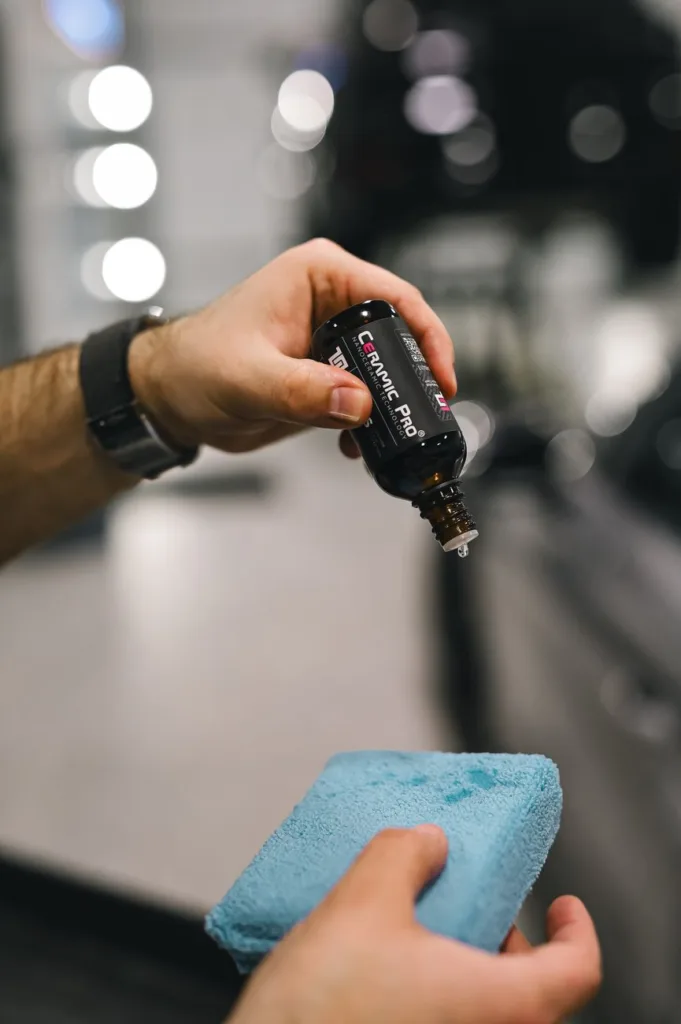
Ceramic coating can help reduce the chance of light scratches, swirl marks, and marring, but it does not make a car scratch-proof. It adds a thin, hard, slick layer over the paint that can improve resistance to minor abrasion, yet it cannot stop damage from keys, shopping carts, rocks, brushes, or careless washing. If your goal is to keep paint looking better for longer, ceramic coating can be useful. If your goal is to eliminate scratches entirely, it cannot do that.
The confusion usually comes from how ceramic coatings are marketed. People hear terms like “hard shell,” “protection,” and “scratch resistance” and assume the coating works like armor. In reality, ceramic coating is best understood as a protective maintenance layer, not a shield that prevents all paint damage. It can make a vehicle easier to clean, reduce wash-related micro-scratches, and help the finish stay glossy, but the paint underneath still needs careful handling.
What Ceramic Coating Actually Does
Ceramic coating is a liquid product that cures into a very thin protective layer on top of a vehicle’s clear coat. Once applied correctly, it bonds to the surface and creates a hydrophobic finish that repels water and contaminants more readily than unprotected paint. The surface also tends to feel smoother, which can reduce friction during washing and drying.
That smoother, slicker surface is part of why ceramic coatings are associated with scratch resistance. When dirt slides off more easily and towels drag less across the paint, there is less opportunity to create fine marks. But the coating is still extremely thin, and thin layers can only do so much when exposed to physical force.
Ceramic Coating Is Not the Same as Paint Protection Film
Many drivers confuse ceramic coating with paint protection film, often called PPF. These two products serve different roles. Ceramic coating is mainly about chemical resistance, easier cleaning, and gloss. PPF is a thicker film that can absorb more physical impact and is generally better at resisting rock chips and deeper abrasion.
| Feature | Ceramic Coating | Paint Protection Film |
|---|---|---|
| Thickness | Very thin | Much thicker |
| Best at | Chemical resistance, gloss, easier cleaning | Impact resistance, chip protection, abrasion resistance |
| Scratch prevention | Helps with light marring and wash marks | Better protection against deeper physical damage |
| Rock chip protection | Limited | Much better |
| Appearance | Enhances gloss and slickness | Usually clear, may be more visible on edges |
If your question is specifically about scratches, this distinction matters. Ceramic coating can reduce the likelihood of very light scratching, but it is not the strongest option for serious impact protection.
What Kinds of Scratches Can Ceramic Coating Help With?
Ceramic coating is most helpful against light surface marks. These are the kinds of imperfections many owners notice after washing, drying, or dusting the car. The coating does not eliminate the cause of the mark, but it can lower the odds by reducing friction and helping contaminants release more easily.
1. Swirl Marks from Washing
Swirl marks are fine circular scratches that often show up in direct sunlight. They are usually caused by improper washing techniques, dirty wash mitts, or drying towels that pick up grit and drag it over the paint. A ceramic coating can make the surface more slippery, which may reduce the chance of creating swirls during routine washing.
That said, swirls can still form if the car is washed poorly. A coating is not a substitute for clean tools, proper rinsing, and careful drying.
2. Light Marring from Dusting
Dry dusting a car with a towel or wiping light dirt off without lubrication can leave faint scratches. A coated surface may resist this type of damage better than uncoated paint because particles do not grip the surface as easily. Still, any time dry debris is rubbed across paint, there is a risk of marking it.
3. Minor Wash-Induced Abrasion
Even in a careful wash routine, some contact with the paint is unavoidable. Foam, shampoo, and slicker surfaces can all reduce drag. Ceramic coating contributes by lowering friction, which can help minimize the little scratches that accumulate over time.
4. Chemical Etching That Can Lead to Surface Damage
While chemical damage is not a scratch in the traditional sense, acid rain, bird droppings, bug residue, and road film can weaken or stain paint. Once the finish is compromised, it may become more vulnerable to surface defects during cleaning. Ceramic coating usually improves resistance to these contaminants, making it easier to remove them before they cause further problems.
What Ceramic Coating Cannot Prevent
It is just as important to understand the limits of ceramic coating. Many paint defects happen because of physical impact, pressure, or sharp debris. A ceramic coating is too thin to absorb much of that force.
1. Key Scratches and Vandalism
If someone drags a key, ring, tool, or other hard object across the paint, ceramic coating will not stop the damage. The force involved is far beyond what the coating is designed to handle.
2. Shopping Cart Dings and Contact Damage
A cart bump, door ding, or accidental scrape against a wall can damage paint even on a coated vehicle. The coating may slightly reduce minor transfer or scuffing, but it will not protect against real contact damage in the way a thicker film might.
3. Rock Chips and Road Debris
At highway speed, gravel and road debris can chip through the coating and damage the clear coat or paint. This is one of the most common misunderstandings about ceramic coating. It can make cleanup easier and reduce grime buildup, but it is not a chip guard.
4. Deep Scratches from Improper Washing
If a dirty towel, brush, or sponge is used on a contaminated surface, deeper scratches can still happen. The coating may provide a small buffer, but not enough to make bad technique safe.
5. Scratches from Automatic Car Washes
Brush-style automatic car washes are a common source of swirl marks and fine scratches. Ceramic coating does not fully prevent these. In some cases, it may reduce the severity of the damage, but repeated machine washing can still dull the finish over time.
How Ceramic Coating Helps Reduce Scratch Risk
The scratch-resistant reputation of ceramic coating comes from a few practical effects. None of them make the paint invincible, but together they can help preserve the finish if the car is maintained properly.
Less Friction During Washing
A coated surface is usually slicker than uncoated clear coat. When a wash mitt or microfiber towel glides more easily, there is less drag. Less drag means less chance of dragging grit across the paint and creating fine marks.
Better Dirt Release
Contaminants do not cling as strongly to a coated surface. That means dirt often rinses away more easily and may require less aggressive scrubbing. Reducing the amount of scrubbing helps reduce the risk of scratches.
Reduced Need for Aggressive Chemicals or Heavy Rubbing
Because contaminants are easier to remove, owners may not need to use as much pressure or as harsh a cleaner. Less pressure usually means less abrasion.
Protection Against Micro-Marring During Routine Care
Micro-marring is often caused by tiny particles moving against the paint during washing or drying. Ceramic coating can help reduce this by creating a slicker surface and making drying towels move more smoothly.
Ceramic Coating vs Wax for Scratch Resistance
Wax can improve gloss and add a temporary layer of protection, but it generally offers less durability and less resistance to washing abrasion than a ceramic coating. Wax is more about short-term appearance and water behavior, while ceramic coating is designed to last longer and bond more firmly to the surface.
| Feature | Wax | Ceramic Coating |
|---|---|---|
| Scratch resistance | Limited | Better for light marring and wash marks |
| Durability | Shorter lasting | Longer lasting |
| Ease of cleaning | Improves slightly | Improves more noticeably |
| Hydrophobic behavior | Moderate | Strong |
| Protection from scratches | Minimal | Helpful for light surface defects |
In practical terms, wax may help a little with slickness, but ceramic coating is the more relevant option if scratch reduction is the goal. Even so, neither one can replace careful washing habits.
Does Ceramic Coating Make a Car Scratch-Proof?
No. A car with ceramic coating can still be scratched, scuffed, chipped, and marked. The coating improves resistance to light damage, but it does not create a permanent hard shell over the vehicle.
The phrase “scratch-proof” is misleading because it suggests a level of protection that does not exist in normal automotive detailing. Even ceramic-coated vehicles need proper washing, safe drying, and reasonable parking habits if the paint is going to stay in good condition.
Why the “Hardness” Claim Causes Confusion
Some coatings are advertised with hardness ratings, often based on pencil hardness or similar testing methods. Those ratings can sound impressive, but they do not mean the coating is impervious to scratches. Hardness testing does not fully capture real-world damage from sharp objects, impact, or repeated abrasion.
So while a coating may be harder than bare clear coat in certain ways, that does not translate into complete scratch immunity.
What Actually Protects Paint Better Than Ceramic Coating?
If scratch prevention is the priority, the best protection depends on the type of damage you are trying to avoid. No single solution solves every problem.
For Light Swirls and Wash Marks
Ceramic coating helps. So does proper washing technique, using clean microfiber towels, and avoiding dirty automatic brushes.
For Rock Chips and Impact Damage
Paint protection film is usually more effective because it is thicker and better at absorbing physical impact. Ceramic coating can be applied on top of PPF in some cases, but the coating itself is not the main barrier against chips.
For Existing Scratches
Ceramic coating does not remove scratches. If the paint already has swirls or marks, those usually need polishing or paint correction first. Applying a coating over damaged paint can preserve the appearance of the defects underneath.
Why Paint Preparation Matters Before Coating
One of the most common mistakes is assuming that ceramic coating will hide flaws or fix a neglected finish. In reality, the paint should usually be cleaned and corrected before coating is applied. If the surface has scratches, the coating may lock in the look of those scratches underneath the protective layer.
For that reason, prep work is a big part of the result. Proper washing, decontamination, and often machine polishing are used to make the paint as clean and defect-free as possible before application.
Common Prep Steps
- Thorough wash to remove loose dirt
- Iron and contamination removal if needed
- Clay bar or clay alternative to smooth the surface
- Paint correction to reduce visible swirls and scratches
- Panel wipe or residue removal before coating
If prep is rushed, the coating may still be durable, but the finish may not look as good as it could. Good prep does not make the car scratch-proof either, but it improves the starting point.
Common Mistakes People Make About Ceramic Coating and Scratches
Assuming It Prevents All Damage
The biggest mistake is expecting ceramic coating to stop every scratch. It cannot stop keys, debris, or impacts. Thinking otherwise often leads to disappointment and poor maintenance habits.
Using Poor Wash Techniques
Some owners coat a car and then continue washing it with dirty mitts, old towels, or automatic brushes. That defeats much of the benefit. A coating helps, but it is not a substitute for careful washing.
Skipping Paint Correction
If the paint already has swirls or scratches, coating it without correction can preserve those defects. The coating adds protection over time, but it does not flatten or erase existing damage.
Expecting It to Replace PPF
Ceramic coating and PPF solve different problems. If the concern is chips and heavier abrasion, ceramic coating alone is usually not enough.
Overusing Harsh Maintenance Products
Some strong cleaners or abrasive detailing methods can reduce the life or performance of the coating. Maintenance should be compatible with coated surfaces and gentle enough to preserve the finish.
How to Maximize Scratch Resistance on a Coated Car
If you already have ceramic coating, or are considering it, the way you maintain the car matters just as much as the coating itself. Good habits make the biggest difference in keeping paint free from visible defects.
Wash with Clean Tools
Use a clean wash mitt, clean buckets, and fresh microfiber towels. Dirt trapped in a towel is one of the easiest ways to create scratches on any finish.
Rinse Thoroughly Before Contact
Remove loose dust and grime before touching the paint. The less debris left on the surface, the lower the chance of dragging it across the clear coat.
Dry Carefully
Pat dry or lightly drag a high-quality microfiber drying towel rather than rubbing aggressively. Excessive pressure creates unnecessary abrasion.
Avoid Dry Wiping
Wiping a dusty car with a dry cloth can leave fine marks even if it is coated. If the vehicle is dirty, rinse or wash it first.
Limit Automatic Brush Washes
Touchless systems are generally gentler on paint than brush-style washes, though they may not clean as thoroughly. Brush washes can be convenient, but they increase the chance of swirl marks over time.
Use Good Parking Habits
Where you park matters. Keeping distance from shopping carts, trees that drop sap, and tight parking spaces can reduce the chance of scratches more than any coating can.
Typical Cost Considerations
The cost of ceramic coating varies widely based on whether it is a professional application or a DIY process, the size of the vehicle, paint condition, and how much prep is needed. A poorly prepared vehicle may need polishing, which adds labor and cost.
Professional coatings often cost significantly more than simple wax protection because the process usually includes thorough surface preparation. DIY coatings generally cost less, but they still require careful prep and proper application. If the goal is scratch prevention alone, it is worth remembering that coating cost should be weighed against the level of protection you actually need.
For many owners, the most cost-effective approach is not just coating, but combining sensible maintenance with good parking habits and, when needed, PPF for high-impact areas such as the front bumper, hood edge, mirrors, and door cups.
When Ceramic Coating Makes the Most Sense
Ceramic coating makes the most sense for drivers who want easier maintenance, stronger resistance to light wash-induced defects, better gloss retention, and a finish that stays cleaner longer. It is especially useful for people who wash their own cars and want to reduce the chances of adding fine scratches during routine care.
It is less useful if the main concern is parking lot damage, rock chips, or scratch-prone environments. In those situations, a coating can still help with maintenance, but it should not be relied on as the primary protective layer.
Who Should Be Most Careful About Expectations?
Owners of dark-colored cars often notice fine scratches and swirls more easily than owners of lighter-colored vehicles. Black, deep blue, and dark gray paint can show surface defects quickly, which makes the limit of ceramic coating more noticeable. A coated black car can still look excellent, but it will still reveal improper washing.
Lease holders, daily commuters, and owners who park in crowded lots should also keep expectations realistic. A coating will help the finish age more gracefully, but it will not prevent normal wear from accumulating over time.
FAQ
Does ceramic coating stop scratches from washing?
It can reduce the risk of light wash-induced scratches, but it does not eliminate them. Clean tools and proper washing technique still matter most.
Can ceramic coating hide existing scratches?
No. It may make the paint look glossier, but it does not remove scratches. Existing defects usually need paint correction first.
Is ceramic coating better than wax for scratch protection?
Yes, generally. Ceramic coating offers better durability and can help reduce light marring more effectively than wax.
Will ceramic coating prevent rock chips?
No. Ceramic coating is too thin to stop most rock chips. Paint protection film is more effective for impact protection.
Does ceramic coating make a car scratch-proof?
No. It improves resistance to minor surface marks, but keys, debris, and hard impacts can still scratch the paint.
Can automatic car washes damage a ceramic-coated car?
Yes. Brush-style washes can still create swirls and fine scratches over time, even on coated paint.
Should paint be corrected before ceramic coating?
Usually, yes. If scratches or swirls are already present, they should often be corrected first so they are not sealed in under the coating.
Conclusion
Ceramic coating can help prevent light scratches, especially the kind caused by routine washing, drying, and minor surface contact. It works by making the surface slicker, easier to clean, and more resistant to light marring. But it does not make a vehicle scratch-proof, and it will not stop deeper damage from keys, rocks, shopping carts, or careless washing.
If you want better paint preservation, ceramic coating is useful as part of a broader care strategy. The best results come from combining coating with good wash habits, careful drying, smart parking, and realistic expectations about what the coating can and cannot do.