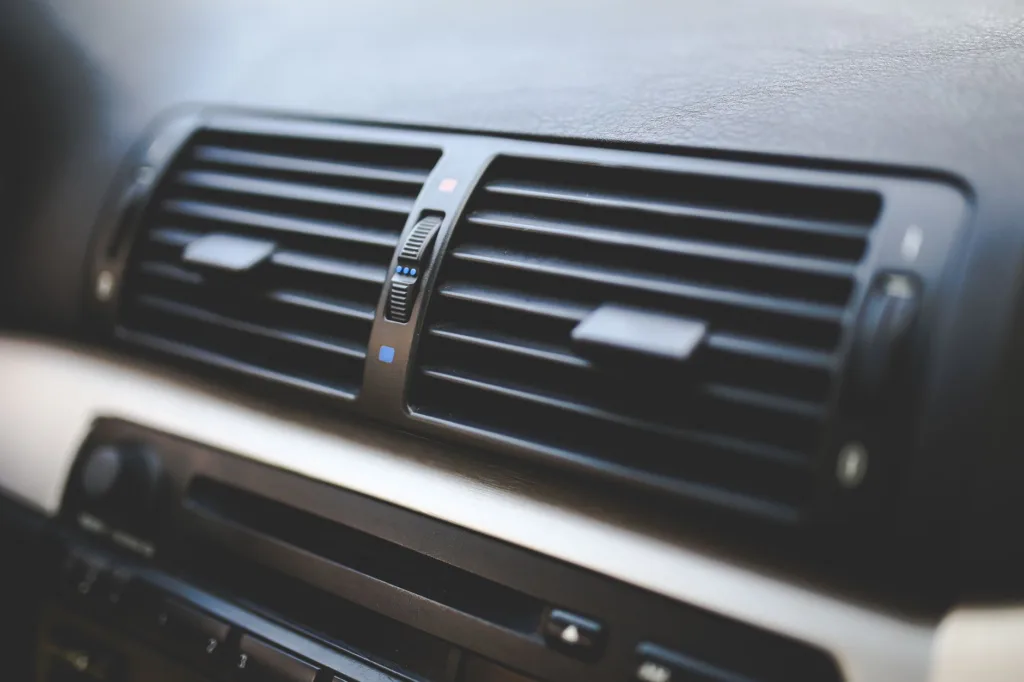
A bad blower motor usually shows up as weak or no airflow from the vents, squealing or grinding noises from behind the dashboard, airflow that works only on certain fan speeds, a burning smell, or a fan that cuts in and out. In many cases, the blower motor itself is the problem. In others, the real cause is a bad resistor, failing control module, blown fuse, wiring issue, clogged cabin air filter, or debris in the fan cage.
For checking power, ground, and fuses during diagnosis, our automotive multimeter comparison covers tool options; use the vehicle wiring diagram before probing connectors.
This matters because the blower motor does more than make the cabin comfortable. It also helps your defroster clear the windshield, supports air conditioning performance, and moves heat through the cabin in cold weather. When it starts failing, visibility and comfort can both suffer.
If you are trying to figure out whether your blower motor is going bad, the key is to look at how the fan behaves, what sounds or smells you notice, and whether the problem changes with fan speed settings. Those details often help separate a bad motor from a simpler electrical or airflow problem.
What the blower motor does in your car
The blower motor is the electric fan that pushes air through your vehicle’s HVAC system. HVAC stands for heating, ventilation, and air conditioning. When you turn the cabin fan on, the blower motor spins and forces air through the ducts and out the vents.
Depending on your settings, that air may pass through the heater core for warm air or the evaporator for cold air. If the blower motor is weak or dead, you may still have a functioning heater core and AC system, but you will not feel much air coming into the cabin.
In most vehicles, the blower motor is mounted under the dash on the passenger side, behind the glove box, or under the hood near the firewall. It often works together with a blower motor resistor or an electronic control module to regulate fan speed.
Most common signs of a bad blower motor
Several symptoms point to blower motor trouble. Some are obvious, while others can be confused with different HVAC problems.
| Symptom | What It Can Mean | Common Likely Cause |
|---|---|---|
| No airflow from vents | Fan is not spinning at all | Bad blower motor, fuse, relay, wiring, or control module |
| Weak airflow | Fan spins poorly or airflow is restricted | Failing blower motor, clogged cabin air filter, debris in fan |
| Fan works only on some speeds | Speed control issue more than full motor failure | Bad blower motor resistor or control module |
| Squealing, scraping, or grinding noise | Motor bearings or fan cage may be worn or obstructed | Failing blower motor or debris inside housing |
| Burning smell when fan is on | Electrical overheating or motor stress | Bad blower motor, wiring issue, or resistor overheating |
| Fan cuts in and out | Intermittent electrical connection or motor failure | Worn motor brushes, loose connector, relay, or control issue |
Weak airflow from the vents
One of the most common signs of a bad blower motor is weak airflow, even when the fan is set to high. You may notice that the AC still gets cold or the heater still gets warm, but there is not enough air volume coming through the vents to make the cabin comfortable.
A weak blower motor may still spin, but not at full speed. This often happens when the motor is wearing out internally, the brushes are failing, or the bearings are dragging enough to slow it down.
When weak airflow may not be the blower motor
Weak airflow is not always caused by the motor itself. A clogged cabin air filter is one of the most common non-motor causes. If the filter is packed with dust, leaves, or debris, it can choke airflow and make a healthy blower motor seem weak.
Debris inside the blower wheel can also reduce airflow. In some vehicles, leaves, pine needles, or bits of insulation get into the blower housing and interfere with fan operation.
Real-world example: if your airflow gradually got weaker over months, especially in a car parked outside under trees, the issue could be a dirty cabin filter or debris buildup rather than sudden motor failure.
No air at all when the fan is turned on
If you turn the fan on and get no airflow from any vent at any speed, the blower motor may have failed completely. This is one of the clearest warning signs, especially if the system worked recently and then stopped.
However, a dead blower motor is not the only explanation. The system also depends on electrical power and control components. If a fuse is blown, a relay has failed, the resistor or control module has failed, or the motor connector has melted or loosened, the blower may not run.
What this symptom usually feels like
- You hear no fan noise at any setting
- The AC light may come on, but no air moves
- The heater may technically be producing heat, but none reaches the cabin
- The defroster becomes ineffective because no air reaches the windshield
If your fan suddenly stops working altogether, it is worth checking the fuse first. A blown fuse can mimic a bad blower motor, though fuses usually blow for a reason. If the replacement fuse blows again quickly, there may be an electrical short or an overloading motor.
Blower motor noise: squealing, chirping, grinding, or rattling
A healthy blower motor is usually noticeable only as moving air. If you hear squealing, chirping, rattling, scraping, or grinding when the fan is running, the blower assembly deserves attention.
Noise is often one of the earliest signs that the motor is failing. As internal bearings wear, the motor shaft may develop resistance or wobble. That can create high-pitched squeals or rough grinding sounds, especially at higher speeds.
What different sounds can suggest
| Sound | Possible Meaning |
|---|---|
| Squealing or chirping | Worn motor bearings or bushings |
| Grinding | Severe internal wear or contact between fan parts |
| Rattling | Leaves, twigs, or loose debris in blower housing |
| Thumping | Damaged or unbalanced blower wheel |
| Scraping | Fan cage contacting housing due to misalignment or damage |
Debris versus motor failure
Not every noise means the motor is bad. A leaf stuck in the blower wheel can make a dramatic ticking or flapping sound without any electrical failure. But if the noise gets worse with time, changes with fan speed, and is paired with weak airflow, the motor itself becomes more suspect.
The fan works only on certain speeds
If your blower works on high but not low, or only works on one or two settings, the problem is often not the motor itself. In many vehicles, that pattern points to a bad blower motor resistor or electronic speed control module.
The resistor reduces voltage to create lower fan speeds. When it fails, one or more speed settings may stop working. In some systems, high speed still works because it bypasses the resistor.
How this differs from a failing blower motor
A bad blower motor usually causes weak operation, noise, intermittent operation, or total failure. A bad resistor more often causes a speed-selection problem. For example, the fan may work only on the highest setting or may skip several lower settings.
That said, a failing motor can overload the resistor. In real-world repairs, both parts are sometimes replaced together because an aging motor draws too much current and damages the resistor or connector.
Intermittent airflow or a fan that cuts in and out
A blower motor that works sometimes and then suddenly stops is a classic sign of internal wear. Worn brushes inside the motor can make inconsistent electrical contact. As the motor heats up or vibrates, it may stop running and then restart later.
You might notice that the fan works when the car is first started, then fades out after 15 minutes. Or it may stop over bumps and come back on when you change the fan speed. These are common signs of an electrical connection issue or a motor nearing the end of its life.
Other causes of intermittent operation
- Loose or corroded electrical connector
- Failing blower relay
- Bad climate control switch or HVAC module
- Overheating resistor or control module
- Damaged wiring near the blower motor
Intermittent blower issues can be frustrating because the fan may work perfectly when you try to demonstrate the problem. If that happens, note whether the symptom occurs during hot weather, cold starts, long drives, or after hitting rough roads.
A burning smell when the fan is on
A burning or hot electrical smell from the vents should not be ignored. It can mean the blower motor is overheating, the resistor is getting too hot, or wiring and connectors are melting from excess current draw.
Sometimes a motor is failing mechanically and pulling more amperage than normal. That stresses the circuit and can overheat surrounding components. In other cases, leaves or dust near the motor may create a dusty hot smell that appears when the fan is first turned on.
When to stop using the fan
If you smell burning plastic or strong electrical odor, it is wise to turn the HVAC fan off and inspect the issue soon. Continued use may damage the connector, resistor, or wiring further. While not every smell means an immediate hazard, it is not something to keep ignoring for weeks.
Blower motor fuse keeps blowing
A repeatedly blown blower fuse can point to a motor that is drawing too much electrical current. As the bearings seize or the internal windings deteriorate, the motor can overload the circuit and pop the fuse.
This symptom is especially common when the blower seems stiff, noisy, or reluctant to start. Replacing the fuse may temporarily restore operation, but if the motor is the root cause, the new fuse often blows again.
Keep in mind that wiring shorts, water intrusion, or a faulty relay can also blow the fuse. A fuse by itself does not prove the blower motor is bad, but it is an important clue.
Poor defroster performance can be a blower motor clue
Many drivers first notice blower trouble not because of cabin comfort, but because the windshield does not clear properly. If the blower motor is weak, the defroster cannot move enough air across the glass to remove condensation or light frost quickly. If airflow or defrosting is affected, review the visibility concerns discussed in driving with a bad blower motor.
This can become a safety issue in humid, rainy, or cold weather. Even if the heater core is working and the air is warm, a weak fan means the windshield may stay fogged longer than it should.
If your windows are taking much longer to clear than normal, especially with reduced fan noise, the blower motor or airflow path deserves inspection.
How to tell if it is the blower motor, resistor, or cabin air filter
These three causes are commonly mixed up because they all affect cabin airflow. Looking at the pattern of symptoms can help narrow things down. Before blaming airflow problems entirely on the motor, review what a cabin air filter does and how restriction can affect ventilation.
| Problem | Typical Symptoms | Most Likely Pattern |
|---|---|---|
| Bad blower motor | Noisy fan, weak airflow, intermittent operation, total failure | Fan behavior is inconsistent or physically rough |
| Bad blower motor resistor | Fan works only on certain speeds | Usually high speed works, lower speeds do not |
| Clogged cabin air filter | Weak airflow with normal fan sound | Air volume is low, but motor sounds normal |
A simple way to think about it
- If the fan is loud, rough, or inconsistent, suspect the blower motor.
- If the fan works only on one speed or a few speeds, suspect the resistor or control module.
- If the fan sounds normal but the airflow is weak, suspect a filter or restriction.
Can you drive with a bad blower motor?
Usually, yes, the car will still drive with a bad blower motor because it does not directly affect engine operation, braking, or steering. But that does not mean it is a good idea to put it off too long.
If the blower motor is not working, you may lose defrost and defog performance, which can reduce visibility in wet or cold weather. You may also have no heat in winter or no effective cabin cooling in summer, even if the heater and AC components themselves still function.
In mild weather, some drivers continue using the car for a while before repair. In heavy rain, freezing temperatures, or humid conditions, a failed blower can become much more than a comfort problem.
What causes a blower motor to go bad?
Blower motors wear out from age, use, heat, moisture, and contamination. Like many electric motors, they rely on bearings, brushes, and internal electrical windings that do not last forever.
Common causes
- Normal wear and tear. High-mileage vehicles and older cars are more likely to have motor failure.
- Debris intrusion. Leaves, dirt, and moisture can damage the blower wheel and motor bearings.
- Clogged cabin air filter. In some cases this makes the blower work harder over time.
- Electrical overload. Failing motors may draw too much current and damage connectors or resistors.
- Water leaks. Water entering the HVAC housing can corrode the motor or wiring.
- Excessive use. Drivers in very hot or very cold climates often use cabin fans heavily year-round.
Quick checks you can do before assuming the motor is bad
You do not need to be a professional technician to do a few basic checks. These simple observations can help you decide whether the blower motor is likely the problem.
1. Test every fan speed
Try low, medium, and high. If only one speed works, the resistor or control module is more likely than the motor.
2. Listen carefully for noise
Turn the fan on with the radio off. Squealing, chirping, scraping, or uneven fan sound points toward the motor or blower wheel.
3. Check airflow from all vent modes
Test dash vents, floor, and defrost. If airflow is weak everywhere, the blower or filter is a stronger suspect than a blend door issue.
4. Inspect the cabin air filter
If your vehicle has one, check whether it is clogged with dirt, leaves, or dust. A badly blocked filter can dramatically reduce airflow.
5. Look for signs of electrical trouble
Burning smell, melted connector plastic, or a fuse that keeps blowing can all point to blower circuit problems.
6. Notice if bumps affect operation
If the fan cuts in and out on rough roads, there may be a loose connector or worn motor internals.
Typical repair costs for blower motor problems
Repair cost varies by vehicle, labor access, and what actually failed. In some cars the blower motor is easy to reach under the passenger dash. In others, labor is more involved.
| Repair | Typical Cost Range | Notes |
|---|---|---|
| Cabin air filter replacement | $20 to $80 | Often the least expensive airflow fix |
| Blower motor resistor replacement | $80 to $250 | Varies by part design and access |
| Blower motor replacement | $200 to $700 | Common range for many vehicles |
| Connector or wiring repair | $100 to $400+ | Depends on damage and diagnosis time |
Luxury vehicles, vehicles with hard-to-access dashboards, and some electronic climate control systems may cost more. A simple economy car with good access may cost less.
Common mistakes drivers make when blower motor symptoms start
Ignoring noise until the fan stops completely
A squealing blower motor often gives warning before total failure. Waiting can turn a simple motor replacement into a larger repair if the connector or resistor also overheats.
Replacing the blower motor without checking the cabin air filter
Weak airflow does not automatically mean the motor is bad. A blocked filter can create very similar symptoms and is far cheaper to address.
Assuming no AC means the AC system itself failed
Sometimes the air conditioning is producing cold air, but the blower is not pushing it into the cabin. Drivers may think they have a compressor problem when the issue is really airflow.
Replacing fuses repeatedly without diagnosing the cause
If the fuse blows again, there is usually an underlying electrical problem. A failing motor can overload the circuit, and continued fuse replacement does not solve that.
Continuing to use the fan despite a burning smell
This can worsen connector or resistor damage. It is better to stop using the fan and inspect the system than to keep running an overheating circuit.
Practical maintenance tips to help the blower motor last longer
You cannot prevent every blower motor failure, but a few habits can reduce strain on the system.
- Replace the cabin air filter at the recommended interval, or sooner in dusty areas.
- Keep leaves and debris away from the cowl area at the base of the windshield.
- Pay attention to new fan noises and inspect them early.
- Fix windshield or cowl leaks that let water into the HVAC housing.
- If airflow drops suddenly, check for a clogged filter before forcing the fan to run on high all the time.
These steps will not guarantee long life, but they can reduce unnecessary stress on the blower and help you catch problems earlier.
When to diagnose it yourself and when to see a mechanic
Some blower issues are reasonable for a beginner to investigate. If you are comfortable checking fuses, replacing a cabin air filter, or accessing a resistor mounted under the dash, you may be able to narrow the problem down yourself.
Professional diagnosis is more useful when the issue is intermittent, when wiring appears damaged, when connectors are melted, or when the fan circuit keeps blowing fuses. Electrical diagnosis can get time-consuming without a wiring diagram and a multimeter.
You may be able to handle the first checks if
- The cabin air filter is easy to access
- The fuse box layout is clearly labeled
- The symptom is straightforward, such as one fan speed not working
It makes sense to get help if
- You smell burning plastic or electrical odor
- The blower connector looks melted
- The dash must be partially disassembled for access
- The system works only intermittently and is hard to reproduce
- You are unsure how to test voltage safely
Frequently asked questions
How do I know if my blower motor is bad or just the resistor?
If the fan works only on certain speeds, especially only on high, the resistor is a common cause. If the fan is noisy, weak, intermittent, or dead at all speeds, the blower motor is more likely.
Will a bad blower motor affect air conditioning?
Yes. The AC system may still produce cold air, but without a working blower motor that cold air will not move properly through the vents.
Can a dirty cabin air filter feel like a bad blower motor?
Yes. A clogged filter can cause weak airflow even if the blower motor is working normally. It is one of the first things worth checking.
Why does my blower motor only work sometimes?
Intermittent operation can be caused by worn motor brushes, a loose connector, a failing relay, wiring problems, or an overheating resistor or control module.
What noise does a bad blower motor make?
Common noises include squealing, chirping, grinding, scraping, and rattling. Some noise can also come from leaves or debris trapped in the blower housing.
Is a blower motor expensive to fix?
It depends on the vehicle and what failed. A cabin air filter is usually inexpensive. A blower motor resistor is often moderate in cost. A full blower motor replacement commonly costs a few hundred dollars including labor.
Can a bad blower motor drain the battery?
Usually not when the vehicle is off, but a failing motor can draw excessive current when running. In some electrical fault situations, a stuck relay or control issue could also contribute to battery drain.
Does no heat always mean a bad blower motor?
No. No heat can also be caused by low coolant, a stuck thermostat, a clogged heater core, or blend door problems. But if there is little or no airflow from the vents, the blower motor should be considered.
Final takeaway
The most common signs of a bad blower motor are weak airflow, no airflow, unusual fan noise, intermittent operation, a burning smell, or a fuse that keeps blowing. If the fan works only on certain speeds, the blower motor resistor or control module may be the real issue instead.
Start with the simple checks. Test all fan speeds, listen for noise, inspect the cabin air filter, and pay attention to smells or electrical symptoms. If the blower is noisy, inconsistent, or completely dead, the motor itself becomes a strong suspect. Catching the problem early can help restore heat, AC, and defroster performance before it turns into a larger repair.