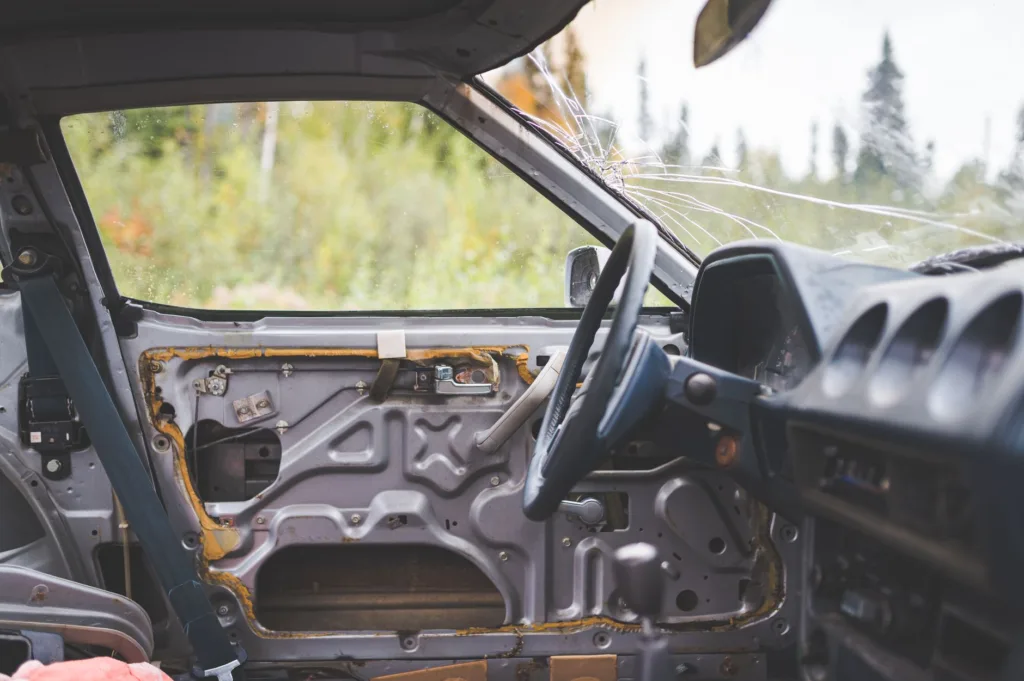
Dashboard cracks are usually caused by a combination of heat, sunlight, age, dry materials, and repeated stress. In many vehicles, the dash surface slowly loses flexibility over time. Once the material becomes brittle, normal expansion and contraction from daily temperature swings can turn small wear points into visible splits.
In practical terms, cracking is often a sign that the dashboard is aging faster than the rest of the interior. Cars parked in strong sun, vehicles used in hot climates, and older models with vinyl or plastic dash materials are especially vulnerable. Poor maintenance can speed up the process, but even a well-kept vehicle can develop cracks after enough exposure.
Understanding what causes dashboard cracks helps you prevent them, slow them down, and know when repair is realistic. Some cracks are only cosmetic. Others can affect resale value, create glare, or point to deeper interior deterioration. The good news is that many of the causes are predictable, which means there are practical ways to reduce the damage.
What Actually Makes a Dashboard Crack?
A dashboard cracks when its surface material loses flexibility and can no longer handle stress. Most dashboards are made from molded plastics, vinyl, polyurethane, or layered composite materials. These materials are designed to look smooth and hold shape, but they are still affected by heat, ultraviolet light, age, and chemicals.
When the material becomes dry or brittle, it starts to shrink and expand unevenly. That repeated movement creates tension, especially around seams, edges, vents, speaker openings, and areas near the windshield. Over time, small stress points become visible cracks.
So the short answer is this: dashboard cracks happen when the material is weakened and then pushed past its limit by environmental and mechanical stress.
The Main Causes of Dashboard Cracks
1. Sun Exposure and UV Damage
Direct sunlight is one of the biggest reasons dashboards crack. Ultraviolet rays break down the chemical structure of plastics and vinyl over time. As the surface degrades, it becomes dull, stiff, and more likely to split.
This damage is usually worse on the side of the dash closest to the windshield and on vehicles parked outdoors for long periods. A car that sits in full sun every day will age much faster inside than one that is garaged or shaded.
UV damage often starts subtly. You may notice fading, a chalky feel, or a slightly dry surface before any cracks appear. Those early signs mean the material is already losing protection and flexibility.
2. Heat Buildup Inside the Cabin
Extreme heat is another major factor. A parked car can become much hotter inside than the outside air, especially with closed windows and direct sun. The dashboard absorbs this heat, expands, and then contracts as the cabin cools.
That repeated heating and cooling cycle puts stress on the material. Over time, the dash can harden and begin to split, especially in areas where the material is thin or molded over sharp contours.
Heat alone may not cause cracks immediately, but it accelerates aging. In warm climates, dashboard deterioration can happen much faster than many owners expect.
3. Age and Material Breakdown
Even without heavy sun exposure, dashboards age. Plasticizers and other compounds that keep the material flexible can slowly degrade or evaporate over many years. As that happens, the dash becomes less elastic and more fragile.
This is why older vehicles often show cracking even when they were reasonably cared for. Age-related breakdown is common in cars that are 10, 15, or 20 years old, depending on how the vehicle was used and stored.
In some cases, the dashboard surface may look fine until a crack suddenly appears. The damage was building for years below the surface, then the material finally reached its failure point.
4. Drying Out From Environmental Conditions
Low humidity, intense heat, and long-term exposure to air can dry out dashboard materials. While “drying out” is not the only cause, it is a useful way to describe the loss of flexibility that makes cracking more likely.
Cold climates can contribute too, especially when a vehicle experiences repeated freeze-thaw cycles. The dash may contract in cold weather and expand again when the cabin warms up. That movement can stress weakened material.
If a dashboard is already brittle, even normal temperature changes can make small surface lines worse.
5. Poor Care and Harsh Cleaning Products
Using the wrong interior cleaners can speed up dashboard damage. Strong solvents, alcohol-heavy products, or aggressive degreasers may strip protective coatings or dry out the surface. Over time, that can leave the dash more exposed to cracking.
Frequent use of silicone-heavy products can also create a problem if they attract dust or leave a slick residue that encourages overcleaning. The issue is not usually one single product, but repeated misuse or overuse of harsh chemicals.
Wiping the dash with very abrasive cloths can also wear down the protective top layer. Once that layer is compromised, the material underneath is more likely to fail.
6. Mechanical Stress and Vibration
Road vibration does not usually create dashboard cracks by itself, but it can contribute when the material is already weakened. Loose trim pieces, rattling panels, and poor fitment can place extra stress on certain parts of the dashboard structure.
This is especially true around mounting points, seams, and areas where the dashboard meets the windshield, instrument cluster, or center console. If the dash flexes in one area every time the car moves, cracks may eventually form there.
Vehicles used on rough roads may show more interior stress than vehicles driven mostly on smooth pavement.
7. Poor Manufacturing or Low-Quality Materials
Some dashboards crack sooner because of the way they were made. Material quality, thickness, design, and heat resistance all affect durability. A dashboard with poor UV resistance or weak construction may not last as long as one built with better interior materials.
This does not mean every dashboard in a cheaper vehicle will crack quickly. It means the margin for error can be smaller, especially in hot climates or with heavy sun exposure.
Manufacturing defects are less common than environmental damage, but they can make a difference in how early cracks appear.
How Different Dashboard Materials Respond to Aging
Not all dashboards are made the same way. The material matters because some surfaces tolerate heat and sunlight better than others. A softer vinyl dash may behave differently from a rigid plastic or padded polyurethane surface.
| Material Type | Typical Behavior Over Time | Cracking Risk |
|---|---|---|
| Vinyl | Can dry out, fade, and become brittle with UV and heat exposure | Moderate to high, depending on care and climate |
| Hard plastic | May resist wear initially but can become brittle and split as it ages | Moderate |
| Soft-touch polyurethane | Often feels more refined but can still degrade, warp, or crack with age | Moderate |
| Leather-wrapped dash surfaces | Can dry, shrink, or separate if exposed to heat and poor care | Moderate, though failure looks different from standard plastic cracking |
| Foam-backed composite | Can break down internally, leading to surface distortion and cracking | Moderate to high in older vehicles |
Material type matters, but no dashboard is immune. Even higher-quality interiors can suffer if the vehicle is exposed to enough heat and sunlight over time.
Where Dashboard Cracks Usually Start
Cracks do not appear randomly. They tend to start in places where stress is concentrated or where the material is thinner. Knowing these locations can help you spot early damage before it becomes more visible.
Common Crack Locations
- Near defroster vents
- Along the edge where the dash meets the windshield
- Around speaker openings and instrument cluster cutouts
- At seams and molded joints
- Near airbags or designated breakaway sections
- On top surfaces that get the most direct sun
The top of the dash is the most common area because it takes the most UV exposure and heat. Windshield reflections can intensify the effect, especially on darker interiors.
Cracks near seams or vents often indicate stress from design shape, heat cycling, or both.
How Climate Affects Dashboard Cracking
Climate plays a major role in dash longevity. Vehicles in hot, sunny regions usually develop interior wear faster than vehicles in milder climates. But cold weather and seasonal swings can also matter.
| Climate Condition | How It Affects the Dashboard | Typical Result |
|---|---|---|
| Hot, sunny climate | Increases UV exposure and heat cycling | Fading, drying, cracking |
| Cold climate | Can make brittle materials contract and stress weak areas | Small splits may spread over time |
| Humid climate | Humidity itself is not the main cause, but heat and condensation can still contribute to wear | Variable aging, depending on storage and sun exposure |
| Mixed seasonal climate | Repeated expansion and contraction from temperature swings | Material fatigue and surface damage |
Hot, dry regions are often the harshest environment for dashboards. Still, a vehicle in a colder region can crack if it sees long-term sun exposure and age-related degradation.
Signs Your Dashboard Is Starting To Fail
Cracks are usually the final stage of a longer deterioration process. Before a crack appears, the dashboard may show warning signs that the material is losing strength.
Early Warning Signs
- Fading or discoloration
- A dry, chalky, or brittle feel
- Small surface lines or hairline marks
- Glossy areas that look worn away
- Warping or slight lifting near the windshield
- Sticky residue from failing coatings or soft-touch surfaces
These signs are worth paying attention to because they often come before visible cracking. Catching the problem early can help you slow further damage, even if you cannot reverse it completely.
Can You Prevent Dashboard Cracks?
You usually cannot stop aging entirely, but you can slow it down a lot. The main goal is to reduce heat, UV exposure, and chemical damage.
Practical Prevention Steps
- Park in shade whenever possible
- Use a windshield sunshade in strong sun
- Garage the vehicle if you can
- Clean the dash with a gentle interior-safe cleaner
- Avoid harsh solvents and abrasive towels
- Keep windows slightly cracked only when safe and appropriate, since this is not always practical or secure
- Maintain the car interior regularly instead of waiting until surfaces look damaged
Sun protection is usually the most effective prevention step. A shaded or covered vehicle interior experiences much less heat stress than one parked in direct sun every day.
Gentle cleaning matters too. Dirt and dust can act like fine abrasives over time, so a light, regular cleaning routine is better than occasional aggressive scrubbing.
What About Interior Protectants?
Interior protectants can help reduce UV damage when used correctly, but they are not magic. They should be viewed as part of a larger care routine, not as a cure for old or brittle material.
Choose products that are intended for automotive interiors and follow the label directions. Overapplication can leave a greasy feel or attract dust. The goal is a clean, protected surface, not a shiny coating that hides problems.
Common Mistakes That Make Dashboard Cracks Worse
Many dashboard cracks are accelerated by well-intentioned mistakes. People often try to make the interior look better quickly, but the wrong approach can do more harm than good.
1. Using Household Cleaners
Household glass cleaners, degreasers, and all-purpose sprays may contain chemicals that are too harsh for interior plastics. These cleaners can dry out the material or strip any protective finish on the surface.
2. Letting Dirt Build Up
Dust and grime are not just cosmetic issues. If they stay on the surface for long periods, they can contribute to wear and dull the finish. Cleaning becomes more difficult later, which often leads people to use stronger products than necessary.
3. Ignoring Small Cracks
A small crack can spread once the material continues to heat and cool. Ignoring early damage does not always make the problem worse immediately, but it removes the chance to slow the process or repair it before it expands.
4. Overusing Armor-Like Shiny Dressings
Very glossy products can make a dashboard look wet or slippery, but that does not mean the material is healthier. In some cases, the excess residue can attract dust and encourage repeated wiping, which increases wear.
5. Leaving the Car Parked in Full Sun
This is one of the most common causes of premature dashboard aging. Even a few hours of daily exposure can add up over months and years.
Can Cracked Dashboards Be Repaired?
Yes, but the repair method depends on how severe the damage is and what result you want. Small cracks can sometimes be filled or blended to improve appearance. Larger cracks may need more involved repair, and badly deteriorated dashboards may not be worth restoring cosmetically.
It is important to separate appearance repair from structural repair. Most dashboard cracks are cosmetic, but if the damage is near an airbag, sensor, or structural mounting point, the issue deserves more caution.
Typical Repair Approaches
- Flexible filler and surface refinishing
- Vinyl or plastic repair compounds
- Dash covers for cosmetic concealment
- Dashboard replacement in severe cases
Repair results vary widely. A shallow crack on a stable surface may be improved significantly. A large, brittle, sun-baked dash may continue to fail even after repair because the surrounding material is already weak.
If the crack is near an airbag deployment zone, do not guess. That is a situation where proper inspection matters more than cosmetics.
Repair vs Replacement: How To Think About It
Choosing between repair and replacement depends on the vehicle, the crack severity, and the value of the car. In older daily drivers, a visible but stable crack may be acceptable if the interior is otherwise functional. In a restored, collector, or higher-value vehicle, a replacement might make more sense.
| Option | When It Makes Sense | Limitations |
|---|---|---|
| Minor repair | Small cracks or localized cosmetic damage | May not fully disappear; surrounding material can still age |
| Dash cover | When the goal is to hide damage and reduce glare | Does not fix the underlying damage |
| Replacement | Severe cracking, high-value vehicle, or major interior restoration | More labor-intensive and often more expensive |
For many owners, the decision comes down to cost and appearance. A good repair may be enough for a work vehicle or older commuter car, while a badly cracked dash in a near-show condition vehicle may justify replacement.
Typical Cost Considerations
Dashboard crack repair costs vary widely based on the amount of damage, the vehicle, and whether the work is done professionally. Simple cosmetic repairs are usually less expensive than full replacement. Labor can be a major factor because removing and reinstalling the dashboard is time-consuming.
It is reasonable to expect that a small cosmetic repair will cost less than a full dash replacement, but exact pricing depends on location and vehicle design. Luxury vehicles, modern cars with complex airbags and electronics, and tightly integrated dashboards usually cost more to service.
When evaluating repair cost, consider more than the crack itself. If removal requires disconnecting electronics, trim, or safety systems, the labor portion may rise quickly.
How to Inspect a Dashboard for Damage
If you suspect your dashboard is starting to crack, a careful inspection can help you judge the severity.
Inspection Checklist
- Look across the dash in daylight for hairline marks
- Check the top surface near the windshield for fading or dryness
- Inspect around vents, seams, and corners
- Feel for brittle or rough areas
- Note whether cracks are stable or spreading
- Watch for warping, lifting, or separation near airbag zones
Take your time. Some cracks only show up when the light hits at the right angle. A flashlight used from the side can make surface defects easier to see.
When a Cracked Dashboard Is More Than a Cosmetic Issue
Most dashboard cracks are cosmetic, but some deserve more attention. If a crack affects an airbag cover, sensor housing, defroster area, or any part that could interfere with safety systems, the damage should be inspected carefully.
You should also pay attention if the dashboard is separating, sagging, or creating sharp edges. In those cases, the issue is no longer just about appearance. Loose material can become distracting, create rattles, or worsen over time.
If you are unsure whether the crack is superficial, it is better to have it checked than to assume it is harmless.
How Dashboard Cracks Affect Resale Value
Cracked dashboards can reduce perceived vehicle value because they make the interior look aged and poorly maintained. Buyers often assume that if the dashboard is cracked, other hidden wear may be present too.
That does not mean the car is mechanically unsound. It simply means interior condition affects presentation. In used car sales, a cracked dash can become a negotiation point, especially in higher-trim or lower-mileage vehicles where the interior is expected to look cleaner.
For owners planning to sell, preventing further cracking is often more worthwhile than chasing a perfect cosmetic repair. A stable, clean interior usually presents better than one with a badly deteriorated dash or a poor repair attempt.
FAQ
What is the most common cause of dashboard cracks?
Sun exposure is usually the biggest cause. UV light and heat break down dashboard materials over time, making them brittle and more likely to crack.
Can cold weather cause dashboard cracks?
Cold weather can contribute, especially if the dashboard is already aged or brittle. Temperature swings cause expansion and contraction, which can stress weakened material.
Do dashboard protectants stop cracks?
They can help slow UV damage, but they do not stop aging completely. Protection works best when combined with shade, garage storage, and gentle cleaning.
Why do cracks often appear near the windshield?
That area gets the most sun exposure and heat. It also tends to experience strong temperature changes, which puts extra stress on the material.
Can a cracked dashboard be repaired permanently?
Some repairs last well, but permanence depends on the condition of the surrounding material. If the dashboard is very brittle, new cracks may still form nearby.
Is a cracked dashboard dangerous?
Usually it is a cosmetic issue, but cracks near airbags, sensors, or loose edges should be inspected. Damage that affects safety systems is more serious.
Does parking in the shade really help?
Yes. Shade reduces cabin heat and UV exposure, which are two of the biggest contributors to dashboard aging.
Should I repair a small crack right away?
It is smart to address it early if appearance matters to you. Small cracks are easier to manage than larger ones, and they may spread if the dashboard keeps aging.
Conclusion
Dashboard cracks happen when heat, UV exposure, age, and material breakdown weaken the surface over time. The most common cause is long-term sun damage, but poor cleaning habits, mechanical stress, and extreme temperature swings can also contribute.
Most cracks begin as a gradual loss of flexibility. Once the material becomes brittle, normal cabin heat and daily use can turn small weak spots into visible splits. Prevention works best through shade, careful cleaning, and reducing sun exposure whenever possible.
If cracking has already started, the right response depends on severity. Small cosmetic damage may be repairable, while widespread deterioration may call for more involved work. Either way, understanding the cause helps you make a better decision and slow further damage.