If an alternator fails, your car may keep running for a short time on battery power alone, but the battery will quickly drain. Once that happens, electrical systems start shutting down, warning lights come on, the engine may run poorly, and the vehicle can eventually stall and refuse to restart. In practical terms, a failed alternator can turn a normal drive into a roadside breakdown.
The alternator is one of the most important parts of a vehicle’s charging system. It keeps the battery charged while the engine is running and supplies power to electrical components such as the headlights, dashboard, ignition system, radio, power windows, and climate controls. When it stops doing that job, the entire vehicle begins to rely on stored battery energy.
Understanding what happens when an alternator fails can help you recognize the warning signs early, avoid getting stranded, and decide whether the car is safe to drive even for a short distance.
What the Alternator Actually Does
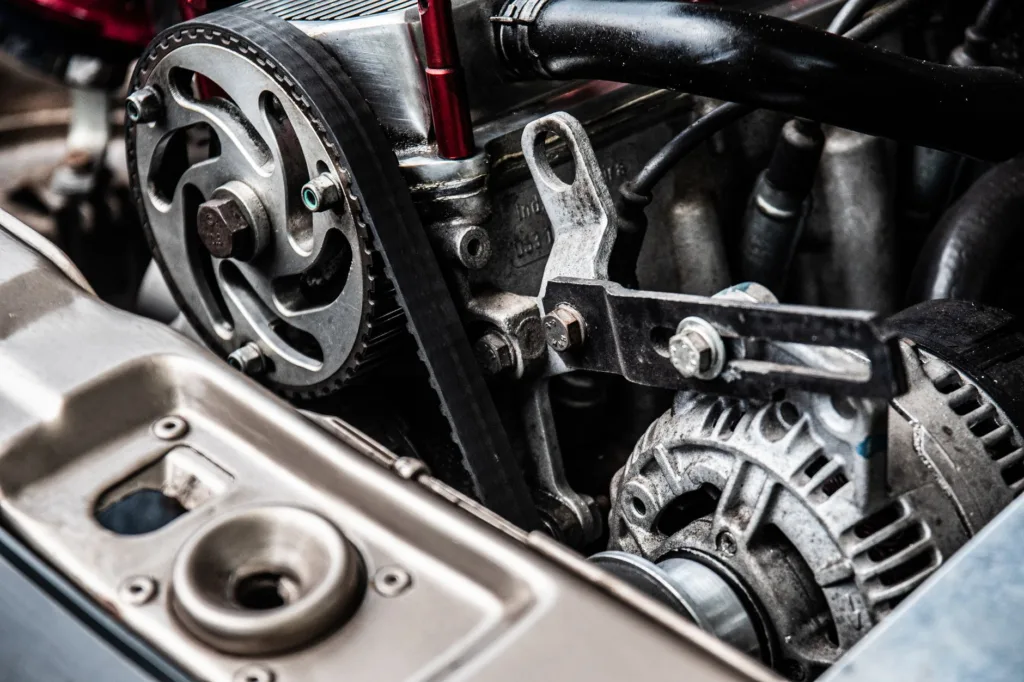
The alternator converts mechanical energy from the engine into electrical energy. It is usually driven by a serpentine belt connected to the engine. As the engine runs, the alternator generates electricity to power the vehicle and recharge the battery.
Many drivers assume the battery powers the car all the time. That is only partly true. The battery mainly provides the high burst of power needed to start the engine. After the engine starts, the alternator takes over and supports the vehicle’s electrical needs.
If the alternator is weak or stops charging entirely, the battery becomes the backup power source. Since the battery has limited capacity, that backup does not last long.
What Happens If Your Alternator Fails While Driving
If the alternator fails while you are already on the road, the engine may continue running at first. That can make the problem easy to underestimate. The car may feel normal for several minutes, or sometimes longer, depending on battery condition and electrical load.
As the battery voltage drops, symptoms usually appear in stages. At first, you may see a battery warning light or charging system warning on the dash. Then electrical accessories can start acting strangely. Headlights may dim, the radio may cut out, power windows may slow down, and the instrument cluster may flicker.
Eventually, the engine management system and ignition system may stop getting enough voltage to operate correctly. The engine can misfire, hesitate, or stall. Once the battery is too depleted, the vehicle may shut off completely.
Common symptoms you may notice during failure
- Battery warning light or charging system light on the dashboard
- Dimming headlights, especially at idle or low speed
- Weak or erratic electrical accessories
- Slow power windows or weak blower motor performance
- Flickering dashboard lights
- Strange smells, such as burning rubber or overheated wiring
- Engine stalling after a period of driving
- No-start condition after turning the engine off
How Long Can a Car Run With a Failed Alternator?
There is no single answer because it depends on the vehicle, the battery’s charge level and health, weather conditions, and how much electricity the car is using. A vehicle with a healthy, fully charged battery and low electrical demand may run for a short while. A vehicle with an older battery or heavy electrical load may die much sooner.
For example, driving during the day with the air conditioning off, the radio off, and minimal accessory use may let the battery last longer than driving at night in the rain with headlights, wipers, defroster, blower motor, and heated seats all operating.
Some vehicles are also more sensitive to low voltage than others. Modern cars with many control modules and electronic systems may develop symptoms earlier than older, simpler vehicles.
| Factor | May Help the Car Run Longer | May Cause a Faster Breakdown |
|---|---|---|
| Battery condition | New or healthy battery | Old, weak, or partially discharged battery |
| Electrical load | Few accessories in use | Headlights, blower, wipers, defroster, audio, chargers |
| Vehicle type | Simple electrical system | Modern vehicle with many electronics |
| Driving conditions | Daytime, mild weather | Night driving, rain, cold weather |
| Failure type | Weak charging output | Complete charging loss or belt failure |
Because the breakdown can happen suddenly, it is risky to keep driving once you know the alternator is not charging correctly.
Can a Car Start With a Bad Alternator?
Yes, sometimes. If the battery still has enough charge, the car may start even if the alternator is bad. But after starting, the vehicle will not recharge the battery properly, so each drive or restart drains it further.
This leads many drivers to misdiagnose the problem as “just a bad battery.” They jump-start the car, it runs for a while, and then it dies again. In that situation, the battery may not be the root cause at all.
A failing alternator often shows up as repeated dead battery incidents, especially when the battery is otherwise fairly new.
What Happens to the Battery When the Alternator Fails?
When the alternator fails, the battery has to power the vehicle alone. That deep discharge places extra strain on the battery. Car batteries are designed mainly for starting, not for prolonged discharge like a deep-cycle battery.
If the alternator problem is not fixed quickly, the battery can become heavily drained. Repeatedly draining a starting battery can shorten its lifespan and reduce its ability to hold a charge.
In some cases, both parts end up needing attention. A bad alternator may cause the battery to fail prematurely, and a severely weakened battery may still cause starting issues even after the alternator is replaced.
Alternator failure can lead to these battery-related problems
- Battery discharge while driving
- Battery unable to restart the car after shutdown
- Battery damage from repeated deep discharge
- Confusion between battery failure and charging system failure
Will the Engine Shut Off If the Alternator Fails?
In many cases, yes. Once battery voltage falls too low, the ignition and fuel systems may no longer function properly. On older vehicles, low voltage may weaken spark and cause rough running. On newer vehicles, electronic control modules may begin shutting down or behaving unpredictably.
That is why alternator failure is not just an inconvenience. It can become a drivability and safety issue if the vehicle stalls in traffic, at an intersection, or on the highway.
Power steering and brake assist behavior can also change depending on the vehicle and engine type if the engine stalls. That can make the car much harder to control, especially for an inexperienced driver.
Can a Bad Alternator Damage Other Parts?
It can. The most common secondary victim is the battery, but voltage problems can affect other components too. A weak alternator may cause low voltage issues, while some alternator failures can create overcharging conditions if the voltage regulator fails.
Overcharging can be especially harmful. Excess voltage can damage the battery, shorten bulb life, and stress sensitive electronics. In some vehicles, overcharging may also trigger warning lights, electrical malfunctions, or unusual smells from an overheating battery.
| Type of Alternator Problem | Possible Effect |
|---|---|
| No charging | Battery drains, vehicle stalls, no restart |
| Weak charging | Intermittent warning lights, low-voltage symptoms, poor battery charging |
| Overcharging | Battery overheating, bulb failure, electrical system stress |
| Bad bearings or internal damage | Grinding noise, belt wear, possible seizure |
Signs Your Alternator Is Failing Before It Completely Dies
Alternators often give warning signs before total failure, although not always. Catching these signs early can prevent a breakdown.
Battery or charging warning light
This is one of the clearest indicators. A battery-shaped light does not automatically mean the battery itself is bad. It often points to the charging system, which includes the alternator, battery, wiring, and belt.
Dimming or pulsing lights
Headlights that dim at idle or interior lights that pulse brighter and dimmer can suggest unstable charging voltage.
Repeated dead battery
If the battery keeps going flat after being charged or replaced, the alternator should be tested.
Unusual noises
A failing alternator bearing can make a whining, grinding, or growling sound. Sometimes the sound changes with engine speed.
Burning smell
An overheating alternator, slipping belt, or electrical issue can produce a hot, burnt odor. This should not be ignored.
Slow or malfunctioning accessories
If power windows, blower fans, or infotainment systems behave erratically, low system voltage could be part of the problem.
What Causes an Alternator to Fail?
Alternators wear out over time. Heat, vibration, age, and electrical load all contribute. Some failures happen inside the alternator itself, while others involve the components that allow it to operate.
Common causes of alternator failure
- Worn brushes or internal components
- Failed voltage regulator
- Bad bearings
- Damaged diode pack
- Loose, glazed, or broken serpentine belt
- Corroded or loose electrical connections
- Fluid leaks contaminating the alternator
- Excessive heat under the hood
Sometimes the alternator itself is fine, but a belt problem stops it from spinning properly. In that case, the symptoms can look very similar to alternator failure.
What to Do If Your Alternator Fails While Driving
If you suspect alternator failure while driving, the goal is to reduce electrical load, avoid shutting the engine off unnecessarily, and get to a safe location as soon as possible.
Immediate steps to take
- Watch the dashboard. If the battery or charging light comes on, take it seriously.
- Turn off nonessential accessories. Shut off the radio, seat heaters, phone chargers, and anything else not needed.
- Limit climate control if possible. The blower motor uses electrical power.
- Head toward a safe place. A repair shop, parking lot, or shoulder is better than continuing the trip.
- Avoid shutting the engine off until you are in a safe spot. A weak battery may not restart the vehicle.
- If the car begins losing power or lights dim severely, pull over safely.
If the engine stalls, do not keep cranking it repeatedly. That can drain the battery completely and create more heat in the starting system. At that point, towing is usually the safer choice.
Is It Safe to Drive With a Bad Alternator?
Generally, not for long. A car with a failed alternator is unreliable because it may stop without much warning once the battery is depleted. Even if it seems drivable at first, the risk of stalling increases as voltage falls.
There is a big difference between moving a car a short distance to a nearby shop and trying to continue normal driving for a day or two. The first may be possible in some situations. The second is a gamble that often ends in a tow.
If you must move the vehicle a short distance, do so only if the engine is currently running normally, traffic conditions are manageable, and you have a safe backup plan. If there is any doubt, towing is the safer option.
Alternator Failure vs Bad Battery
The symptoms can overlap, which is why these two problems are often confused. The key difference is that the battery stores power, while the alternator replenishes it and powers the car while driving.
| Symptom | More Common With Bad Battery | More Common With Bad Alternator |
|---|---|---|
| Car will not start after sitting | Yes | Sometimes |
| Repeated jump-starts needed | Possible | Very common |
| Battery light while driving | Less common | Very common |
| Car starts but later stalls while driving | Less common | Common |
| Electrical accessories weaken during operation | Less common | Common |
A proper charging system test is the best way to confirm the real cause. Many repair shops and parts stores can test battery voltage and charging output, but a full diagnosis may be needed if the issue is intermittent.
How an Alternator Problem Is Diagnosed
Diagnosis usually starts with checking battery voltage, alternator output, and the condition of the drive belt and wiring. A healthy charging system in a typical passenger car often shows charging voltage above resting battery voltage when the engine is running, though exact values vary by vehicle and charging strategy.
On newer vehicles, charging behavior can be computer-controlled and may not look the same all the time. That is why modern diagnostics may involve scan tool data and manufacturer procedures rather than relying only on a simple voltage reading.
Common diagnostic steps
- Inspect the serpentine belt for slipping, cracks, or breakage
- Check battery terminals for looseness or corrosion
- Measure battery voltage with engine off and engine running
- Test alternator output under electrical load
- Check for trouble codes related to charging or voltage
- Inspect wiring and grounds
In some cases, the alternator is blamed when the real fault is a poor connection, a blown fuse, a bad ground, or a belt tension problem.
Typical Repair Costs and What Affects Them
Alternator replacement costs vary widely depending on the vehicle, engine layout, labor time, and part quality. On some vehicles, the alternator is easy to access. On others, it may be buried under other components, which increases labor cost.
You may also need to account for related repairs. If the battery has been deeply discharged several times, it may test weak and need replacement. If the serpentine belt is worn, it might make sense to replace it at the same time.
| Repair Item | Typical Cost Range | Notes |
|---|---|---|
| Alternator replacement | Moderate to high | Varies a lot by vehicle and labor access |
| Battery replacement | Moderate | May be needed if deeply discharged or aged |
| Serpentine belt replacement | Low to moderate | Often worth checking during alternator service |
| Charging system diagnosis | Low to moderate | Can save money by avoiding wrong parts replacement |
Because local labor rates differ, exact prices can vary significantly by shop and region.
Common Mistakes Drivers Make When an Alternator Starts Failing
Alternator problems often get worse because the early warning signs are misunderstood or ignored.
Assuming the battery light means only the battery is bad
This is one of the most common mistakes. The battery light usually means the charging system needs attention, not just the battery itself.
Replacing the battery without testing the charging system
A new battery may temporarily mask the issue, but it will not fix a failed alternator. The same problem often returns quickly.
Continuing to drive until the car stalls
Drivers sometimes keep going because the car still runs. That can leave them stranded in a less safe location.
Ignoring belt noise or burning smells
A slipping belt or seized alternator bearing can become a larger problem if left alone.
Repeatedly jump-starting without diagnosing the cause
If the car keeps needing a jump, there is an underlying issue. Repeated jump-starts are a temporary workaround, not a repair.
Practical Maintenance Tips to Help Prevent Alternator Trouble
You cannot prevent every alternator failure, but a few maintenance habits can reduce the chances of sudden charging problems.
- Inspect the serpentine belt during routine service for cracks, glazing, or fraying
- Keep battery terminals clean and tight
- Fix oil or coolant leaks that could contaminate the alternator
- Pay attention to warning lights instead of waiting for a no-start
- Test the battery and charging system if you notice dim lights or repeated low-battery issues
- Do not overload the electrical system with poorly installed aftermarket accessories
These steps will not guarantee a long alternator life, but they can help catch problems before they leave you stuck.
Real-World Scenarios: What Alternator Failure Can Look Like
Daily commuter on a morning drive
The battery light comes on 10 minutes into the trip. At first, nothing seems wrong. Then the dashboard starts flickering, the fan slows down, and the car stalls at a traffic light. This is a classic charging failure sequence.
Night driving in bad weather
A driver is using headlights, wipers, rear defroster, and cabin heat. When the alternator stops charging, the battery drains faster because electrical demand is high. The car may lose power much sooner than it would in daytime conditions.
Car starts fine after a jump but dies later
This often points to the alternator rather than the battery alone. The jump provides enough charge to start the engine, but the alternator does not sustain the system after that.
When You Should Stop Driving and Call for Help
You should strongly consider stopping and arranging a tow if any of the following happen:
- The battery or charging warning light is on and electrical symptoms are getting worse
- Headlights are becoming very dim
- The engine is misfiring, surging, or stalling
- You smell burning rubber or hot electrical components
- The serpentine belt is broken or missing
- The vehicle has already needed multiple jump-starts
These signs suggest the car may not remain reliable long enough to complete the trip safely.
Frequently Asked Questions
Can a bad alternator kill a new battery?
Yes. If the alternator does not charge properly, the battery can become repeatedly drained. If the alternator overcharges, it can also damage the battery.
Will a jump-start fix a bad alternator?
No. A jump-start may get the engine running temporarily, but it does not restore charging ability. If the alternator has failed, the battery will drain again.
Can you drive home with a bad alternator?
Possibly, but only for a short distance in some cases. It depends on battery charge, electrical demand, and traffic conditions. There is always a risk the vehicle will stall before you get there.
Does the car battery charge while idling if the alternator is bad?
No. If the alternator is not working correctly, the battery will not charge properly whether the engine is idling or driving.
What does a failing alternator sound like?
It may make a whining, grinding, or growling noise, especially if the bearings are worn. Belt-related noises can also occur.
Can an alternator fail suddenly without warning?
Yes. Some alternators show signs like dim lights or warning lamps first, but others can fail with little notice.
Is the battery light always the alternator?
No. It indicates a charging system issue, which could involve the alternator, battery, belt, wiring, fuse, or related controls.
Can a bad alternator cause rough shifting or electronic glitches?
Yes. Low system voltage can affect computers and sensors, which may lead to unusual shifting behavior, warning messages, or other electrical problems.
Final Takeaway
If your alternator fails, the car will run only until the battery is drained. After that, electrical systems weaken, the engine may stall, and the vehicle may not restart. In most cases, alternator failure should be treated as an urgent repair rather than something to put off.
The most important warning signs are the battery light, dim or flickering lights, repeated dead battery problems, and electrical accessories acting strangely. If these symptoms appear, reduce electrical load, get to a safe location, and have the charging system tested as soon as possible.
Acting early can mean the difference between a straightforward repair and being stranded on the side of the road.