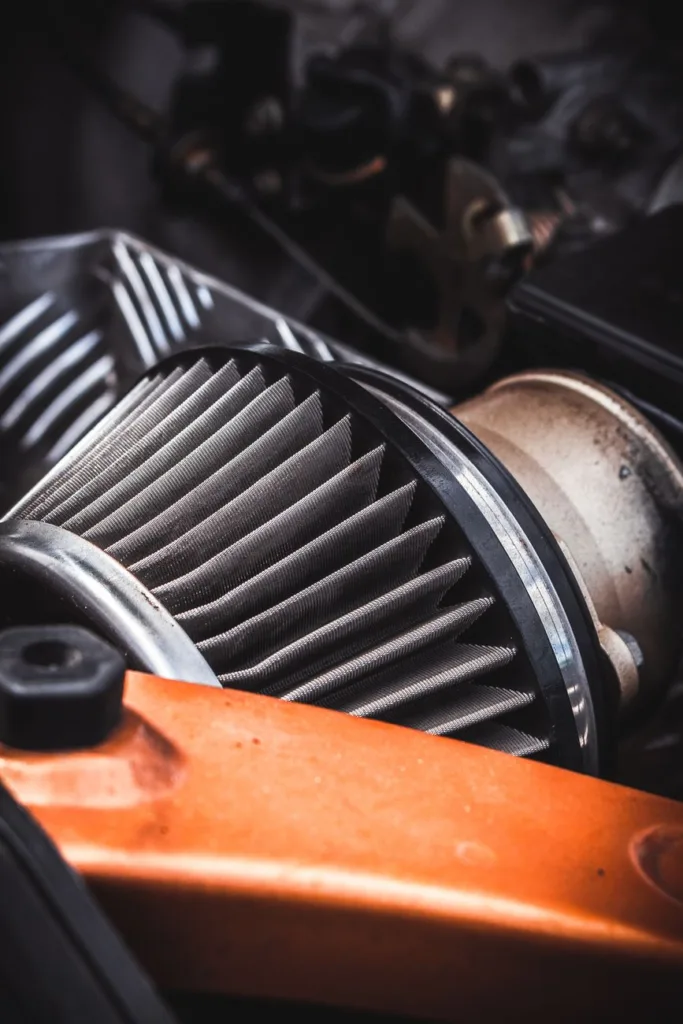
Most engine air filters should be replaced about every 15,000 to 30,000 miles, but the right interval depends on your vehicle, driving conditions, and the condition of the filter itself. If you drive on dusty roads, in heavy traffic, or in areas with lots of dirt, pollen, or construction debris, you may need to replace it sooner. If you mostly drive on clean highways, it may last longer.
The engine air filter matters because it helps keep dirt and debris out of the engine. A clogged filter can reduce airflow, which may affect performance, fuel economy, and overall engine efficiency. On many modern vehicles, the effects are sometimes subtle, but replacing the filter at the right time is still an important part of basic maintenance.
If you are unsure when to change yours, the best starting point is your owner’s manual. That will give you the manufacturer’s recommended service interval, but it should be adjusted for real-world driving conditions. A quick visual inspection during routine maintenance can also help you decide whether it is time.
What an Engine Air Filter Does
An engine air filter cleans the air entering the engine before it mixes with fuel for combustion. The filter traps dust, sand, bugs, soot, and other airborne particles that could otherwise enter the intake system and engine internals.
Clean air is essential because engines need a steady supply of oxygen to run efficiently. If contaminants get through, they can contribute to premature wear. If the filter becomes too clogged, the engine may not get enough airflow.
This is different from the cabin air filter, which cleans the air you breathe inside the vehicle. People often confuse the two. The engine air filter protects the engine, while the cabin air filter affects interior air quality and HVAC performance.
How Often Should You Replace Engine Air Filters?
A practical rule for many drivers is to inspect the engine air filter at every oil change and replace it roughly every 15,000 to 30,000 miles. Some vehicles may call for replacement sooner or later, so the owner’s manual should always take priority.
That broad range exists because not all driving conditions are equal. Two identical cars can need very different replacement intervals depending on where and how they are driven.
| Driving Condition | Typical Engine Air Filter Replacement Range | Why It May Change Sooner or Later |
|---|---|---|
| Mostly clean highway driving | 20,000 to 30,000 miles | Less dust and debris entering the intake |
| Mixed city and highway driving | 15,000 to 25,000 miles | Normal use with moderate contamination |
| Dusty roads or rural areas | 10,000 to 15,000 miles | Heavy dirt exposure can clog the filter faster |
| Construction zones, desert climates, farm use | As low as 5,000 to 12,000 miles | High airborne dust loads shorten filter life |
| Performance or heavy towing use | Varies by vehicle | Higher airflow demand may make inspections more important |
If you do not know the last time your air filter was changed, checking it now is smart. It is often one of the easiest maintenance items to inspect.
What Factors Affect How Long an Engine Air Filter Lasts?
Driving Environment
The environment has a huge effect on air filter life. A car driven daily on paved suburban roads usually collects less debris than one used on gravel roads, near fields, or in dry climates.
Even city driving can be hard on a filter if there is constant construction, heavy traffic, or poor air quality. Vehicles in windy areas may also pull in more dust than owners expect.
Type of Roads You Drive On
Unpaved roads are especially hard on engine air filters. Gravel, dirt, and loose road dust are easily drawn into the intake. If your commute includes back roads, job sites, or rural property access roads, a shorter replacement interval is often necessary.
Climate and Seasonal Conditions
Dry climates tend to load filters with dust more quickly. In spring and summer, pollen and plant debris can also contribute. In areas with wildfire smoke or poor seasonal air quality, filters may become dirty sooner than expected.
Wet or muddy climates can also affect the intake system, especially if debris collects around the air box. While moisture itself is not usually the main issue, dirt buildup can still accelerate clogging.
Vehicle Usage Pattern
A vehicle used occasionally may not accumulate miles quickly, but time still matters. If a filter sits for years, it can become brittle, contaminated, or home to insects or rodents in rare cases. That is one reason many service schedules include both mileage and time considerations.
Vehicles used for towing, commercial delivery, or frequent stop-and-go driving may also need closer inspection because they work harder and inhale a lot of air over time.
Filter Quality and Design
Different vehicles use different air box designs and filter sizes. Some have large filters with plenty of surface area. Others use smaller filters that may clog more quickly in dirty conditions.
The filter media itself also varies. Paper-style disposable filters are the most common and usually work very well for normal maintenance schedules.
Signs Your Engine Air Filter May Need Replacement
You do not always have to wait for a mileage milestone. Sometimes the filter tells you it is ready to be replaced.
Dirty or Dark Filter Appearance
A new engine air filter is typically light-colored. Over time, it darkens as it traps dirt and debris. If the pleats are heavily coated, packed with dirt, or visibly clogged, replacement is usually a good idea.
A slight color change alone does not always mean it is worn out. What matters more is how much debris is embedded in the filter and whether airflow appears restricted.
Reduced Engine Performance
A severely clogged air filter can contribute to sluggish acceleration or reduced responsiveness. This happens because the engine may struggle to draw in enough air under load.
That said, many other problems can cause similar symptoms, such as spark plug issues, fuel delivery problems, or sensor faults. The air filter is one possible cause, not the only one.
Lower Fuel Economy
In some vehicles, a restricted air filter may contribute to reduced fuel economy. Modern engines and engine management systems can often compensate to a degree, so the change may be small. Still, if your filter is badly clogged, replacing it can help restore normal airflow.
Check Engine Light in Some Cases
An extremely restricted air filter can sometimes contribute to airflow-related issues that may trigger a check engine light, though this is not one of the most common causes. If a warning light appears, proper diagnosis is important rather than assuming the filter is the only issue.
Unusual Intake or Engine Sounds
In some cases, airflow restriction or an improperly installed filter can cause odd intake sounds. If the air box is not sealed correctly after inspection or replacement, unfiltered air may bypass the filter, which is something you want to avoid.
Can You Tell If an Engine Air Filter Is Bad Just by Looking at It?
A visual inspection is helpful, but it is not perfect. If the filter is visibly packed with dirt, leaves, bugs, or dust, it likely needs replacement. If it looks only lightly discolored, it may still have service life left.
One common mistake is replacing a filter just because it is no longer white. Filters are designed to catch contaminants, so some discoloration is normal. What you are looking for is heavy buildup, damaged pleats, oil contamination, or signs that airflow is being restricted.
Also inspect for physical damage. A torn filter, separated seal, collapsed pleats, or damaged frame means it should be replaced even if it does not look extremely dirty.
What Happens If You Do Not Replace the Engine Air Filter?
If you leave a filter in place too long, it can become increasingly restricted. That can reduce the amount of clean air the engine receives, especially under acceleration or heavy load.
Over time, this may lead to:
- Reduced engine efficiency
- Possible drop in fuel economy
- Less responsive acceleration
- Extra strain on the intake system
- Higher chance of debris bypass if the filter becomes damaged
A neglected filter is not usually as immediately damaging as running low on oil, but it is still a maintenance item worth taking seriously. Replacing it on time is cheap insurance compared with many other repairs.
Engine Air Filter Replacement by Mileage vs Time
Mileage is the main guideline, but time also matters. If you drive very little, your filter can still age and accumulate environmental contamination.
| Replacement Basis | When It Matters Most | What to Watch For |
|---|---|---|
| Mileage | Daily drivers and long commutes | Follow the owner’s manual and inspect regularly |
| Time | Low-mileage or rarely driven vehicles | Check yearly for age, contamination, or damage |
| Condition-based replacement | Vehicles used in dusty or unusual conditions | Replace sooner if visibly clogged or damaged |
For a lightly used vehicle, checking the filter once a year is a sensible habit. Even if you have not reached the mileage interval, the filter may still need attention.
How to Check Your Engine Air Filter
On many cars, checking the engine air filter is simple. The filter is usually housed in a plastic air box under the hood. Some air boxes open with clips, while others use screws or fasteners.
Basic Inspection Steps
- Park the vehicle on a level surface and turn the engine off.
- Open the hood and locate the air filter housing.
- Open the housing carefully according to your vehicle’s design.
- Remove the filter and inspect both sides.
- Look for heavy dirt, leaves, bugs, damaged pleats, tears, or oil contamination.
- Check the air box for loose debris before reinstalling or replacing the filter.
Make sure the filter sits properly when reinstalled. An air box that is not sealed correctly can allow unfiltered air to enter the engine.
When Inspection Is More Important Than a Fixed Schedule
If you drive in severe conditions, inspection matters more than a generic replacement interval. A filter can clog far sooner than expected if you spend time on dusty roads, near agricultural areas, or around construction sites.
In those cases, checking the filter every few thousand miles can make more sense than waiting for a standard service reminder.
How Much Does It Cost to Replace an Engine Air Filter?
Engine air filter replacement is usually one of the least expensive routine maintenance items. The total cost depends on the vehicle and whether you do it yourself or have a shop perform the service.
| Replacement Method | Typical Cost Range | Notes |
|---|---|---|
| DIY replacement | About $15 to $40 | Many vehicles make this easy |
| Shop replacement | About $30 to $80 or more | Includes labor and part markup |
| Some specialty or hard-to-access designs | Higher | Less common, depends on vehicle layout |
Costs vary by vehicle, region, and service provider. Luxury vehicles, turbocharged vehicles, and certain European models may have slightly different pricing or access difficulty.
Should You Replace the Engine Air Filter Yourself?
In many cases, yes. Engine air filters are often among the easiest DIY maintenance items. If your air box is easy to open and the filter is simple to access, replacing it yourself can save time and money.
Still, you should be careful to install the filter correctly. A misaligned filter or improperly closed air box can create problems. If your vehicle has a more complicated intake setup or limited access, having a technician handle it may be easier.
DIY Replacement Usually Makes Sense When:
- The filter housing is easy to access
- You have the correct replacement filter
- You can confirm proper fit and sealing
- Your owner’s manual provides clear instructions
Professional Service May Make More Sense When:
- The air box is hard to reach
- Fasteners or covers are unusual or fragile
- You are already visiting a shop for routine maintenance
- You are unsure how to inspect or install the filter properly
How Engine Air Filter Replacement Differs by Driving Scenario
Daily Commuter on Clean Roads
If you drive mostly paved suburban or highway routes, your filter may last toward the upper end of the normal range. Inspection at oil changes and replacement around 20,000 to 30,000 miles is common.
Rural Driver on Gravel Roads
If your route includes dusty roads every day, expect shorter filter life. Replacing around 10,000 to 15,000 miles may be more realistic, and inspection should happen more often.
City Driver in Heavy Traffic
Stop-and-go city use alone does not always destroy an air filter quickly, but urban pollution, soot, and construction dust can still add up. A mid-range interval, such as 15,000 to 20,000 miles, may be appropriate depending on the local environment.
Low-Mileage Weekend Car
A car that is rarely driven may not hit mileage limits for years. In that case, annual inspection is more important, and replacement may be based on age, contamination, or condition rather than odometer reading alone.
Truck or SUV Used for Towing or Work
Vehicles used for towing, hauling, job sites, or off-pavement travel should be checked more often. Their engines often ingest more air under load, and they are more likely to operate in dirty environments.
Common Mistakes People Make With Engine Air Filters
Waiting Too Long Because the Car Seems Fine
Some drivers assume the filter is fine as long as the engine still runs normally. But airflow restriction can develop gradually, and modern vehicles may mask the symptoms for a while. Regular inspection prevents the filter from being forgotten.
Replacing It Only by Guesswork
Changing the filter too often wastes money, while changing it too late can reduce efficiency. It is better to combine the owner’s manual interval with actual inspection and an honest look at your driving conditions.
Confusing the Engine Air Filter With the Cabin Air Filter
This is one of the most common mistakes. The engine air filter affects the engine. The cabin air filter affects interior ventilation and air quality. They are different parts and usually have different service intervals.
Trying to Clean a Disposable Filter Improperly
Most standard paper engine air filters are designed to be replaced, not cleaned. Blowing them out with compressed air or tapping them aggressively can damage the filter media and reduce filtration quality.
Installing the Filter Incorrectly
Even a brand-new filter can cause problems if it is not seated correctly. The air box should close fully, and the seal should sit evenly around the edge. Otherwise, dirt may bypass the filter.
Ignoring Severe Driving Conditions
Many drivers follow the normal maintenance interval even though they regularly drive in dust, dirt, or heavy debris. Severe use often requires shorter intervals than the standard schedule.
Maintenance Tips to Help Your Engine Air Filter Last Appropriately
- Check it at every oil change. You do not need to replace it every time, but regular inspection helps you catch early clogging.
- Follow the owner’s manual first. Use it as your baseline, then adjust for real-world conditions.
- Inspect sooner if you drive in dust. Gravel roads, job sites, and rural travel can load a filter quickly.
- Keep the air box clean. Remove loose leaves or debris when changing the filter, but do not let dirt fall into the intake.
- Check the filter seal. A properly seated filter is just as important as a clean one.
- Do not forget low-mileage vehicles. Annual inspection is still wise even if the car is not driven much.
Engine Air Filter vs Cabin Air Filter
| Feature | Engine Air Filter | Cabin Air Filter |
|---|---|---|
| Primary job | Protects the engine from dirt and debris | Filters air entering the passenger cabin |
| Affects | Engine airflow and performance | HVAC performance and cabin air quality |
| Typical replacement range | Often 15,000 to 30,000 miles | Often 12,000 to 20,000 miles, but varies |
| Location | Under the hood in the air intake box | Usually behind the glove box, under dash, or under cowl |
| Signs it needs service | Dirty appearance, possible reduced performance | Weak airflow, musty smell, dusty cabin air |
When You Should Replace It Sooner Than Scheduled
Even if you have not reached the recommended mileage, replace the engine air filter sooner if:
- It is visibly clogged with dirt or debris
- The filter is torn, collapsed, or oil-soaked
- You recently drove through unusually dusty conditions
- Rodents or insects have contaminated the air box
- The vehicle has been stored for a long period and the filter shows age or contamination
Condition always matters more than the calendar alone. A damaged filter should not stay in service just because the mileage interval is not up yet.
FAQ
How often should you replace an engine air filter in normal driving?
For many vehicles, every 15,000 to 30,000 miles is a reasonable range. Always confirm the exact recommendation in your owner’s manual.
Can I drive with a dirty engine air filter?
You usually can for a while, but it is not ideal. A clogged filter can reduce airflow and may affect efficiency or performance over time.
Does changing the engine air filter improve gas mileage?
It can help if the old filter was significantly restricted. The improvement may be modest, especially on modern vehicles.
Is it okay to clean an engine air filter instead of replacing it?
Most standard paper filters should be replaced, not cleaned. Cleaning can damage the filter media and reduce its ability to trap dirt properly.
How do I know if my engine air filter is clogged?
Check for heavy dirt buildup, blocked pleats, debris in the filter, or physical damage. In some cases, you may also notice reduced engine responsiveness.
Should I replace the engine air filter every oil change?
No. It should usually be inspected at oil changes, but not replaced every time unless it is dirty or your driving conditions are severe.
What is the difference between an engine air filter and a cabin air filter?
The engine air filter protects the engine, while the cabin air filter cleans the air inside the vehicle for passengers.
Can a dirty air filter cause a check engine light?
In some cases, severe airflow restriction may contribute to engine management issues. But many other problems can also trigger a check engine light, so proper diagnosis is important.
Final Takeaway
For most drivers, replacing the engine air filter every 15,000 to 30,000 miles is a solid general guideline, but the real answer depends on the vehicle and where it is driven. Dusty roads, rural travel, construction zones, and heavy-use conditions can shorten that interval significantly.
The safest approach is simple. Follow your owner’s manual, inspect the filter regularly, and replace it when it is dirty, damaged, or clearly restricted. It is a small maintenance item, but keeping it in good condition helps your engine breathe properly and supports long-term reliability.