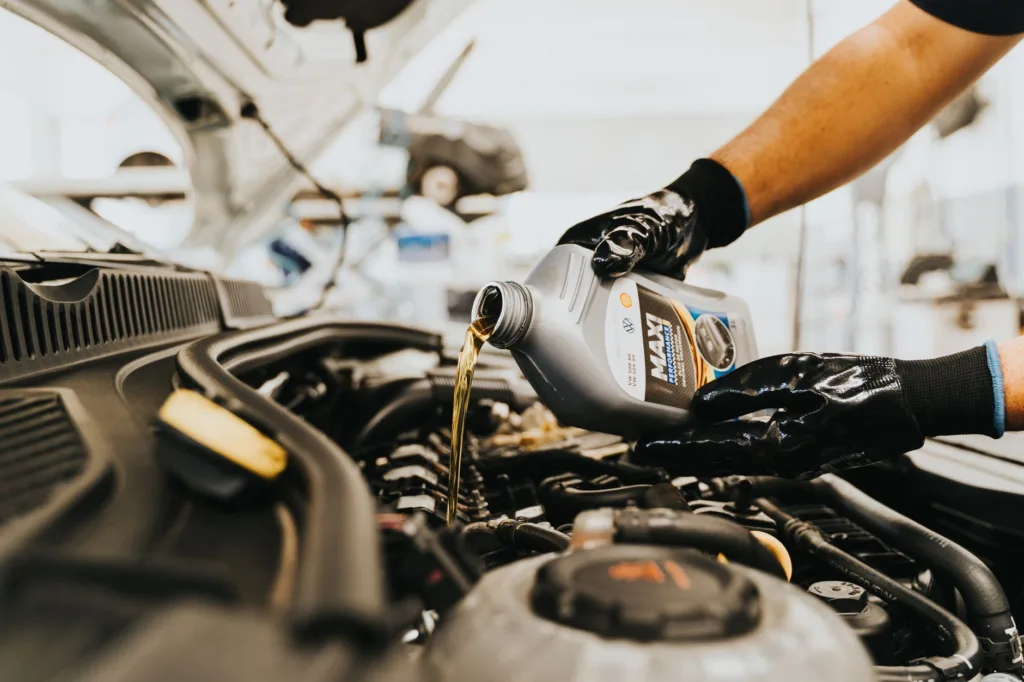
Skipping oil changes can shorten engine life, increase wear, and eventually lead to expensive repairs. In the short term, the car may seem fine. Over time, though, old oil loses its ability to lubricate, cool, and clean the engine, which can allow sludge, heat buildup, and metal wear to develop inside critical parts.
How serious the damage becomes depends on how long the oil was overdue, the type of engine, the oil quality, and the driving conditions. A few hundred miles past the interval is usually far less concerning than running thousands of miles overdue. But if oil changes are ignored for a long time, the risk of engine noise, poor performance, warning lights, and internal damage rises sharply.
This guide explains what happens when oil changes are skipped, what signs to watch for, how modern engines respond, and how to avoid costly mistakes.
Why Oil Changes Matter
Engine oil does much more than reduce friction. It also helps remove heat, carry away contaminants, and protect moving parts from direct metal contact. Inside an engine, parts such as pistons, camshafts, lifters, bearings, and timing components rely on a thin film of clean oil to operate properly.
Over time, oil breaks down. Heat, combustion byproducts, moisture, fuel dilution, and dirt all reduce its effectiveness. Even if the oil level stays full, the oil can still become dirty and less protective. That is why changing the oil at the right interval matters, not just topping it off.
What Happens If You Skip Oil Changes?
When you skip oil changes, the oil gradually becomes less able to protect the engine. At first, the effect may be small and hard to notice. As the oil ages, it can thicken, thin out, or pick up sludge and debris. That creates more friction and heat, which accelerates wear.
The most common result is increased engine wear. The more serious outcomes include clogged oil passages, dirty engine components, low oil pressure, overheating, and in severe cases, engine failure. The damage usually does not happen all at once. It builds slowly, often without obvious symptoms until the problem is advanced.
Short-Term Effects of Skipping Oil Changes
If you are only a little overdue, the engine may still run normally. But the oil’s protective qualities are already starting to decline. Common short-term effects include:
- Rougher engine operation
- Slightly louder engine noise
- Reduced fuel economy in some cases
- More heat inside the engine
- Faster buildup of grime and contaminants
These symptoms may be subtle. Many drivers do not notice them until they compare how the car ran when the oil was fresh.
Long-Term Effects of Skipping Oil Changes
The longer oil changes are ignored, the greater the risk of serious damage. Long-term effects can include:
- Sludge buildup inside the engine
- Sticky or worn valve train components
- Accelerated bearing wear
- Oil starvation in parts of the engine
- Timing chain or tensioner wear
- Overheating and internal scoring
At this stage, repairs can become costly. In some engines, especially modern designs with tight tolerances, neglect can lead to major mechanical failure rather than a simple maintenance issue.
How Old Oil Damages an Engine
Engine oil degrades in several ways. Understanding those changes makes it easier to see why oil changes matter even when the oil level looks normal.
1. Oil Loses Lubrication Quality
The main job of oil is to create a protective film between moving parts. As oil ages, it can shear down, oxidize, or become contaminated. That reduces the strength of the film, allowing more metal-to-metal contact under load.
2. Dirt and Combustion Byproducts Build Up
Oil carries soot, tiny metal particles, and combustion residue. The filter catches some debris, but it cannot remove everything. Once the oil becomes overloaded, contaminants can circulate through the engine and act like fine abrasive material.
3. Heat Breaks Oil Down
High engine temperatures cause oil to oxidize. Oxidation thickens the oil and can form varnish or sludge. Engines that do a lot of stop-and-go driving, towing, or short trips often face more heat stress than vehicles used on long highway drives.
4. Moisture and Fuel Contamination Cause Problems
Short trips are especially hard on oil because the engine may not get hot enough to fully burn off moisture and fuel vapors. Over time, that contamination can reduce oil quality and contribute to sludge formation.
Signs Your Oil Change Is Overdue
If you are not sure whether it is time for an oil change, look for these common warning signs. Not every engine will show all of them.
- Oil change reminder light or maintenance message
- Dark, dirty-looking oil on the dipstick
- Louder engine ticking or tapping
- Burning oil smell
- Lower oil level than expected
- Rough idle or reduced smoothness
- Check engine light in some cases
Dark oil alone does not always mean the oil is bad, because oil naturally gets darker as it picks up contaminants. Still, if it is very thick, gritty, or smells burnt, it is worth having it changed soon.
How Long Can You Really Go Without an Oil Change?
The answer depends on the vehicle and driving conditions. Some modern engines using full synthetic oil can go longer between services than older vehicles with conventional oil. But the safest answer is always to follow the manufacturer’s schedule for your specific car.
That said, the conditions below usually shorten oil life:
- Frequent short trips
- Stop-and-go city driving
- Towing or hauling heavy loads
- Driving in very hot or very cold weather
- Dusty or dirty environments
- Extended idling
- Performance driving
If your driving falls into one or more of these categories, your oil may need to be changed sooner than the standard interval. Many manufacturers describe this as severe service, which does not mean dangerous driving. It simply means conditions that are harder on the oil and engine.
Common Oil Change Intervals Compared
The exact interval depends on the vehicle, oil type, and driving pattern. The table below gives a general comparison only. Always check the owner’s manual for the correct interval.
| Oil Type or Use | Typical Interval Range | Notes |
|---|---|---|
| Conventional oil | About 3,000 to 5,000 miles | Older guidance, but many engines still need shorter intervals |
| Synthetic blend | About 5,000 to 7,500 miles | Varies widely by vehicle and driving conditions |
| Full synthetic oil | About 7,500 to 10,000 miles or more | Some engines allow longer intervals, but not all |
| Severe service driving | Often shorter than normal intervals | Short trips, towing, dust, and heat can shorten oil life |
These ranges are broad on purpose. Some engines need more frequent service, while others are designed for longer intervals. The manual and oil-life monitor, if equipped, should guide your decision.
What Happens Inside the Engine When Oil Is Neglected?
Inside the engine, oil travels through narrow passages to lubricate critical parts. When oil breaks down or becomes contaminated, several things can happen at once.
Increased Friction
Poor lubrication means parts rub together more than they should. That creates heat and wear. Over time, bearings and cam surfaces can suffer damage.
Sludge and Varnish
Sludge is thick, tar-like buildup formed when oil degrades and contaminants collect. Varnish is a sticky coating that can form on internal parts. Both can interfere with oil flow and component movement.
Oil Passage Restrictions
If sludge or debris blocks oil passages, some engine parts may not receive enough lubrication. That can lead to accelerated wear or even sudden failure in severe cases.
Timing System Problems
Many modern engines use timing chains, variable valve timing systems, and hydraulic tensioners that depend on clean oil. Dirty or degraded oil can affect how these systems operate, sometimes causing rattling noises, poor performance, or timing-related fault codes.
How Modern Engines Change the Risk
Modern engines are built with tighter tolerances and advanced oiling systems, which can improve efficiency and durability. But they can also be less forgiving of poor maintenance. Turbocharged engines, for example, often run hotter and place extra stress on oil.
Direct-injection engines can also be more sensitive to maintenance habits. While oil change neglect is not the only factor involved in long-term wear, clean oil remains important for keeping the engine healthy.
Some newer vehicles use oil-life monitoring systems that estimate when service is needed based on driving conditions. These systems are useful, but they are not a substitute for checking the oil level and following the manufacturer’s recommendations.
What If You Only Skip One Oil Change?
Skipping one oil change is not ideal, but it does not automatically mean your engine is damaged. If the oil is only moderately overdue, many vehicles will still be fine after service is performed. The key issue is how far overdue the car is and whether the engine has been operated under tough conditions.
If you realize you missed a change by a little, schedule service as soon as possible and keep an eye on oil level and engine behavior. If the engine has been neglected for a long time, it may be wise to have a mechanic inspect it for leaks, sludge, or other signs of wear.
What If You Skip Oil Changes for Years?
This is where the risk rises sharply. If oil changes are ignored for a long period, the oil may no longer protect the engine effectively. Sludge can build up, oil pressure can suffer, and moving parts can wear much faster than normal.
In severe cases, symptoms may include:
- Knocking or ticking noises
- Excessive exhaust smoke
- Very low oil pressure warnings
- Engine overheating
- Metal particles in the oil
- Engine stalling or failure to run properly
At that point, the repair could involve engine cleaning, component replacement, or a full engine rebuild. The cost can be far higher than the price of regular maintenance.
Can You Just Add More Oil Instead of Changing It?
No. Adding oil helps correct a low level, but it does not replace old oil. Fresh oil mixed with contaminated oil still leaves you with degraded fluid in the crankcase. The filter also cannot remove every contaminant once the oil has been in service too long.
Think of oil changes as replacing the entire protective fluid, not simply topping off a tank. Topping off is useful between services, but it is not a substitute for draining the old oil and replacing the filter when needed.
Repair Costs Can Add Up Quickly
Regular oil changes are one of the least expensive maintenance tasks on a vehicle. Neglect, on the other hand, can lead to repairs that cost far more than routine service. While exact prices vary by vehicle and location, the difference is usually easy to understand:
- Routine oil change: usually a relatively modest maintenance cost
- Sludge cleaning or valve train work: significantly more expensive
- Timing component repair: can be costly on many engines
- Engine rebuild or replacement: among the most expensive repairs a car can need
The longer oil changes are ignored, the more likely small wear problems become larger mechanical problems. That is why maintenance is often cheaper than repair, especially with engines that are sensitive to oil condition.
Common Mistakes People Make
Many oil-related problems happen because owners misunderstand how maintenance works. These are some of the most common mistakes.
1. Relying Only on the Dashboard Reminder
Maintenance reminders are helpful, but they should not be the only thing you trust. If the vehicle is used in severe conditions, the oil may need attention sooner than the system expects.
2. Ignoring the Owner’s Manual
Different engines have different needs. One vehicle may require 5,000-mile service, while another can safely go longer. Guessing based on what another car needs is a mistake.
3. Waiting for Symptoms Before Changing Oil
By the time an engine sounds rough or smells burnt, wear may already be underway. Oil changes are preventive maintenance, not a response to visible damage.
4. Forgetting the Oil Filter
A dirty filter can reduce the overall effectiveness of fresh oil. Most oil changes should include a filter replacement unless the manufacturer specifies otherwise.
5. Using the Wrong Oil Viscosity
The wrong viscosity can affect cold starts, lubrication, and engine performance. Always use the grade specified by the vehicle manufacturer unless a qualified mechanic advises otherwise.
6. Assuming Low Mileage Means Clean Oil
Oil can still age with time, even if you do not drive much. Moisture and contamination can build up in cars that sit for long periods or are used only for short trips.
How To Tell If Your Oil Change Is Too Far Overdue
If you are trying to decide whether to drive to a shop immediately or schedule service soon, look at the full picture. Ask yourself these questions:
- How many miles past the interval am I?
- How long has it been since the last oil change?
- Has the engine been making unusual noise?
- Does the oil level look low?
- Has the vehicle been used for short trips, towing, or stop-and-go traffic?
If the car is only a little overdue and running normally, it is usually reasonable to schedule service soon. If it is very overdue, the oil looks filthy or low, or the engine sounds abnormal, it is better to address it right away.
Maintenance Tips To Avoid Problems
Good oil maintenance is straightforward once you build a habit. These practical steps help protect the engine over the long term.
- Check the owner’s manual for the correct oil type and interval.
- Track mileage and service dates after each oil change.
- Check the oil level regularly, especially before long trips.
- Use the correct oil filter and gasket procedures during service.
- Pay attention to warning lights and unusual engine noises.
- Consider shorter intervals if you drive in severe conditions.
- Do not ignore leaks, because low oil is as harmful as old oil.
If you maintain a simple log, it becomes much easier to know when the next service is due. That is especially helpful for households with multiple drivers or secondhand vehicles with incomplete service records.
What To Do If You Have Already Missed an Oil Change
If you realize the oil change is overdue, do not panic. The next steps depend on how far overdue it is and whether the car is showing symptoms.
- Check the oil level with the dipstick if your vehicle has one.
- Look at the oil condition for extreme thickness, grime, or a burnt smell.
- Schedule an oil change as soon as practical.
- Listen for unusual noises after service.
- Monitor warning lights and fluid levels over the next few days.
If the vehicle has major sludge, low oil pressure warnings, or obvious engine noise, it is smart to have a professional inspect it rather than assuming a simple oil change will solve everything.
FAQ
How bad is it to skip one oil change?
Usually not catastrophic, but it is not a good habit. If the engine is only slightly overdue, change the oil soon and move on with regular maintenance.
Can skipping oil changes ruin an engine?
Yes, over time it can. Old oil increases wear, buildup, and heat, which can eventually lead to serious engine damage.
Will my car tell me when the oil needs changing?
Some cars have maintenance reminders or oil-life monitors, but you should still check the owner’s manual and oil level yourself.
Does synthetic oil let me skip oil changes longer?
Synthetic oil often lasts longer than conventional oil, but the correct interval still depends on the vehicle and driving conditions.
Is dark oil always bad?
No. Oil naturally darkens as it works. But very thick, gritty, or burnt-smelling oil can be a sign it needs changing.
Can I just top off my oil instead of changing it?
No. Topping off helps maintain the level, but it does not replace degraded oil or remove contaminants.
What happens if I drive with no oil change for too long?
The engine may wear faster, run hotter, and eventually suffer sludge buildup, oil starvation, or major failure.
Should I be worried if my oil change is a few hundred miles late?
Usually not, but you should still get it done soon. The risk increases the longer you wait.
Conclusion
Skipping oil changes may not cause immediate trouble, but it gradually increases engine wear, heat, and contamination. In the short term, the car may seem fine. In the long term, neglected oil can lead to sludge, noisy operation, reduced performance, and expensive repairs.
The safest approach is simple. Follow the manufacturer’s service schedule, check the oil level regularly, and pay attention to driving conditions that shorten oil life. Regular oil changes are one of the most effective ways to protect the engine and avoid preventable problems.