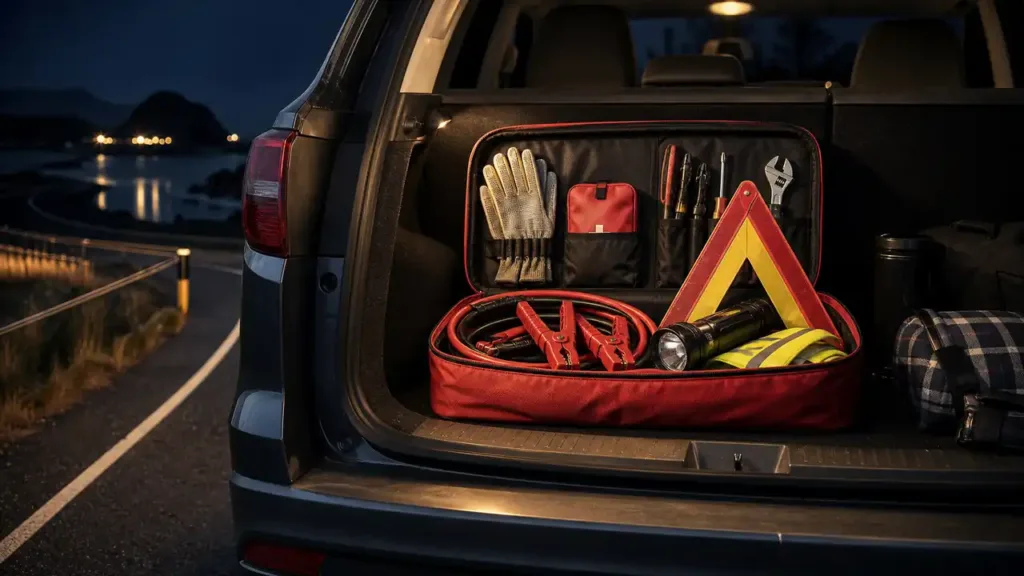
Few purchases feel more practical than a solid emergency roadside kit. When a tire goes soft on a rainy commute, the battery refuses to cooperate in a grocery store parking lot, or a winter squall turns the shoulder into a bad place to stand, the right kit changes the mood fast. Instead of scrambling for loose tools and hoping a stranger has a jumper cable, you reach for one bag and get moving again.
People often buy these kits with the wrong priorities. Some chase the biggest piece count and end up with a bag full of filler. Others grab the cheapest option and discover the cable gauge is flimsy or the flashlight feels like a toy. The smartest choice usually comes down to a few things that matter in real life: dependable jumper cables, a useful air compressor or jump starter, clear visibility gear, a sensible first aid setup, and a bag that keeps everything from turning into a rattletrap mess. Different drivers need different things, though. A commuter, a new driver, and a family road-tripper will not value the same features in the same way, which is why the best pick is not always the most expensive one.
The strongest all-around option in this group is the Everlit kit, because it blends the essentials with a thoughtful tool mix that feels ready for the kinds of headaches drivers actually face.
If you are short on time, the comparison table below gives a quick scan of the top options, and you can jump straight to any review that catches your eye.
Best Emergency Roadside Kit Comparison Table
| Product | Best For | Main Strength | Key Included Tools |
|---|---|---|---|
| Everlit Survival Car Emergency Kit | Best Overall | Most balanced emergency coverage | Air compressor, jumper cables, first aid, tow strap, safety tools |
| LIANXIN Roadside Assistance Emergency Kit | Best Budget Pick | Low-cost all-around starter kit | Jumper cables, tow rope, warning triangle, hammer, repair tools |
| General Medi 127-Pieces Roadside Car Emergency Kit | Best For Organization | Labeled storage and fast access | Jumper cables, tow rope, first aid, triangle, vest |
| Car Emergency Kit With Portable Air Compressor | Best For Simple Tire Coverage | Compressor plus emergency basics | Air compressor, jumper cables, first aid, triangle |
| VCANENERGY Jump Starter With Air Compressor | Best Premium Pick | Jump starter and inflator in one unit | Jump starter, air compressor, power bank, safety kit |
| AUTODECO Car Emergency Roadside Assistance Kit With Jumper Cables Tire Inflator | Best For New Drivers | Practical, compact, gift-friendly layout | Tire inflator, jumper cables, trunk bag |
| AUTODECO Car Roadside Emergency Kit | Best Compact Option | Very low-cost, easy-to-store basics | Compact tools, jumper cables, bag |
| Car Emergency Safety Kit Bag With Portable Air Compressor | Best Winter Kit | Large 170-item spread with snow gear | Digital compressor, ice scraper, snow brush, first aid, tools |
| Car Emergency Kit With Jumper Cables | Best Value Bundle | Strong basics in a tidy package | Jumper cables, vest, triangle, hammer, tow ropes, first aid |
For a closer read on how these kits differ, the reviews below spell out where each one shines and where it asks for a compromise.
1. Best Overall: Everlit Survival Car Emergency Kit
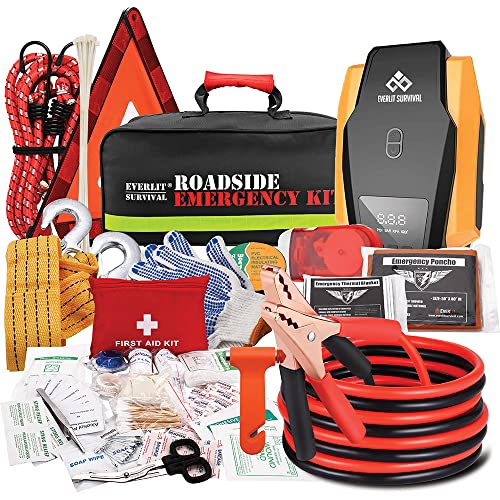
One reason this kit stands out so quickly is the way it feels assembled by someone who has actually been stuck on the side of a road. The mix is practical, and the balance is strong. You get a digital air compressor for a low tire that is only a little soft, 12-foot jumper cables that give you room to work, a 108-piece first aid set, and the usual safety pieces that matter when the shoulder is wet, dark, or busy. It reads less like a novelty bundle and more like a real trunk companion.
The details help it pull ahead. The tow strap, reflective warning triangle, glass breaker, seatbelt cutter, gloves, poncho, and space blanket all speak to the moments that feel messy and a little urgent. Picture a late-night flat in a parking garage or a roadside stop during a sudden downpour. This is the kind of kit that keeps the basics close without forcing you to hunt through loose parts. It also feels like a strong fit for family cars, commuting sedans, and newer drivers who need a broad safety net without building one piece by piece.
Pros
- Well-rounded mix of tools for battery, tire, and safety emergencies
- Digital compressor adds real convenience for topping off tires
- 12-foot jumper cables offer better reach than many compact kits
- Thoughtful extras like seatbelt cutter and glass breaker boost peace of mind
- Strong first aid selection makes it more useful beyond car trouble
Cons
- Not the lightest option if you want an ultra-minimal trunk kit
- Some buyers may not need every accessory in the bundle
- The compressor is useful, but it is still a 12V accessory, not a full-size shop unit
If you want one kit that covers the most common roadside headaches with very little guesswork, this is the safe, sensible pick. It is especially appealing for drivers who would rather buy once and be done than piece together a bag from scratch. To buy this product, click here.
2. Best Budget Pick: LIANXIN Roadside Assistance Emergency Kit

For buyers watching the wallet, this LIANXIN kit lands in a sweet spot. It does not try to be a luxury grab bag, and that is exactly why it works. The pieces lean toward the fundamentals, with jumper cables, a tow rope, a warning triangle, a safety hammer, and a compact repair tool box that keeps the little stuff from drifting around the trunk. If your idea of preparedness is a straightforward kit that handles the most likely problems, this one makes a convincing case.
The best part is the shape of the package. It is small enough to tuck into a backseat corner or spare tire compartment, which helps a lot if your trunk already carries sports gear, groceries, or a stroller. The included tools are spread across emergency and light repair duties, so it makes sense for first cars, student drivers, and households that want a budget-friendly backup. On a damp evening in February or during a hot roadside stop in July, that simple grab-and-go layout feels like a relief.
Pros
- Very approachable price point for a full starter setup
- Compact and easy to stash in tight spaces
- UL-certified jumper cables add confidence for battery emergencies
- Includes useful safety gear like triangle, hammer, and rain protection
- Good mix of road emergency and light repair tools
Cons
- Does not match premium kits for tool quality or breadth
- Best for basics, so power users may outgrow it quickly
- No built-in air compressor or jump starter
This is the kit for someone who wants credible protection without overpaying for extras that may never leave the bag. It is also a smart second-car or teen-driver option because it covers the scary stuff cleanly and keeps the learning curve low. To buy this product, click here.
3. Best For Organization: General Medi 127-Pieces Roadside Car Emergency Kit

The big charm of this General Medi kit is how neatly it behaves once you open it. Plenty of roadside kits feel like a loose junk drawer with a zipper. This one tries harder. The interior compartments are labeled, the parts sit in logical places, and that matters a lot when you are kneeling beside a tire with traffic humming past and your hands are a little clumsy from the cold. Fast access is a bigger deal than people think, and this bag understands that.
It also hits a nice middle ground on content. The 127-piece count sounds large, but the value is really in the everyday usefulness of the layout, the included mini first aid set, and the common emergency tools such as jumper cables, tow rope, safety vest, and triangle. It is a flexible pick for a commuter car, a family sedan, or a trunk that doubles as a catch-all for errands and weekend travel. If your road kit needs to feel tidy instead of bulky, this one earns its place.
Pros
- Labeled organization makes items easier to find in a hurry
- Useful mix of emergency and roadside essentials
- Good fit for home, car, and travel storage
- Compact enough for regular trunk carry
- Feels practical for drivers who dislike clutter
Cons
- Does not include a compressor or jump starter
- Some items are utility-focused rather than heavy-duty
- Best for organization and convenience, not maximum power tools
If your biggest frustration with emergency gear is digging around for the one thing you need, this kit fixes that problem better than most. It is a solid choice for people who value structure, speed, and a bag that stays civilized after months in the trunk. To buy this product, click here.
4. Best For Simple Tire Coverage: Car Emergency Kit With Portable Air Compressor

This kit earns attention because it lands right on a pain point that every driver understands: tire trouble. The portable air compressor is the headline feature, and in real use that is the part that changes the mood fastest. A tire that looks a little sad in the driveway can become a real problem by lunchtime, and having a built-in inflator means you do not have to roll the dice on a gas station pump or wait for roadside help over something minor.
The rest of the package stays sensible. You still get jumper cables, a first aid kit, and a reflective triangle, so the kit is not leaning on one feature alone. It feels especially useful for drivers who want a balance between everyday practicality and a little extra winter-and-summer confidence. Think of the parent whose car is always carrying school bags and soccer gear, or the commuter who wants something more serious than a bare-bones pouch. It is a straightforward, dependable middleweight.
Pros
- Portable compressor adds major convenience for tire maintenance
- Includes the basics most drivers actually use
- Good all-season fit for commuting and family use
- Compact enough for trunk storage without becoming a headache
- Balanced emergency coverage without overloading the bag
Cons
- Not as feature-rich as the most complete premium kits
- No jump starter, so battery failures still need cables or help
- Tool depth is more practical than extensive
Choose this if your main worry is tire upkeep and you still want the basic roadside backup that keeps a bad day from getting worse. It is especially appealing for drivers who like the idea of one useful inflator built into a broader emergency kit. To buy this product, click here.
5. Best Premium Pick: VCANENERGY Jump Starter With Air Compressor

This VCANENERGY unit is the flashy one, and for good reason. It compresses two of the most useful emergency tools into a single device, which feels wonderfully modern when your battery dies in a supermarket lot and your tire also needs attention later in the week. The 8000mAh jump starter gives you a direct way to revive a dead battery on smaller gas engines, while the 150 PSI compressor handles inflation without forcing you to carry a separate bulky pump. That combo can save a lot of trunk space and a lot of frustration.
It also feels well suited to drivers who want premium convenience rather than a giant bag of loose pieces. The built-in LED work light, power bank function, safety protections, and screen readout make it the kind of tool you can hand to a more self-reliant driver without a long lecture. A snow-dusted morning, a flat bike tire before school, a phone at 8 percent, this kit has a knack for those annoying little moments that pile up into one big headache. It is the most self-contained option in the roundup, and that is a strong advantage.
Pros
- Jump starter and compressor in one compact device
- Useful as a power bank for phones and USB devices
- Built-in safety protections are reassuring for newer users
- LED work light adds visibility during roadside stops
- Great for drivers who want fewer separate gadgets
Cons
- Higher cost than standard kit-based options
- Best for smaller gas engines, so it is not universal
- Less old-school roadside gear than full bag kits
If you want the smartest blend of power, portability, and convenience, this is the premium pick to beat. It makes the most sense for drivers who prefer a compact rescue tool over a larger emergency bag and who do not mind paying more for that efficiency. To buy this product, click here.
6. Best For New Drivers: AUTODECO Car Emergency Roadside Assistance Kit With Jumper Cables Tire Inflator

This AUTODECO kit is appealing because it keeps the concept easy to understand. Jumper cables plus a tire inflator cover the two emergencies that make people panic fastest, and that simple focus is perfect for newer drivers. There is something comforting about a kit that does not look intimidating the first time you unzip it. If someone in the family is just getting comfortable behind the wheel, this kind of clean setup can feel much more approachable than a giant bucket of mixed parts.
It also looks like a gift that would actually get used. The bag is compact, the contents are easy to stash, and the reinforced cable build adds a bit of confidence in cold weather. Think of a college student heading back to campus, or a teen driver who needs a trunk kit that is useful but not overcomplicated. It is not trying to be the most loaded package on the list. Instead, it tries to be the one that will be opened quickly, understood quickly, and kept in the car because it is easy to live with.
Pros
- Simple, beginner-friendly mix of the most common roadside needs
- Compact storage makes it easy to keep in the trunk
- Good gift choice for new or younger drivers
- Useful tire inflator adds everyday practicality
- Lightweight design does not take over cargo space
Cons
- Not the most feature-rich emergency package
- May feel too basic for experienced drivers wanting more tools
- Lacks the depth of larger survival-focused kits
If you are shopping for a first-car solution, this hits a nice balance of simplicity and usefulness. It handles the two big panic points without feeling cluttered, which makes it a very sensible choice for less experienced drivers. To buy this product, click here.
7. Best Compact Option: AUTODECO Car Roadside Emergency Kit

This is the kind of kit people buy when they want the trunk to stay tidy and the budget to stay happy. It is compact, easy to tuck away, and built around the idea that a basic emergency kit should be there when needed without becoming a permanent annoyance. That matters more than it sounds. A lot of emergency gear gets ignored because it is too bulky or too messy to keep around, and this one avoids that trap nicely.
The low cost also makes it a sensible second-car buy or a starter kit for a young driver. It is not trying to impersonate a roadside service truck. Instead, it offers a clean little safety net with decent material choices in the cable run and a layout that should feel manageable for almost anyone. Imagine a used hatchback with very little spare space or a family car already stuffed with daily life. This is the kit that disappears into the corner and waits patiently for the one day you are glad it is there.
Pros
- Very affordable way to add roadside basics
- Compact form keeps storage simple
- Good for small cars with limited trunk room
- Useful gift for teens or first-time owners
- Easy to keep on hand without clutter
Cons
- More limited than larger emergency packs
- Best for small vehicles rather than heavier-duty use
- No compressor or advanced rescue tools
If your main goal is a no-drama kit that covers the basics and stays out of the way, this one does the job well. It is the sort of purchase that feels modest now and smarter later when the trunk light is on and the weather has turned ugly. To buy this product, click here.
8. Best Winter Kit: Car Emergency Safety Kit Bag With Portable Air Compressor

This is the kit for drivers who treat winter like a serious business, because the contents lean into cold-weather realities in a satisfying way. The snow brush, ice scraper, and digital air compressor are the obvious stars, but the larger 170-item count suggests a very broad emergency spread. That breadth matters when you are dealing with salt, slush, frozen glass, and a tire that does not care about your schedule. The digital inflator with auto shutoff is especially handy because it reduces the little anxiety spike that comes from trying to guess the right PSI in a freezing parking lot.
It also brings a hefty first aid package and useful shop-style extras, which makes it attractive for families and long-distance commuters who want a more complete travel tool chest. Picture the pre-dawn school run in January, when the windshield looks like a frosted cake and everyone is moving too slowly. Or a highway pull-off after a storm, when visibility is poor and you need bright, organized tools fast. This kit feels built for those moments more than the average fair-weather bundle does.
Pros
- Strong winter-specific gear with snow brush and ice scraper
- Digital compressor adds easy tire inflation control
- Large emergency spread gives broad roadside coverage
- Good first aid depth for family use
- Handy for drivers in cold or snowy regions
Cons
- Heavier and more expensive than basic kits
- More gear than some drivers will actually need
- Best value depends on real winter driving use
If snow, ice, and freezing mornings are part of your regular life, this is one of the strongest choices here. It leans into winter readiness with enough general emergency support to feel genuinely useful the rest of the year too. To buy this product, click here.
9. Best Value Bundle: Car Emergency Kit With Jumper Cables

This bundle has the feel of a very sensible middle lane. It is priced to stay accessible, yet it includes the kind of gear that actually matters at the roadside: jumper cables, a warning triangle, a hi-visibility vest, towing ropes, a safety hammer, flashing light, gloves, a tire pressure gauge, and a first aid kit with the usual small lifesavers tucked inside. That combination makes it easy to recommend to drivers who want more than bare bones without stepping into premium territory.
It is also a strong fit for families and mixed-driver households because the package covers a lot of situations without becoming fussy. A flat battery in the morning, a minor roadside stop after dark, or a long trip where you want a little extra readiness, this kit keeps showing up as the practical answer. The storage bag is tidy, the bundle is compact, and the overall feeling is one of steady preparedness rather than flashy gadgetry. That kind of confidence matters when the shoulder is windy and the clock is ticking.
Pros
- Good spread of safety essentials for the price
- Includes visibility gear, cables, and emergency tools
- Compact storage is easy to manage in most trunks
- Useful for beginners, commuters, and family cars
- Feels like a strong everyday roadside backup
Cons
- No compressor or jump starter
- Not as premium in tool depth as higher-end kits
- Best for practical coverage rather than advanced capability
This is the one to choose if you want a tidy bundle that covers the key roadside gaps without making a big financial leap. It lands in a sweet spot for households that want decent preparedness and simple storage at the same time. To buy this product, click here.
How To Choose The Right Best Emergency Roadside Kit
Start With The Emergencies You Actually Face
The smartest roadside kit is the one that fits your driving life. If your commute is mostly suburban and your main fear is a dead battery or a low tire, a compact kit with jumper cables and a compressor may be enough. If you drive older vehicles, travel in winter, or regularly head into remote areas, the case for a fuller kit gets stronger fast. A good match saves money and space, which is exactly what a trunk tool should do.
Check The Battery And Tire Tools First
For many drivers, the real heroes are jumper cables and inflation gear. Cable length, wire gauge, clamp quality, and whether the kit includes a portable compressor or a jump starter matter more than the flashy extras. A cable set that is too short can be maddening in a tight parking situation, and a weak inflator can turn a quick fix into a slow headache. If those two pieces are solid, the rest of the kit becomes much more useful.
Look For Visibility And Safety Gear
Reflective triangles, safety vests, flashlights, rain protection, and gloves sound basic, but they make a roadside stop safer and calmer. Anyone who has stood on a dark shoulder knows how fast a simple situation can feel sharp-edged. Gear that helps other drivers see you, and helps you avoid getting dirty or cold while working, earns its place very quickly. The best kits treat these items as essentials, not filler.
Do Not Ignore First Aid Quality
First aid supplies can be the difference between a small scrape staying small and a bigger mess becoming worse. Bandages, antiseptic wipes, gloves, tweezers, and a blanket are all worth having. A large piece count looks nice, but a well-chosen first aid section is more valuable than a random pile of extras. If you drive with kids, older relatives, or coworkers, this part of the kit matters even more.
Balance Portability Against Completeness
Big kits usually cover more, but they can become awkward if they are too heavy or too scattered. Smaller kits are easier to keep in the car, yet they may leave gaps. The sweet spot depends on how much trunk space you can spare and how often you are willing to trade convenience for coverage. If a kit is annoying to store, it often gets ignored, and that defeats the whole point.
Think About Weather And Travel Habits
Drivers in snowy regions need different gear than drivers in mild climates. Snow brushes, ice scrapers, blankets, and tougher cable insulation matter a lot more once temperatures fall. Frequent road-trippers may also want more repair tools and a sturdier bag because the kit will be handled more often. A few minutes spent matching the kit to your climate and mileage can save a lot of frustration later.
Avoid The Common Buying Traps
The most common mistake is buying the biggest-looking bundle without checking whether the important parts are actually useful. Another trap is focusing too much on price and ending up with a kit that is easy to ignore or hard to trust. The better approach is simple: pick the kit that covers your most likely roadside issues, stores cleanly, and gives you gear you would feel fine using in bad weather and low light.
Best Emergency Roadside Kit FAQ
What Should A Good Emergency Roadside Kit Include?
A strong kit usually includes jumper cables, a flashlight, a warning triangle or reflective vest, basic first aid items, gloves, and some form of tire help such as a compressor or inflator. A tow rope, safety hammer, and seatbelt cutter are also useful additions. The exact mix depends on how much space you have and how self-sufficient you want to be.
Is A Jump Starter Better Than Jumper Cables?
For some drivers, yes. A jump starter is more self-contained and does not require another vehicle, which makes it very convenient. Jumper cables are still valuable because they are simple, durable, and usually part of a more complete roadside kit. If you drive alone often, a jump starter can be a smart upgrade.
Do I Need An Air Compressor In My Roadside Kit?
If you want to handle slow leaks, low tires, or seasonal pressure drops without hunting for a gas station pump, an air compressor is a very helpful feature. It is especially handy in winter, when tire pressure tends to fall. For drivers who want a more compact setup, jumper cables and safety gear may be enough, but an inflator adds real convenience.
How Important Is Cable Length And Gauge?
Very important. Longer cables give you more flexibility when cars are parked awkwardly, and a stronger gauge generally means better durability and performance. Thin, short cables can work in a pinch, but they are less forgiving in real-world use. For a roadside kit, this is one of the first spec checks worth making.
Are Larger Piece Counts Always Better?
No. A huge piece count can be impressive on paper, but the value depends on what the pieces actually are. A kit with a compressor, solid cables, and good visibility gear can be far more useful than a larger kit packed with tiny extras. The best choice is the one that solves real problems without becoming clutter.
Should New Drivers Get A Different Kit?
New drivers usually benefit from a simpler kit that is easy to understand and easy to store. Clear labeling, compact organization, and straightforward tools are helpful because they lower stress during the first roadside hiccup. That is why beginner-friendly kits and tidy bundles often make the most sense for teens and first-car owners.
How Often Should I Check My Kit?
A quick check every few months is smart. Make sure the flashlight works, the compressor still powers on, and the first aid items are intact. It is also wise to inspect jumper cables for wear and confirm that anything battery-powered is charged. A kit only helps if it is ready when the trunk lid opens.
Final Verdict
The Everlit Survival Car Emergency Kit takes the top spot because it covers the widest range of roadside headaches without feeling sloppy or gimmicky. It brings together the essentials that matter most, including a compressor, jumper cables, first aid, and practical rescue tools, which makes it easy to trust for daily driving, family trips, and unpredictable weather. If you want one kit that feels well thought out from top to bottom, this is the one most people should start with.
For shoppers working to a tighter budget, the LIANXIN kit and the AUTODECO compact option keep things affordable and sensible, while VCANENERGY is the premium choice for drivers who want a jump starter and inflator in one compact device. The best emergency roadside kit for you is the one that matches your car, your climate, and how much help you want to have on hand before trouble starts. Pick the kit you are most likely to keep in the car, because the best roadside gear is the kind that is already there when the shoulder lights up and the day gets weird.