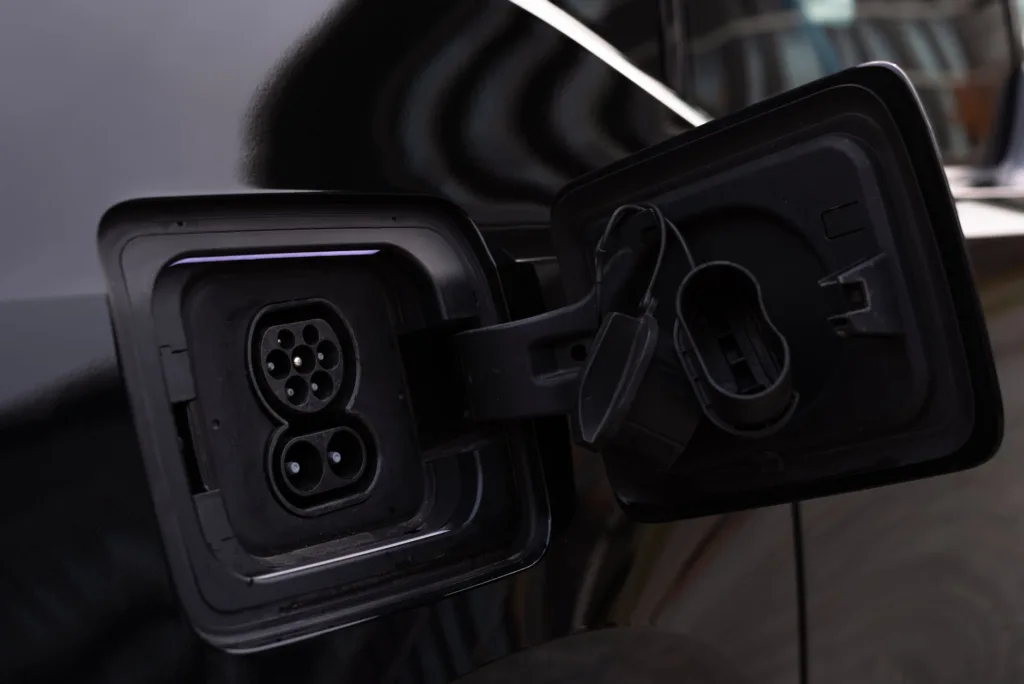
Picture this: you pull into the driveway after a late trip, your EV battery is low, and the only practical power source near the parking spot is that familiar 50-amp RV outlet. It sounds simple. Plug in and charge. But that is exactly where plenty of buyers get tripped up. They grab a cheap receptacle meant for occasional RV use, or an adapter that looks close enough, then wonder why the setup feels loose, runs hot, or just does not inspire confidence during a long overnight charge.
That is why shoppers look for the best EV charger for RV outlet setups in the first place. They want a safer, cleaner, more dependable way to use a NEMA 14-50 connection for Level 2 charging at home, at an RV pad, in a detached garage, or beside a barn where a full hardwired station may be overkill. The biggest mistake is treating every 14-50 product like it is the same. It is not. Some are true EV-grade receptacles built for repeated plugging and long charging sessions. Others are weatherproof outlet boxes that make more sense outdoors. A few are adapter or extension solutions that fill a very specific gap, but only if your outlet type actually matches.
What matters most comes down to the basics that people feel in real use: proper plug compatibility, durable contacts, weather protection, enough interior space for heavy cords, and a build that can handle repeated insertions without getting sketchy over time. Different buyers also have different priorities. One person needs a lockable outdoor box at an RV pad. Another wants a simple heavy-duty receptacle in a garage. Another needs extra reach from an existing pedestal. For most readers, the strongest all-around pick here is the Suplevel outlet box because it blends EV-focused socket design, outdoor readiness, and installation-friendly details in a way that feels especially well sorted.
If you want the fast version first, the quick picks and comparison table below make it easy to narrow the field.
Quick Picks
- Best Overall: Suplevel 50 Amp NEMA 14-50R Outlet Box for EV Charging and RV Power
- Best Budget Pick: RVGUARD 50 Amp RV/EV Power Outlet Box
- Best Premium Option: POWGRN 25FT 50 Amp RV/EV Extension Cord
- Best Value Choice: 50 Amp EV/RV Power Outlet Box with NEMA 3R Enclosure
Best EV Charger For RV Outlet Comparison Table
| Product | Best For | Main Strength | Type |
|---|---|---|---|
| Suplevel 50 Amp NEMA 14-50R Outlet Box | Best Overall | EV-grade outlet in a lockable weatherproof box | Outdoor outlet box |
| RVGUARD 50 Amp RV/EV Power Outlet Box | Best Budget Pick | Low-cost lockable weatherproof setup | Outdoor outlet box |
| 50 Amp EV/RV Power Outlet Box | Best Value Choice | Strong certifications and wide wire compatibility | Outdoor outlet box |
| Leviton 50 Amp EV Charging Receptacle | Best For Indoor Garage Install | Established EV-specific receptacle design | Receptacle only |
| POWGRN 25FT 50 Amp RV/EV Extension Cord | Best Premium Option | Long reach with flexible heavy-duty cable | Extension cord |
| 50 Amp 125/250 Volt EV Power Outlet Box | Best For Anti-Theft Security | Lockable metal enclosure with roomy interior | Outdoor outlet box |
| POWAWINI 50 Amp RV Power Outlet Box | Best For Easy Outdoor Access | Deep cover space and one-handed operation | Outdoor outlet box |
| EPLESFTON 50 Amp EV Charging Receptacle | Best Receptacle Upgrade | Industrial-grade outlet with wall plate included | Receptacle only |
| Nilight EV Charger Adapter Cord | Best For Welder Outlet Conversion | Turns a 6-50 outlet into 14-50 access for EV charging | Adapter cord |
For a closer look at how these nine options differ in real garages, driveways, and RV pads, the detailed reviews below sort out the best fit for each kind of buyer.
1. Best Overall: Suplevel 50 Amp NEMA 14-50R Outlet Box for EV Charging and RV Power

One reason this option stands out is that it actually sounds like it was built with EV charging in mind instead of being a generic RV box pressed into EV duty. That matters more than it seems. A Level 2 charging session can sit there humming for hours while the cable hangs with its full weight on the receptacle, and that repeated stress is where weaker outlet setups start feeling flimsy. Suplevel calls out an EV-grade 14-50 outlet, self-grounding design, and compatibility with heavier copper wire ranges, which gives this box a stronger buyer-intent match than many plain RV-only alternatives.
The box itself also checks the practical boxes people notice on day one. It is lockable, weatherproof, roomy enough for a large 50-amp plug handle, and built so the door can close while connected. That last detail sounds small until you are outside in drizzle, trying to keep everything tidy instead of leaving the cover flapping open. If you are setting up a driveway charging point, a side-yard pedestal, or an RV pad that doubles as EV charging space, this model feels balanced and genuinely usable.
Pros
- EV-grade 14-50 outlet built for long charging sessions and frequent insertions
- Lockable weatherproof enclosure works well indoors or outdoors
- Good wire compatibility for heavier-gauge copper conductors
- Spacious design fits bulky 50-amp plugs and heavy cords more comfortably
- ETL-certified outlet and box add confidence for high-load use
Cons
- Costs a little more than basic budget outlet boxes
- Still requires proper installation and torque settings to perform as intended
- Overkill if you only need a simple indoor receptacle replacement
This is the pick for buyers who want one product that covers the most common real-world needs without feeling cheap or half-baked. It suits outdoor charging, mixed RV and EV use, and homeowners who want a plug-in charging setup instead of a hardwired wall charger. If your setup is fully indoors and protected, a standalone receptacle may be more economical. Still, for the broadest group of shoppers, this is the one I would trust first because it blends durability, safety-focused construction, and day-to-day convenience especially well.
To buy this product, click here.
2. Best Budget Pick: RVGUARD 50 Amp RV/EV Power Outlet Box

For buyers who want a functional outdoor 14-50 setup without spending much, RVGUARD makes a strong case. This is one of those products that keeps the pitch straightforward. You get a lockable weatherproof metal box, enough room to shut the lid with a plugged-in cord, and removable knockout panels that simplify conduit decisions. If your goal is to add a charging outlet near a driveway, workshop, or parking pad on a reasonable budget, that simplicity can be exactly what you want.
There is also a familiar practicality here that works well for RV owners crossing into EV charging. Lots of people already know RVGUARD from shore power gear, and this box feels like a natural bridge product for mixed use. Picture a household with an electric SUV parked beside a travel trailer. One day the outlet powers a camper. The next day it tops off the car overnight. That kind of flexibility is the main appeal, especially if you do not need every last premium touch.
Pros
- Affordable path into a lockable 50-amp outdoor outlet setup
- ETL-listed receptacle for added peace of mind
- Metal weatherproof enclosure with powder coating holds up better than bargain plastic
- Enough interior room for large plug handles
- Pre-drilled removable panels make installation less annoying
Cons
- Less EV-specific in its feature emphasis than top-tier outlet boxes
- Basic overall construction compared with more premium picks
- Lock included, but security hardware may feel utilitarian rather than upscale
This is a smart buy for cost-conscious shoppers who still want a proper enclosure instead of a bare receptacle on the wall. It fits outdoor installs where value matters more than premium refinement. Buyers chasing the best EV-specific contact durability or heavier-duty materials may want to move up to Suplevel or the NEMA 3R unit below. For a lot of households, though, this box gets the job done with a refreshingly low barrier to entry.
To buy this product, click here.
3. Best Value Choice: 50 Amp EV/RV Power Outlet Box

This model earns a place near the top because it brings together the specs many cautious buyers want to see before committing to a long-term charging point. The combination of an ETL-listed complete unit, a UL-certified receptacle, EV-grade design, flame-retardant materials, and a NEMA 3R enclosure gives it a reassuringly serious feel. If you are the type who reads the wiring range, checks the temperature range, and wants the color-coded terminals to be crystal clear before the electrician arrives, this one speaks your language.
In real use, that translates into a box that feels suited for harsh outdoor placement. Think snow dusting the cover in January, blazing afternoon heat in July, or a dusty side-yard where the charger lives year-round. The spacious interior and wire compatibility from #8 to #4 AWG also make it attractive for people building a more permanent charging point rather than a temporary hook-up. It is a little like buying the sturdier boots instead of the cheaper pair that squeaks by one season.
Pros
- Strong certification story with both ETL-listed unit and UL-certified receptacle
- EV-grade receptacle built for frequent charging cycles
- NEMA 3R weatherproof metal enclosure for serious outdoor use
- Wide copper wire compatibility and clear terminal markings
- Good balance of price, build quality, and installation flexibility
Cons
- Brand recognition is lower than Leviton or RVGUARD
- More robust construction can be more than some casual users need
- Installation still benefits from a careful, experienced hand
This is a strong fit for buyers who want a durable outdoor box that feels a step above entry-level without creeping too far into premium territory. It is especially good for permanent driveway or pad installations where weather and repeated charging are part of weekly life. If your charger will live indoors, a simpler receptacle may save money. For outdoor EV charging from an RV-style outlet, though, this one hits a sweet spot that is hard to ignore.
To buy this product, click here.
4. Best For Indoor Garage Install: Leviton 50 Amp EV Charging Receptacle

If your charging setup is inside a garage and you already have, or plan to add, a suitable electrical box and cover, Leviton is one of the cleanest, most confidence-inspiring choices here. This is a standalone EV charging receptacle rather than a full enclosure, and that is exactly why some buyers will prefer it. There is no extra metal cabinet to deal with, no bigger outdoor housing than you need. Just a heavy-duty 14-50R receptacle from a brand many electricians know by name.
The key advantage is its EV-specific focus. Leviton says this outlet is built to handle the extended charge times and frequent insertions plug-in EV chargers demand, and that is a major distinction from generic 14-50 devices. In a garage, where the charger clicks in and out over and over while the tires crunch over the same dusty concrete spot, that repeated routine is the whole story. This receptacle makes the most sense for homeowners who want a plug-in Level 2 setup with dependable hardware from a familiar manufacturer.
Pros
- Made specifically for plug-in EV charging applications
- Well-known electrical brand with strong buyer trust
- Heavy-duty high-impact nylon construction
- Pressure-wire terminal design supports solid conductor contact
- Great choice for clean indoor garage installations
Cons
- No weatherproof enclosure included
- Less suitable for exposed outdoor installs unless paired with the right cover and box
- Can cost more than off-brand receptacles without including a full housing
Buy this if you want a reputable EV-specific receptacle and your install location is already protected. It is ideal for garages, workshops, and interior wall setups where a bare receptacle is the right answer. Skip it if you need a complete outdoor-ready box right out of the package. Against cheaper receptacles, Leviton just feels like the safer long-haul choice for daily EV charging.
To buy this product, click here.
5. Best Premium Option: POWGRN NEMA 14-50P to NEMA 14-50R 25FT 50 Amp RV/EV Extension Cord

If your RV outlet is in the wrong spot, a better receptacle will not fix the problem. That is where this heavy-duty extension cord becomes genuinely useful. Maybe the pedestal sits ten feet too far from the parking area, or maybe you back in one night and the charger cable comes up frustratingly short, stretched across gravel like a tripwire. A 25-foot, 50-amp extension solution can rescue those awkward layouts without forcing you to rewire the property immediately.
POWGRN gives this cord some premium touches that matter in real life. The cable is ETL listed, uses pure copper conductors, includes insulated grip handles, and is built to stay flexible in very cold weather. Anyone who has fought a stiff power cord on a freezing morning knows how big a deal that can be. It is also weather-resistant and portable enough to coil and store after use. Just keep perspective. This is an extension cord, not a replacement for a better permanent installation if your site truly needs one.
Pros
- Excellent solution for adding reach from an existing NEMA 14-50 outlet
- 25-foot length helps with awkward parking or pedestal placement
- Pure copper construction and ETL listing add confidence
- Flexible jacket remains usable in very cold conditions
- Grip handles make plugging and unplugging easier and safer
Cons
- More expensive than receptacles or outlet boxes
- Best used as a targeted solution, not as a lazy substitute for better layout planning
- Must be fully uncoiled and handled carefully during high-load use
This is the premium pick for buyers solving a reach problem rather than a receptacle problem. It is especially handy for shared spaces, temporary parking arrangements, and properties where relocating the outlet would be costly. If your charger already reaches comfortably, skip the extra cable. But if you have ever parked inches from the garage wall and still come up short, this cord feels like sweet relief.
To buy this product, click here.
6. Best For Anti-Theft Security: 50 Amp 125/250 Volt EV Power Outlet Box
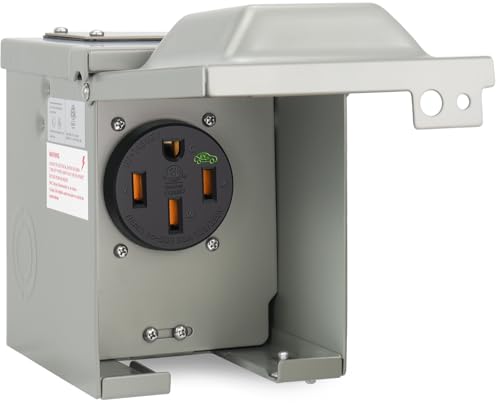
If your charging point sits in a visible outdoor area, security starts to matter fast. This outlet box leans into that reality with a heavy-duty metal enclosure and lockable cover meant to discourage power theft or casual unplugging. For a driveway that faces the street, a shared parking area, or a side lot where the charger is exposed, that extra bit of protection can make the whole setup feel less vulnerable. Some people never think about this until the first time they leave the vehicle charging overnight and hear every little noise outside.
Beyond that, the product has good bones for EV use. It is framed as EV-specific rather than generic, uses durable brass terminal blades and copper contacts, and leaves enough room inside for heavy-gauge wire and a chunky plug handle. That roomy interior is a practical plus. Tight boxes are annoying to wire and even more annoying once you try to close the door around a thick charging cord. This one seems better prepared for that everyday hassle.
Pros
- Lockable heavy-duty metal box helps deter tampering and power theft
- EV-specific receptacle focus suits Level 2 charging use
- Roomy interior for large handles and heavy-gauge wiring
- Weatherproof enclosure supports outdoor placement
- Can be wall mounted or installed on a pedestal
Cons
- Less established brand than top electrical names
- May require drilling if your conduit layout does not match existing openings
- Security is a plus, but it still depends on proper installation location
This is a great fit for homeowners who care about outdoor security as much as charging function. It also works well for detached garages, open parking pads, and spots where a lockable lid prevents inconvenient unplugging. If your setup is tucked safely inside, that anti-theft angle may be less valuable. Still, for exposed installs, this model offers a practical kind of peace of mind that is easy to appreciate.
To buy this product, click here.
7. Best For Easy Outdoor Access: POWAWINI 50 Amp RV Power Outlet Box
If your biggest frustration is fighting with bulky 50-amp plugs, this POWAWINI box deserves a look. Its 3.35-inch deep cover space is a very practical feature, especially for large EV charging connectors and thick RV cords that can make shallower boxes feel cramped. Anyone who has tried to wrestle a fat plug into a narrow enclosure while kneeling on rough concrete knows how quickly small design choices become major annoyances.
There are a few thoughtful user details here too. The flip cover has a built-in lock slot and a pull-down iron clip intended for easier one-handed operation. That can be helpful when one hand is already holding a heavy cable that wants to spring back like a stubborn garden hose. It also supports both aluminum and copper wires, which broadens installation flexibility for some properties. For outdoor garage walls, parking pads, and mixed RV/EV spaces, this box leans hard into simple day-to-day usability.
Pros
- Deep cover space makes bulky 50-amp plug handling easier
- Weatherproof and rust-resistant design suits exposed installs
- Built-in lock slot adds a layer of security
- Compatible with aluminum and copper wire
- User-focused cover design may be easier to operate with one hand
Cons
- Less proven brand reputation than some better-known alternatives
- Feature set is strong, but EV-grade receptacle emphasis is less explicit than top picks
- Fit and finish may feel more practical than polished
This is a smart choice for buyers who prioritize access and ease of use outdoors. It works especially well where the outlet gets frequent plugging and unplugging by different people, such as a household that alternates between an RV and an EV. If maximum EV-specific outlet pedigree is your top concern, Suplevel and the NEMA 3R box are safer bets. If you just want a roomy, sensible outdoor box that feels easy to live with, this one makes a lot of sense.
To buy this product, click here.
8. Best Receptacle Upgrade: EPLESFTON 50 Amp EV Charging Receptacle

If your existing box is fine and you only need a tougher 14-50 receptacle, EPLESFTON is an appealing upgrade pick. It is built specifically for EV charging, uses brass contacts, supports both copper and aluminum wire, and includes a wall plate. That all makes it a neat solution for replacing a suspect outlet that was originally installed more for occasional appliance use than long EV sessions. Plenty of people discover this gap after noticing a loose-feeling plug or realizing the original outlet was never meant for daily charging duty.
The weather-resistant construction also gives it flexibility across indoor and semi-protected outdoor locations, though you still need an appropriate weatherproof cover for exposed installs. The terminal markings are clear, which installers tend to appreciate, and the industrial-grade construction is a big part of its appeal. This is the sort of component that makes sense if you already have the box, conduit, and location sorted and just want the receptacle itself to be more robust.
Pros
- Purpose-built for EV charging with heavy-duty 50-amp rating
- Weather-resistant receptacle construction
- Supports copper or aluminum wire in a broad size range
- Includes wall plate for a cleaner finished look
- Industrial-grade materials and brass contacts inspire more confidence than generic outlets
Cons
- No weatherproof enclosure included
- Brand is less familiar than Leviton
- Best performance outdoors depends on pairing it with the right cover and box
This is best for buyers upgrading the receptacle itself rather than building a full outlet station from scratch. It suits garages, workshops, and custom installations where you already know exactly what box and cover you want. If you want a one-box outdoor solution, look elsewhere. If you need a sturdier 14-50R with EV-focused construction, this is a useful and cost-effective option.
To buy this product, click here.
9. Best For Welder Outlet Conversion: Nilight EV Charger Adapter Cord

If your garage has a NEMA 6-50 welder outlet instead of a 14-50 RV-style outlet, this adapter cord can solve a very specific problem. And that specificity matters, because this is absolutely not a universal fix. Nilight built it to let an EV charger with a 14-50 plug connect to a 6-50 receptacle, using a short heavy-duty pure-copper adapter. For the right buyer, that is incredibly handy. For the wrong buyer, it is the kind of purchase that leads to instant confusion.
The biggest thing to understand is right in the product details. This adapter is not for RV use, does not create 120V service, and leaves the 14-50 neutral open. That means it belongs in setups where your EV charger can operate correctly on a 240V-only 6-50 source. If that matches your equipment, it can save you from calling for immediate rewiring. I have seen plenty of garages where an older welder outlet sits there gathering dust while the EV owner stares at it thinking, “So close, yet totally unusable.” This adapter is for that exact moment.
Pros
- Excellent niche solution for converting a 6-50 welder outlet to accept a 14-50 EV charger plug
- Pure copper wiring with durable flexible jacket
- Compact length avoids the bulk of a full extension cord
- Weather-resistant construction for tougher garage and shop conditions
- Useful stopgap when rewiring is not the first move you want to make
Cons
- Not for RV use
- Works only for specific outlet and charger combinations
- Neutral is open, so compatibility must be checked carefully before purchase
This is the most specialized pick in the group, and that is exactly why it made the list. Buy it only if you understand your receptacle type and your charger’s electrical requirements. Skip it if you actually have a normal 14-50 RV outlet already, because this would add complexity you do not need. For a welder-outlet garage conversion scenario, though, it can be the clean little fix that gets charging up and running fast.
To buy this product, click here.
How To Choose The Right EV Charger For RV Outlet
Know Your Outlet Type Before You Buy Anything
The phrase “RV outlet” gets tossed around loosely, and that causes a lot of bad purchases. Most EV owners looking for this setup mean a NEMA 14-50 outlet, which provides 240V and is common at RV pads and many home installs. But some garages have 6-50 welder outlets, older dryer outlets, or other lookalike receptacles. A plug that seems close can still be completely wrong. Before buying a receptacle, adapter, or extension cord, check the exact outlet configuration and what your charger plug requires. A two-minute look now can save a sweaty, frustrating return later.
Choose EV-Grade Hardware For Frequent Charging
An RV may connect for weekends and road trips. An EV might connect four, five, or seven nights a week. That repeated use puts more wear on contacts and plug tension over time. EV-grade receptacles and outlet boxes are better suited for that routine because they are built with long charge sessions and frequent insertion cycles in mind. If you plan to charge often, this is one place where cheaping out can feel rough months later.
Think About Indoor Versus Outdoor Installation
If your charger lives inside a garage, a standalone receptacle like the Leviton or EPLESFTON may be all you need. If the outlet will sit outside on a driveway wall, post, or RV pad, a weatherproof lockable enclosure is usually the smarter move. Rain, dust, snow, blazing sun, and random yard debris all become part of the picture outdoors. A NEMA 3R style box, good gasket sealing, and a cover that closes around the cord can make the setup feel much more secure.
Do Not Ignore Cord Reach And Parking Layout
A lot of charging problems are really parking problems. Maybe the outlet is mounted perfectly, but the EV charge port is on the opposite rear quarter panel and your cord misses by three feet. That is where a heavy-duty extension cord, used appropriately, can help. The key is using a properly rated 50-amp solution rather than improvising with something sketchy. Walk through your actual parking routine before buying. Back in. Open the charge door. Picture the cable path. That simple mental rehearsal catches plenty of mistakes.
Look At Wire Compatibility And Installation Details
Some outlet boxes are easier to install than others. Clear terminal markings, roomy interiors, knockout options, and support for the wire gauge your electrician plans to use all matter. For example, a box that accepts heavier copper conductors and gives enough room to work can make installation cleaner and reduce aggravation. Buyers often focus on the visible exterior, but the hidden wiring experience shapes long-term reliability more than flashy marketing copy ever will.
Match The Product To The Actual Problem
This is where many shopping carts go sideways. If you need a full outdoor charging point, buy an outlet box. If your existing box is fine and the receptacle is the weak link, buy a better receptacle. If the outlet is right but the location is wrong, an extension cord may be the answer. If you have a welder outlet and the wrong charger plug, a specific adapter might help. Matching the product to the real issue keeps the setup cleaner, safer, and less expensive.
Avoid Common Buying Mistakes
The biggest mistakes are assuming every 14-50 product is EV-ready, choosing an adapter without confirming electrical compatibility, and treating a bargain receptacle like a heavy-duty charging component. Another classic miss is forgetting weather exposure. A garage-adjacent outlet under a roof overhang can still see windblown rain and grime. A final tip: if you are uncertain about installation, get a qualified electrician involved. High-load 240V charging is one area where a sloppy shortcut can come back with heat, nuisance issues, or worse.
Best EV Charger For RV Outlet FAQ
Can I charge an EV from a standard RV 50-amp outlet?
Yes, if it is a proper NEMA 14-50 outlet and your EV charger is designed for that plug type. This is a common Level 2 charging setup. The main caution is making sure the receptacle and wiring are in good condition and suitable for frequent EV charging.
Is an RV outlet the same as an EV outlet?
Sometimes yes, sometimes no. Many EV chargers use the same NEMA 14-50 plug found on 50-amp RV outlets, but the outlet hardware itself may differ in quality. A receptacle built mainly for occasional RV use may not be as durable for repeated long EV charging sessions as an EV-grade model.
Do I need a weatherproof box for outdoor EV charging?
If the outlet is exposed outdoors, a weatherproof box is the safer and more practical choice. It helps protect the receptacle, wiring, and connection area from rain, dust, and debris. A lockable cover also helps prevent tampering or accidental unplugging.
Is it safe to use a 50-amp extension cord for EV charging?
It can be safe if the extension cord is properly rated for 50 amps, built with heavy-duty conductors, and used correctly. It should be fully uncoiled during use and should match the plug type exactly. Cheap or undersized extension cords are a bad idea for EV charging.
What is the difference between a 14-50 and 6-50 outlet for EV charging?
A 14-50 outlet has two hot wires, one neutral, and one ground. A 6-50 outlet has two hot wires and a ground, with no neutral. Some EV chargers can work from a 6-50 source with the right adapter, but compatibility depends on the charger’s design. That is why the Nilight adapter is a niche product rather than a universal recommendation.
Should I choose a receptacle only or a full outlet box?
Choose a receptacle only if you already have the electrical box, cover, and protected location you need. Choose a full outlet box if you are building a complete charging point, especially outdoors. For many driveway and RV-pad setups, the full box is the easier and cleaner answer.
Can I install one of these myself?
If you are already experienced with high-load 240V electrical work, maybe. For most buyers, a qualified electrician is the smart move. Correct wire size, torque, breaker matching, grounding, and enclosure setup all matter. A clean professional install is usually money well spent here.
Final Verdict
Across these nine picks, the Suplevel 50 Amp NEMA 14-50R Outlet Box is the best overall choice for most buyers because it does the hard part well. It feels purpose-built for EV charging, offers a lockable weatherproof enclosure, leaves room for bulky cords, and suits the way people actually use a 14-50 setup in the wild. If you want a lower-cost path, the RVGUARD 50 Amp RV/EV Power Outlet Box is the best budget pick. If you need reach rather than a new outlet, the POWGRN 25FT Extension Cord is the standout premium solution.
The best move is to start with your actual setup, not the product list. Figure out whether you need a full outdoor outlet box, a simple EV-grade receptacle, extra cord length, or a niche adapter for a different outlet type. Once that part is clear, the decision gets much easier. For a permanent outdoor charging point using an RV-style 14-50 connection, I would lean first toward the Suplevel or the NEMA 3R value pick. For a clean indoor garage install, Leviton remains a very safe bet. Match the product to the job, and your charging setup will feel a lot less like a compromise and a lot more like it was planned right from the start.