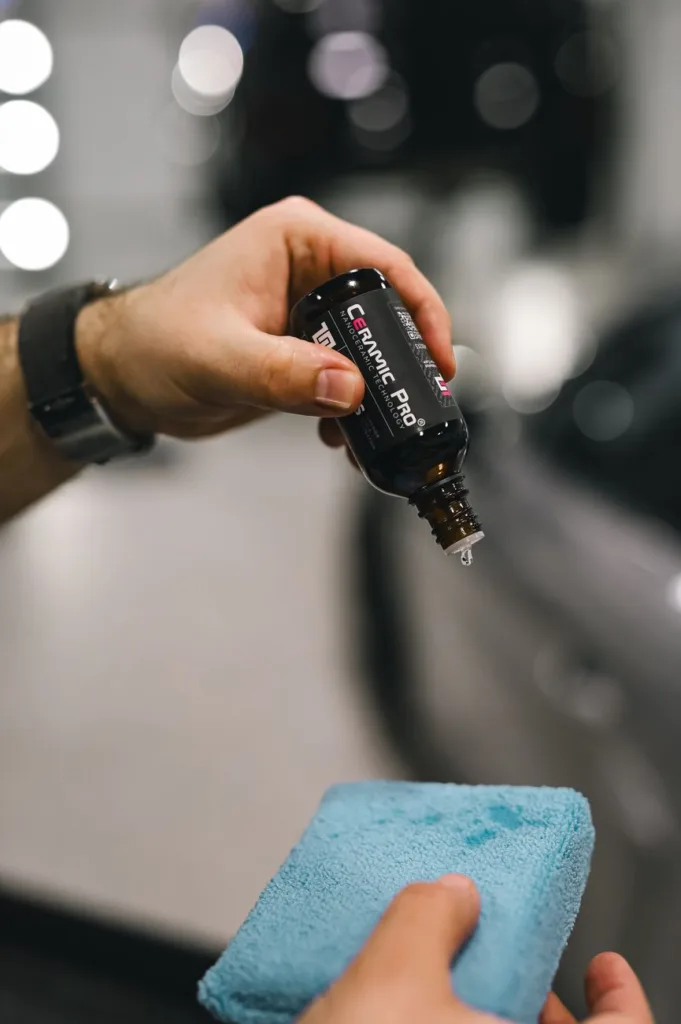
Ceramic coating typically lasts anywhere from 1 to 5 years, and in some cases longer, depending on the product type, paint preparation, application quality, climate, and how the vehicle is washed and maintained. A short-lived coating may begin losing water behavior and dirt resistance in under a year, while a professionally applied coating on a well-maintained car can remain effective for several years.
The important thing to understand is that ceramic coating does not all wear out in the same way. Some of the visible properties, such as strong water beading, may fade before the coating is completely gone. In other words, a coating can still offer some protection even after it stops looking impressive. How long it truly lasts depends on both the coating itself and the conditions it faces every day.
What Ceramic Coating Actually Does
Ceramic coating is a liquid polymer that bonds to a vehicle’s paint, clear coat, or other exterior surfaces and cures into a thin protective layer. Its main job is to make the surface easier to clean, more resistant to contamination, and less vulnerable to minor environmental damage. It is not a substitute for clear coat, and it does not make a car scratch-proof.
Most people associate ceramic coating with water beading and a glossy finish. Those are real benefits, but the coating’s actual value is broader. It can help reduce how strongly grime sticks to the paint, slow down UV-related fading, and make routine washing easier. That said, the extent of those benefits depends heavily on how long the coating remains bonded and functional.
How Long Does Ceramic Coating Last in Real-World Use?
For most car owners, a realistic expectation is 2 to 4 years for a well-applied consumer or professional-grade ceramic coating under normal use. Entry-level coatings may last closer to a year or two. Higher-end professional coatings, especially those installed correctly and cared for carefully, may last 5 years or more.
Here is a practical way to think about it:
| Coating Type | Typical Longevity | Notes |
|---|---|---|
| Entry-level consumer coating | 1 to 2 years | Often easier to apply, but usually less durable |
| Mid-range consumer coating | 2 to 3 years | Common for enthusiasts who maintain the car regularly |
| Professional-grade coating | 3 to 5 years | Usually requires proper prep and controlled application |
| Multi-layer professional systems | 5 years or more | Results vary widely based on maintenance and driving conditions |
These are general ranges, not guarantees. A coating on a garage-kept weekend car may outlast the same coating on a daily driver parked outdoors, driven in winter, and washed with harsh chemicals.
What Affects Ceramic Coating Lifespan?
Several factors determine how long a ceramic coating lasts. Some are related to the product itself, while others are connected to the condition of the paint and the way the car is maintained.
1. Surface preparation before application
Preparation is one of the biggest factors in coating durability. If the paint is not thoroughly washed, decontaminated, and corrected when needed, the coating may not bond well. Poor bonding can shorten the life of the coating and reduce its ability to repel water and dirt.
Paint correction matters because coatings preserve the condition underneath them. If swirls, oxidation, or contamination remain on the surface before application, those defects will still be visible after coating. The coating locks in the surface state, so prep quality affects both appearance and longevity.
2. Product quality and formulation
Not all coatings are made the same. Some are designed for easier application and shorter service life, while others use more durable chemistry and thicker protective layers. In general, coatings marketed for longer durability tend to require stricter prep and more controlled application.
Durability claims can vary by brand and test conditions. A coating tested indoors on a controlled panel may perform differently than the same coating on a car exposed to sun, rain, road salt, and repeated washing.
3. Application quality
Even a strong product can fail early if it is applied poorly. High spots, uneven coverage, contamination during installation, or incomplete leveling can all affect how the coating cures. Application errors may not only reduce appearance, but also shorten protection.
Professional installation often lasts longer because the car usually receives more thorough prep, controlled application conditions, and more consistent curing time. That does not mean DIY application cannot work well, but it does raise the importance of following directions carefully.
4. Daily driving conditions
A vehicle that spends most of its time in a garage and sees light driving will usually keep its coating longer than a car exposed to harsh conditions. Frequent sun, acid rain, industrial fallout, winter road salt, tree sap, and heavy dust can all accelerate coating wear.
Highway driving can also affect the coating through more constant exposure to contaminants and abrasive road film. In cold climates, road salt and de-icing chemicals are especially hard on exterior protection.
5. Washing methods
Improper washing can shorten a coating’s useful life, even if the coating itself is strong. Automatic brushes, dirty wash mitts, harsh detergents, and neglecting to rinse off abrasive dirt can all damage the coating or make it perform poorly sooner.
Gentle hand washing with pH-balanced soap and clean tools is usually the safest approach. Touchless washes are often easier on coatings than brush washes, though the detergents used in some touchless systems can be more aggressive over time.
6. Maintenance after application
Ceramic coatings benefit from periodic maintenance. This may include proper washing, occasional decontamination, and using compatible maintenance products if recommended by the coating manufacturer. Skipping maintenance can make the coating appear to fail even if some protection is still present.
One common issue is mineral buildup. Water spots can reduce the coating’s visual performance and, if ignored, may make it seem like the coating has worn off. In reality, the surface may simply need careful cleaning or decontamination.
What Does Ceramic Coating Wear Look Like?
Ceramic coating does not usually disappear all at once. It tends to degrade gradually. The first signs are often reduced water beading, less slickness, and dirt sticking more easily to the surface.
Other signs include:
- Water no longer beads tightly on the paint
- Rinsing the car does not remove dirt as easily
- Surface feels less smooth after washing
- Gloss looks flatter or less crisp
- Water spots become more noticeable
It is important to separate coating wear from contamination. A coating that seems weak may still be intact but covered with road film, oils, or mineral deposits. This is why proper inspection and cleaning matter before assuming the coating has failed.
How Long Different Surfaces Can Hold a Coating
Ceramic coating longevity can vary depending on the surface being treated. Paint is the most common application area, but wheels, glass, trim, and plastics can all behave differently.
| Surface | Typical Longevity | Comments |
|---|---|---|
| Paint | 1 to 5+ years | Most common and most visible application |
| Wheels | 1 to 2 years | Heat and brake dust can reduce life |
| Glass | 6 months to 1 year | Wipers and harsh weather shorten durability |
| Trim and plastics | 1 to 2 years | UV exposure can still affect untreated areas nearby |
Glass coatings often wear faster than paint coatings because of wiper contact and frequent exposure to abrasive dirt. Wheels are exposed to heat and brake dust, which also shortens lifespan. Paint usually offers the best chance for long-term performance because it is less mechanically abused than glass or brake-dusted wheels.
Professional Coating vs DIY Coating Longevity
Professional coatings often last longer in practice, but not only because of the product itself. The biggest advantage is usually the prep work and controlled installation process. A professional detailer may remove defects, decontaminate the paint, and apply the coating in a cleaner environment.
DIY coatings can still perform well if the surface is properly prepared and the application is done carefully. Many shorter-lived results come from rushed prep, working in poor lighting, or applying the coating to a surface that was not fully clean. For a DIY job, technique often matters as much as the product.
| Factor | Professional Install | DIY Install |
|---|---|---|
| Surface prep | Usually more thorough | Varies by owner experience |
| Application consistency | Often more controlled | Depends on skill and time |
| Expected longevity | Often longer in practice | Can be comparable if done well |
| Cost | Higher | Lower |
How Maintenance Changes the Answer
If someone asks how long ceramic coating lasts, the most honest answer is that maintenance can change the result dramatically. A neglected coating may lose performance much sooner than expected, while a well-cared-for coating can remain functional for years.
Good maintenance habits
- Wash the car regularly to remove dirt and contaminants
- Use clean wash mitts and buckets
- Avoid automatic brush washes when possible
- Dry the car properly to reduce water spots
- Remove bird droppings, sap, and bug splatter quickly
- Use gentle cleaners that are compatible with coated surfaces
Regular washing does not wear out a coating by itself. In fact, washing is necessary to keep the coating working as intended. The problem comes from aggressive methods, dirty tools, or letting contaminants sit on the finish for too long.
What hurts coatings most
Some of the most common coating killers are not dramatic. They are everyday habits that slowly reduce performance.
- Using dirty sponges or mitts
- Washing in direct sun and letting soap dry on the surface
- Letting hard water dry on the paint
- Using strong degreasers without checking compatibility
- Ignoring brake dust on coated wheels
- Parking under trees and not removing sap or pollen
Ceramic Coating Is Not the Same as Permanent Protection
One of the most common misunderstandings is that ceramic coating lasts forever. It does not. It is a wear layer, not a lifetime shield. Even the best coating will gradually break down from UV exposure, friction, chemical contact, and environmental contamination.
It is also important not to confuse ceramic coating with paint protection film. Paint protection film is a physical urethane layer that can absorb stone impacts. Ceramic coating is much thinner and is mainly about chemical resistance, easier cleaning, and surface enhancement. They solve different problems.
How to Tell if Your Ceramic Coating Is Still Working
There are a few practical ways to judge whether a coating still has life left in it. Water behavior is the most obvious, but it should not be the only test. A coating can lose some hydrophobic effect and still offer a degree of contamination resistance.
Signs the coating is still active
- Water still beads or sheets more easily than on bare paint
- The car rinses clean more easily than untreated surfaces
- Road grime does not bond as aggressively
- Surface feels smooth after proper washing
Signs it may be fading
- Water sits flat instead of forming beads
- Cleaning takes more effort than before
- Gloss looks muted even after washing
- Contaminants stick more readily
If performance seems to have declined, a thorough wash and decontamination can help determine whether the issue is actual coating wear or simply buildup on top of the coating. This distinction matters because buildup can often be corrected without reapplying the coating.
Common Mistakes That Shorten Ceramic Coating Life
Many coating failures are preventable. The coating itself is only part of the equation. The way it is installed and maintained often decides whether it lasts years or only months.
- Skipping paint correction: This leaves defects and contamination under the coating.
- Applying to a dirty surface: Any residue can interfere with bonding.
- Exposing the car to moisture too soon: Early curing time matters, and instructions vary by product.
- Using harsh cleaning methods: Strong chemicals and abrasive tools can reduce durability.
- Ignoring regular maintenance: Built-up grime masks coating performance and can accelerate wear.
- Expecting the coating to prevent all damage: It does not stop rock chips, deep scratches, or major paint damage.
How Ceramic Coating Compares to Wax in Longevity
Many people compare ceramic coating to wax because both are used to protect and improve the look of paint. The difference is mainly in durability and maintenance frequency. Wax usually lasts weeks to a few months, depending on conditions. Ceramic coating lasts much longer and is more resistant to repeated washing and weather exposure.
| Protection Type | Typical Lifespan | Maintenance Level | Main Benefit |
|---|---|---|---|
| Wax | Weeks to months | Higher frequency | Easy application and good shine |
| Sealant | Several months | Moderate | Better durability than wax |
| Ceramic coating | 1 to 5+ years | Lower frequency, but still required | Longer-lasting protection and easier cleaning |
Wax remains useful for people who like easy, repeatable application and do not mind reapplying often. Ceramic coating makes more sense when the goal is longer-term surface protection and easier maintenance, provided the vehicle is prepared and cared for properly.
Does Ceramic Coating Save Time on Washing?
Yes, usually it does. A coated car often rinses cleaner and requires less scrubbing because dirt has a harder time bonding to the surface. That said, it is not self-cleaning. You still need to wash the vehicle regularly, especially in winter, after road trips, or in dusty environments.
Some owners expect ceramic coating to eliminate maintenance. In reality, it mainly reduces effort and improves consistency. If the car is heavily soiled or neglected, the coating will not prevent grime buildup.
How Long Before You Need to Reapply?
Reapplication timing depends on whether the original coating is truly gone or simply not performing at its peak. If the coating still beads water and cleans reasonably well, it may not need replacement yet. If it has lost most of its hydrophobic behavior and cleaning benefits, reapplication may be worthwhile after proper surface prep.
For many drivers, reapplication is needed every few years rather than every season. However, coating lifespan is not determined by the calendar alone. Usage, weather, washing habits, and surface condition are all part of the decision.
Typical Cost Considerations
Cost often influences expectations about longevity. In general, longer-lasting coatings and more thorough installation procedures cost more upfront. A professional job may include paint correction and surface preparation, while a DIY application may only require the coating kit and supplies.
It can be useful to think in terms of cost per year rather than only the initial price. A cheaper coating that lasts one year may not be more economical than a more durable system that lasts several years. Still, the right choice depends on how long you plan to keep the vehicle and how much maintenance you are willing to do.
When Ceramic Coating May Not Be the Right Choice
Ceramic coating is helpful, but it is not ideal for every situation. If the paint is badly damaged, heavily oxidized, or covered in defects that have not been corrected, the coating will not solve the underlying problem. It will only preserve what is already there.
It may also be a poor fit if the vehicle sees extremely rough use and the owner does not plan to maintain it. In that situation, the coating may still help somewhat, but it will not deliver its full potential lifespan. For some drivers, a simpler protection strategy may make more sense.
Practical Expectations for Different Types of Vehicles
How long ceramic coating lasts can also depend on how the vehicle is used.
Daily drivers
Daily drivers usually experience the shortest practical lifespan because they face more frequent washing, more road contamination, and more exposure to weather. A realistic expectation is often 2 to 4 years with decent maintenance.
Garage-kept weekend cars
Garage-kept cars often hold coatings longer because they see less environmental abuse. With careful maintenance, these vehicles may keep strong coating performance for many years.
Work trucks and high-mileage vehicles
Trucks and heavily used vehicles often see contamination, weather, and abrasive conditions more often. Their coatings may still help, but the effective lifespan may be shorter unless maintenance is very consistent.
FAQ
How long does ceramic coating last on a car?
Most ceramic coatings last about 1 to 5 years, depending on the product, prep work, application quality, and maintenance. Many real-world results fall in the 2 to 4 year range.
Does ceramic coating wear off or just stop beading?
It wears off gradually. In some cases, water beading fades before the coating is fully gone, especially if the surface has contamination on top of it.
Can a ceramic coating last 7 years?
Some professional systems may claim that range under ideal conditions, but real-world results vary. Careful maintenance, indoor storage, and excellent preparation would be needed for a coating to last that long in practice.
Does washing your car remove ceramic coating?
Normal washing should not remove a properly cured coating. However, harsh chemicals, abrasive tools, and improper washing techniques can shorten its lifespan.
How do I know when my ceramic coating is gone?
Common signs include flat water behavior, harder cleaning, reduced slickness, and more noticeable contamination buildup. A proper wash and decontamination can help confirm whether the coating has actually failed.
Is ceramic coating worth it if it only lasts a few years?
For many drivers, yes. The value comes from easier maintenance, better resistance to contamination, and improved long-term appearance. Whether it is worth it depends on your budget, care habits, and how long you plan to keep the vehicle.
Can I add a new ceramic coating on top of an old one?
Sometimes, but only if the old coating is still in good condition and the surface is properly prepared. If the old layer is degraded or contaminated, it usually needs to be removed or corrected before applying a new coating.
Conclusion
Ceramic coating usually lasts between 1 and 5 years, with many real-world results landing around 2 to 4 years. The exact lifespan depends on preparation, product quality, application method, climate, driving habits, and how the vehicle is washed and maintained.
If you want the coating to last as long as possible, the most important steps are proper surface prep, careful application, and consistent maintenance. Ceramic coating is not permanent protection, but when it is applied and cared for correctly, it can provide years of easier cleaning and solid exterior protection.