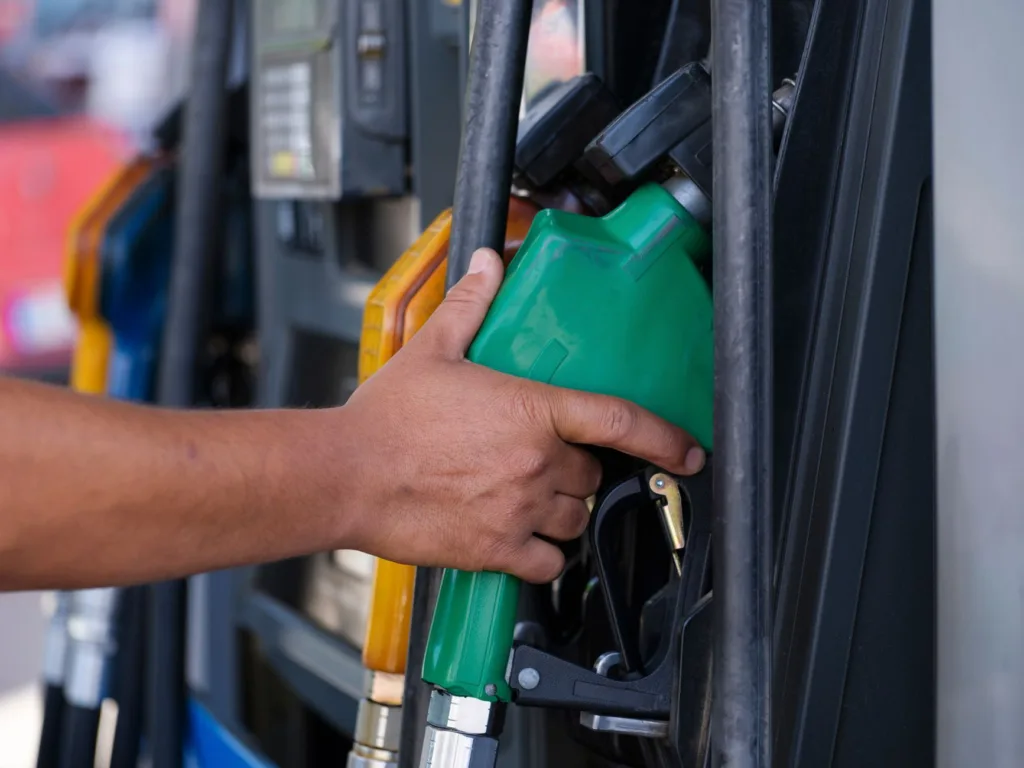
You usually do not inspect the fuel pump on a fixed short interval the way you would inspect oil, tires, or brakes. For most vehicles, the better approach is to watch for symptoms, follow the manufacturer’s maintenance schedule, and pay closer attention after about 100,000 miles or when fuel delivery problems start appearing. If your vehicle is used in severe conditions, sits for long periods, or has a history of contaminated fuel, it makes sense to be more proactive.
That matters because a weak fuel pump can cause hard starts, hesitation, loss of power, stalling, and no-start situations. The pump is one of those parts many drivers never think about until the car suddenly refuses to run properly. Knowing when to check it, what signs to watch for, and what affects its lifespan can help you catch trouble before you end up stranded.
In most cases, a fuel pump does not need routine disassembly or replacement as preventive maintenance. What it does need is sensible monitoring. If the vehicle is running normally, many owners will only have the fuel pump evaluated during diagnosis of a drivability problem, when replacing a clogged fuel filter on older vehicles with serviceable filters, or during high-mileage inspections.
How often should you inspect a fuel pump?
A practical rule for most drivers is this:
- At every regular service visit: stay alert for symptoms that suggest fuel delivery problems.
- About every 30,000 to 50,000 miles: review the fuel system as part of broader maintenance, especially on older vehicles.
- After 100,000 miles: be more attentive to fuel pump performance, especially if the vehicle has hard starts, hesitation, or reduced power.
- Immediately: inspect or test the fuel pump if warning signs appear.
That does not mean the pump itself must be removed and bench tested at those intervals. In many cases, “inspection” means listening for unusual noise, checking fuel pressure, scanning for trouble codes, reviewing fuel trim data, and considering related components such as the fuel filter, relay, wiring, and pump control module.
If your owner’s manual has fuel system service guidance, follow that first. Not every manufacturer gives a specific fuel pump inspection interval, but the maintenance schedule may mention fuel filter replacement, fuel injector service checks, or inspections under severe driving conditions.
Why fuel pumps are not usually inspected like other maintenance items
The fuel pump is different from wear items such as brake pads or engine oil. On most modern vehicles, the fuel pump is mounted inside the fuel tank and is designed to last a long time without regular hands-on service. There is usually no simple visual inspection that tells you everything you need to know.
Because of that, fuel pump condition is often judged by performance rather than appearance. If the engine starts quickly, idles smoothly, accelerates normally, and maintains correct fuel pressure, the pump is usually doing its job.
This is why drivers should avoid replacing a fuel pump just because the vehicle reaches a certain mileage. Some pumps last well over 150,000 miles. Others fail earlier because of overheating, contaminated fuel, electrical issues, or repeated operation with a very low fuel level.
What does a fuel pump inspection actually include?
A proper fuel pump inspection can be simple or more involved depending on symptoms. It often includes several checks rather than one single test.
Basic inspection steps
- Listening for the pump priming when the key is turned on, if the vehicle design makes it audible
- Checking for hard starts, surging, hesitation, or stalling
- Scanning for diagnostic trouble codes
- Checking fuel pressure against factory specifications
- Testing fuel volume or delivery rate when needed
- Inspecting electrical connectors, wiring, fuse, and relay
- Looking at related parts such as the fuel filter or pressure regulator, depending on vehicle design
What a technician may test
If the vehicle has symptoms, a technician may go beyond a simple pressure test. Some fuel pumps can build pressure but still fail under load or at highway speed. In that case, volume testing, amperage testing, and monitoring fuel pressure while driving can reveal a weak pump.
On newer vehicles, diagnosis may also involve the fuel pump driver module or control module. A bad module or wiring issue can mimic a failing pump. That is one reason guessing can get expensive. Replacing the pump without proper testing may not solve the problem.
General fuel pump inspection timing by vehicle condition
| Vehicle condition | Suggested fuel pump attention | Why it matters |
|---|---|---|
| Under 60,000 miles, no symptoms | Monitor during routine service only | Most pumps in normal use do not need direct inspection this early |
| 60,000 to 100,000 miles, no symptoms | Review fuel system health during maintenance visits | Good time to note subtle changes in starting or acceleration |
| Over 100,000 miles | Be more proactive if any fuel delivery symptom appears | Age and wear begin to matter more, especially on original pumps |
| Any mileage with drivability issues | Test immediately | Weak fuel delivery can quickly become a no-start condition |
| Vehicle stored for long periods | Inspect if starting or running quality changes after storage | Old fuel and moisture can affect pump operation |
| Frequent low-fuel driving habits | Pay closer attention sooner | Low fuel level can contribute to pump overheating |
Signs your fuel pump should be inspected right away
You should not wait for the next scheduled service if the vehicle shows possible fuel pump symptoms. Some signs are obvious, while others are easy to mistake for ignition or sensor problems.
Common warning signs
- Hard starting: the engine cranks longer than normal before starting
- No-start condition: the engine cranks but does not fire up
- Loss of power under load: the vehicle feels weak climbing hills or accelerating
- Hesitation or stumbling: especially when pressing the gas pedal
- Surging at steady speed: power delivery feels uneven
- Engine stalling: especially when hot or under stress
- Whining noise from the fuel tank area: louder than normal pump sound
- Poor high-speed performance: the engine seems fine at low speed but struggles on the highway
These symptoms do not automatically confirm a bad fuel pump. Similar issues can come from a clogged fuel filter, bad fuel pressure regulator, failing crankshaft sensor, vacuum leak, dirty mass airflow sensor, ignition coil issue, or even contaminated fuel. The point is that these symptoms justify fuel system testing.
Symptoms that often appear before complete failure
Fuel pumps do not always quit without warning. Many start showing subtle problems first. For example, the vehicle may start normally when cold but struggle after a long drive. Or it may feel fine around town but lose power when merging onto the highway.
That pattern can happen when a pump is weak and cannot maintain adequate fuel pressure under heat or demand. Catching that stage early can help you avoid a breakdown.
Factors that affect how often a fuel pump needs attention
Fuel pump life depends heavily on vehicle use and maintenance habits. Two cars of the same age can have very different fuel pump health.
Driving with very low fuel
One of the most common habits linked to early fuel pump wear is frequently running the tank near empty. On many vehicles, the fuel in the tank helps cool the in-tank pump. Repeatedly driving on a nearly empty tank can contribute to excess heat and shorten pump life.
This does not mean one low-fuel event will ruin the pump. The issue is repeated habit over time.
Contaminated or poor-quality fuel
Dirt, rust, water, and degraded fuel can stress the pump and clog the filter or pump strainer. If you have ever filled up at a station with contaminated fuel or let a vehicle sit for a long time with old gas in the tank, the pump may deserve closer attention.
Long-term storage
Vehicles that sit unused for months can develop fuel quality issues. Gasoline degrades over time, and moisture contamination can become part of the problem. After storage, symptoms like rough starting or poor throttle response may justify a fuel system check.
High mileage
As mileage climbs, the original pump simply has more hours of wear. High-mileage commuting, especially in hot climates or stop-and-go traffic, can increase pump workload.
Hot weather and heavy load
Heat can make weak pumps show themselves sooner. If your vehicle tows, carries heavy loads, or spends a lot of time in high ambient temperatures, fuel demand and pump stress can be greater.
Fuel pump inspection schedule by driving type
| Driving type | Fuel pump inspection approach | Notes |
|---|---|---|
| Normal daily commuting | Monitor symptoms during routine maintenance | No special interval is usually required |
| High-mileage highway driving | More attention after 100,000 miles | Pumps may last long, but wear accumulates steadily |
| Stop-and-go city driving | Watch for early drivability changes | Frequent heat cycles can reveal a weak pump |
| Towing or heavy load use | Inspect promptly if power loss appears | Higher fuel demand can expose weakness sooner |
| Seasonal or stored vehicle | Check after storage if fuel is old or symptoms appear | Fuel quality matters as much as mileage |
| Vehicle often driven near empty | Pay attention earlier and more often | Repeated overheating risk can shorten pump life |
Should you inspect the fuel pump during other fuel system service?
Yes, that is often the most sensible time. A fuel pump does not need to become its own routine maintenance project, but certain services naturally create a good opportunity to think about pump health.
When replacing a fuel filter
On older vehicles with an external serviceable fuel filter, filter replacement is a good time to evaluate fuel pressure and overall fuel delivery. A badly clogged filter can make the pump work harder. If the vehicle has repeated filter clogging or weak pressure, the pump may be under stress.
Many modern vehicles have non-serviceable filters integrated with the pump assembly or designed to last much longer. In those cases, fuel filter service may not be a separate maintenance item.
When diagnosing hesitation or stalling
If the car hesitates, stalls, or feels underpowered, fuel pump testing should be part of diagnosis. This is especially true if spark plugs, ignition parts, and air intake issues have already been ruled out.
During major high-mileage maintenance
When a vehicle reaches major mileage milestones, such as 100,000 miles or more, it is reasonable to review fuel system performance if the vehicle has any subtle symptoms. That does not mean replacing the pump proactively in every case. It means not ignoring small warning signs.
How mechanics diagnose fuel pump problems
Many fuel pump issues cannot be confirmed by sound alone. Some healthy pumps make noise. Some failing pumps remain quiet. Proper diagnosis matters.
Fuel pressure test
This is one of the most common tests. A technician compares actual pressure to the manufacturer’s specification. Low pressure may point to a weak pump, clogged filter, restricted line, or pressure regulator issue.
Fuel volume test
A pump may show acceptable pressure but still fail to deliver enough fuel volume under demand. Volume testing helps catch that.
Electrical testing
The fuel pump needs proper voltage and ground. Corroded connectors, a weak relay, damaged wiring, or a failing control module can cause pump-like symptoms.
Scan tool data
On modern vehicles, scan data can reveal lean conditions, trouble codes, pump command issues, and related sensor information. This is especially useful when the problem is intermittent.
Current draw testing
Amperage testing can sometimes show whether the pump is working too hard or wearing out internally. It is not always required, but it can be useful in difficult cases.
Can you inspect a fuel pump yourself?
Some basic checks are DIY-friendly, but full diagnosis may require tools and caution. Fuel systems operate under pressure, and gasoline is highly flammable.
DIY checks that are reasonable
- Notice whether the engine takes longer to start
- Listen for a change in pump noise from the rear of the vehicle
- Watch for hesitation, power loss, or stalling
- Scan for trouble codes if you have an OBD2 scanner
- Check the owner’s manual for fuel system maintenance notes
Jobs better left to a professional
- Opening pressurized fuel lines
- Testing fuel pressure on systems that require special procedures
- Dropping the fuel tank
- Diagnosing electrical faults at the pump module
- Working around sparks, fumes, or leaking fuel
If you do any DIY inspection around the fuel system, work in a well-ventilated area, keep ignition sources away, and follow the proper repair information for your exact vehicle.
Common mistakes drivers make with fuel pumps
Fuel pump problems are sometimes made worse by habits or incorrect assumptions. These are some of the most common mistakes.
Ignoring early symptoms
A little hesitation or occasional long crank may not seem urgent. But weak fuel delivery often gets worse over time. Waiting until the vehicle will not start can turn a manageable repair into a tow bill and a much bigger inconvenience.
Driving on empty all the time
Many drivers regularly wait until the warning light has been on for a while before refueling. Doing that once in a while is one thing. Making it a constant habit can stress the pump.
Assuming every no-start is the fuel pump
No-start problems can also be caused by a dead battery, faulty starter, anti-theft issue, crank sensor failure, bad ignition components, or lack of injector pulse. Replacing the pump without testing can waste money.
Skipping fuel filter service on older vehicles
If your vehicle has a replaceable fuel filter and the maintenance schedule calls for service, ignoring it can increase restriction in the system. That may force the pump to work harder than necessary.
Using old fuel after long storage
Starting a vehicle on stale fuel can lead to poor running and extra stress on fuel system parts. In some cases, the issue is more about fuel quality than pump failure, but both can become connected.
Practical maintenance tips to help fuel pump life
You cannot guarantee how long a fuel pump will last, but you can reduce unnecessary stress on it.
- Try not to run the tank extremely low on a regular basis.
- Use clean fuel from reputable stations.
- Follow the maintenance schedule for fuel filters if your vehicle has a serviceable one.
- Address hard starts and hesitation early.
- Do not let gasoline sit for long periods without proper storage precautions.
- Pay attention after 100,000 miles, especially on the original pump.
These tips will not make every pump last forever, but they can improve the odds and help you catch trouble before a complete failure.
How much does a fuel pump inspection or diagnosis usually cost?
A basic fuel system diagnosis can vary widely depending on the shop, the vehicle, and how much testing is required. In many cases, you may pay a standard diagnostic fee rather than a separate “fuel pump inspection” price.
| Service | Typical cost range | What it may include |
|---|---|---|
| Basic diagnostic evaluation | $100 to $200 | Initial symptom review, scan tool check, basic testing |
| Fuel pressure test | $50 to $150 | Pressure measurement and comparison to spec |
| Advanced drivability diagnosis | $150 to $300+ | Pressure, volume, electrical, and road test analysis |
These are broad estimates, not fixed prices. Labor rates vary by location and vehicle complexity. If the pump is hard to access, diagnosis and repair can cost more.
When should you replace a fuel pump instead of just inspecting it?
You should replace a fuel pump when testing shows it is failing or when it no longer delivers proper pressure or volume. Replacement is also appropriate when the pump has an internal electrical failure, excessive noise combined with poor performance, or a confirmed no-start caused by pump failure.
In some cases, replacement may be recommended if the tank is already being removed for related service and the pump is clearly weak on a very high-mileage vehicle. Even then, it should be a reasoned decision, not automatic.
Replacing a pump only because the vehicle has high mileage is not always wise. If the system tests correctly and the vehicle runs well, continued monitoring is often more sensible than preventive replacement.
Real-world examples of when fuel pump inspection makes sense
Example 1: Daily commuter with 120,000 miles
The car starts fine most days, but once or twice a week it cranks longer than usual. There is also a slight hesitation during hard acceleration onto the freeway. This is a good time for a fuel pressure and drivability check. Waiting longer could turn an early warning into a no-start.
Example 2: SUV used for towing in summer
The SUV feels normal unloaded but loses power on long uphill grades while towing. A weak fuel pump may only show itself under high demand, so inspection should happen soon.
Example 3: Stored classic car or seasonal vehicle
The vehicle sat for eight months and now runs rough with stale fuel in the tank. Before blaming the pump alone, check fuel quality and overall fuel system condition. Inspection is justified, but diagnosis should include more than just the pump.
Example 4: Older sedan with a serviceable fuel filter
The owner has skipped fuel filter service for years and now notices sluggish acceleration. Replacing the filter and checking pressure is sensible because a restricted filter can mimic or contribute to pump problems.
Frequently asked questions
How often should a fuel pump be checked on a car with no symptoms?
If there are no symptoms, a fuel pump usually only needs general monitoring during routine maintenance. There is rarely a strict inspection interval for the pump itself.
Should I replace my fuel pump at 100,000 miles?
Not automatically. At 100,000 miles, it is smart to pay closer attention to symptoms, but replacement should usually be based on testing and condition.
Can a fuel pump fail without warning?
Yes, it can. However, many pumps show signs first, such as hard starting, whining noise, hesitation, or loss of power under load.
Does driving with low fuel damage the fuel pump?
Repeatedly driving very low on fuel can contribute to pump wear on many vehicles. It is a good habit to refill before the tank gets extremely low.
Is a loud fuel pump always bad?
No. Some pumps are naturally more audible than others. But if the pump suddenly becomes much louder and drivability symptoms appear, it should be inspected.
Can a clogged fuel filter feel like a bad fuel pump?
Yes. A restricted fuel filter can reduce fuel flow and create similar symptoms. On vehicles with replaceable filters, that should be checked during diagnosis.
What is the most common sign of a weak fuel pump?
One common sign is hesitation or loss of power during acceleration, especially under load. Hard starting is also very common.
Can an OBD2 scanner confirm a bad fuel pump?
Not by itself. A scanner can show related trouble codes or lean conditions, but fuel pressure and electrical testing are usually needed to confirm pump failure.
What to remember about fuel pump inspection intervals
The simplest answer is that fuel pumps are usually inspected by need, not by a strict short maintenance interval. If your vehicle runs normally, regular awareness during service visits is often enough. Once mileage gets high or symptoms begin, fuel pump testing becomes more important.
Pay attention to long cranking, hesitation, power loss, stalling, and unusual pump noise. Avoid making low-fuel driving a habit, keep up with any applicable fuel filter service, and do not ignore early drivability changes. In most cases, that is the most practical and cost-effective way to decide how often your fuel pump should be inspected.