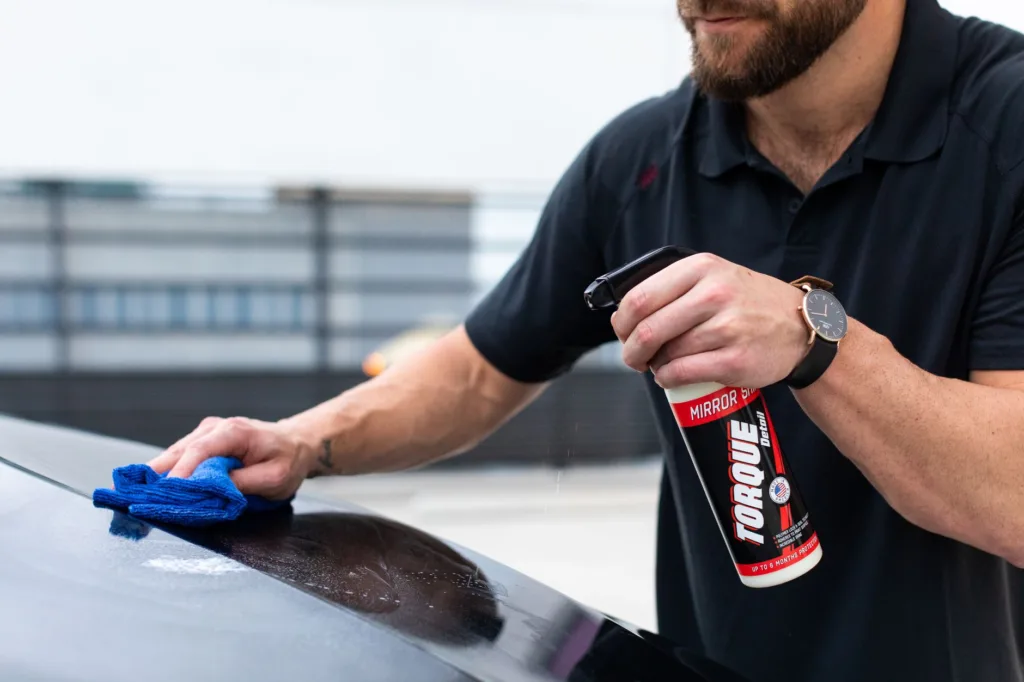
Spray wax and paste wax both add protection and gloss to paint, but they are not the same in how they apply, how long they last, or how much prep they usually require. In simple terms, spray wax is faster and easier, while paste wax usually gives a more traditional, more durable finish when applied correctly. The right choice depends on how often you wash your vehicle, how much time you want to spend detailing, and what kind of finish you expect.
If you want quick maintenance after a wash, spray wax is often the more practical option. If you are looking for a more deliberate waxing session with longer-lasting protection, paste wax is often the better fit. Both can work well, but they serve slightly different purposes in a car care routine.
What Is Spray Wax?
Spray wax is a liquid wax product packaged in a spray bottle. It is designed to be quick to apply, usually after washing the car or between full detailing sessions. Most spray waxes are meant to boost gloss, add light protection, and make drying easier.
Some spray waxes are true wax-based products, while others are blends that include polymers or sealant ingredients. That is why spray wax often feels more like a maintenance product than a full standalone protection solution. It is usually used to top up existing protection rather than replace a full wax job every time.
How spray wax is typically used
Most spray waxes are applied to clean paint, either while drying or after the vehicle is dry. You mist it onto a panel or onto a microfiber towel, then wipe it evenly and buff lightly. The process is fast, and it often works well on paint, glass, trim, and sometimes wheels if the label allows it.
Because the application is simple, spray wax is popular for regular upkeep. A driver who washes the car every week or two may find spray wax more practical than a traditional hand wax every month.
What Is Paste Wax?
Paste wax is a traditional wax product with a thicker, solid or semi-solid consistency. It is usually applied by hand or with a foam applicator and then buffed off after it hazes. Paste wax has been a staple in car care for decades because it can create a rich, warm gloss and a slick feel on paint.
Carnauba-based paste waxes are especially known for their deep shine on darker colors, though synthetic paste waxes also exist. Compared with spray wax, paste wax usually takes more effort and more time, but many enthusiasts still prefer it for a more involved detailing session.
How paste wax is typically used
Paste wax is normally applied in thin, even layers after the paint has been washed and decontaminated. The wax is allowed to haze, then buffed off with a microfiber towel. Because it is thicker and more concentrated than a spray product, paste wax can feel more forgiving in terms of visual richness, but it also requires more patience.
Using too much paste wax is a common mistake. A thin coat is usually enough, and applying more does not necessarily improve protection. In fact, too much product can make removal harder.
Spray Wax vs Paste Wax: The Main Differences
The biggest difference between spray wax and paste wax is not just the container. It is the tradeoff between convenience and traditional durability. Spray wax is built for speed and maintenance, while paste wax is built for a more hands-on protective finish.
| Feature | Spray Wax | Paste Wax |
|---|---|---|
| Application time | Very fast | Slower |
| Ease of use | Simple and beginner-friendly | Requires more technique |
| Typical durability | Shorter-lasting | Usually longer-lasting |
| Gloss and finish | Good, often bright and crisp | Often deeper and richer |
| Best use case | After washes, maintenance, quick shine | Full waxing sessions, weekend detailing |
| Effort to remove | Low | Moderate |
| Learning curve | Low | Moderate |
Which One Lasts Longer?
In general, paste wax lasts longer than spray wax. That is one of the main reasons many people still use it. A properly applied paste wax can hold up better to repeated washing and weather exposure, especially when the car is garaged and maintained carefully.
Spray wax usually offers shorter protection. Some spray waxes last only a few washes, while others may provide several weeks of noticeable water beading and gloss. The exact lifespan depends on the product chemistry, how often the car is washed, and environmental conditions such as sun, rain, road salt, and heat.
It is important not to assume that all spray waxes are weak and all paste waxes are strong. Some modern spray products are very capable, especially those that combine wax and synthetic polymers. Still, if durability is the main goal, paste wax generally has the edge.
What affects wax durability?
Several things influence how long either product lasts:
- Wash frequency and whether the vehicle is washed with harsh chemicals
- Weather exposure, including sun, rain, snow, and road grime
- Paint prep, such as washing, decontaminating, and polishing before application
- Application quality, especially how evenly the wax is applied and removed
- Storage, such as garage parking versus outdoor parking
A well-prepped surface will usually help either product perform better. If the paint is contaminated or dirty, even a quality wax may not bond or sit properly.
Which One Is Easier to Apply?
Spray wax is much easier for most people. If you can wash a car and use a microfiber towel, you can usually handle spray wax without much trouble. It is especially convenient for maintenance detailing because it can be applied quickly without special tools or long wait times.
Paste wax takes more time and a little more care. You need to apply a thin layer, wait for it to haze if the product requires that step, and buff it off cleanly. On neglected or hot panels, paste wax can become more difficult to remove if it dries too much.
For beginners, spray wax is usually less intimidating. For enthusiasts who enjoy the process of detailing, paste wax can be more satisfying because it gives you more control over the final finish.
How Do They Compare on Shine and Appearance?
Both products can improve gloss, but they tend to create slightly different visual results. Spray wax often gives a bright, fresh shine that looks clean and crisp right after application. Paste wax is often preferred for a deeper, warmer, more traditional look, especially on dark paint colors.
The difference is not always dramatic. On modern clear coat paint, prep matters a lot. A well-polished surface with either product can look better than a poorly prepped surface with the more expensive option. The condition of the paint, not just the wax type, has a major effect on the final result.
Paint color can influence the preference
Some owners of black, red, or dark blue vehicles prefer paste wax because they like the richer glow it can provide. Owners of white, silver, or light-colored cars may care more about ease and water behavior than deep visual warmth, which makes spray wax appealing for routine upkeep.
That said, these are general tendencies, not rules. The actual finish depends on the product formula and the condition of the paint.
Which One Offers Better Protection?
Paste wax usually offers better protection than spray wax in the traditional sense, though the gap can vary. It tends to create a more substantial barrier between the paint and the environment. That said, both products are usually less durable than ceramic coatings and many paint sealants.
Spray wax is best thought of as light protection and maintenance support. It can help with water beading, dust resistance, and gloss, but it is not usually the strongest option for long-term defense against environmental wear.
If your vehicle is exposed to harsh sun, winter salt, or frequent automatic car washes, you may want a protection strategy that goes beyond simple wax alone. Still, for many drivers, regular reapplication of spray wax can be enough if convenience matters most.
Spray Wax vs Paste Wax for Different Use Cases
| Situation | Better Choice | Why |
|---|---|---|
| Weekly or biweekly maintenance | Spray wax | Quick to apply after washing |
| Weekend detailing session | Paste wax | More time available for a fuller application |
| Beginner-friendly routine | Spray wax | Lower risk of overapplication or hazing issues |
| Traditional show-car look | Paste wax | Often chosen for richer gloss |
| Quick shine before a trip or event | Spray wax | Fast improvement with minimal effort |
| Longer-lasting wax layer | Paste wax | Usually more durable |
Can You Use Both?
Yes, many car owners use both products as part of the same routine. A common approach is to apply paste wax periodically for a stronger base layer, then use spray wax after washes to refresh gloss and slickness. This can be a practical way to balance durability and convenience.
That said, layering is only useful if the products are compatible and the application is clean. A spray wax used as a topper often works best when the underlying wax layer is still in good condition. If the base layer is already failing, the spray product may only provide short-term improvement.
Example of a layered routine
A driver might clay and wax the car with paste wax at the start of spring, then use spray wax after regular washes every couple of weeks through the season. This keeps the paint looking fresh without requiring a full wax job every time.
This kind of routine is especially useful for daily drivers that are exposed to changing weather but still receive regular hand washing.
What About Cost?
Spray wax usually costs less upfront per bottle, but that does not always make it cheaper in the long run. Because it is used more often and may need more frequent reapplication, the cost over time can add up. Paste wax often costs more per container, but each application may last longer and require less frequent use.
Instead of focusing only on the sticker price, it helps to think about cost per use. A product that lasts through several weeks or months of weather exposure may be better value for some owners, even if the jar costs more initially.
There is also the cost of time. If your schedule is tight, a faster spray product may be more practical than a traditional wax session that takes an hour or more.
What Kind of Finish Do Car Enthusiasts Prefer?
This is partly a matter of taste. Some detailers like the traditional feel of paste wax because it seems to add depth and a soft, polished look. Others prefer spray wax because it is efficient and easy to maintain without a big time commitment.
People who enjoy detailing as a hobby often lean toward paste wax for special occasions, while using spray wax for upkeep. Drivers who simply want their car to look clean and protected with minimal effort often choose spray wax exclusively.
There is no universal winner. The best choice depends on how much time you want to invest, how often you wash your car, and how much protection you expect from a wax layer.
Common Mistakes When Using Spray Wax
Spray wax is simple, but that does not mean it is foolproof. A few common mistakes can reduce performance or create streaking.
- Applying too much product, which can cause smearing and waste
- Using it on a dirty surface, which can drag grime across the paint
- Using a bad towel, such as one that is too rough or contaminated with debris
- Expecting long-term protection, when the product is really meant for maintenance
- Spraying in direct sunlight on hot panels, which can make buffing harder
For best results, use light misting, work one panel at a time, and switch to a clean microfiber towel if the first one becomes saturated. A small amount usually goes farther than people expect.
Common Mistakes When Using Paste Wax
Paste wax can deliver a strong result, but it is easier to misuse than many people think. The biggest issue is usually applying too much. Thick coats do not improve protection and often make removal harder.
- Putting on a heavy layer instead of a thin, even coat
- Waxing a dirty or contaminated surface
- Letting the wax sit too long in the sun or on hot paint
- Buffing with a dirty towel
- Skipping paint preparation, which limits the final appearance
Paste wax usually works best on paint that has already been washed, decontaminated, and, ideally, lightly polished. If the surface is rough or oxidized, wax alone will not fix the problem.
How Paint Prep Changes the Result
Wax, whether spray or paste, does not correct defects in the paint. It can improve gloss, but it will not remove swirls, scratches, oxidation, or water spots. If the surface is rough or dull, the wax will mainly highlight the condition that is already there.
Before applying either product, the paint should be clean. For better results, many owners also clay the surface or use a paint cleaner or polish first. That extra preparation can make a noticeable difference in how slick and reflective the finish looks.
If you are choosing between spray wax and paste wax, remember this: the better the prep, the less dramatic the gap between the two may seem. A good finish starts with the surface, not the wax alone.
Which One Is Better for New Car Owners?
For most new car owners, spray wax is the easier starting point. It is simple, fast, and less likely to create frustration. If your goal is to keep the car looking clean after routine washes, spray wax is often enough to get started.
Paste wax is a good next step once you are comfortable with washing, drying, and basic detailing technique. It is not complicated, but it does reward patience and a little experience. New owners who enjoy learning car care may eventually prefer paste wax for special detailing days.
Which One Is Better for Daily Drivers?
Daily drivers often benefit from spray wax because convenience matters. If the car is driven in traffic, parked outside, and washed often, it can be practical to use a product that is easy to reapply after each wash. This keeps the vehicle looking maintained without demanding a long detailing session every time.
However, if the daily driver spends a lot of time on highways, in harsh weather, or near road salt, a more durable base layer like paste wax may be helpful. Then spray wax can be used as a topper between full applications.
Which One Is Better for Garage Queens and Weekend Cars?
For vehicles that are driven less often and stored in a garage, paste wax can make a lot of sense. These cars usually have more controlled exposure, so a longer-lasting hand-applied wax may hold up well. Owners of weekend cars also tend to enjoy spending more time on detailing.
That does not mean spray wax has no place. Even garage-kept cars benefit from quick touch-ups after a wash or before a car meet. Still, if the owner wants a more traditional detailing routine, paste wax often feels like the better match.
Environmental and Weather Considerations
Hot weather can make both products more difficult to apply if the paint is warm to the touch. Direct sunlight may cause spray wax to streak or paste wax to haze too quickly. Whenever possible, work in the shade on cool panels.
Cold weather can also affect results. Some products become harder to spread or buff when temperatures are low. If you live in an area with seasonal weather changes, it may be useful to keep both a fast spray wax and a more durable paste wax available for different times of year.
In winter, road salt and grime often strip protection faster than in mild weather. In summer, strong sun and heat can shorten the life of some wax layers. The more difficult the environment, the more often you may need to reapply protection.
How to Choose Between Spray Wax and Paste Wax
The choice becomes easier if you focus on your own habits instead of the label on the container. Ask yourself how much time you want to spend, how often you wash the car, and whether you care more about convenience or longer-lasting protection.
- Choose spray wax if you want quick maintenance and easy application.
- Choose paste wax if you want a more traditional waxing experience and longer durability.
- Use both if you want a durable base with fast upkeep between full waxes.
If you only wax your car a few times a year, paste wax may give you better value. If you wash frequently and prefer quick results, spray wax may fit your routine better. The best answer is the one you will actually use consistently.
Spray Wax vs Paste Wax: Quick Comparison
| Category | Spray Wax | Paste Wax |
|---|---|---|
| Speed | Fast | Slower |
| Ease | Very easy | Moderately easy |
| Durability | Moderate to low | Moderate to high |
| Shine | Bright and clean | Warm and rich |
| Best for | Frequent upkeep | Full waxing sessions |
| Learning curve | Low | Moderate |
Frequently Asked Questions
Is spray wax as good as paste wax?
Not usually for durability. Spray wax is easier and faster, but paste wax generally lasts longer and is better suited to full waxing sessions.
Can I use spray wax after every wash?
Yes, many people do. Spray wax is often used as a maintenance product after washing to refresh gloss and protection.
How often should I use paste wax?
That depends on the product, weather, and how the car is stored. Many owners reapply every few months, but the real answer depends on when water beading and surface feel start to fade.
Does spray wax leave streaks?
It can if too much is applied or if the surface is hot. Using a clean microfiber towel and working in the shade helps reduce streaking.
Can paste wax be applied by hand?
Yes. Paste wax is commonly applied by hand with a foam applicator and buffed off with a microfiber towel.
Which is better for beginners?
Spray wax is usually easier for beginners because it is faster, simpler, and less likely to be overapplied.
Do I need to polish before using either one?
Not always, but polishing helps if the paint has swirls, haze, or dullness. Wax improves gloss, but it does not correct paint defects.
Conclusion
Spray wax and paste wax both have a place in car care, but they serve different needs. Spray wax is quicker, easier, and ideal for maintenance between washes. Paste wax takes more time, but it usually provides longer-lasting protection and a richer traditional finish.
If you want convenience, spray wax is hard to beat. If you want a more involved detailing routine and better durability, paste wax is often the better choice. Many car owners end up using both, with paste wax as the base and spray wax as the easy touch-up product.
The best option is the one that fits your maintenance habits, your weather conditions, and the amount of time you want to spend on the car.