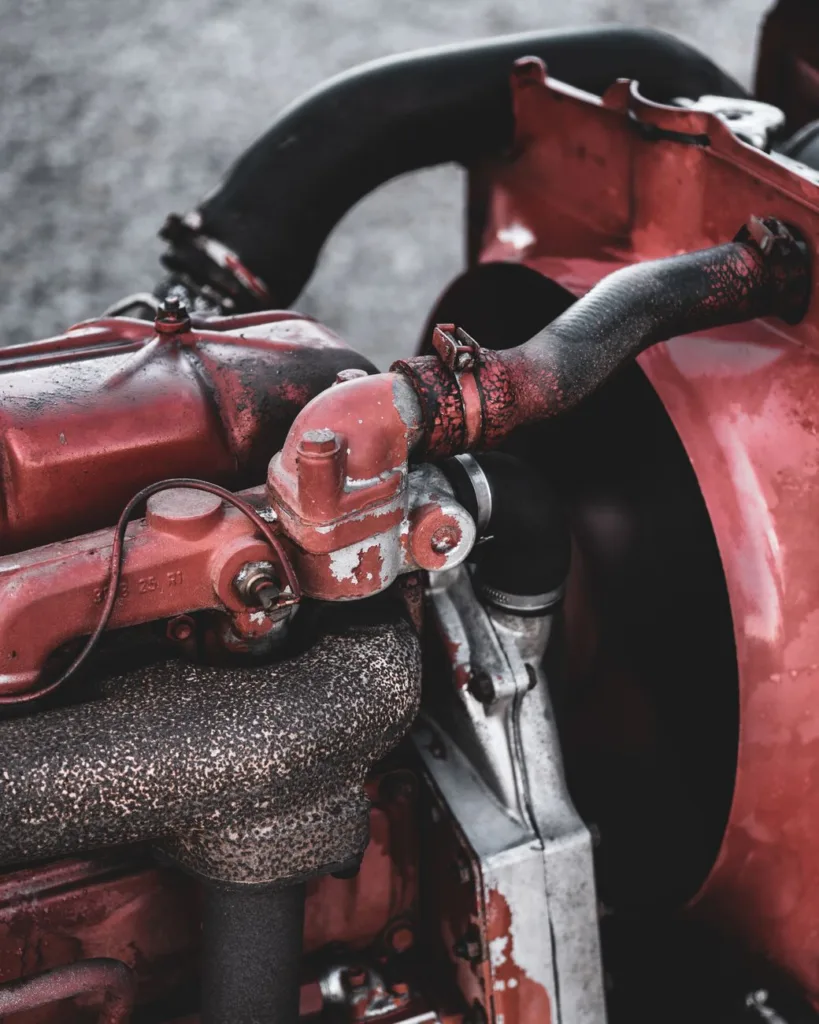
If a motor mount fails, the engine or transmission can move more than it should. That usually causes stronger vibration, clunking during acceleration or shifting, roughness at idle, and in more serious cases damage to nearby parts such as hoses, exhaust components, axles, wiring, or the transmission mount. A completely failed motor mount usually will not make the engine fall out of the car, but it can make the vehicle unpleasant to drive and can lead to more expensive repairs if ignored.
Motor mount problems often start small. You may notice a vibration in the steering wheel at idle, a thump when shifting from park to drive, or the engine rocking when you press the throttle. Those symptoms matter because the mounts are what hold the drivetrain in place while also absorbing movement and vibration.
Understanding what happens when a motor mount fails helps you decide how urgent the repair is, whether it is safe to keep driving for a short time, and what related problems to watch for. In many cases, replacing a bad mount early is much cheaper than waiting until drivetrain movement damages other components. Motor mount replacement also involves fasteners that need to be tightened correctly, so a reliable torque wrench for automotive work is useful if the repair is being done at home.
What a Motor Mount Does
A motor mount, sometimes called an engine mount, secures the engine to the vehicle’s frame or subframe. On many vehicles, the transmission also has its own mount or shares support with the engine mounts. Together, these mounts keep the drivetrain positioned correctly while allowing controlled movement.
Most mounts are made from metal with a rubber insulator in the middle. Some modern vehicles use hydraulic mounts filled with fluid to reduce vibration more effectively. Performance vehicles may use stiffer mounts, while everyday passenger cars usually use softer mounts for comfort.
The mount has two main jobs:
- Support the weight and position of the engine and transmission
- Absorb vibration and limit drivetrain movement during acceleration, braking, and shifting
When a mount wears out or breaks, it can no longer control that movement properly. That is when the symptoms start showing up.
What Happens If a Motor Mount Fails?
The most immediate result of a failed motor mount is excessive engine movement. Instead of staying relatively stable, the engine twists and rocks more than normal. That movement can be felt through the cabin, heard as knocking or clunking, and seen if the engine shifts noticeably when the throttle is applied.
Here is what commonly happens:
- Vibration increases, especially at idle
- The engine may lurch when shifting into gear
- You may hear clunks when accelerating or letting off the gas
- The transmission may feel harsher during gear changes
- Parts attached to the engine can contact nearby components
- Stress on hoses, wiring, exhaust joints, and CV axles can increase
In mild cases, the issue is mainly comfort and drivability. In severe cases, the movement can create a chain reaction of other problems. The longer the mount stays bad, the greater the chance that something else gets damaged.
Common Symptoms of a Bad or Failed Motor Mount
Strong Vibration at Idle
One of the most common signs is a vibration you feel when stopped at a light or while the engine is idling in park or drive. If the mount’s rubber has torn or collapsed, more engine vibration transfers directly into the body of the car.
Hydraulic mounts are especially noticeable when they fail because they are designed to isolate vibration very well when healthy. Once they leak or collapse, the difference in cabin comfort can be dramatic.
Clunking or Thumping When Shifting
If you hear a clunk when moving from park to reverse or from park to drive, the engine may be shifting too much because the mount is no longer holding it firmly. This can also happen when accelerating from a stop or when lifting off the throttle.
Drivers often describe it as a heavy thud from under the hood. The sound is usually more obvious during low-speed load changes than during steady cruising.
Engine Movement Under Acceleration
A healthy engine moves slightly under load. A failed mount allows much more movement than normal. In some cases, you can see the engine tilt excessively when someone briefly revs the engine while the brake is applied.
This symptom should be checked carefully and safely. Excessive rocking is a strong clue that one or more mounts are broken or separated.
Harsh or Jerky Shifting
On automatic transmission vehicles, a bad mount can make shifts feel more abrupt because the entire drivetrain moves during gear changes. The transmission itself may be fine, but the extra movement makes the shift feel rougher.
This sometimes leads owners to suspect a transmission problem first. In reality, the mount issue may be contributing to the sensation.
Unusual Noises During Acceleration or Braking
You might hear knocking, banging, or metal-to-metal contact when getting on or off the gas. Since the engine changes position under torque, bad mounts can allow components to hit the frame, subframe, heat shields, or other nearby parts.
Visible Damage to the Mount
In some vehicles, a visual inspection reveals obvious problems:
- Cracked or separated rubber
- Leaking fluid from a hydraulic mount
- Metal bracket damage
- A collapsed mount that lets the engine sit lower than normal
Not every failed mount is easy to see, but visible damage is a strong sign replacement is needed.
How Serious Is a Failed Motor Mount?
A failed motor mount is usually not a “stop immediately and tow it every time” problem, but it should not be ignored. The seriousness depends on how badly the mount has failed and how much movement the engine has.
If the mount is only beginning to crack, the symptoms may be limited to a slight vibration. If the mount is fully separated or collapsed, the engine can move enough to create safety concerns and damage other parts.
| Mount Condition | Typical Symptoms | Risk Level | Recommended Action |
|---|---|---|---|
| Early wear | Mild idle vibration, slight roughness | Low to moderate | Inspect soon and plan repair |
| Partially failed | Noticeable clunks, harsher shifting, engine movement | Moderate | Repair promptly |
| Severely failed | Heavy banging, large engine movement, contact with nearby parts | High | Minimize driving and repair as soon as possible |
If you notice loud impacts, major vibration, or obvious drivetrain shifting, it is smart to reduce driving until the problem is fixed.
Can You Keep Driving With a Bad Motor Mount?
Sometimes, yes, for a short period. But it depends on how bad the failure is. A minor mount issue may allow limited driving while you schedule repairs. A severely broken mount can cause enough engine movement to damage other components or make the car difficult to control smoothly.
For example, a commuter car with a slightly worn mount may just feel rough at stoplights. A vehicle with a completely separated mount may slam during shifts and tug on hoses or exhaust parts every time the engine twists.
Short-term driving may be possible if:
- The symptom is mild vibration only
- There is no heavy clunking
- The engine is not visibly shifting excessively
- No other components are being contacted or stretched
You should avoid unnecessary driving if:
- The engine bangs under load
- Shifting causes a strong thud
- You smell exhaust in unusual situations
- Hoses, belts, or wiring appear stressed
- The vehicle feels increasingly rough or unpredictable
Think of a bad motor mount as a problem that tends to worsen other problems. Driving a little while you arrange service is different from putting it off for months.
What Parts Can Be Damaged by a Failed Motor Mount?
This is where the real cost of ignoring the problem shows up. The mount itself may not be the most expensive part involved, but uncontrolled drivetrain movement can damage many surrounding components.
Transmission Mounts
If one engine mount fails, the remaining mounts often carry more load than they were designed for. That extra stress can wear out the transmission mount or other engine mounts more quickly.
Exhaust Components
The exhaust system is connected to the engine and also supported by hangers under the vehicle. Excessive engine movement can strain flex pipes, exhaust joints, manifolds, and heat shields. You may end up with rattles, leaks, or broken hardware.
Radiator Hoses and Coolant Hoses
When the engine shifts too much, hoses can stretch, rub, or contact hot or sharp surfaces. Over time that can lead to leaks or hose damage.
Wiring Harnesses and Connectors
Electrical wiring near the engine is designed for normal movement, not excessive rocking. A failed mount can pull on connectors, rub through insulation, or create intermittent electrical issues that seem unrelated at first.
CV Axles and Driveline Components
On front-wheel-drive cars especially, drivetrain alignment matters. Too much movement can increase stress on inner CV joints and axles. This does not happen in every case, but severe mount failure can contribute to driveline wear.
Belts, Fans, and Intake Components
If the engine shifts enough, accessories and intake parts can move out of alignment or contact nearby pieces. In severe cases, fan shrouds, air intake tubes, and plastic covers can crack.
Why Motor Mounts Fail
Motor mounts are wear items. They do not fail on a fixed schedule, but they often degrade gradually with age, heat, vibration, and fluid exposure.
Common causes include:
- Age and mileage. Rubber hardens, cracks, and separates over time.
- Oil or fluid contamination. Leaking engine oil or power steering fluid can soften and damage rubber mounts.
- Aggressive driving. Hard launches, abrupt shifting, and repeated drivetrain shock increase mount stress.
- Potholes or impacts. A hard impact can sometimes crack a mount or bracket.
- Heat. Engine bay heat slowly breaks down rubber and hydraulic mount materials.
- High engine torque. Vehicles with powerful engines or towing use often place greater load on mounts.
In many cases, a mount fails simply because the vehicle is older and the rubber has reached the end of its useful life.
How Mechanics Diagnose a Bad Motor Mount
Diagnosing a bad motor mount usually involves a combination of inspection and symptom testing. A mechanic does not rely on one sign alone because vibrations and clunks can also come from suspension issues, exhaust contact, or transmission problems.
Visual Inspection
The technician looks for cracked rubber, separated mount sections, fluid leakage from hydraulic mounts, broken brackets, or a mount that has collapsed. Sometimes comparison to the opposite side helps reveal the problem.
Engine Movement Test
With proper safety precautions, the drivetrain may be loaded briefly while the mechanic watches for excessive engine movement. Too much rocking under torque often points directly to a failed mount.
Checking for Contact Marks
Evidence such as shiny metal spots, rubbed hoses, damaged heat shields, or witness marks around the engine bay can show where the engine has been moving abnormally.
Ruling Out Similar Problems
Good diagnosis matters because some symptoms overlap with other faults. For example:
- Rough idle can also come from misfires
- Clunks can also come from worn suspension or driveline parts
- Harsh shifting can also come from transmission issues
The mount problem is confirmed by finding both the symptom and the physical evidence.
Motor Mount Failure vs Other Problems
| Symptom | Possible Motor Mount Issue | Other Possible Cause |
|---|---|---|
| Vibration at idle | Collapsed or torn mount transfers vibration | Engine misfire, poor idle speed control |
| Clunk when shifting | Engine moves excessively under load | Transmission mount, driveline slack |
| Bang during acceleration | Broken mount allows engine to hit nearby parts | Suspension, subframe, or axle issue |
| Harsh gear changes | Drivetrain movement makes shifts feel abrupt | Transmission internal issue or software behavior |
| Rattle under hood | Mount failure causes component contact | Loose heat shield or exhaust part |
This is why a proper inspection is worth doing before replacing parts based only on symptoms.
What It Feels Like in Real-World Driving
The effect of a failed motor mount often changes depending on how the vehicle is used.
At Stoplights
A worn mount is often most obvious at idle with the transmission in drive and your foot on the brake. The cabin may buzz or shake more than normal, especially with the air conditioning on.
In City Traffic
Frequent stop-and-go driving highlights clunks and lurches. Every shift from acceleration to deceleration puts torque through the drivetrain, so bad mounts become easier to notice.
On the Highway
Steady highway cruising may feel fairly normal if the mount issue is moderate. However, passing, merging, or climbing grades can still reveal movement and vibration.
In Older High-Mileage Vehicles
Older cars often have more than one worn mount. In that situation, symptoms can overlap and become much more obvious. The driver may assume the engine is running badly when the real issue is poor drivetrain isolation.
How Much Does Motor Mount Replacement Usually Cost?
Costs vary a lot by vehicle design, number of mounts, labor access, and whether hydraulic mounts are used. Some mounts are easy to reach. Others require supporting the engine and removing surrounding components.
| Repair Type | Typical Cost Range | Notes |
|---|---|---|
| Single simple mount replacement | $150 to $400 | Often on vehicles with easier access |
| Single hydraulic or difficult-access mount | $300 to $700+ | Luxury vehicles and transverse engines can cost more |
| Multiple mounts replaced together | $400 to $1,200+ | Depends heavily on vehicle layout and parts used |
These are broad real-world estimates, not fixed prices. Labor rates and parts pricing vary by region and vehicle. The important point is that replacing a mount early is often cheaper than waiting for collateral damage.
Should You Replace Just One Motor Mount or All of Them?
That depends on the age of the vehicle and the condition of the other mounts. If one mount has clearly failed and the others still test well, replacing only the bad one may be reasonable.
However, if the vehicle is older and multiple mounts show wear, replacing more than one at the same time can make sense. The labor overlap may reduce total cost compared with doing one now and another soon after.
A mechanic may recommend replacing the transmission mount too if it has been stressed by the failed engine mount. This is especially common when symptoms suggest several mounts are weak.
Common Mistakes Drivers Make With Bad Motor Mounts
Ignoring Mild Symptoms for Too Long
Many motor mount problems start as a small vibration or occasional clunk. Because the vehicle still drives, owners delay repair. That can turn a simple mount replacement into a larger repair involving exhaust, hoses, or other mounts.
Assuming It Is Only an Engine Tune Problem
Vibration at idle often makes people think spark plugs or ignition coils are the cause. Sometimes they are, but if the engine is running smoothly and the vibration is mostly physical, mounts should be checked.
Replacing Parts Based Only on Noise
Clunks can come from suspension, axles, subframe bushings, or mounts. Replacing parts without confirming the source can waste money and leave the real problem unsolved.
Not Fixing Oil Leaks
If oil is leaking onto a rubber mount, the new mount may fail earlier too. It is smart to inspect and address any leak that may have contributed to the original damage.
Waiting Until the Engine Movement Becomes Severe
Once the engine starts moving dramatically, the risk of secondary damage rises. Repair is usually much simpler before the mount fully separates.
Practical Tips if You Suspect a Motor Mount Has Failed
- Pay attention to when the symptom happens. Idle only, shifting, acceleration, and braking all provide clues.
- Look for fluid leaks near the mounts. Oil contamination can shorten mount life.
- Check whether the vibration changes in park versus drive. Mount-related vibration often changes with engine load.
- Do not repeatedly rev the engine in gear to test it yourself. Excessive loading can be unsafe without proper procedure.
- Schedule an inspection if you hear thuds or feel strong movement. Those signs usually mean the problem has progressed beyond minor wear.
- Ask whether other mounts should be inspected at the same time. One failed mount can hide wear elsewhere.
When Motor Mount Failure Becomes More Urgent
Some situations make the issue more pressing than others.
Loud Impact Noises
If you hear a hard bang when shifting or accelerating, the engine may be moving far enough to strike nearby structures. That should be checked soon.
Visible Engine Tilt or Sag
If the engine appears lower on one side or shifts clearly when torque is applied, the mount may be collapsed or separated.
Damaged Hoses, Wiring, or Exhaust
If surrounding parts are already being stretched or rubbed, continued driving could create a second repair problem quickly.
Severe Cabin Vibration
A sudden increase in harshness often means a mount has failed more completely rather than just wearing gradually.
Can a Failed Motor Mount Cause Safety Problems?
Indirectly, yes. The mount itself is usually not thought of the same way as brakes or tires, but severe drivetrain movement can affect control feel, shifting behavior, and the integrity of surrounding components.
For example, if a failing mount causes the exhaust to shift or a hose to rub through, the resulting issue may become more serious than the original mount problem. In extreme cases, drivetrain movement can interfere with normal operation enough that the vehicle should not be driven much until repaired.
That said, many bad mounts begin as drivability and comfort issues rather than immediate emergencies. The key is not to assume they will stay mild forever.
FAQ
Can a bad motor mount damage the transmission?
It can contribute to stress on the transmission mount and make shifts feel harsh. It usually does not directly destroy the transmission by itself, but excessive drivetrain movement can lead to related wear and drivability problems.
Will a bad motor mount cause check engine lights?
Usually not directly. Motor mounts are mechanical components, so they often fail without triggering a warning light. However, if excess movement affects wiring or sensors, related issues could appear.
Can a motor mount fail suddenly?
Yes. Many mounts wear gradually, but a mount can also tear or separate more suddenly after age, impact, or heavy drivetrain shock.
Can you visually inspect a motor mount yourself?
Sometimes. You may be able to spot cracked rubber, leaking hydraulic fluid, or a collapsed mount. But some mounts are hidden, and diagnosis often requires more than a quick look.
Does a bad motor mount cause vibration only at idle?
No. Idle vibration is common, but bad mounts can also cause clunks during shifting, movement during acceleration, and harshness under load.
How long do motor mounts usually last?
There is no universal interval. Many last well over 100,000 miles, while others fail earlier due to oil leaks, heat, driving conditions, or vehicle design.
Should all motor mounts be replaced at once?
Not always. If only one has failed and the others are in good condition, one may be enough. On older vehicles with multiple worn mounts, replacing several together may be more practical.
Can a bad motor mount sound like suspension noise?
Yes. Clunks from the engine bay or during load changes can sometimes be confused with suspension or axle noise. Proper diagnosis is important.
Key Takeaways
If a motor mount fails, the engine can move excessively and transfer more vibration into the vehicle. The usual results are rough idle, clunking during shifting or acceleration, and a harsher overall driving feel. The bigger concern is that continued driving can strain or damage nearby parts such as hoses, wiring, exhaust components, and other mounts.
A minor mount issue may allow short-term driving while you arrange repair, but a severe failure should be addressed quickly. The sooner the problem is diagnosed, the better the chance you avoid more expensive secondary damage. If your car has new vibrations, thuds when shifting, or obvious engine movement, a motor mount inspection is a smart next step.