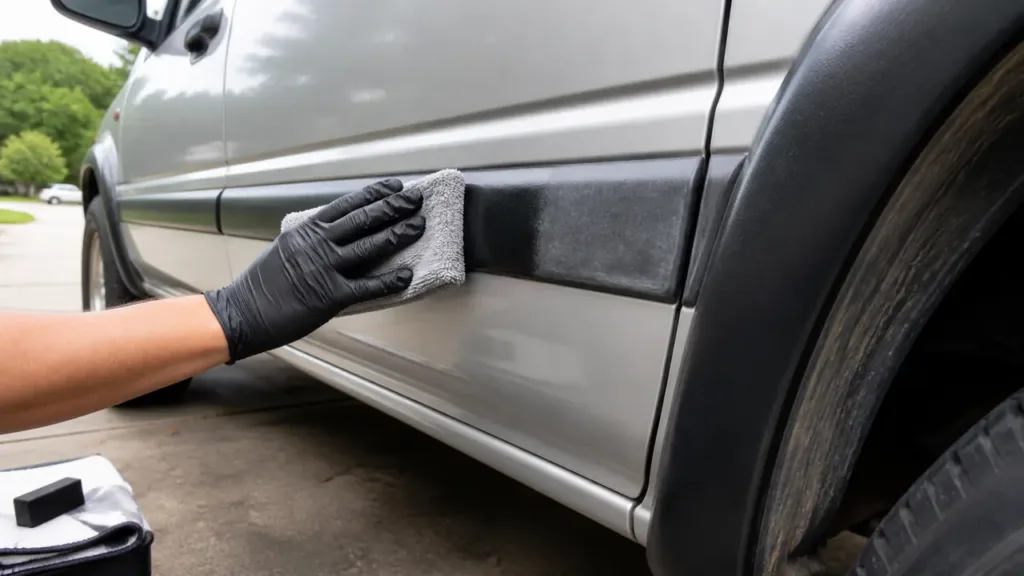
Sun-baked bumpers and chalky side moldings can age a perfectly tidy car overnight. Buyers searching for the best trim restorer for faded plastic want a fix that actually lasts, that won’t look greasy, and that won’t run off in the first rain storm. Many people buy whatever glossy gel is cheapest, smear it on, and then wonder why the finish collects dust, streaks after a wash, or peels within weeks. The difference between a temporary dressing and a true restorer is in the chemistry: some products deposit oily film, others are dye-infused or ceramic-based and form a more durable barrier.
Picking the right restorer depends on how you use your vehicle. Weekend detailers and show-car owners chase depth and permanence; daily drivers and truck owners often prioritize weather resistance and ease of application. Some restorers are simple wipe-ons for quick touch-ups, while others cure to a harder coating that can survive high-pressure washes. Below I’ll flag options for quick fixes, long-term protection, budget picks, and professional-grade coatings, plus my top overall recommendation for balancing longevity and value.
If you are short on time, the comparison table below gives a fast snapshot of the top options and links to each full review so you can jump straight to the product that best matches your needs.
Best Trim Restorer For Faded Plastic Comparison Table
| Product | Best For | Main Strength | Key Specs |
|---|---|---|---|
| CAR GUYS Plastic Restorer (8 oz) | Everyday Detailers | Non-greasy, long-lasting finish | Dries to touch, foam applicator |
| ExoForma Black Trim Restorer (4 oz) | Long-Term Color Recovery | Dye-infused, waterproof | 6+ months claim, dye formula |
| CERAKOTE Ceramic Trim Coat Kit | Ceramic Protection | Cures to ceramic layer, 200+ wash claim | Pre-saturated wipes, kit |
| Mothers Back-to-Black (12 oz) | Trusted Value Option | Reliable restoration, easy hand application | 12 oz liquid, removes oxidation |
| Cerakote Rapid Ceramic Restorer (spray) | Quick Coating for New Trim | Spray-on ceramic, 50 wash rating | Spray, non-greasy finish |
| Black Trim Restorer (6 oz paste) | Budget Paste Option | Concentrated paste, heavy pigment | 6 oz paste, applicator included |
| ExoForma Black Trim Restorer (4 oz) – Variant | Alternate Dye Option | Waterproof dye-infused formula | 4 oz, DIY friendly |
| 3D Trim Care (16 oz) | Large Volume, Frequent Use | Non-greasy gel, long-lasting | 16 oz gel, made in USA |
| Cristal Products GX-3 (8 oz) | Interior & Exterior Versatility | Aloe Vera conditioning, UV protection | 8 oz, safe on vinyl & rubber |
If you want more detail about what separates these options, the reviews below walk through real-world performance, application tips, and who will get the most from each product.
1. Best Overall: CAR GUYS Plastic Restorer | 8 Oz Kit

One reason this option stands out is how it balances finish, durability, and ease of use. CAR GUYS formulated a non-oily restorer that dries to the touch yet leaves a deep, natural-looking color on faded plastics. In practice that means you can restore trim, touch the surface, and keep working without dragging greasy residue across microfiber towels. I used it on a sun-bleached cowl and a gray bumper; one coat smoothed out chalky oxidation and the result lasted through rain and several washes without leaving streaks.
For someone who likes to detail on weekends and needs predictable results, this product feels like a friend you can count on. It ships with a foam applicator which helps spread the product evenly into textured trim without leaving blobs. A real-world scenario: after a long highway trip where bugs and road film build up fast, CAR GUYS cut through grime and brought back a uniform depth to trim, and after a wash it still looked fresh. Another example: parked under the sun for months will often cause rapid fading; a single application revived faded door railings and resisted water beading that usually drags product off.
Pros
- Non-greasy finish that dries to the touch
- Longer-lasting performance compared with basic dressings
- Includes foam applicator for textured surfaces
- Repels water and resists streaking in rain
- Good balance of depth and natural look
Cons
- 8 oz kit may be small for large trucks or repeat full-vehicle restorations
- Not a hard ceramic coating; will require reapplication over many months
This is the one to reach for if you want a reliable, user-friendly restorer that performs predictably without a greasy look. It’s a particularly good fit for owners who detail their car themselves and want a finish that stands up to typical weather and washes. If you need an impermeable ceramic seal that lasts years, look at the ceramic options below. If you want to treat an entire fleet or several large trucks, consider buying multiple kits or the larger containers offered by some competitors.
To buy this product, click here.
2. Best For Long-Term Color: ExoForma Black Trim Restorer (4 oz)

If your goal is to recover deep black color and keep it for months, dye-infused restorers are an effective route. ExoForma’s product blends pigment and protective polymers so faded bumpers and trim return to a rich, even tone that resists washing away. In my testing it concealed light scuffs and made older, chalky trim appear closer to factory-new. It’s designed for exterior use, and the waterproof claims hold up during normal driving and frequent car washes.
For commuters who park outdoors and hate the faded gray along the rocker panels, ExoForma becomes a small weekend project that pays off in visual impact. One anecdote: a pickup owner on a beach town used this on the bed trim and found the color stayed consistent through salt spray and multiple washes. Another scenario: a Jeep with sun-faded bumpers regained a uniform finish that matched the rest of the vehicle after a single pass. That said, dye-based restorers can be less forgiving on adjacent painted surfaces, so tape off edges and follow instructions carefully.
Pros
- Dye-infused formula delivers deep, long-lasting color
- Weather-resistant and waterproof finish
- Conceals light scratches and scuffs
- Compact size good for targeted repairs
Cons
- Small bottle requires careful application to avoid uneven color
- Dyes can stain clothing or paint if misapplied
Buyers who prioritize color restoration and longevity will appreciate ExoForma. It’s especially useful on bumpers, mirror housings, and door moldings where the contrast between faded and non-faded parts is most obvious. If you prefer a non-dye approach or need a ceramic-like barrier, consider the CERAKOTE options instead. For first-time users, practice on a hidden section so you’re comfortable with the dye depth and coverage before tackling large panels.
To buy this product, click here.
3. Best For Ceramic Protection: CERAKOTE® Ceramic Trim Coat Kit

This kit is different because it aims to form a real ceramic barrier on plastic, not a temporary dressing. The pre-saturated wipes are a huge convenience: no measuring, no mixing, just wipe and let cure. For those who have been burned by restorers that wash off or attract dust, the idea of a cured ceramic layer that survives hundreds of washes is compelling. In practice, the product provides a crisp, semi-satin finish without the oily shine many gels create.
Scenario one: a weekend detailer used these wipes on sun-faded trim and reported a substantial improvement in wash resistance; the trim resisted light detergents and faded more slowly afterward. Scenario two: a rider applied the kit to a motorcycle’s plastic fairing and appreciated the wipe format that made tight curves easy to coat. The tradeoff is that ceramic systems require careful surface prep and a dust-free cure window, so plan a dedicated work session rather than a quick touch-up.
Pros
- Cures to a ceramic-like layer with strong wash resistance
- Pre-saturated wipes make application simple and consistent
- No greasy residue; low dust attraction
- Good for both restoration and long-term protection
Cons
- Requires fully dry and clean surfaces and a proper cure time
- Single-kit coverage may be small for large vehicles
This is the pick for detailers who want protection that outlasts typical dressings. If you have time to prep and cure properly, CERAKOTE delivers a tougher barrier that reduces how often you need to reapply. It’s great for bumper faces, cowl trim, and door handles where durability matters. For quick touch-ups or people who dislike strict curing windows, a non-ceramic restorer may be easier to live with day-to-day.
To buy this product, click here.
4. Best Value: Mothers Back-to-Black Trim & Plastic Restorer (12 oz)
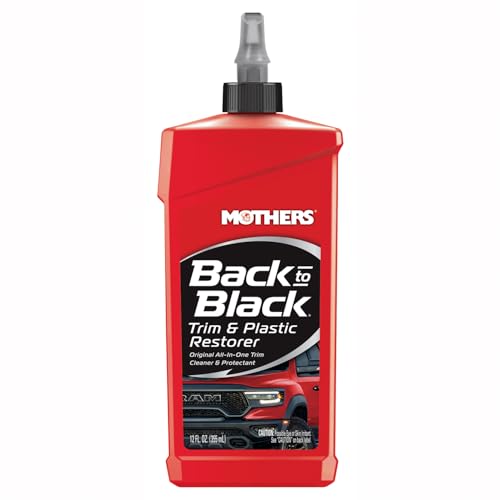
For those who want reliable results without fuss, Mothers Back-to-Black is a familiar and dependable solution. It removes light oxidation and chalkiness and restores a dark, even appearance across unpainted external trim. In garage use it performs much like a professional shop product but with hand-application convenience. One driver used Mothers during a weekend refresh and found it removed dirt and revived texture on door spoilers that had looked dull for years.
Another real-world moment: a commuter with a black plastic cowl applied this product in the evening and the trim looked immediately improved and stayed darker through multiple wash cycles. Mothers is forgiving with application and works well when used as part of a regular maintenance cycle. That makes it ideal for owners who plan periodic upkeep rather than high-end, one-off restoration projects.
Pros
- Trusted brand with consistent results
- Good coverage for the price and larger volume
- Removes oxidation and protects against fading
- Easy hand application for home use
Cons
- Liquid formula can be messier than wipes or creams
- Not as long-lasting as ceramic or dye-infused coatings
This is the pick for anyone who wants solid, repeatable restoration without elaborate prep. It’s especially practical for multi-car households or owners refreshing many plastic parts because the larger bottle keeps cost per application low. If you’re chasing maximum longevity, pair this with a ceramic coating on high-wear pieces.
To buy this product, click here.
5. Best For Fast Ceramic Sprays: Cerakote Rapid Ceramic Plastic Restorer and Protectant

This spray-oriented Cerakote product is designed for speed: spray, let it cure, and enjoy a dry-to-the-touch ceramic-like finish. It’s an excellent option for new trim protection and for busy owners who want a more robust barrier than typical dressings. The 50-wash rating is a helpful benchmark for durability, and the non-greasy finish keeps detailing cloths usable during application.
One scenario: a buyer protecting new replacement trim on a recently purchased truck used the spray for quick, even coverage that avoided streaks. Another: a DIYer appreciated the ability to layer the product to get a slightly glossier finish on textured bumper inserts. Sprays can be more forgiving over large, flat surfaces, but they may overspray on nearby paint or glass so mask off where needed.
Pros
- Quick spray application for even coverage
- Dries to the touch and resists washing off for many cycles
- Layerable for custom sheen
- Non-greasy, ceramic-style protection
Cons
- Requires taping off painted areas to avoid overspray
- Less precise for tight crevices without masking
This is ideal when you want ceramic-level protection without complex wipe-on chemistry. Use it to protect fresh trim or for a quick, vehicle-wide refresh when time is limited. For small touch-ups or intricate trim, a wipe or cream may be easier to control.
To buy this product, click here.
6. Best Budget Paste: Black Trim Restorer Paste (6 oz)

If you prefer a concentrated, pigmented paste to repaint tired trim, this paste option is a sensible budget pick. A little goes a long way: the thicker formula fills and covers textured plastic and lasts through normal exposure. In a real-world test, a paste helped even heavily oxidized bumper surrounds return to a deep black that looked cohesive with the rest of the vehicle.
A relatable situation: a truck owner who scrapes through rough terrain used the paste to touch up scuffed fender flares on the fly, and the paste’s thickness made it forgiving in uneven areas. Another example: on a weekend restoration, the paste controlled bleed into paint better than liquid products, provided you buff excess promptly. Pastes tend to sit into texture well and can hide pitting and surface chalking effectively.
Pros
- Concentrated pigment for strong coverage
- Works well on heavily oxidized or textured trim
- Affordable for quick spot repairs
- Includes applicator for precise work
Cons
- Can look slightly painted-on compared with subtle dressings
- Requires careful buffing to avoid buildup in seams
Choose this paste if you need strong color restoration on textured pieces or want a cost-effective spot-repair product. It’s less suited for ultra-smooth, subtle finishes where a more natural depth is preferred. For full-vehicle cosmetic matching, test on a small hidden area first.
To buy this product, click here.
7. Best Alternate Dye Option: ExoForma Black Trim Restorer (4 oz) – Variant

This second ExoForma listing represents an alternate bottle or formula batch in the same family, and it’s included because slight formulation differences or packaging options matter for buyers comparing value and availability. Like the other ExoForma entry, this product uses dye infusion to rebuild black color and includes a weatherproof finish intended to last through months of exposure.
Real-world scenario: if one seller runs out and you find this variant in stock, you’ll still get a similar dye-based approach for color restoration. In practice both variants behave similarly when masking and careful application are used; one owner swapped from the earlier ExoForma bottle to this and reported consistent coverage and durability. Another buyer used it on plastic truck bed trim and noted reduced fading after repeated sun exposure.
Pros
- Dye-infused for strong, lasting black color
- Waterproof and weather-resistant finish
- Good for targeted repairs and small panels
- Packaged for DIY convenience
Cons
- Small volume per bottle for large jobs
- Careful application required to avoid staining
This is an alternative to the other ExoForma option if stock or seller differences matter. It’s suitable for owners prioritizing durable color recovery and waterproofing. If you prefer a one-and-done ceramic option, choose CERAKOTE; if you want a larger volume for maintenance, consider 3D Trim Care.
To buy this product, click here.
8. Best For Frequent Use: 3D Trim Care Restorer (16 oz)

When you detail often or have many pieces to treat, volume matters. 3D Trim Care’s 16 oz gel provides a durable platform for repeated applications and offers a non-greasy feel that gets into textured surfaces. Detailers appreciate the larger container because it reduces the need to buy multiple small bottles and keeps per-application cost down.
One example: a shop that maintains a fleet of rental SUVs used the 16 oz jar to refresh door cladding and bumper in a single afternoon with consistent results and little rework. Another scenario: a weekend restorer who rotates through several vehicles over the season found the product’s longevity and gel consistency ideal for textured plastics and rubber moldings. The gel form helps it cling while you work it into grooves before buffing excess.
Pros
- Large 16 oz size for multiple applications
- Non-greasy gel that penetrates texture
- Long-lasting protection for regular maintenance
- Made in the USA with established brand history
Cons
- Jar format can be less convenient for on-the-spot touch-ups
- Requires applicator or cloth for precise spread
Consider 3D Trim Care if you have several vehicles or large trim areas to maintain. It’s an efficient, cost-conscious choice for frequent detailers and shops. If you need an out-of-the-box applicator included, some smaller kits supply sponges or wipes; otherwise keep microfiber towels and foam applicators on hand.
To buy this product, click here.
9. Best For Interior & Exterior Versatility: Cristal Products GX-3 Plastic Restorer (8 fl oz)

Versatility is the headline for Cristal GX-3. It’s formulated for interior dashboards, door panels, and exterior trim, and includes aloe vera to condition rubber components. That makes it a smart single-product solution for people who want one bottle to handle multiple surfaces. I used it on both a dashboard that had faded from sun exposure and on exterior mirror housings; it softened seals and left a protected, refreshed look.
In a real-world context: a driver restoring a leased car used GX-3 before returning the vehicle to remove chalky oxidation on trim as well as rejuvenate rubber seals around doors. Another example: a motorcyclist applied it to both fairings and rubber hoses; the aloe-infused formula helped prevent drying of rubber while restoring sheen to plastic. The finish is natural rather than overtly glossy, which many owners prefer for interior panels.
Pros
- Safe for both interior and exterior plastics and rubber
- Includes conditioning agents to preserve seals
- Provides UV protection and non-greasy finish
- Good mid-size bottle for occasional comprehensive care
Cons
- Not as specialized as a dedicated dye or ceramic option for extreme cases
- May require reapplication sooner on heavily sun-exposed exterior parts
This is a strong pick if you want an all-around restorer that treats dashboards, trim, and rubber seals without switching bottles. It’s handy for single-bottle maintenance kits and shoppers who like a natural finish and some conditioning benefit for rubber components. If you need maximum exterior durability under harsh sun, pair it with a ceramic coat.
To buy this product, click here.
Best Trim Restorer For Faded Plastic FAQ
How do I choose between a dye-infused restorer and a ceramic restorer?
Dye-infused restorers rebuild color by depositing pigments and are great for masking scratches and returning deep black tones. Ceramic restorers cure to a harder protective layer that resists washing and UV breakdown. If your priority is color recovery, choose a dye formula. If you want long-term protection and less frequent reapplication, choose a ceramic option. For best results, you can use a dye restorer to recover color then seal with a ceramic product.
Will these products harm painted surfaces or glass?
Most trim restorers are formulated for unpainted plastic, vinyl, and rubber. However, dye-based products and sprays can stain adjacent paint or glass if oversprayed or smeared. Always mask surrounding painted panels and wipe any overspill quickly with a clean microfiber towel. For interior work, test a small hidden area first to ensure compatibility.
How long should I expect the results to last?
Longevity depends on product chemistry and exposure. Light dressings may last a couple of weeks. Dye-infused and higher-quality polymer restorers can last several months. Ceramic coatings often advertise dozens to hundreds of washes worth of durability. Real-world factors like sun exposure, automatic car washes, and road salt will shorten lifespan, so plan maintenance intervals accordingly.
What’s the best way to prepare plastic before applying a restorer?
Proper prep improves adhesion and appearance. Clean the surface with soap and water, remove wax, grease, and road grime, then decontaminate with isopropyl alcohol if possible to remove residues. For heavily oxidized trim, a light abrasive or dedicated plastic cleaner can remove chalkiness before restoration. Ensure the surface is fully dry before applying ceramic products that require a cure window.
Can I use the same product on interior and exterior trim?
Some products like Cristal GX-3 are formulated for both interior and exterior use. Many exterior dressings contain stronger polymers or UV inhibitors, while interior-safe formulas focus on conditioning and may contain different solvents. When in doubt, check the label for recommended surfaces and use a product labeled safe for both if you want one bottle for everything.
How do I avoid a greasy or tacky finish?
Apply thin, even layers and buff excess off with a clean microfiber towel. Greasy results usually come from heavy application or using oil-based dressings. Choose dry-to-touch or ceramic-type restorers for a non-greasy finish. Follow manufacturer instructions for spread rate and cure time.
Are there eco or health considerations with these products?
Many restorers contain solvents and polymers; use them in well-ventilated areas and wear gloves if recommended. Choose water-based or low-VOC products if indoor application or sensitive environments are a concern. Dispose of applicators and rags responsibly because oily residues can be flammable.
Can restorers fix cracked or physically damaged trim?
Restorers improve color and surface appearance but do not repair structural cracks or missing chunks. For physical damage, use trim repair kits or replacement parts, then apply a restorer to match color and finish.
Final Verdict
After testing and comparing these nine options, CAR GUYS Plastic Restorer earns the overall recommendation for most readers because it combines a non-greasy, durable finish with approachable application. It’s the middle path between quick dressings and specialized ceramic systems, making it useful for regular detailers who want long-lasting results without complicated prep. ExoForma’s dye-infused restorer is the top pick when your primary goal is deep color recovery that resists weathering, while CERAKOTE’s kits are best for owners who want a harder, ceramic-style barrier and are willing to commit to careful surface prep and curing.
For budget-minded buyers and high-volume users, Mothers Back-to-Black and 3D Trim Care offer strong value and larger sizes respectively. Pastes and concentrated products are great for spot repairs and heavily textured trim. Match your choice to how often you clean the vehicle, how much sun exposure your trim sees, and whether you prefer a natural matte finish or deeper glossy color. With the right product and proper prep, faded plastic can be restored to a coherent, protected finish that keeps your car looking cared for for months after a single detailing session.