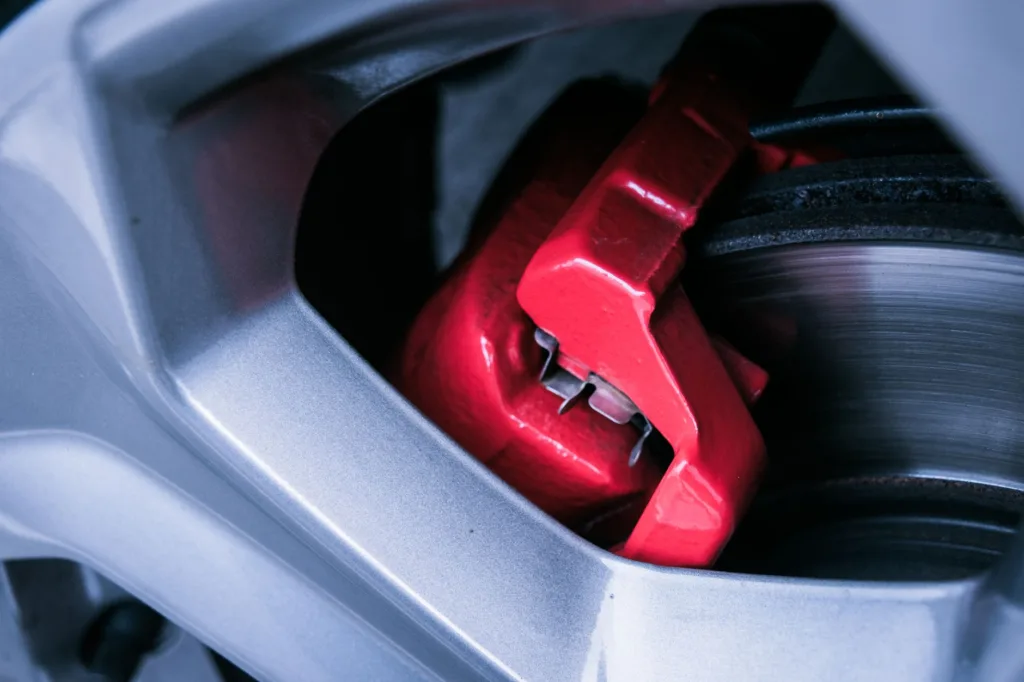
A brake fluid flush usually costs about $80 to $200 at an independent shop and roughly $100 to $250 at a dealership. On some luxury, performance, or specialty vehicles, the price can run higher, especially if the service requires a scan tool, extra labor, or more expensive brake fluid. If you do it yourself, the out-of-pocket cost is often around $15 to $50 for fluid and basic supplies, but the job needs to be done correctly because brakes are a safety-critical system.
The exact cost depends on your vehicle, the type of brake fluid it uses, local labor rates, and whether the shop performs a full fluid exchange or a smaller bleed. It also matters whether the vehicle has ABS, electronic brake systems, or hard-to-access bleeder screws. Understanding what you are paying for helps you avoid overpaying and helps you know when this service is actually needed.
Typical Brake Fluid Flush Cost Range
Most drivers will fall somewhere in the middle of the price range. Brake fluid service is not usually one of the most expensive maintenance items, but pricing can vary more than many people expect.
| Service Option | Typical Cost Range | What It Usually Includes |
|---|---|---|
| DIY brake fluid flush | $15 to $50 | Brake fluid, basic hose or bleeder bottle, small supplies |
| Independent repair shop | $80 to $200 | Labor, fresh fluid, standard flush or bleed |
| Dealership | $100 to $250 | OEM-spec fluid, labor, factory procedures |
| Luxury or performance vehicle | $150 to $350+ | Higher labor rates, specialty fluid, possible scan-tool procedures |
These are general estimates, not fixed national prices. In high-cost urban areas, labor can push the service above the typical range. In lower-cost areas, you may find brake fluid service near the bottom of the range.
What a Brake Fluid Flush Actually Is
A brake fluid flush removes old brake fluid from the brake system and replaces it with fresh fluid. The goal is to get most or all of the degraded fluid out of the master cylinder, brake lines, calipers, wheel cylinders, and sometimes parts of the ABS hydraulic unit.
Brake fluid absorbs moisture over time. This is normal for most common glycol-based brake fluids such as DOT 3, DOT 4, and DOT 5.1. As moisture content rises, the fluid’s boiling point drops, corrosion risk increases, and braking performance can suffer under heavy use.
A flush is different from simply topping off the brake fluid reservoir. Topping off only adds fluid to the reservoir and does not remove contaminated fluid deeper in the system.
What Affects the Cost of a Brake Fluid Flush?
Vehicle Type
A compact sedan usually costs less to service than a luxury SUV, performance coupe, or heavy-duty truck. Some vehicles have easier brake system access, while others require more time to safely bleed each wheel.
Brake Fluid Type
The type of fluid matters. DOT 3 is often less expensive than DOT 4, and some European vehicles require specific low-viscosity or higher-performance formulations. Using the wrong brake fluid can cause braking problems or damage seals, so shops should use the manufacturer-specified type.
Labor Rates
Local labor rates are a major factor. A shop in a rural area may charge far less than a dealership in a major metro area. Even if the procedure is similar, the labor portion can vary significantly.
ABS and Electronic Brake Systems
Vehicles with ABS, stability control, or electronic brake assist may need additional steps during bleeding. Some systems can trap fluid in internal passages, and in certain cases a scan tool is needed to cycle valves or pumps as part of the procedure. That can add labor time and cost.
Condition of the Brake System
If bleeder screws are rusted, rounded off, or seized, the job may become more complicated. A simple flush can turn into additional repair work if a screw breaks or a brake hose is already damaged.
Shop Procedure
Some shops perform a true fluid exchange using a pressure or vacuum bleeder. Others may do a more limited manual bleed. Ask what their service includes so you can compare quotes fairly.
Brake Fluid Flush vs Brake Bleed
These terms are often used interchangeably, but they are not always the same thing.
| Service | Main Purpose | Typical Situation | Cost Tendency |
|---|---|---|---|
| Brake bleed | Remove air from the brake lines | After brake repair or when pedal feels spongy | Usually lower if limited in scope |
| Brake fluid flush | Replace old fluid throughout the system | Scheduled maintenance or moisture-contaminated fluid | Usually higher than a simple bleed |
A brake bleed may only involve one corner of the vehicle after a repair, while a flush is generally a full-system maintenance service. When you request pricing, ask whether the quote is for a full brake fluid flush or a basic bleed.
Why Brake Fluid Service Matters
Brake fluid does more than fill the lines. It transfers hydraulic pressure from your brake pedal to the brakes at each wheel. If the fluid is old or contaminated, that pressure transfer can become less reliable, especially in demanding conditions.
Fresh brake fluid helps maintain proper pedal feel and protects internal components. Old fluid can contribute to corrosion in the master cylinder, ABS components, brake lines, calipers, and wheel cylinders. Those parts are much more expensive than routine fluid service.
For everyday drivers, the benefit is not always dramatic right away, which is why brake fluid service gets skipped. But over the long term, neglect can lead to more costly problems and reduced braking confidence.
How Often Should Brake Fluid Be Flushed?
Many manufacturers recommend brake fluid replacement about every 2 to 3 years, though some specify mileage and others specify time only. The best source is your owner’s manual or factory maintenance schedule.
Some drivers may need it sooner. Examples include:
- Frequent mountain driving
- Towing or hauling heavy loads
- Track days or aggressive driving
- Humid climates where moisture exposure is higher
- Vehicles that have had recent brake component replacement
If your maintenance schedule says every 3 years, waiting 6 or 7 years is usually not a good idea just because the brakes still seem to work. Brake fluid often degrades gradually, not all at once.
Signs You May Need a Brake Fluid Flush
Brake fluid should ideally be serviced on schedule, but there are also warning signs that suggest it may be overdue.
- Dark or dirty brake fluid in the reservoir
- Soft or spongy brake pedal
- Reduced braking response during heavy braking
- Brake warning light in some cases
- Moisture test indicates contamination
- No record of service for several years
Not all of these symptoms automatically mean you only need a flush. A spongy pedal can also indicate air in the lines, worn components, a failing master cylinder, or a leak. If the pedal suddenly feels unsafe, have the vehicle inspected promptly.
What Happens During a Brake Fluid Flush?
The exact procedure varies by vehicle and equipment, but a standard brake fluid flush usually includes several basic steps.
- Inspect the brake fluid reservoir and confirm the correct fluid specification.
- Remove old fluid from the reservoir as appropriate.
- Refill with fresh fluid.
- Bleed fluid through each brake line and wheel in the correct sequence.
- Continue until clean fluid exits and air is removed.
- Set final fluid level and check brake pedal feel.
- In some cases, cycle ABS components using a scan tool if required by the manufacturer procedure.
A proper service should also include checking for leaks, damaged bleeder screws, and obvious brake system issues. If a shop quotes an extremely low price, ask whether they are performing a complete flush or just removing and replacing reservoir fluid.
How Long Does a Brake Fluid Flush Take?
Most brake fluid flushes take about 30 minutes to 1 hour. Some vehicles are quicker, while others take longer because of brake system design, corrosion, or ABS procedures.
At a busy repair shop, your vehicle may be there longer than the actual hands-on labor time. That does not necessarily mean the job itself is difficult. It often reflects shop scheduling.
Brake Fluid Flush Cost by Vehicle Type
The following table shows broad pricing patterns by vehicle category. These are not brand-specific guarantees, but they are useful for setting expectations.
| Vehicle Type | Typical Shop Cost | Notes |
|---|---|---|
| Compact car | $80 to $150 | Usually simple access and lower fluid cost |
| Midsize sedan | $90 to $180 | Common price range at independent shops |
| SUV or pickup | $100 to $200 | May require more fluid or added labor |
| Luxury vehicle | $120 to $250 | Higher labor rates and more specific procedures |
| Performance or specialty vehicle | $150 to $350+ | Special fluid and advanced bleeding procedures possible |
Dealership vs Independent Shop Pricing
Dealership
Dealerships often charge more, but they may be more familiar with brand-specific service procedures. This can matter on vehicles with unusual brake systems or manufacturer-specific bleeding steps.
Independent Shop
Independent shops are often less expensive and can provide excellent service. A good independent repair facility with the right tools can handle brake fluid flushes on most vehicles without issue.
Which Is Better?
For many mainstream vehicles, either option can be fine. The better choice depends on the shop’s experience, whether they use the correct fluid, and whether they follow the proper bleeding procedure for your vehicle.
DIY Brake Fluid Flush Cost and Considerations
Doing the job yourself can save money, but only if you are comfortable working on brakes and understand the bleeding process. The direct cost is relatively low.
| DIY Item | Typical Cost |
|---|---|
| Brake fluid | $10 to $30 |
| Bleeder hose or bottle | $5 to $15 |
| Basic hand tools | Varies |
| Pressure or vacuum bleeder | $30 to $100+ |
DIY makes the most sense if you already own tools and know the correct procedure. If you are new to brake work, this is not the best place to guess. Introducing air into the system, using the wrong fluid, or damaging a bleeder screw can create bigger problems than the original service cost.
DIY Risks to Be Aware Of
- Using the wrong brake fluid specification
- Letting the reservoir run dry and pulling air into the system
- Overtightening or breaking bleeder screws
- Spilling fluid on painted surfaces
- Incomplete bleeding that leaves the pedal soft
- Missing an ABS-specific procedure
Does Brake Fluid Type Change the Price?
Yes. The difference may not always be dramatic, but fluid type affects both material cost and sometimes the procedure itself.
| Brake Fluid Type | Common Use | Cost Impact |
|---|---|---|
| DOT 3 | Many older and mainstream vehicles | Usually lowest |
| DOT 4 | Many modern cars, European models, performance applications | Moderate |
| DOT 5.1 | Some higher-performance systems | Higher |
| DOT 5 silicone | Specialty use only, not typical passenger cars | Varies, must not be confused with DOT 5.1 |
DOT 5 silicone fluid is not interchangeable with most systems designed for DOT 3, DOT 4, or DOT 5.1. If you are unsure what your vehicle uses, check the reservoir cap and owner’s manual.
Can a Brake Fluid Flush Prevent Expensive Repairs?
It can help reduce risk, especially in the hydraulic parts of the braking system. Moisture-contaminated fluid can promote internal corrosion. Over time, that may contribute to master cylinder wear, ABS hydraulic unit issues, or caliper problems.
A flush is not a guarantee against future repairs, but it is relatively inexpensive compared with replacing major brake hydraulic components. On many vehicles, a single ABS module or master cylinder repair can cost several times more than routine fluid service.
When a Low Price Is Not Actually a Good Deal
If one shop quotes $49 and another quotes $140, ask what is included before assuming the cheaper option is better. Some very low-price services may involve only suctioning fluid from the reservoir and refilling it. That does not fully replace fluid in the lines and calipers.
Here are a few questions worth asking:
- Is this a full-system brake fluid flush?
- Will you bleed all four corners?
- Are you using the correct manufacturer-specified fluid?
- Does the price include ABS bleeding procedures if required?
- Are taxes and shop fees included in the quote?
A complete and correct service at a fair price is usually better value than a bargain service that leaves most of the old fluid in the system.
Common Mistakes Vehicle Owners Make
Assuming Brake Fluid Lasts Forever
Many drivers replace pads and rotors but never think about brake fluid. Because the fluid is not consumed like fuel or washer fluid, it is easy to overlook. But it does age and absorb moisture.
Only Topping It Off
Topping off low fluid does not replace degraded fluid. It may also mask a problem if the level is low because of worn pads or a leak.
Ignoring the Owner’s Manual
Some drivers wait until they notice a symptom, even though brake fluid service is often time-based. Following the maintenance schedule is usually the smarter approach.
Using the Wrong Fluid
Brake fluid is not one-size-fits-all. Mixing incorrect types can create problems. Always use the specification listed by the vehicle manufacturer.
Delaying Service on Infrequently Driven Cars
Low-mileage vehicles still need brake fluid service. Time matters because moisture absorption happens even if the car is not driven much.
Practical Tips to Keep Brake Fluid Service Simple and Affordable
- Check your maintenance schedule so you are not paying too early or too late.
- Ask for a written estimate before approving the service.
- Confirm fluid specification especially on European or performance vehicles.
- Bundle brake work wisely if you are already having calipers, hoses, or other hydraulic parts replaced.
- Do not delay for years because neglected fluid can contribute to more expensive hydraulic repairs.
- Inspect the fluid occasionally but do not judge condition by color alone.
Real-World Service Scenarios
Daily Commuter Sedan
A common midsize car used for commuting may need a brake fluid flush every 2 to 3 years. At an independent shop, the cost might land around $100 to $150, especially if no brake system issues are present.
High-Mileage SUV
An older SUV with rusty bleeder screws or neglected maintenance may cost more because the service can take longer. If a screw seizes or breaks, the price can climb beyond a routine flush.
European Luxury Car
A newer European vehicle may require DOT 4 or a specific low-viscosity fluid and may have stricter service procedures. Prices at a dealership can easily reach the upper end of the normal range.
Weekend Performance Car
A car driven aggressively in hot weather or on track days may need fluid changes more often than a normal commuter car. In that case, paying more for the correct high-performance fluid and proper bleeding is usually justified.
Is a Brake Fluid Flush Worth It?
For most vehicles, yes. It is one of those maintenance services that may not feel urgent until the fluid has already aged too much. Compared with the cost of major brake hydraulic repairs, a routine flush is relatively affordable.
If your vehicle is due by time, mileage, or manufacturer schedule, the service is generally worth doing. It is especially worthwhile if the car is several years old and has no record of brake fluid replacement.
How to Know If You Are Being Overcharged
A high quote does not always mean a shop is overcharging, but you should understand what is driving the price. Ask whether the service includes the correct fluid, a complete system flush, and any brand-specific procedures.
You may be paying more if:
- The vehicle is luxury, European, or high performance
- The brake system requires scan-tool activation
- Labor rates in your area are high
- The brake hardware is corroded or difficult to service
You may be overcharged if the price is high but the service description is vague. A shop should be able to explain exactly what they are doing and why.
FAQ
How much should a brake fluid flush cost?
For most vehicles, expect roughly $80 to $200 at an independent shop and $100 to $250 at a dealership. Some specialty vehicles cost more.
Is a brake fluid flush the same as a brake bleed?
No. A brake bleed usually removes air from the lines, while a brake fluid flush replaces most or all of the old fluid in the system.
How often do you need a brake fluid flush?
Many vehicles need one every 2 to 3 years, but you should follow your owner’s manual because intervals vary by manufacturer.
Can I drive with old brake fluid?
You may be able to, but it is not ideal. Old fluid can absorb moisture, reduce performance under stress, and increase corrosion risk inside the brake system.
Why is dealership brake fluid service more expensive?
Dealerships often have higher labor rates and may use factory-specific procedures and fluids. That can raise the price compared with many independent shops.
Can I flush brake fluid myself?
Yes, but only if you know the correct procedure and use the right fluid. Brake work is safety-critical, and mistakes can lead to poor brake performance.
Does dark brake fluid always mean it needs to be flushed?
Dark color can be a warning sign, but color alone is not a perfect test. Service history, age, and moisture testing give a better picture.
What happens if brake fluid is never changed?
Over time, moisture contamination can lower the boiling point and contribute to internal corrosion. That can affect braking performance and may lead to more expensive hydraulic repairs.
Final Takeaway
If you are asking how much a brake fluid flush costs, the short answer is that most drivers will pay somewhere around $80 to $200, with dealerships and specialty vehicles often costing more. The exact price depends on the vehicle, fluid type, local labor rates, and whether the shop is doing a true full-system flush.
The bigger point is that brake fluid service is not just a box to check. It helps protect braking performance and the hydraulic parts that make your brakes work. If your vehicle is due based on time or the maintenance schedule, getting a proper brake fluid flush is usually money well spent.