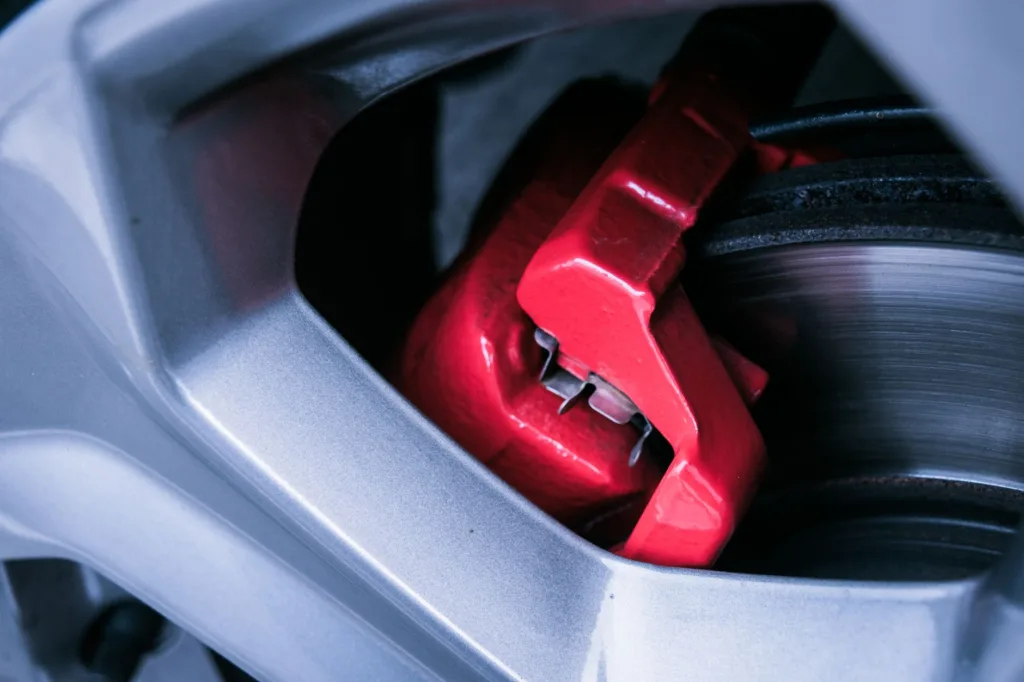
Most vehicles should have their brake fluid flushed about every 2 to 3 years, or roughly every 20,000 to 45,000 miles, but the best answer is always the one in your owner’s manual. Some manufacturers specify time, some specify mileage, and some use a shorter interval for severe driving conditions. If you wait too long, moisture contamination can lower the fluid’s boiling point, reduce braking performance, and contribute to internal corrosion in expensive brake components.
Brake fluid is one of the most overlooked maintenance items because it does not get dirty in the same obvious way as engine oil. But it ages even when the car is driven very little. That is why a low-mileage vehicle can still be overdue for a brake fluid flush.
If you want the short version, this is the rule of thumb: check your owner’s manual first, flush every 2 to 3 years if no interval is listed, and do not ignore signs of contaminated brake fluid. The rest of this guide explains why the interval matters, what changes it, what symptoms to watch for, and how to decide whether your car is due now.
Anyone doing the job at home will also need a reliable way to move old fluid and trapped air through the system. The options in our brake bleeder kit comparison cover several approaches to that part of the job.
Why Brake Fluid Needs to Be Flushed Periodically
Brake fluid transfers force from your foot on the brake pedal to the brake calipers or wheel cylinders. For that job to work properly, the fluid needs to remain stable under heat and pressure. The problem is that most common brake fluids are hygroscopic, which means they absorb moisture over time.
That moisture does not usually pour into the reservoir all at once. It slowly enters through the brake system’s venting, seals, hoses, and routine exposure to air during service. Even in a well-maintained system, some moisture absorption is normal.
Once water content rises, several problems can develop:
- Lower boiling point, which can lead to brake fade during repeated hard braking
- Internal corrosion in steel lines, calipers, wheel cylinders, and ABS components
- Reduced braking consistency, especially under heavy heat
- More expensive repairs later, because ABS hydraulic units and calipers are not cheap
Brake fluid service is less about restoring a smooth feel like an oil change and more about preventing silent damage inside the hydraulic system.
Typical Brake Fluid Flush Intervals
There is no single interval that applies to every vehicle, but there are common patterns that cover most passenger cars, SUVs, and light trucks.
| Vehicle Use or Guidance | Typical Flush Interval | Notes |
|---|---|---|
| Owner’s manual specifies interval | Follow manual exactly | Best source for your vehicle |
| No interval listed | Every 2 to 3 years | Common safe rule of thumb |
| Normal driving with moderate mileage | About every 30,000 miles | Often aligns with time-based service |
| Severe use, towing, mountains, repeated heavy braking | Closer to every 2 years | Heat accelerates fluid breakdown concerns |
| Performance driving or track use | Much more frequently | May require specialized fluid and inspection |
| Very low mileage vehicles | Still every 2 to 3 years | Moisture contamination can happen with age alone |
If your manual says every 3 years, do that. If it says every 20,000 miles, do that. If it says inspect and replace as needed, then a 2 to 3 year interval is usually a sensible baseline unless a qualified technician tests the fluid and confirms it is still in good shape.
What Counts as a Brake Fluid Flush?
A brake fluid flush is more than just topping off the reservoir. Topping off only adds fresh fluid to the top while leaving most old fluid inside the brake lines, calipers, master cylinder, and ABS hydraulic unit.
A proper flush generally means:
- Removing old fluid from the reservoir
- Refilling with the correct new fluid type
- Bleeding fluid through the brake system at each wheel
- Continuing until fresh fluid comes through cleanly and air is removed
Some vehicles require a specific bleeding sequence. Others may need a scan tool procedure to cycle ABS components during certain repairs. That is one reason brake fluid service can be straightforward on some cars and more involved on others.
Brake Fluid Flush vs Brake Bleeding
These terms are often used interchangeably, but they are not always the same.
| Service | Main Purpose | When It Is Typically Done |
|---|---|---|
| Brake bleeding | Remove air from the brake system | After brake repairs or when pedal feels spongy |
| Brake fluid flush | Replace most or all old fluid with fresh fluid | Scheduled maintenance or contaminated fluid |
You can bleed brakes without fully flushing the system, but a full flush typically includes bleeding as part of the process. If you are paying for preventive maintenance, make sure the service actually replaces the old fluid rather than only bleeding a small amount.
How Driving Conditions Affect Brake Fluid Life
The interval in the manual assumes a certain range of use, but real-world driving can shorten or extend how urgently a flush is needed.
Frequent Stop-and-Go Driving
Drivers in city traffic use their brakes more often, which creates more heat cycles. While this does not instantly ruin brake fluid, repeated heat exposure can make moisture-contaminated fluid more problematic over time.
Towing and Hauling
If you tow a trailer or carry heavy loads regularly, the braking system works harder. More brake heat means a greater reason to stay on the shorter side of the service interval.
Mountain Driving
Long downhill grades can generate substantial brake heat. In these conditions, old brake fluid with a reduced boiling point is more likely to cause trouble than it would during casual suburban driving.
Humid Climates
Moisture contamination is especially relevant in humid regions. Brake fluid absorbs water from the environment over time, so climate can influence how quickly the fluid degrades.
Low-Mileage or Stored Vehicles
A car that sits in a garage most of the year may still need brake fluid service on time. Low mileage does not stop moisture absorption. In fact, long periods of sitting can sometimes make brake system corrosion concerns more noticeable.
Signs Your Brake Fluid May Need Attention Sooner
Even if you have not reached the recommended interval, some warning signs suggest it is worth checking the brake fluid and braking system.
- Spongy or soft brake pedal
- Brake pedal feels inconsistent
- Reduced braking performance during repeated stops
- Brake warning light or ABS-related concerns
- Very dark or dirty-looking fluid in the reservoir
- Known brake system repair history with old fluid still in the system
These symptoms do not always mean the fluid alone is the problem. Worn pads, air in the lines, leaks, failing master cylinders, and ABS issues can produce similar symptoms. Still, old fluid should be part of the inspection.
What Healthy Brake Fluid Should Look Like
Fresh brake fluid is usually clear to light amber, though the exact shade can vary by type and brand. As it ages, it often becomes darker. Dark fluid does not automatically prove it has failed, but it is a useful clue that the system is overdue for inspection or service.
What you should not do is judge brake fluid condition by color alone. The real issue is often water content and boiling point, and those cannot be measured accurately just by looking at the reservoir.
Can You Test Brake Fluid?
Yes. Shops may use a brake fluid tester or test strips to check moisture content or fluid condition. These tools can be useful, but they are still secondary to the manufacturer’s service schedule. If your manual says replace it every 3 years and you are at year 5, testing should not be the excuse to keep delaying it.
What Happens If You Never Flush Brake Fluid?
Some vehicles go many years without a brake fluid flush and still seem to stop normally. That can make this maintenance item feel optional. It is not.
The risk of neglected fluid tends to build slowly rather than all at once. Common long-term consequences include:
- Corrosion inside brake lines and components
- Seized caliper parts or wheel cylinder issues
- Premature master cylinder wear
- Expensive ABS hydraulic control unit damage
- Poor braking under high heat
The worst part is that the damage often happens internally, where the driver cannot see it. By the time braking performance noticeably changes, component wear may already be advanced.
How Brake Fluid Type Affects Service
Using the correct fluid matters just as much as changing it on time. Most everyday vehicles use DOT 3, DOT 4, or DOT 5.1 brake fluid. These are glycol-based fluids and are generally hygroscopic. DOT 5 is different because it is silicone-based and is not used in most modern daily drivers.
| Brake Fluid Type | Common Use | Key Notes |
|---|---|---|
| DOT 3 | Many older and economy vehicles | Common, hygroscopic, follow vehicle spec |
| DOT 4 | Many modern vehicles | Higher boiling point than DOT 3 in many cases |
| DOT 5.1 | Some higher-performance or specialized applications | Not the same as DOT 5 |
| DOT 5 | Specialized or limited applications | Silicone-based, generally not interchangeable with DOT 3/4/5.1 systems |
Always use the fluid specified on the reservoir cap or in the owner’s manual. Mixing the wrong types can create braking issues and damage seals or system performance. If you are not certain which fluid your vehicle requires, verify before opening a bottle.
How Often Should Different Types of Drivers Flush Brake Fluid?
Here are some practical examples that make the interval easier to understand.
Daily Commuter
If you drive 12,000 to 15,000 miles per year in mixed city and highway traffic, a flush every 2 to 3 years is a reasonable expectation unless your manual says otherwise.
Low-Mileage Retiree Vehicle
If the car only sees 3,000 miles a year, you still should not wait 8 or 10 years. Time matters more than mileage in this case.
Family SUV Used for Road Trips and Hills
If the vehicle handles mountain vacations, heavy cargo, or a lot of passengers, stay toward the shorter end of the interval. Heat matters.
Work Truck or Towing Vehicle
Brake fluid in a truck that tows regularly should not be treated as a lifetime fill. A 2-year interval is often the safer mindset unless the manual says something more specific.
Performance Car or Track-Day Car
Repeated hard braking can stress fluid quickly. These vehicles may need much more frequent service than a typical commuter car, especially if they see autocross, canyon driving, or track events.
Brake Fluid Flush Costs
The cost varies by vehicle, local labor rates, and whether the service is simple or requires extra steps. In many areas, a standard brake fluid flush on a normal passenger vehicle commonly falls somewhere around $90 to $180. Some luxury vehicles or systems with more involved procedures can cost more.
DIY cost is usually lower, but only if you already have the necessary tools and understand the correct bleeding process. Mistakes in brake work can affect safety, so this is not a maintenance item to guess your way through.
Compared with the cost of replacing calipers, brake lines, a master cylinder, or ABS hydraulic components, periodic fluid service is usually inexpensive preventive maintenance.
Can You Flush Brake Fluid Yourself?
Yes, some owners do it themselves, but it is not the easiest beginner maintenance task. You need the correct fluid, a bleeding method, the right wheel sequence, and care to avoid introducing air into the system.
You also need to prevent contamination. Brake fluid can damage painted surfaces, and many containers should not be stored long-term once opened because the fluid can absorb moisture from the air.
DIY Is More Reasonable If
- You have basic brake service experience
- You know the correct fluid specification
- You have access to service information for the bleeding sequence
- You understand how to confirm there is no air left in the system
Professional Service Is Wiser If
- You are a first-time DIYer
- Your vehicle has a complex ABS or electronic braking system
- You are already dealing with a soft pedal or suspected leak
- You are unsure which fluid to use
With brakes, confidence and correct procedure matter more than saving a little money.
Common Mistakes Drivers Make With Brake Fluid Service
Brake fluid tends to be ignored because it does not attract attention. That leads to several common maintenance mistakes.
Waiting for a Symptom Before Doing Anything
Many owners assume they only need a flush when the brake pedal feels bad. By then, the fluid may already have been degrading for years. Scheduled maintenance is the better approach.
Only Topping Off the Reservoir
Adding fresh fluid does not replace the old fluid throughout the system. It is not the same as a flush.
Using the Wrong Fluid Type
DOT ratings matter. A brake system designed for one type should not be filled with another unless the manufacturer clearly allows it.
Ignoring Time Because Mileage Is Low
This is one of the biggest misconceptions. Brake fluid can age out before it wears out.
Leaving the Fluid Reservoir Open Too Long
Brake fluid absorbs moisture from the air. During service, the system should not be left exposed any longer than necessary.
Assuming Dark Fluid Is the Only Warning Sign
Fluid can be moisture-contaminated before it looks terrible. Appearance alone is not a complete diagnosis.
Maintenance Tips to Help Your Brake System Last Longer
A flush interval is important, but overall brake system care matters too.
- Follow the owner’s manual for fluid type and replacement intervals
- Inspect the reservoir level periodically, but do not overfill it
- Fix leaks promptly if fluid level drops unexpectedly
- Have the brakes inspected during pad and rotor service
- Use sealed new brake fluid containers if doing DIY work
- Do not reuse old brake fluid
- Stay on the shorter interval if you tow, drive in mountains, or brake hard often
It also helps to keep records. If you bought a used car and the brake fluid history is unknown, starting with a baseline flush is often a practical move.
When a Used Car Should Get a Brake Fluid Flush
Used cars often come with incomplete maintenance records. If you cannot verify when the brake fluid was last changed, it is reasonable to consider a flush early in your ownership, especially if the fluid looks old or the vehicle is several years old.
This is particularly true for vehicles with:
- Unknown service history
- High mileage
- Rust exposure
- Signs of neglected maintenance
- Recent brake component replacement without full fluid service
Starting fresh with known maintenance intervals makes future decisions much easier.
Does an EV or Hybrid Need Brake Fluid Flushes Too?
Yes. Electric vehicles and hybrids still use hydraulic brake systems, even though regenerative braking may reduce wear on pads and rotors. The brake fluid still ages and can still absorb moisture over time.
In fact, because friction brakes may be used less aggressively in some hybrids and EVs, owners can mistakenly assume all brake maintenance is reduced. Pad wear may be lower, but brake fluid service is still important and should follow the manufacturer’s schedule.
When You Should Not Delay a Brake Fluid Service
Do not push it off if any of these apply:
- The owner’s manual interval has already passed
- The car is more than 3 years beyond its last documented flush
- The brake pedal feels soft or inconsistent
- The brake system has recently been opened for repairs
- You drive in severe conditions such as towing or mountain descents
- You bought the car used and do not know the fluid history
Brake fluid service is one of those maintenance items that is easy to delay because the vehicle may still seem to stop fine. That is exactly why it gets neglected.
FAQ
How often should you flush brake fluid if you barely drive?
Usually every 2 to 3 years unless your owner’s manual says otherwise. Brake fluid absorbs moisture with age, not just mileage.
Is brake fluid flush really necessary?
Yes. It helps maintain braking performance and helps prevent internal corrosion in brake components, including expensive ABS parts.
Can I just add new brake fluid instead of flushing it?
No. Topping off only refreshes a small amount in the reservoir. It does not replace most of the old fluid in the system.
What happens if brake fluid gets old?
It can absorb moisture, lose boiling point performance, and contribute to corrosion inside the hydraulic braking system.
How do I know if my brake fluid needs to be changed?
The best indicator is the manufacturer’s service interval. Dark fluid, a soft pedal, or unknown maintenance history are also good reasons to inspect or replace it.
Should brake fluid be changed when replacing brake pads?
Not always, but it is a good time to review the service history. If the fluid is due by time or mileage, combining the services can make sense.
Can old brake fluid cause a soft brake pedal?
It can contribute, especially if moisture contamination or heat is involved. But a soft pedal can also be caused by air in the lines, leaks, or failing hydraulic components.
How long does a brake fluid flush take?
On many vehicles, about 30 minutes to an hour. Some systems take longer if access is difficult or special procedures are required.
Do hybrids and EVs use brake fluid?
Yes. Regenerative braking does not eliminate the hydraulic brake system, so fluid changes still matter.
Key Takeaways for Brake Fluid Flush Timing
For most vehicles, flushing brake fluid every 2 to 3 years is a solid general guideline, but the owner’s manual is the final authority. Mileage matters, but time matters just as much because brake fluid absorbs moisture as it ages.
If you tow, drive in mountains, brake hard often, or own a vehicle with unknown service history, lean toward a shorter interval. If the fluid has been neglected for years, replacing it is usually much cheaper than dealing with corroded brake components later.
The simplest way to stay ahead of the problem is to treat brake fluid like any other scheduled maintenance item. Check the specification, note the last service date, and do not assume low mileage means it can wait forever.