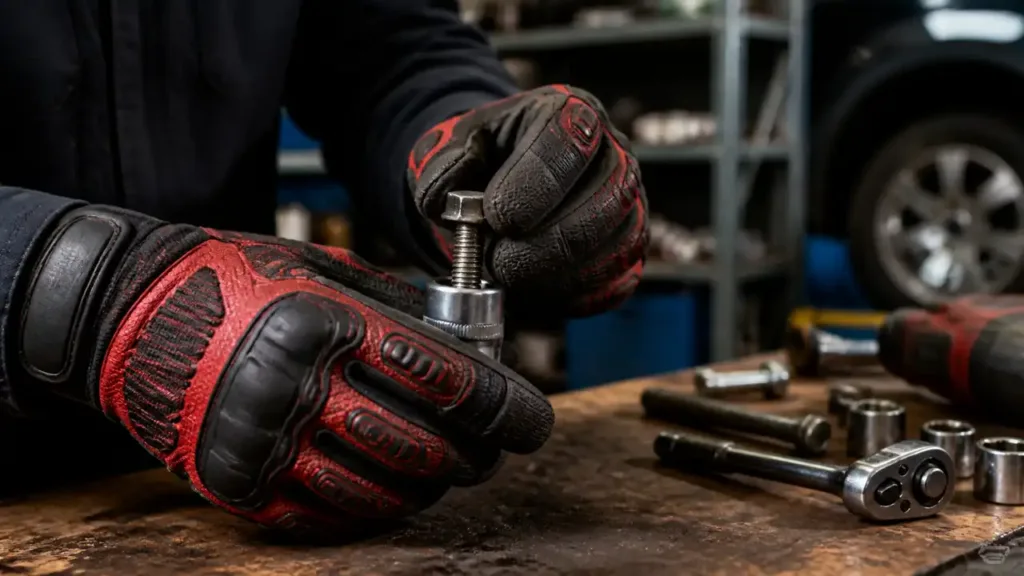
Grease under the nails, a stubborn bolt that refuses to budge, and the cold metal of a ratchet, those are familiar textures for anyone who spends time under hoods. Buyers searching for the best mechanic gloves want two things: protection from chemicals, punctures, and grime, and enough feel to manipulate small fasteners and sensors. Too many shoppers make the mistake of buying the cheapest disposable option or a heavy leather glove that kills dexterity, then wonder why bolts slip or touchscreen diagnostics fail mid-job.
What matters most depends on how you work. Weekend DIYers often prioritize affordability and grip for quick oil changes. Professional techs need puncture resistance, repeated-use durability, and consistent tactile feedback. Meanwhile, detail-oriented mechanics want thin, textured nitrile for sensor work and cleanroom-safe tasks. My top overall pick balances thickness, grip, and tactile feedback for general shop use while the rest of the list splits into budget disposables, heavy-duty industrial options, and reusable textile gloves built for grip and impact protection.
If you need a quick look at the best options before diving into full reviews, the comparison table below summarizes the top nine picks and links to their detailed sections so you can jump straight to the glove that suits your workflow.
Best Mechanic Gloves Comparison Table
| Product | Best For | Main Strength | Key Specs |
|---|---|---|---|
| NEOTRIL 8 Mil Heavy Duty Disposable Nitrile Gloves | General Shop Work | Thick nitrile, textured grip | 8 mil, latex-free, touchscreen |
| Mechanix Wear Original Tactical Glove | Impact Protection & Versatility | Durable synthetic leather palm | Touchscreen, vented palm, multiple sizes |
| Ironclad GUG04L General Utility Spandex Gloves | Light- to Medium-Duty Shop Tasks | Slim fit with reinforced palm | Spandex back, padded palm, rubberized knuckles |
| HANDLANDY Mens Work Gloves | Budget Textile Glove | Foam padding and touchscreen tips | Synthetic leather, padded knuckles, breathable |
| ANBOSON 10 Mil Diamond Textured Nitrile Gloves | Heavy-Duty Disposable | Extra-thick puncture resistance | 10 mil, diamond texture, latex-free |
| TitanFlex Heavy Duty Industrial Orange Nitrile Gloves | High Visibility & Heavy Work | Raised diamond grip, 8 mil thickness | 8 mil, orange, powder-free |
| Inspire Heavy Duty 6Mil Stretch Nitrile Gloves | High-Volume Professional Use | Large box counts, consistent fit | 6 mil, powder-free, 100-count |
| Mechanix Wear Original Work Gloves | All-Purpose Reusable Glove | Breathable back with reinforced palm | CoolPlus mesh, vented palm, washable |
| Grease Monkey Bone Series Foam Nitrile Gloves | Grip-Focused Coated Gloves | Foam nitrile-coated palm for oily tasks | Foam nitrile, flexible, budget-friendly |
The table gives a quick snapshot; read on for full reviews and use-case recommendations that help match each glove to specific shop tasks and budgets.
1. Best Overall: NEOTRIL 8 Mil Heavy Duty Disposable Nitrile Gloves

One reason this option stands out is the balance between protection and touch. NEOTRIL’s 8 mil nitrile gives enough thickness to shrug off scrapes from securing hoses while staying thin enough to feel sensors and threads. Picture changing an alternator on a cold morning and still being able to feel terminal taps; or wiping oil off a gasket and using your phone’s diagnostic app without removing gloves. Those real-world moments are where tactile nitrile matters.
If your day alternates between greasy hands and paperwork, these gloves work well. They grip with a raised diamond texture, resist punctures better than thinner disposables, and are latex- and powder-free — useful if someone in the shop has sensitivities. At the same time, keep in mind that very heavy prying or repeated abrasion against sharp edges will wear them out faster than a leather or textile glove designed for reuse.
Pros
- Thick 8 mil nitrile for improved puncture resistance
- Raised diamond texture offers confident grip on oily parts
- Latex- and powder-free, reducing skin irritation
- Touchscreen-capable so you can use devices without stripping gloves
- Ambidextrous and available in multiple sizes
Cons
- Disposable by design, not suitable for long-term repeated use
- Can feel bulky on very small fasteners compared with thinner nitrile
These gloves are ideal for general shop tasks where contamination control matters: oil changes, fluid handling, quick diagnostics, and cleaning. If you need gloves for abrasive or heavy prying work every day, pair NEOTRIL with a durable textile glove for tasks that demand abrasion resistance. Choose NEOTRIL when you want reliable, tactile disposable protection that still lets you operate touchscreens without interruption.
To buy this product, click here.
2. Best for Impact Protection: Mechanix Wear Original Tactical Glove
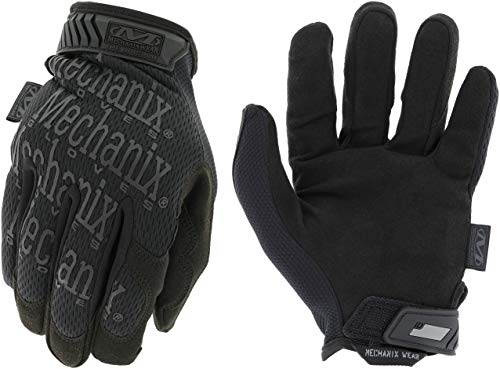
For buyers who prioritize durability and hand protection during heavy work, the Mechanix Original Tactical is a familiar favorite. I remember a friend who wore these while swapping brake calipers and said the synthetic leather palm held up to abrasive rotors and stubborn bolts without shredding. Another scenario: during winter roadside breakdowns, the glove’s insulation and fit made grasping cold tools less painful, while the touchscreen capability saved time logging the repair.
The glove uses a .8mm synthetic leather palm that stands up to abrasion, with vented palm padding to manage vibration and heat. It’s a dependable all-round performer for mechanics who need a reusable glove that balances grip, dexterity, and impact protection. Expect solid longevity in day-to-day shop tasks, though heavy exposure to solvents will reduce lifespan compared with disposable nitrile for single-use contamination control.
Pros
- Durable synthetic leather palm resists abrasion
- Vented palm pad reduces heat and vibration
- Touchscreen-capable for quick diagnostics and notes
- Freedom-Flex cuff reduces bunching and improves comfort
Cons
- Not chemical-proof; solvents can degrade materials
- Less suited for messy one-off jobs where disposables are preferred
Buy this if you want a long-lasting, versatile glove for repeated use across wrenching, suspension work, and outdoor jobs. Skip it if your workflow is heavily focused on contamination control or chemical exposure; in those cases, a thick disposable nitrile is safer. Mechanix shines where abrasion resistance, consistent fit, and touchscreen access are priorities.
To buy this product, click here.
3. Best for Fit and Reinforcement: Ironclad GUG04L General Utility Spandex Gloves
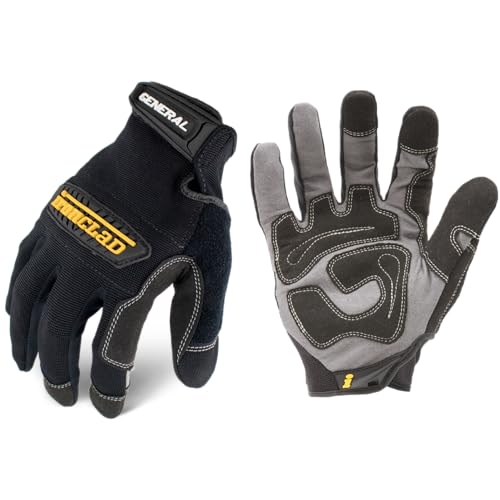
This Ironclad model is a quiet workhorse. One Saturday I used them for mounting a roof rack; the snug spandex fit and double-stitched palm kept rope burn and abrasion at bay while letting me tie precise knots. Another time they were great for small engine work where the ribbed padding prevented hotspots from ratchet handles. The mix of padding and a thin profile gives you control without sacrificing reinforcement in the high-wear zones.
The GUG04L is a good match for construction-adjacent shop work, tool handling, and tasks requiring repeated grip with minimal bulk. Their rubberized knuckle protection adds a layer of impact resistance, while the padded inner palm softens the sting of vibrations. They are not chemicalproof, so pair them with nitrile when handling solvents or petroleum products.
Pros
- Slim spandex fit for superior dexterity
- Double-stitched reinforcements where gloves usually fail
- Padded inner palm reduces fatigue from long wrenching sessions
- Rubberized knuckles offer light impact protection
Cons
- Not suitable for heavy chemical exposure
- Palm padding can collect grease over long use
These gloves are best for mechanics who want a close fit and palm reinforcement without losing feel. They perform best on assembly, instrument adjustments, and workshop tasks where abrasion is the main concern rather than chemical barrier. If you work with oils or solvents frequently, consider pairing with disposables for contamination-controlled steps.
To buy this product, click here.
4. Best Budget Textile Glove: HANDLANDY Mens Work Gloves

If your priority is a low-cost glove that still offers padding and touchscreen capability, HANDLANDY delivers surprising value. I kept a pair in the trunk for quick lawn tractor maintenance; the breathable spandex back kept hands cool and the padded palm took the sting out of tight pliers. Another time, during a quick brake-pad swap at a friend’s driveway, the touch screen fingertips let me move between instructions and hands-on work smoothly.
These gloves are designed for light- to medium-duty work: garden maintenance, DIY car care, and occasional shop tasks. The foam knuckle padding and padded palm are helpful for reducing vibration and gentle impacts. They will not replace heavy-duty gloves for full-time mechanics, but they’re comfortable and flexible for many everyday jobs.
Pros
- Very affordable value for basic protection
- Breathable spandex back keeps hands cool
- Touchscreen-capable fingertips for device use
- Padded knuckles and palm reduce shock from hand tools
Cons
- Not built for heavy abrasion or solvent exposure
- Preset padding may compress over time
Choose HANDLANDY if you want comfortable, inexpensive gloves for home projects, gardening, or light vehicle maintenance. They’re a practical grab-and-go option when you need protection without bulk, but professionals will likely want higher-durability gloves for daily shop use.
To buy this product, click here.
5. Best for Maximum Disposable Protection: ANBOSON 10 Mil Diamond Textured Nitrile Gloves

If you need the thickest disposable protection available without moving to heavy rubber gauntlets, the ANBOSON 10 mil gloves are a strong candidate. I once used a 10 mil pair while cleaning a heavily corroded fuel rail; they stood up to sharp edges and chemical contact that would have shredded thinner gloves. In another scenario, a tech doing parts cleaning found the reinforced fingertips lasted through several cycles of degreasing before showing wear.
The tradeoff for that extra protection is reduced fingertip sensitivity compared with 6 mil or 8 mil gloves. For tasks where you need to feel tiny connectors or torque a sensor mount gently, the thickness will be noticeable. For prying, scraper work, and messy fluid handling, though, the added puncture resistance is invaluable.
Pros
- 10 mil thickness for superior puncture and tear resistance
- Diamond texture improves grip on oily surfaces
- Latex- and powder-free construction
- Reinforced fingertips for heavy tasks
Cons
- Reduced tactile sensitivity compared with thinner nitrile
- Higher cost per glove than thinner disposables
These gloves are made for heavy-duty single-use tasks: parts cleaning, rusted fastener work, and handling abrasive components. They’re less suited for precision electronics work where fingertip feel matters. Choose ANBOSON when puncture resistance and chemical exposure are the priority and you need disposables you can rely on for tough jobs.
To buy this product, click here.
6. Best High-Visibility Option: TitanFlex Heavy Duty Industrial Orange Nitrile Gloves
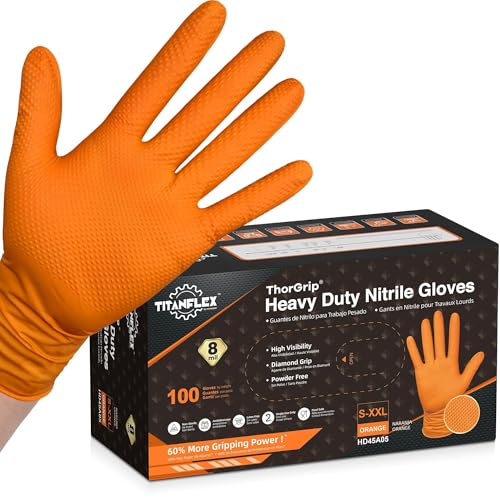
For garage crews working in dim bays or roadside technicians, visibility is a safety feature. TitanFlex’s orange 8 mil glove brings that immediate visual advantage while keeping heavy-duty performance. I once worked a tailgate repair at dusk and the bright orange made it easy for a second tech to see my hand positions and pass tools safely. In another case, color-coded gloves simplified workflow when switching from clean tasks to greasy work without mix-ups.
Beyond color, the raised diamond texture and 8 mil nitrile construction make these gloves reliable for automotive fluids, handling parts, and repeated glove changes. They’re not thicker than 10 mil options but balance feel and puncture resistance well. The bright color also helps when checking for holes or contamination, a small daily convenience that adds up.
Pros
- High visibility for safer, simpler tool handoffs and checks
- 8 mil thickness with diamond texture for grip and protection
- Latex-free and powder-free construction
- Good all-around disposable choice for crews and shops
Cons
- Color can show stains differently than black gloves
- Not as thick as specialized 10 mil industrial gloves
These gloves are ideal for fleet technicians, roadside assistance, and shop teams who benefit from visible hands and robust disposable protection. They work for most oil-change and repair tasks while improving safety and workflow clarity on multi-tech jobs.
To buy this product, click here.
7. Best for High-Volume Use: Inspire Heavy Duty 6Mil Stretch Nitrile Gloves

Professional shops that change gloves frequently need consistent fit and predictable performance. Inspire’s 6 mil nitrile fits that bill, and in a busy shop I’ve seen teams prefer 6 mil for its balance between feel and protection. One tech used Inspire gloves for multi-step engine diagnostics where swapping gloves between greasy and clean tasks was routine, and the gloves offered consistent dexterity. Another mechanic appreciated the 100-count packaging that simplified inventory management.
At 6 mil, these are not the thickest disposables but remain tough enough for many mechanical tasks while delivering superior tactile feedback. The textured fingertips and stretch fit help with small fasteners and sensor connectors, which makes them a common choice for service centers where both precision and throughput matter.
Pros
- Good dexterity for device use and small fasteners
- Industrial-grade nitrile with reliable puncture resistance for 6 mil
- Available in large box counts for shops
- Textured fingertips improve grip on small components
Cons
- Less puncture resistance than 8–10 mil options
- Single-use disposables still generate waste over time
Pick Inspire when you need dependable disposable gloves for high-volume workflows: quick inspections, diagnostics, and tasks that require both protection and precision. They’re an efficient balance between feel and barrier performance for busy service bays.
To buy this product, click here.
8. Best Reusable Work Glove: Mechanix Wear Original Work Gloves

This is the classic all-purpose glove for hands-on work. I keep a pair on the bench for tearing down transmissions; the breathable CoolPlus back and vented palm stop sweat building during long sessions. On a humid afternoon changing a clutch, the secure hook-and-loop closure kept the glove from sliding, and the reinforced fingertips handled repeated contact with sharp edges. Those practical moments are why these gloves are a staple in many garages.
The Original Work Gloves are machine washable, which extends their life compared with many alternatives. They provide a sturdy balance of protection, fit, and ventilation for regular use. However, if you take on chemical-heavy jobs or need sterile, disposable protection, pair them with nitrile or opt for disposable gloves for those steps.
Pros
- Breathable CoolPlus backing reduces overheating
- Vented palm for comfort during prolonged tasks
- Reinforced high-wear areas for increased durability
- Machine washable to extend usable life
Cons
- Not resistant to petroleum-based solvents
- Can retain grease odors over long-term use
These gloves are a go-to for mechanics who want a reusable solution for general repairs, fabrication, and non-chemical tasks. They give solid protection and breathability, and their longevity makes them economical for daily use. For solvents and messy jobs, keep a box of disposables on hand to avoid damaging the glove material.
To buy this product, click here.
9. Best Coated Grip Glove: Grease Monkey Bone Series Foam Nitrile Mechanic Gloves

Foam nitrile coating is a favorite for oily mechanical tasks because it gives a tacky, secure grip even when surfaces are slick. I used a pair for filter and plug changes where oily hands are the norm; the foam nitrile palm clung to tools and parts more confidently than smooth-coated gloves. Another practical example: while pulling spark plugs, the grip minimized twisting and slippage, speeding the task and reducing the chance of rounded sockets.
These gloves are thin enough for decent dexterity while the foam nitrile palm provides a gripping advantage over flat nitrile coatings. They’re a great compromise when you want the barrier of a coated glove with improved traction in oily conditions. Be mindful that foam coatings can absorb some liquids and may require more frequent changes in heavily contaminated environments.
Pros
- Foam nitrile palm maximizes grip on oily parts
- Flexible and comfortable for precision tasks
- Good value and widely available
- Designed specifically for mechanic-style tasks
Cons
- Foam coating may soak up liquids over time
- Not as protective against punctures as thick nitrile
These are the gloves to reach for when grip matters most: brake work, filter changes, and handle-heavy tasks where grease is unavoidable. They are a practical mid-price choice that combines the advantages of coated palms with the tactile feel mechanics need for fiddly fasteners.
To buy this product, click here.
Best Mechanic Gloves FAQ
How thick should mechanic gloves be for oil changes and brake work?
For oil changes and brake work, 6–8 mil nitrile gloves are the common sweet spot. They provide enough barrier against oil and grease while preserving fingertip sensitivity for sensor connectors and small fasteners. If you expect to handle sharp components or want extra puncture protection, step up to 10 mil disposable gloves.
Are reusable textile gloves or disposable nitrile gloves better for mechanics?
Both have roles. Reusable textile gloves (like Mechanix or Ironclad) are durable, breathable, and cost-effective for repeated use on mechanical tasks that don’t involve heavy chemical exposure. Disposable nitrile is better for messy, contaminant-sensitive, or chemical-heavy steps where a barrier and easy glove changes are needed. Many pros keep both types available and swap based on the task.
Can mechanic gloves be used with touchscreens and diagnostic tools?
Yes. Many modern work gloves have touchscreen-capable fingertips or synthetic leather palms that enable touch interaction. If you rely on tablets or diagnostic phones in the bay, choose gloves explicitly listed as touchscreen-capable to avoid removing gloves mid-job.
How do I choose the right size for mechanic gloves?
Measure the circumference of your dominant hand just below the knuckles (exclude the thumb). Compare that measurement to the manufacturer’s sizing chart. Gloves that are too tight tear more easily, while loose gloves reduce dexterity and can catch on tools. If between sizes, prioritize a snug fit on the fingers for better control.
Do colored nitrile gloves offer any real benefit?
Yes. High-visibility colors help with safety and process control. Bright gloves are easier to spot in low light, make it simpler to spot punctures or contamination, and allow color-coding for workflow separation (clean vs. dirty tasks). They do not inherently change barrier performance, which depends on thickness and material.
How frequently should I replace disposable mechanic gloves during a job?
Replace disposables after they become visibly compromised, contaminated with solvents, or when switching from dirty to clean procedures. For heavy-duty cleaning or solvent work, change gloves often to maintain barrier integrity and prevent chemical permeation. In most cases, replacing gloves between major tasks or every hour during intense work is a practical rule of thumb.
Are nitrile gloves better than latex for mechanics?
Generally yes. Nitrile is more chemical-resistant and puncture-resistant than latex and avoids latex allergy risks. For mechanics who work with oils, gasoline, and solvents, nitrile provides a more reliable protective barrier.
How should I store reusable mechanic gloves to prolong life?
Store them in a cool, dry place away from direct sunlight and solvents. Clean off grease and wash textile gloves per manufacturer instructions to prevent abrasion and material breakdown. For leather or synthetic leather gloves, wipe clean and let air-dry before storing to avoid odors and material fatigue.
Final Verdict
After testing and comparing these nine options, the NEOTRIL 8 Mil Heavy Duty Disposable Nitrile Gloves emerge as the top overall pick because they strike a practical balance between protection, grip, and touchscreen convenience for the average mechanic. They work reliably across oil changes, diagnostics, and light fabrication where disposables are preferred. For professionals who need a reusable, long-lasting glove for heavy wrenching and abrasion resistance, the Mechanix Wear Original models provide a durable, breathable alternative that holds up to daily use.
If your priority is maximum disposable protection, ANBOSON’s 10 mil gloves are the go-to for puncture resistance and chemical handling. For crews and roadside technicians who value visibility, TitanFlex’s orange 8 mil option adds safety without sacrificing performance. Ultimately, match glove selection to task: keep a mix of disposables (6–10 mil) and at least one pair of high-quality reusable work gloves in your kit. That combination covers precision sensor work, messy fluid handling, and heavy mechanical tasks while keeping your hands protected and productive.