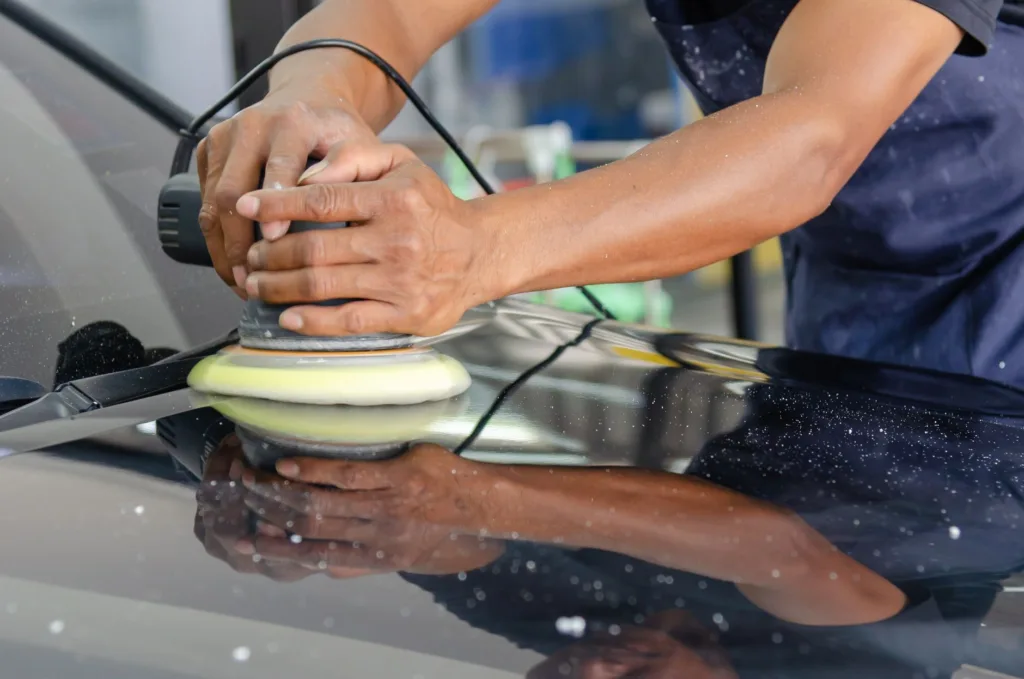
Swirl marks are best prevented by reducing friction, keeping dirt out of the paint during washing, and using the softest, cleanest tools possible. In simple terms, if you minimize how much debris gets dragged across the clear coat, you greatly reduce the chance of creating those fine circular scratches that show up most clearly in direct sunlight.
For paint-safe washing, drying, or residue removal, our microfiber towels for cars guide compares towels matched to those different jobs.
Most swirl marks are not caused by one dramatic mistake. They usually build up over time from everyday habits such as washing a dirty car with the wrong mitt, drying with a towel that has trapped grit, or using automated wash equipment that is too aggressive for delicate paint. The good news is that swirl marks are largely preventable with careful washing, proper drying, and a few consistent maintenance habits.
What Swirl Marks Are and Why They Happen
Swirl marks are tiny scratches in the clear coat, the transparent top layer of paint on most vehicles. They often look like fine circular patterns or a hazy web when sunlight hits the paint at an angle. They are especially visible on darker colors, but any paint can develop them.
Despite the name, swirl marks are not always perfectly round. The term is commonly used to describe all the fine marring that makes paint look dull or cloudy. They usually come from contact between dirt and paint during washing, drying, dusting, or polishing.
The main idea behind prevention is straightforward: do not rub contaminants across the paint. Every time grit is dragged over the surface, it can cut micro-scratches into the clear coat. Over time, those marks accumulate and become more noticeable.
The Best Way to Prevent Swirl Marks
The most effective way to prevent swirl marks is to wash and dry the vehicle using a process that removes dirt before any towel touches the paint. That means rinsing thoroughly, using lubrication from car shampoo, cleaning from top to bottom, and using separate tools for washing and drying.
A swirl-free routine also depends on how you store and maintain your wash equipment. A clean wash mitt can still create scratches if it is dropped on the ground and reused. A drying towel can also become a source of damage if it picks up grit from a contaminated panel or from being stored dirty between washes.
In practice, prevention comes down to a few habits:
- Rinse loose dirt off before touching the paint.
- Use a lubricated wash solution, not plain water.
- Wash from the cleanest areas to the dirtiest areas.
- Never use one towel or mitt for the whole job without cleaning it as needed.
- Dry with a soft, clean towel using minimal pressure.
- Avoid aggressive wiping of dusty paint.
Why Washing Technique Matters So Much
Most swirl marks happen during the wash and dry process, not while the car is sitting still. Dirt, road film, brake dust, and sand can act like fine abrasives. If they are not removed safely, they get pushed into the clear coat.
A lot of car owners focus on the soap they use, but technique matters even more. A good shampoo helps, but it cannot fully protect the paint if the vehicle is being scrubbed with a dirty sponge or wiped dry with a rough towel. The process matters more than any single product.
Two-Bucket Wash Method
The two-bucket method is one of the most practical ways to reduce swirl marks. One bucket holds soapy water, and the other holds rinse water for cleaning the mitt between passes. The goal is to stop grit from being reintroduced to the paint.
After washing a section, the mitt is rinsed in the clean-water bucket before going back into the soap bucket. This simple step helps keep dirt from building up in the wash media. Many enthusiasts also use grit guards in the buckets to help particles settle away from the mitt.
Top-to-Bottom Washing Order
Wash the roof, glass, hood, upper doors, and trunk before moving to the lower panels. The lower parts of a car usually hold the heaviest contamination because they are closest to the road. If you start with the dirtiest areas, you may transfer more grit to cleaner panels.
This order also helps reduce the chance of dragging heavy contamination across the entire vehicle. It is a small habit, but it makes a measurable difference over time.
Comparison of Common Washing Methods
| Method | Swirl Mark Risk | Why It Matters | Typical Use Case |
|---|---|---|---|
| Touchless wash | Low to moderate | No physical contact reduces scratching, but heavy dirt may remain | When paint is delicate or lightly dirty |
| Hand wash with two-bucket method | Low | Controlled contact and better dirt removal | Best all-around home washing approach |
| Single-bucket hand wash | Moderate | Grit can stay in the wash water and redeposit on the paint | Quick washes, though less ideal |
| Automatic brush wash | Moderate to high | Brushes may carry dirt from previous vehicles and can be too aggressive | Convenience when hand washing is not possible |
| Dry dusting a dirty car | High | Dry contaminants are dragged directly across the clear coat | Should generally be avoided |
How to Wash Your Car Without Creating Swirl Marks
A safe wash routine is one of the most important parts of swirl prevention. The exact tools may vary, but the principles stay the same: remove loose dirt first, use plenty of lubrication, and avoid aggressive scrubbing. Washing technique affects the finish too; our guide to whether automatic car washes damage paint explains the main risks.
Step 1: Rinse the Vehicle Thoroughly
Start with a strong rinse to remove loose dust, sand, and surface grit. Pay attention to lower panels, wheel arches, and the rear of the vehicle, where contamination tends to collect. The more dirt you remove before touching the paint, the less risk there is of scratching.
If the vehicle is heavily soiled, a pre-rinse or pre-soak can help loosen contamination before washing. This is especially useful after rain, winter driving, or long highway trips.
Step 2: Use a Proper Wash Solution
Automotive shampoo is designed to lubricate the surface while cleaning away grime. That lubrication helps your wash mitt glide more safely over the paint. Dish soap or strong household cleaners are generally not ideal for routine washing because they can strip protective layers and are not made for automotive finishes.
The purpose of shampoo is not just cleaning. It also helps reduce friction, which is essential when trying to avoid swirl marks.
Step 3: Use a Soft Wash Mitt, Not a Rough Sponge
A quality wash mitt made from soft microfiber or similar gentle material is usually safer than a traditional sponge. Sponges can trap grit on the surface and drag it around without much give. A plush mitt can hold more lubrication and can release dirt more effectively when rinsed.
Whatever tool you use, keep it clean. If you drop it on the ground, it is usually safer to replace it or rinse it thoroughly before using it again.
Step 4: Wash in Straight, Light Passes
There is a common belief that circular hand motions cause swirl marks. In reality, the shape of the motion matters less than whether dirt is being dragged across the paint. Still, many detailers prefer straight-line passes because they are easier to inspect and less likely to create visible patterns if light marring does occur.
Use gentle pressure. Let the wash mitt do the work. If you feel like you have to scrub, the surface is probably too dirty for direct contact and should be rinsed more first.
Step 5: Rinse Frequently
Do not let dirt accumulate in the mitt for too long. Rinse it often, especially after cleaning the lower half of the vehicle. The cleaner the mitt stays, the less chance there is of scratching the paint.
Drying Is Just as Important as Washing
Many swirl marks are created during drying. Even after a careful wash, leftover minerals, road film, or tiny particles can still scratch if you use the wrong drying method. Drying should be treated as a paint-safe step, not an afterthought. For the material and handling reasons behind towel choice, see why microfiber towels are used for cars.
Use a Clean, Soft Drying Towel
Plush microfiber drying towels are commonly used because they absorb water well and are less likely to abrade the surface than rough cotton towels. The towel should be clean, uncontaminated, and large enough to dry efficiently without repeated rubbing.
A towel that has picked up dirt from the ground, from wheel areas, or from being stored improperly can become a source of marring. Wash and dry towels properly so they stay soft and effective.
Pat or Glide, Do Not Scrub
Instead of pressing hard, blot or lightly glide the towel across the surface. If water remains, use a second clean towel rather than repeatedly rubbing the same spot. Repeated dry passes can create fine scratches even if the towel is soft.
Dry in the Shade When Possible
Direct sun can cause water to evaporate quickly and leave spots that tempt you to rub harder. Shade gives you more time to dry safely. If you must work in the sun, work in smaller sections so water does not sit and dry on the paint.
Quick Comparison of Drying Methods
| Drying Method | Swirl Mark Risk | Notes |
|---|---|---|
| Plush microfiber towel | Low | Gentle and effective when clean |
| Water blade or squeegee | Moderate | Can be used carefully, but any trapped grit can scratch |
| Bath towel or old household cloth | High | Often too rough or lint-prone for paint |
| Air drying | Low for contact, but poor for spotting | May leave mineral spots if water is hard |
How Often You Wash Also Affects Swirl Marks
Letting dirt sit on the paint for too long can make washing harder and more abrasive later. Road grime can bond to the surface, especially after rain or winter driving. If the car stays dirty for weeks, you may need more contact pressure to remove buildup, which increases the risk of scratching.
On the other hand, washing too often with poor technique is also a problem. The ideal is not the highest frequency possible. It is the frequency that keeps contamination under control while using safe methods.
For many drivers, a regular wash schedule based on weather, mileage, and parking conditions is enough. Cars parked outside near trees, on busy roads, or in winter salt regions usually need attention more often than garage-kept vehicles.
Protective Products and Swirl Prevention
Protective products do not make a car immune to swirl marks, but they can help reduce friction and make washing easier. A protected surface often releases dirt more readily than bare paint. That means less scrubbing is needed during maintenance washes.
There are several common types of paint protection, and each has a different role in swirl prevention.
| Protection Type | Purpose | Effect on Swirl Prevention | General Maintenance Notes |
|---|---|---|---|
| Wax | Short-term gloss and water behavior | Moderate help by reducing friction | Needs more frequent reapplication |
| Sealant | Synthetic paint protection | Moderate help and often longer-lasting than wax | Usually easier to maintain than traditional wax |
| Ceramic coating | Longer-lasting surface protection | Can reduce wash friction and help resist light marring | Still requires careful washing |
It is important not to assume that a coating means the paint cannot scratch. Even coated surfaces can develop swirl marks if dirty towels, harsh brushes, or poor washing habits are used. Protection helps, but technique still matters most.
Common Mistakes That Create Swirl Marks
Many swirl marks come from a few repeat mistakes. Avoiding these habits can make a larger difference than constantly chasing new products.
Using a Dirty Sponge or Mitt
Once a wash tool has grit embedded in it, that dirt can act like sandpaper. If the mitt is visibly dirty or has been dropped, clean it thoroughly before using it again. When in doubt, be conservative.
Wiping a Dusty Car Dry
This is one of the fastest ways to mar paint. Dry wiping does not give contaminants any lubrication, so they are dragged directly over the surface. If the car only has light dust, a proper rinse is still the safer choice before any towel touches the paint.
Overusing Automatic Brush Washes
Some automatic washes are acceptable, but brush-style systems can leave fine scratches, especially on softer paint. The risk increases when the brushes are worn or dirty. If you use these washes regularly, expect more frequent paint correction needs over time.
Using Old Towels on Paint
Towels that have been used on wheels, engine bays, or dirty trim should not be used on painted panels. Those areas collect heavy contamination, including brake dust and road grime. Cross-contamination is a common source of micro-scratches.
Skipping the Pre-Rinse
Trying to wash a dry, dirty vehicle without a thorough rinse makes the mitt do more work than it should. The more grit is left on the surface, the more likely it is to scratch. A pre-rinse is one of the simplest and most effective prevention steps.
Special Considerations for Dark Paint
Dark colors such as black, deep blue, and dark gray tend to show swirl marks more easily than lighter colors. That does not mean dark paint is more likely to scratch, only that the defects are easier to see. Owners of dark cars often notice swirls sooner because the contrast in sunlight is stronger.
If your vehicle has dark paint, be especially careful with washing and drying tools. The difference between a careful and careless wash is usually much more visible on dark finishes.
How to Maintain a Swirl-Free Finish Between Washes
Even if you wash correctly, the way you handle the car between washes matters. Dusting a dry, contaminated car with a towel or sleeve can reintroduce fine scratches. A better approach is to keep the surface clean enough that light maintenance is needed only when it can be done safely.
Use a Gentle Rinse or Quick Detail Method Only When Appropriate
If a car has a light layer of dust, some owners use a rinse or safe lubricant-based quick cleaning method before wiping. The key is that there must be enough lubrication and enough loosened dirt removal to avoid rubbing contaminants into the finish. Dry dusting is the problem, not careful maintenance itself.
Park Smart When Possible
Parking under trees can lead to sap, pollen, bird droppings, and falling debris. These contaminants may require more aggressive cleaning later. Parking farther from road spray or heavy construction dust can also reduce how much grime reaches the paint.
Remove Bird Droppings and Bug Splatter Promptly
These contaminants can bond to the surface and encourage rubbing during removal. The longer they sit, the more effort it may take to clean them off safely. Prompt, gentle cleaning reduces the temptation to scrub hard later.
When Paint Correction May Be Needed
Prevention is ideal, but many cars already have existing swirl marks. If the finish is heavily marked, the only way to remove them is usually through paint correction, which involves polishing away a very thin layer of clear coat. This is not the same as simple washing or waxing.
Because clear coat is finite, correction should be approached carefully. Repeated aggressive polishing can reduce the available clear coat over time. For that reason, it makes sense to focus on prevention after correction so the finish does not need frequent machine polishing.
If you are unsure whether your paint is just dirty, lightly marred, or in need of correction, inspect it in bright indirect sunlight or with proper lighting. Some defects look worse when the car is dusty, while others remain visible even after a wash.
Typical Costs to Prevent Swirl Marks
Preventing swirl marks does not have to be expensive, but the cost varies depending on how thorough you want to be. A basic safe wash setup can be modest, while a more advanced maintenance routine may involve more specialized towels, buckets, and protection products.
| Item or Service | Typical Cost Range | Purpose |
|---|---|---|
| Car shampoo | Low to moderate | Lubricates and cleans during washing |
| Microfiber wash mitt and drying towels | Low to moderate | Safer contact with the paint |
| Two wash buckets and grit guards | Low to moderate | Helps separate dirt from clean wash solution |
| Protective wax or sealant | Low to moderate | Reduces friction and improves maintenance |
| Professional paint correction | Moderate to high | Removes existing swirl marks from the clear coat |
Costs vary by vehicle size, paint condition, and local labor rates. The important point is that prevention is usually far cheaper than correcting damaged paint later.
Practical Habits That Make a Big Difference
Some of the most effective swirl prevention habits are simple and easy to forget. They do not require advanced detailing experience, just consistency.
- Keep separate towels for wheels, lower panels, and paint.
- Wash in a shaded area when possible.
- Rinse the mitt often while washing.
- Replace or clean dirty towels instead of pushing through the job.
- Dry with light pressure and clean towels only.
- Avoid touching paint unless the surface has been properly rinsed or lubricated.
- Use protection products to make future washing easier.
What Not to Do If You Want to Avoid Swirl Marks
Some habits are so commonly linked to paint damage that they are worth calling out directly. If your goal is a cleaner, glossier finish, these are the behaviors to avoid.
- Do not wash a dry, dusty car without pre-rinsing.
- Do not use one dirty towel for the entire vehicle.
- Do not dry the paint with a towel that has been used on wheels.
- Do not scrub heavily soiled paint to force dirt off faster.
- Do not assume a ceramic coating makes washing careless-proof.
- Do not use rough household cloths or bath towels on paint.
FAQ
Can swirl marks be prevented completely?
Not always. You can greatly reduce the chance of swirl marks with careful washing and drying, but normal use, environmental contamination, and repeated contact can still create some fine marring over time.
Does wax prevent swirl marks?
Wax can help reduce friction and make washing smoother, but it does not eliminate swirl marks. It is a layer of protection, not a guarantee against scratching.
Are automatic car washes bad for paint?
Some are gentler than others, but brush-style automatic washes can increase the risk of swirl marks. Touchless washes generally reduce contact-related scratching, though they may not clean as thoroughly.
Is microfiber really better than a regular towel?
For paint, yes, in most cases. Clean microfiber is usually safer because it is softer, more absorbent, and less likely to drag debris aggressively across the clear coat.
Should I wash my car in circles or straight lines?
Either can work if the mitt is clean and the paint is well lubricated, but straight-line passes are often easier to control and inspect. The real issue is avoiding contaminated contact, not the shape of the motion alone.
Can I remove dust with a dry microfiber cloth?
That is risky. Even soft cloths can scratch if dust and grit are present. It is safer to rinse or use a lubricated cleaning method before wiping the surface.
Do ceramic coatings stop swirl marks?
No. Ceramic coatings can help with slickness and maintenance, but they can still be marred by dirty tools, improper washing, or abrasive contact.
Conclusion
Preventing swirl marks comes down to one central idea: keep dirt from being dragged across the paint. The most effective methods are thorough rinsing, safe hand washing, clean wash tools, careful drying, and consistent maintenance habits.
Protective products can help, but they work best as part of a good process, not as a substitute for it. If you wash gently, use proper towels, and avoid common mistakes like dry wiping or using contaminated tools, your paint will stay clearer for much longer.
For most owners, swirl prevention is less about perfection and more about discipline. Small, repeatable habits protect the finish far better than occasional aggressive cleaning.